The Benefits of Chore Charts for Children
2 April 2026
Parenting is a rewarding journey, but let’s be honest—it comes with its fair share of chaos. Between school runs, meal preps, and keeping the house in order, it often feels like there just aren't enough hours in the day. And if you’ve ever found yourself repeating, “Can you please clean your room?” for the hundredth time, you’re not alone.
Enter the chore chart—a simple yet powerful tool that helps children develop responsibility, independence, and essential life skills. But are they really effective? And how do they benefit kids in the long run? Let’s break it down. 
Why Chore Charts Work
Chore charts are more than just lists of tasks; they’re structured systems that encourage accountability, discipline, and consistency. Children thrive on routine, and a visual representation of their responsibilities can make all the difference.Think about how adults use planners or to-do lists to stay organized. A chore chart serves the same purpose for kids, giving them a sense of control and achievement over daily tasks. 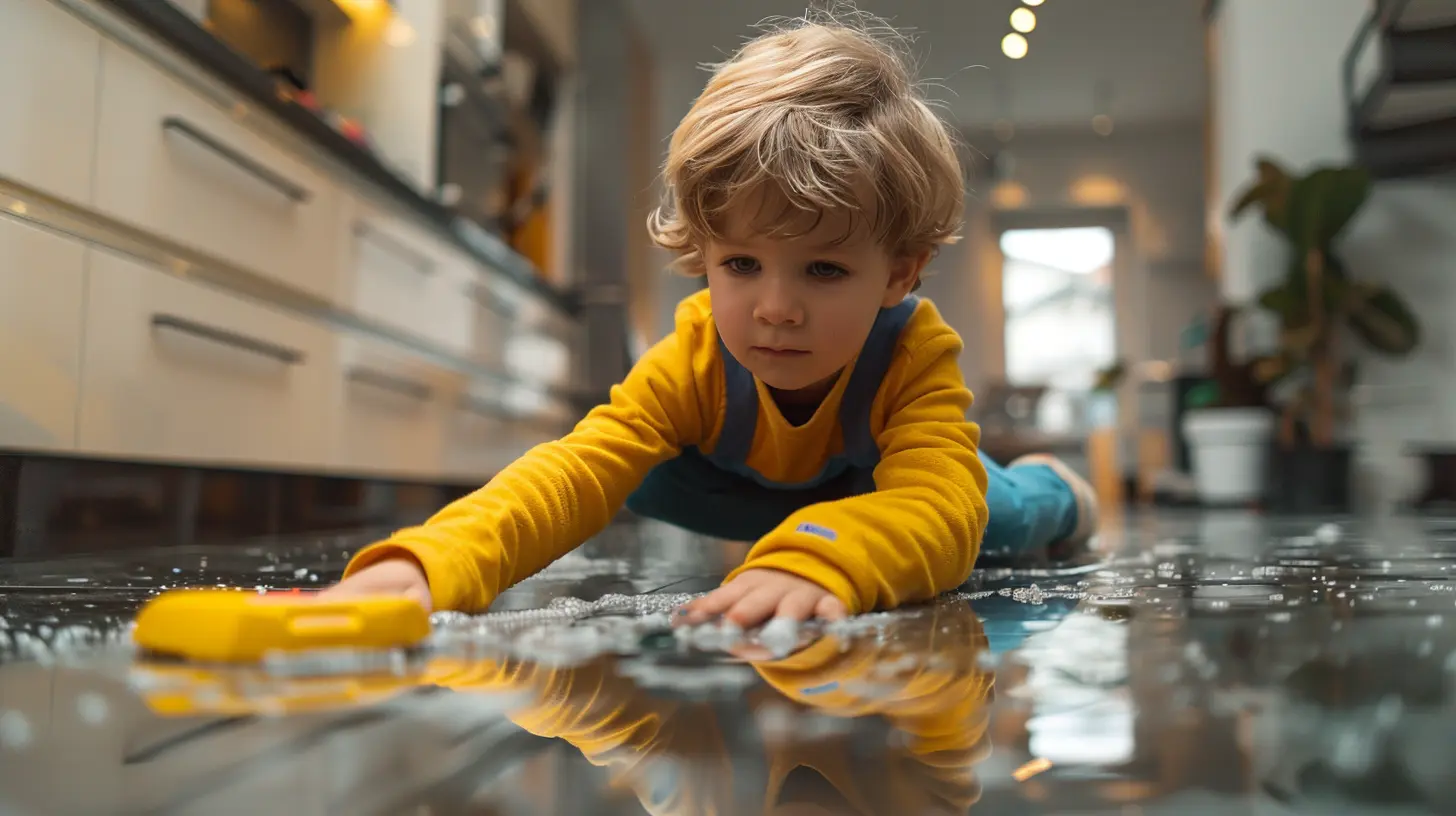
Teaching Responsibility and Accountability
One of the biggest advantages of chore charts is that they teach kids responsibility from a young age. When they know they’re expected to complete certain tasks, they begin to understand the concept of accountability.Instead of relying on parents to always remind them, children learn to take ownership of their chores. Over time, this fosters a sense of independence, making them more reliable and proactive.
Wouldn’t it be amazing if they started making their beds without being asked? That’s the power of consistent habits. 
Building a Sense of Accomplishment
Kids, like adults, love the feeling of achievement. There’s something incredibly satisfying about checking off a task on a list. Each time they complete a chore and mark it off, they get a little burst of pride and motivation.This sense of accomplishment reinforces positive behavior. It’s no longer about just “doing chores” for the sake of it—it’s about feeling capable and self-sufficient.
Plus, when children see their progress over time, they develop self-confidence—an essential ingredient for future success. 
Developing Essential Life Skills
Let’s face it: no one magically wakes up as a responsible adult. Keeping a home clean, managing time effectively, and following through on commitments are skills that need to be taught and practiced early on.Chore charts help children develop:
- Time management – They learn to plan their day around responsibilities.
- Organization skills – Maintaining order becomes second nature.
- Work ethic – They understand that effort leads to rewards.
By gaining these essential skills, kids are better prepared for adulthood.
Would you rather raise a child who knows how to do laundry at 14 or one who has no clue how to fold a shirt at 24?
Teaching the Value of Hard Work
When kids contribute to household tasks, they realize that keeping a home clean isn’t magic—it requires effort from everyone.This teaches them the value of hard work and teamwork. Instead of assuming that chores are just “mom and dad’s job,” they begin to understand that every family member plays a role.
Over time, they develop an appreciation for the effort that goes into maintaining a home, making them more empathetic and mindful.
Encouraging Teamwork and Cooperation
Speaking of teamwork, chore charts can help kids understand the importance of cooperation.When children see that their siblings or family members also have responsibilities, they’re more likely to help each other out. It fosters a sense of unity and teamwork, creating a more harmonious household.
For instance, if one child is responsible for setting the table while another cleans up after dinner, they’re working towards a shared goal. This concept of shared responsibility can set the foundation for healthy relationships and collaboration in the future.
Reducing Parental Stress
Let’s be real—parenting is exhausting. And constantly reminding kids to do their chores can feel like an uphill battle.A chore chart reduces the nagging and places the responsibility on the kids. Instead of playing the role of a broken record, you can simply point to the chart and remind them of their commitments.
Imagine a life where you don’t have to repeat, “Did you clean your room yet?” ten times a day. Sounds dreamy, right?
Introducing Rewards and Motivation
A well-designed chore chart can include a reward system to keep kids motivated.Kids love incentives, and while chores shouldn’t always be tied to rewards, a little extra encouragement never hurts. Whether it’s earning stickers, screen time, or a weekend treat, having something to look forward to keeps them engaged.
This approach teaches an important lesson: effort leads to rewards—a principle that applies in school, work, and life in general.
How to Make an Effective Chore Chart
Now that we know chore charts are beneficial, how do you create one that actually works? Here are a few tips:1. Keep It Age-Appropriate
You wouldn’t ask a three-year-old to mop the floor, right? Assign tasks based on your child’s age and abilities.- Toddlers (2-4 years old): Put toys away, help feed pets, wipe small spills.
- Young kids (5-7 years old): Make their bed, set the table, put laundry in the hamper.
- Older kids (8-12 years old): Sweep floors, load the dishwasher, take out trash.
- Teens (13+): Cook simple meals, mow the lawn, do laundry.
2. Make It Visual
Kids respond well to visuals. Whether it’s a colorful poster, magnets, or a printable chart, having a tangible representation makes it easier for them to track progress.You could even use a whiteboard and let them check off tasks daily—it adds an extra layer of engagement!
3. Be Consistent but Flexible
Consistency is key, but don’t be afraid to adjust tasks as needed. Life happens, and sometimes routines need tweaking to fit new schedules or priorities.4. Use Positive Reinforcement
Praise goes a long way. A simple “Great job!” or “I really appreciate your help” can be incredibly motivating. Kids thrive on acknowledgment, so don’t hold back on encouragement.5. Avoid Overloading
The goal isn’t to overburden children but to instill healthy habits. Keep tasks manageable, ensuring they have plenty of time for play and relaxation.Conclusion
Chore charts are a game-changer for both parents and kids. They teach responsibility, build independence, and help children develop valuable life skills—all while making your household run more smoothly.And the best part? They reduce the daily battles over chores, letting you enjoy more quality time with your kids.
So, if you haven’t already, give chore charts a try. You might be surprised at how quickly they transform your home (and your sanity).
all images in this post were generated using AI tools
Category:
Kids And ChoresAuthor:

Maya Underwood
Discussion
rate this article
2 comments
Foster Wade
Chore charts teach responsibility and routine; effective parenting tool for children’s growth.
April 9, 2026 at 4:01 PM
Maya Underwood
Absolutely! Chore charts can instill responsibility and help establish routines, making them a valuable tool for fostering growth in children.
Noora Marks
Chore charts empower children by fostering responsibility, building routines, and enhancing their confidence—essential skills for independence and personal growth.
April 8, 2026 at 3:41 AM
Maya Underwood
Thanks for your insight! I completely agree that chore charts can play a crucial role in teaching kids valuable life skills.