Adapting Childhood Traditions for Your Own Family
18 January 2026
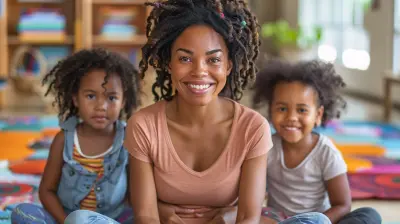
Ah, traditions — those little rituals that wrapped our childhoods in meaning. Do you remember baking cookies with grandma, decorating the Christmas tree the same way each year, or that annual summer camping trip? These cherished moments are more than just memories; they're the invisible threads that weave family bonds together.
But as life goes on and you start your own family, things change — schedules get busier, cultures blend, and sometimes, grandma’s cookie recipe just isn’t gluten-free-friendly anymore. So, what happens to those beloved traditions? Do they fade away, or do we find new ways to breathe life into them for our kids?
Let’s talk about how you can take the beauty of your childhood traditions and reimagine them into something uniquely yours — something that fits your family, your values, and your lifestyle.
What Are Childhood Traditions, Really?
At their core, traditions are like comfort food for the soul. They’re the consistent little things that connect us to our roots and create a sense of belonging. Whether it’s how you celebrated birthdays, holidays, Sunday dinners, or even bedtime routines, traditions provide rhythm and security in a child’s life.But here’s the thing: they don’t have to stay frozen in time. They can evolve — just like we do.
Why Modify Traditions at All?
You might ask, “Why fix what isn’t broken?” Fair question. But let’s be real: life looks different today than it did 20, 30, or even 10 years ago.- Maybe you're raising kids in a multicultural household.
- Maybe your spouse’s family had totally different customs.
- Maybe you want to add modern values like inclusivity or sustainability.
Or maybe — and this is okay — you just want to do things differently.
Traditions shouldn't be a burden. They should uplift, inspire, and bring your family closer. If they’re causing stress or no longer align with who you are, it’s time for a remix.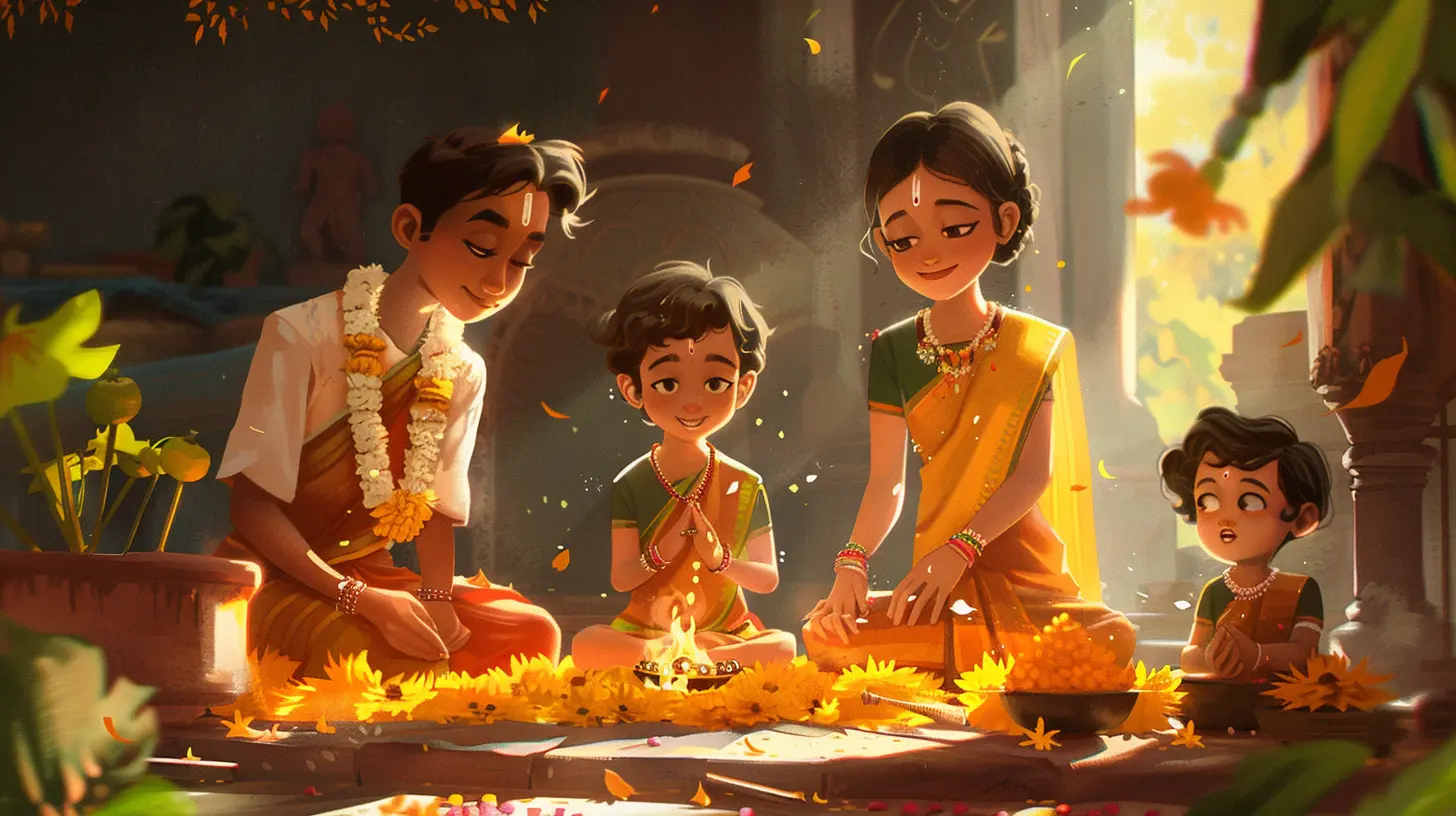
Step One: Reflect on Your Own Childhood Traditions
Before you start creating new family rituals, take a stroll down memory lane. But not just a casual walk — really dig in.Ask yourself:
- What traditions did I actually love as a kid?
- Which ones made me feel connected and safe?
- Which ones felt forced or stressful?
- How did my family handle special occasions, milestones, and everyday routines?
You may be surprised which memories bubble to the surface — maybe it wasn’t the big stuff like Christmas morning but the small rituals like Friday night pizza or bedtime stories that left the biggest impression.
Now jot them down. Yep, make a list — you’ll need it.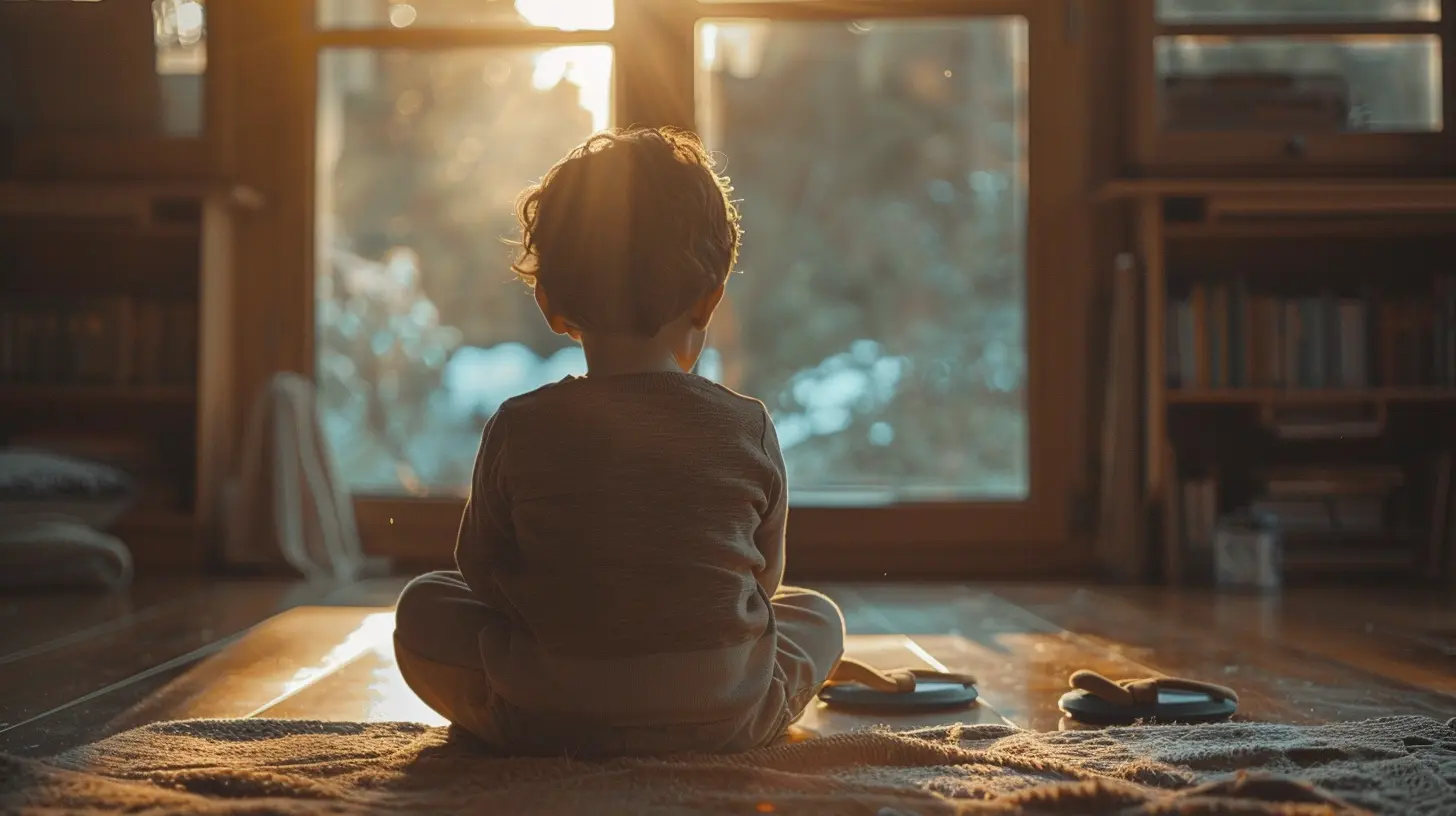
Step Two: Talk to Your Partner and Kids
Traditions aren’t a one-person show. Everyone in your family should get a voice. Sit down with your partner and, if your kids are old enough, include them too.Ask your partner what traditions they grew up with. Were they formal or relaxed? Loud and feisty or quiet and cozy? What did they love? What would they change?
Bringing your kids into the conversation not only makes them feel involved — it gives them ownership. And when kids help create a tradition, they’re way more likely to stick with it.
Step Three: Blend Old and New
This part is like mixing a playlist. You’ve got your old-school hits (your favorite traditions), your partner’s throwbacks, and maybe some brand-new tracks that match your current family's vibe.Let’s say you grew up opening one gift on Christmas Eve. Your spouse’s family waited until Christmas morning. Why not meet halfway? Maybe open Christmas pajamas on Christmas Eve to wear the next morning. Boom — a new twist on two traditions.
Or maybe your family never celebrated certain holidays, but your spouse did. Blend and expand — it’s your show now.
And don’t forget your cultural or spiritual roots. Traditions are a great way to pass on heritage. But feel free to put your own spin on them. Just because Grandma made tamales every December doesn’t mean you can’t throw in a build-your-own taco night with the kids!
Everyday Routines Can Become Traditions Too
Not all traditions have to be grand or seasonal. Sometimes the most meaningful ones are the small, consistent daily or weekly rituals.Think:
- Taco Tuesdays
- Sunday pancake breakfasts
- Friday game nights
- Saying what you're grateful for at dinner
- Reading one chapter of a book each night before bed
These little routines build a sense of predictability and warmth. And they’re easy to start — no holiday required.
Make Room for Change (And Chaos)
Life’s unpredictable. Kids get older, families move, jobs change, babies get added to the mix. So, it’s important to keep your traditions flexible. Think of them as a recipe — not a script. If something isn’t working anymore, tweak it.Maybe you used to bake a 3-layer cake for every birthday, but now no one has time. Switch to cupcakes. Or maybe you moved and can no longer visit Grandma for Easter. Create a new tradition with a local egg hunt or picnic.
Traditions can change without losing their meaning — especially if the spirit behind them stays the same.
Incorporate Meaning and Mindfulness
In a world that’s racing forward, traditions give us a pause button. They allow us to slow down and be intentional.So, when adapting your traditions, think about the “why.”
Is it to foster gratitude? Celebrate your culture? Connect with nature? Instill values? Strengthen family bonds?
Use that “why” as your compass. When your traditions are rooted in meaning, they’ll be more resilient — and more memorable.
Don’t Let Social Media Pressure You
Can we talk about Pinterest and Instagram for a sec? It's easy to feel like you’re "failing at family traditions" because your holiday table doesn’t look like a magazine spread or your Elf on the Shelf forgot to move… again.But hear this: the best traditions are about connection, not perfection.
So what if your tree is lopsided or your cookies look more like blobs? If you laughed, loved, and made a memory — that’s the real win.
Encourage Your Kids to Create Their Own
This part’s magic. As your kids grow, they’ll come up with ideas for new traditions. Maybe they’ll want to start a movie marathon the night before school starts, or have a backyard picnic every first day of spring.Encourage that.
Let them be tradition creators, not just tradition keepers. It empowers them, and someday, they’ll be passing those moments down to their own kids — with their own tweaks, of course.
Examples of Adapted Traditions
Need some inspiration? Here are a few real-life examples of families adapting traditions in clever and meaningful ways:- Holiday Swap: Instead of buying tons of Christmas gifts, one family replaced them with an “experience jar” — each person suggests a fun family activity, and they draw one every weekend in December.
- Gratitude Pumpkin: One family turned their Halloween pumpkin into a “gratitude pumpkin” for November. Each day, they write something they’re thankful for on it. By Thanksgiving, it’s covered in love.
- Cultural Fusion Meals: A multicultural family blends recipes from both backgrounds during a big family feast. Tandoori turkey, anyone?
- Virtual Celebrations: After moving far from extended family, one family started Zoom birthday parties complete with digital games and screen-shared cake-cutting.
You see how the spirit stayed the same, even though the form changed?
A Tradition of Kindness and Giving
Try this: make kindness one of your foundational family traditions.Whether that’s volunteering together, leaving secret notes for neighbors, or donating toys before the holidays, building compassion into your family rituals gives your kids a sense of purpose and perspective.
And honestly? It just feels amazing.
The Legacy You're Building
When you adapt traditions for your own family, you’re not just preserving the past — you’re writing a new chapter. You're giving your children a legacy that’s personalized, meaningful, and uniquely yours.It’s less about copying what was and more about capturing how it made you feel — the joy, the connection, the love — and finding new ways to pass that feeling on.
So don’t be afraid to mix, match, bend, or even break the rules. Your traditions should reflect the beautiful, messy, evolving story of your family.
And years from now, when your kids are grown and reminiscing about their childhoods, it won’t be the Instagram moments they remember — it’ll be the traditions you built together.
Final Thoughts
Traditions aren’t about doing things “the way they’ve always been done.” They’re about creating moments that matter. So, start small. Start now. And most importantly, make sure they feel authentic to you.Because the most powerful family traditions are the ones built with heart, not hype.
all images in this post were generated using AI tools
Category:
Family TraditionsAuthor:

Maya Underwood
Discussion
rate this article
2 comments
Barbara Klein
This article beautifully highlights the importance of adapting childhood traditions to fit our modern families. It encourages creativity and flexibility, allowing us to honor our heritage while making meaningful memories tailored to our children’s values and interests. A must-read for all parents!
February 15, 2026 at 5:07 AM
Maya Underwood
Thank you for your kind words! I'm glad the article resonated with you and emphasizes the importance of adapting traditions for modern families.
Kade Rosales
What a wonderful perspective on adapting traditions! Every family is unique, and tailoring customs to fit your needs fosters connection and joy. Excited to see how others create their own special memories!
January 31, 2026 at 4:14 AM
Maya Underwood
Thank you! It's all about finding what resonates with your family and creating lasting memories together. I appreciate your insights!