Teaching Life Skills Through Everyday Tasks at Home
27 April 2026
Raising independent and responsible kids isn’t just about teaching good manners or ensuring they get good grades. It’s about equipping them with essential life skills that will help them flourish as grown-ups. The best part? You don’t need fancy lessons or structured programs—day-to-day tasks at home provide the perfect learning ground.
Kids are like little sponges, soaking up everything around them. So, why not use their natural curiosity to teach them practical skills they’ll use for a lifetime? Whether it’s cooking, cleaning, or managing money, everyday chores can set them up for success. Let’s dive into some key life skills and how you can incorporate them into daily routines.
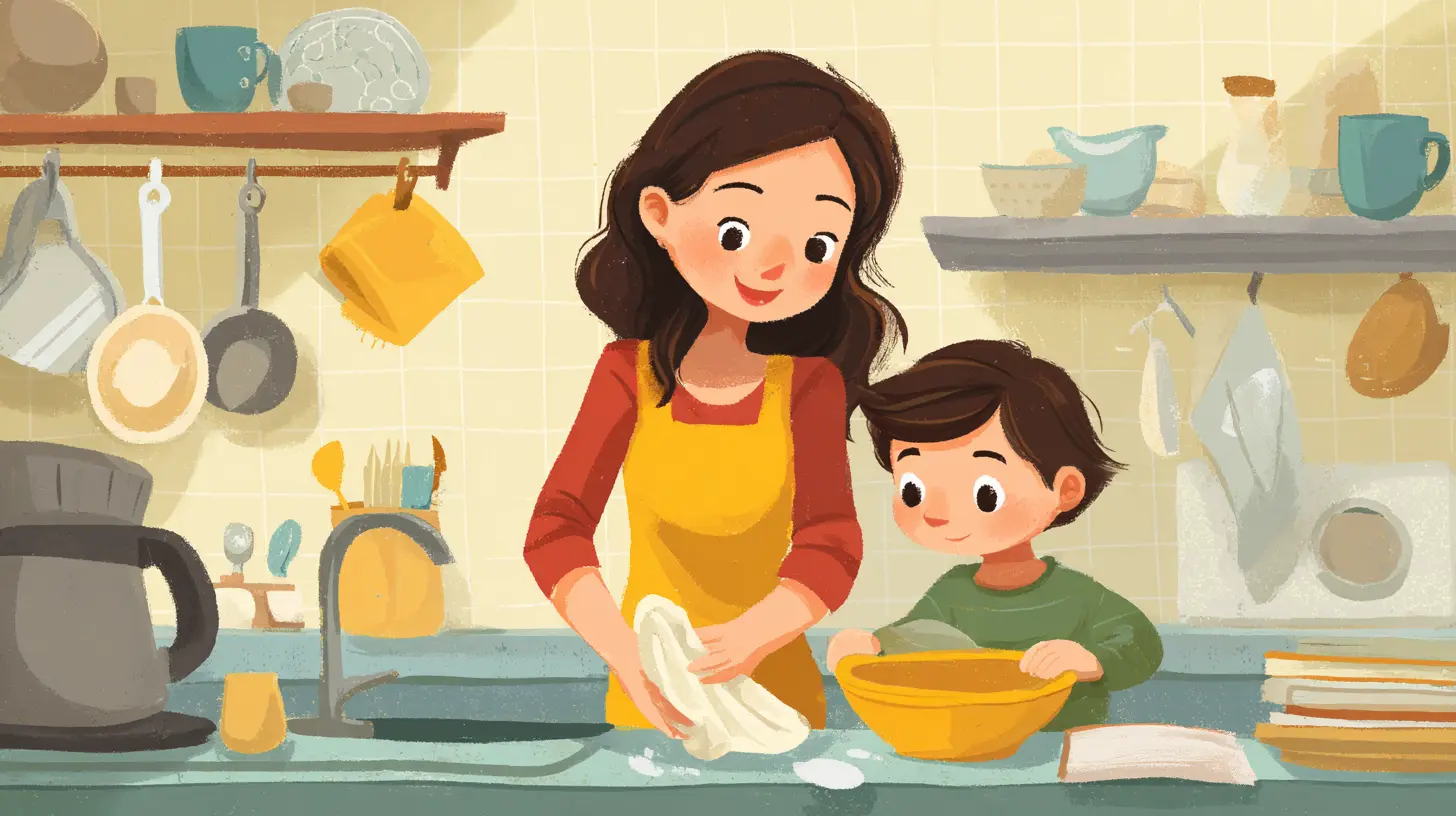
1. Cooking: More Than Just Making a Meal
Cooking is a fundamental life skill, and the earlier kids get involved, the better. Not only does it teach them how to prepare food, but it also covers math, science, and even time management.How to Get Kids Involved in Cooking
- Toddlers can help rinse vegetables or mix ingredients.- Elementary-age kids can measure ingredients and learn basic recipes.
- Teenagers should be encouraged to cook full meals independently.
Cooking together also provides a great opportunity to discuss nutrition, food safety, and the importance of a balanced diet. Plus, nothing boosts confidence like serving a meal they made themselves!
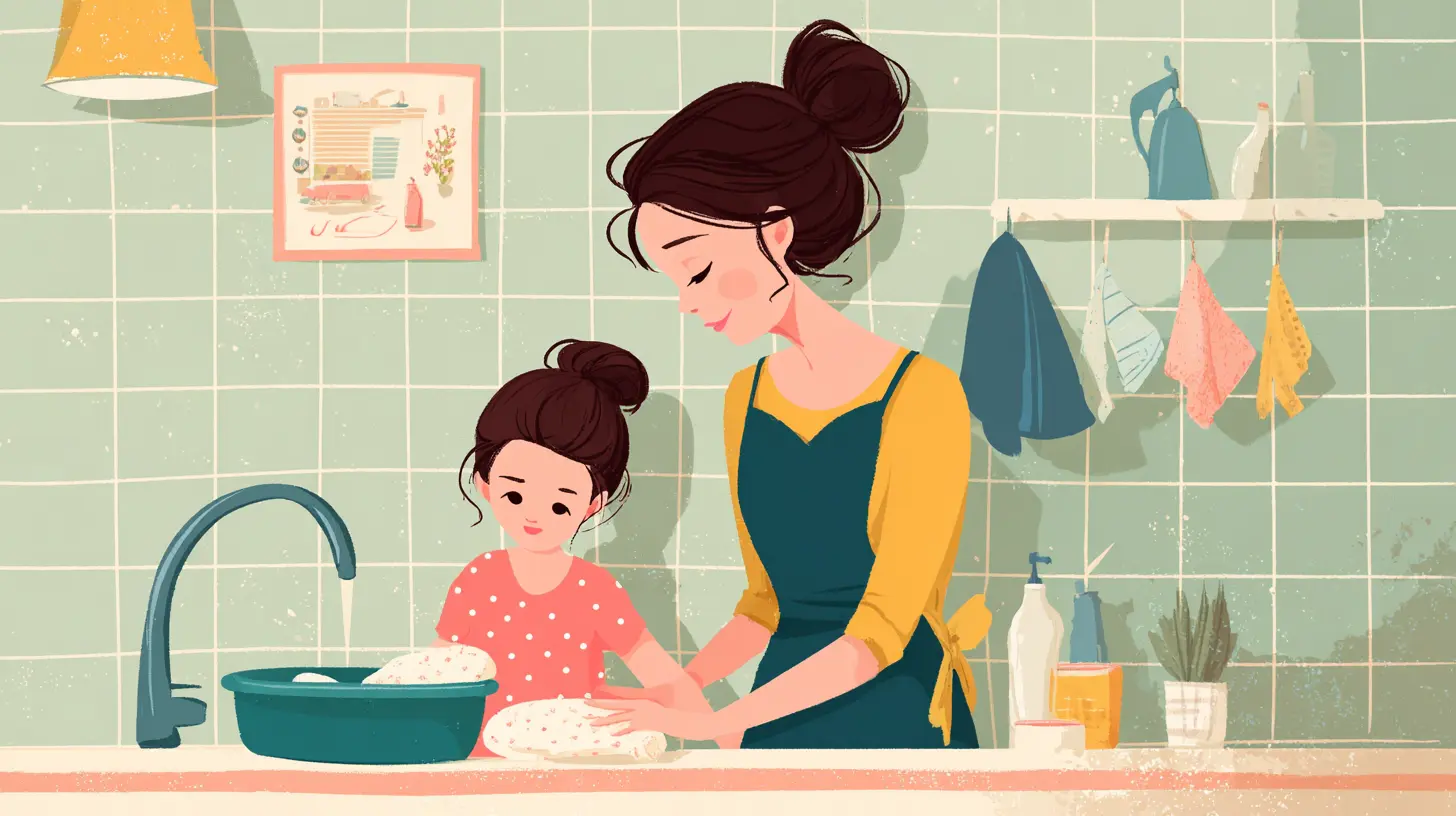
2. Cleaning: Responsibility and Organization
Nobody enjoys cleaning (except maybe Marie Kondo), but it’s a necessary skill. Teaching kids to clean up after themselves fosters responsibility and organizational skills—two traits that will serve them well into adulthood.Simple Ways to Make Cleaning Fun
- Turn cleaning into a game by setting timers and racing to see who finishes first.- Play their favorite music while tackling chores together.
- Use a reward system, like earning points toward a fun family activity.
Assigning age-appropriate tasks teaches kids that everyone contributes to maintaining a clean and tidy home. They’ll also appreciate the sense of accomplishment from a job well done.

3. Money Management: Understanding the Value of a Dollar
Teaching kids about money early on helps them develop good financial habits. You don’t need to wait until they’re old enough for a part-time job—valuable lessons can start right at home.Ways to Teach Money Skills
- Give them a small allowance and encourage saving before spending.- Let them help create a grocery list and stick to a budget at the store.
- Teach them the difference between needs and wants, showing real-life examples.
By involving kids in financial discussions, they’ll start understanding money’s real value and develop smart spending habits.
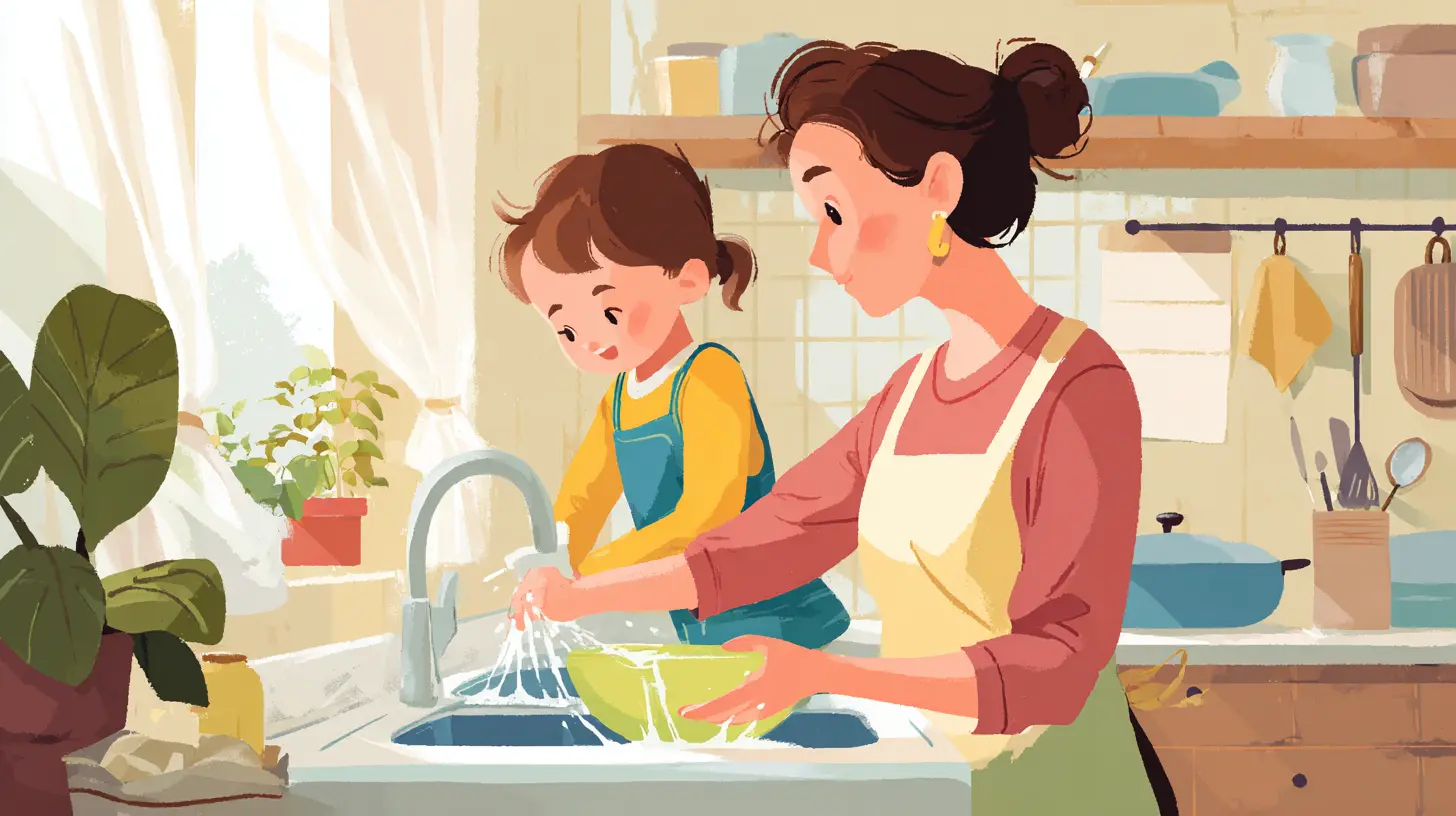
4. Laundry: A Basic Skill Every Child Should Know
How many college students head off to school without knowing how to do laundry? Too many! Teaching kids how to wash, dry, and fold clothes is a basic but essential life skill.Breaking Down the Laundry Process
- Toddlers can help sort clothes by color.- Young kids can learn to load the washer and measure detergent.
- Pre-teens and teens should do their laundry from start to finish.
Once they master laundry at home, they’ll never have to rely on someone else to do it for them in the future.
5. Time Management: Balancing Responsibilities
Time management is a skill that benefits people of all ages. Whether it’s juggling schoolwork, chores, or extracurricular activities, kids need to learn how to manage their time effectively.How to Teach Time Management
- Use a visual timer to help young kids understand time limits.- Encourage older kids to use planners or calendars for school and activities.
- Set routines to instill a sense of structure and accountability.
When kids understand how to balance their time, they’re less likely to feel overwhelmed and more likely to develop productive habits.
6. Grocery Shopping: Smart Decision-Making in Action
Supermarket shopping is more than just filling a cart—it’s a real-life lesson in budgeting, decision-making, and planning. Instead of rushing through it, use this time to teach valuable skills.How Shopping Teaches Life Lessons
- Have kids help compare prices and brands to find the best deal.- Teach them how to read nutrition labels and make healthier choices.
- Give them a small shopping list and budget to manage on their own.
These small exercises teach kids the importance of financial responsibility and healthy decision-making.
7. Basic Home Maintenance: DIY Problem Solving
Knowing how to change a lightbulb, fix a leaky faucet, or use basic tools are skills everyone should have. Teaching kids simple home maintenance tasks builds confidence and independence.Easy Home Tasks to Teach
- Show them how to use a screwdriver, hammer, and pliers.- Teach them to reset a tripped circuit breaker.
- Involve them in replacing air filters or unclogging drains.
Learning these small but important tasks early prevents them from feeling helpless when they face minor household problems as adults.
8. Self-Care: Building Healthy Habits
Beyond personal hygiene, self-care involves mental and emotional well-being. Teaching kids the importance of taking care of themselves sets them up for a balanced and healthy life.Ways to Encourage Self-Care
- Establish bedtime routines for better sleep habits.- Teach mindfulness and stress-relief techniques, like deep breathing.
- Encourage them to express emotions through talking or journaling.
When kids learn the value of self-care early on, they’ll grow into adults who prioritize their mental and physical well-being.
9. Decision-Making: Learning to Think Critically
Everyday decisions—big or small—help kids develop strong critical-thinking skills. Letting them make choices and experience consequences (within reason) helps them become confident decision-makers.Ways to Encourage Good Decision-Making
- Give them choices, like picking an outfit or planning a weekend activity.- Talk about potential consequences of different decisions.
- Allow them to problem-solve minor challenges on their own.
The more opportunities kids have to make decisions, the more prepared they’ll be to handle bigger choices later in life.
10. Communication and Social Skills: The Key to Success
Strong communication skills are essential for personal and professional growth. Everyday situations at home provide countless opportunities for kids to practice expressing themselves, listening, and resolving conflicts.How to Build Strong Communication Skills
- Encourage family conversations during meals.- Teach active listening—have them repeat back what they heard.
- Role-play social scenarios, like ordering food or making introductions.
By fostering open communication at home, kids learn how to express themselves confidently and respectfully.
Final Thoughts
Teaching life skills doesn’t require a special curriculum—it’s all about integrating them into everyday life. Whether it’s cooking a meal, washing laundry, or managing time, these small lessons add up to a big difference. The goal isn’t just to help kids survive adulthood but to thrive in it.So next time your child asks to help with dinner or sort the laundry, embrace the opportunity. You’re not just completing a chore—you’re preparing them for life.
all images in this post were generated using AI tools
Category:
Stay At Home MomsAuthor:

Maya Underwood
Discussion
rate this article
2 comments
Meagan McNair
Teaching life skills through everyday tasks not only empowers children but also builds their confidence and independence. Simple activities like cooking or cleaning transform routines into valuable lessons. These moments foster responsibility and creativity, preparing kids for future challenges in a supportive environment.
May 31, 2026 at 4:33 PM
Maya Underwood
Absolutely! Everyday tasks offer practical lessons that shape children's confidence and independence. Cooking and cleaning not only teach responsibility but also spark creativity, equipping kids for future challenges. It's all about turning routines into valuable experiences.
Beatrice McTier
Everyday tasks truly shape our children's future.
May 8, 2026 at 3:16 AM
Maya Underwood
Absolutely! Everyday tasks not only teach responsibility but also help kids build confidence and essential skills for their future.