Teaching Kids the Importance of Prioritizing Tasks
2 August 2026
Let’s face it—life gets busy. Between school, extracurricular activities, family time, and just being a kid, children have a lot going on. And while adults often struggle with time management and knowing what to tackle first, kids aren’t born with that skill set either. That’s why teaching them the importance of prioritizing tasks early on is one of the best life lessons you can give.
Prioritizing isn’t just a fancy adult word. It’s basically learning how to organize your day so you don’t end up rushing through homework at bedtime or forgetting to study for a big spelling test. So, how can we help our little ones grasp this concept? Grab a cup of coffee, and let’s dive into this parenting adventure together.
Why Prioritizing Tasks Matters for Kids
Before we teach it, we’ve got to understand why it truly matters. Think of task prioritization like building a house. You can’t start with the roof—you’ve got to lay the foundation first. When kids learn how to identify what’s important and what can wait (or even be skipped), they build habits that set them up for a balanced and productive life.Benefits include:
- Better time management (less last-minute chaos)
- Reduced stress and anxiety
- Stronger decision-making skills
- Increased confidence and independence
- Improved academic performance
Plus, these are the same skills they'll need as adults. We’re not just raising children; we’re raising future successful, balanced, happy adults.
When Should You Start Teaching Task Prioritization?
You might be wondering, “Isn’t this a little too grown-up for my 6-year-old?” Not at all! In fact, the earlier the better. Young kids can grasp simple prioritization tasks like brushing their teeth before watching cartoons or finishing homework before playtime.As your child grows, you can increase the complexity of these lessons. The goal isn’t to hand them a planner and schedule every minute of their day—it’s more about teaching them how to think about what needs to be done and when.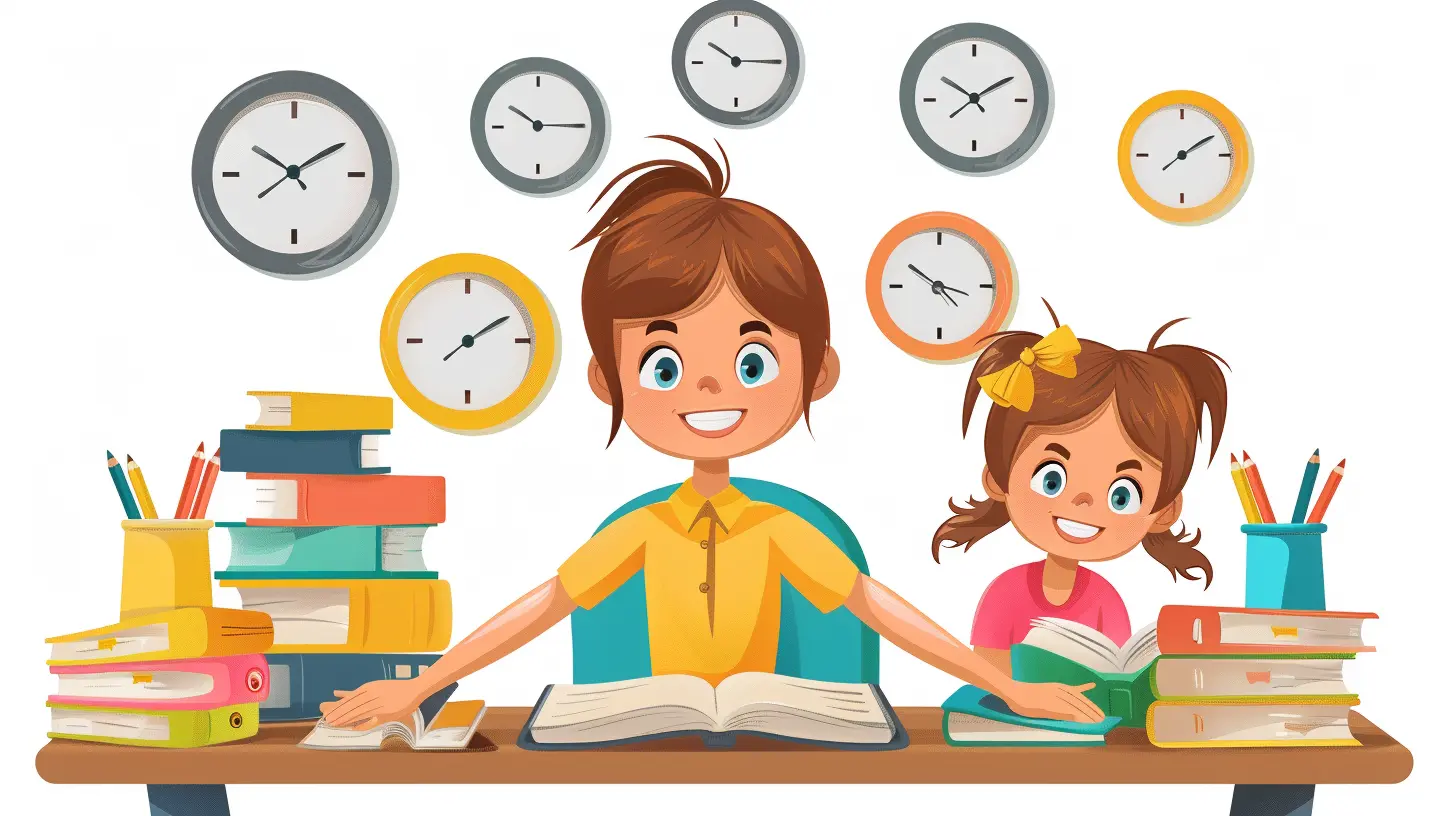
Step-by-Step: How to Teach Kids to Prioritize Tasks
Ready to get practical? Let’s break it down into bite-sized steps that even the busiest families can follow.1. Make a To-Do List Together
Start with the basics. Sit down with your child and write out all the things they need to do for the day or week.Example:
- Math homework
- Walk the dog
- Soccer practice
- Clean room
- Watch a favorite show
Doing this together helps them understand what’s ahead and gives them a sense of control and clarity.
2. Categorize Tasks: Must-Do vs. Want-to-Do
Once you have that list, help your child separate what’s necessary from what’s optional.Must-Do Tasks are things with deadlines or responsibilities, like homework or chores.
Want-to-Do Tasks are fun things like watching TV or playing games.
Use two different colors or columns. Kids love visual stuff—it makes abstract ideas more tangible.
3. Use the “Big Rocks” Analogy
Here comes a fun metaphor: Imagine a jar. If you fill it with sand first (small, fun stuff), there’ll be no room for the big rocks (important tasks). But if you put the rocks in first, the sand will slip into the spaces around them.Your child’s day is that jar. Prioritize the big rocks first, and you’ll still find time for the sand.
4. Rank Tasks by Importance and Deadline
Help your child look at which tasks are both important and urgent. These go to the top of the list.Try ranking tasks with numbers (1 for top priority, 2 for medium, 3 for low). It’s a simple but effective way for kids to “see” what matters most.
5. Create a Visual Schedule
Whiteboards, charts, or even apps designed for kids can be fun and helpful here.Let them take ownership by drawing or placing stickers next to completed tasks. There's something so satisfying about ticking things off a list—even for adults, right?
6. Teach Time Estimation
This is a skill that helps kids know how long things actually take (spoiler alert: way longer than they think).Do a little challenge with your child:
> “How long do you think it takes you to get ready for school?”
> “Let’s time it and find out!”
Once they know what eats up time, they’ll have an easier time organizing their day realistically.
7. Encourage Daily Planning Time
Set aside 5-10 minutes each day for checking in and planning. Maybe it’s after breakfast or before bed—whatever works for your routine.Use this time to:
- Review what needs to happen tomorrow
- Celebrate completed tasks
- Adjust priorities if needed
Common Challenges (and How to Tackle Them)
Let’s keep it real: kids won't always nail it on the first try. They may resist or get overwhelmed. Totally normal.Here’s how to keep things on track:
They Say, “I Don’t Know What’s Important!”
Use guiding questions:- “What happens if you don’t do this today?”
- “Is someone counting on you to finish this?”
- “Can it wait, or is there a deadline?”
This helps them think critically instead of just guessing.
They Get Distracted Easily
Let’s be honest—who doesn’t? Use timers, break tasks into chunks, or try the “Pomodoro method” (25 minutes focus, 5 minutes break). Keep it playful!They Want to Do Only the Fun Stuff
Totally normal! Use incentives—”Once you finish your homework, then you can watch a show.” It’s not bribing; it’s teaching consequence and reward.Make It a Family Thing
Kids model what they see. If you're constantly overwhelmed or putting things off, they’ll learn to do the same.So, try prioritizing in front of them. Say things like:
> “I really want to scroll on my phone right now, but I need to finish making dinner first.”
Letting them see your thought process is powerful. It normalizes prioritizing and shows them it's something even grown-ups have to work at.
Tools and Resources for Helping Kids Prioritize
Sure, your love and guidance are the best tools—but a little help doesn’t hurt! Try these:Apps:
- BusyKid – Great for chore management and rewards- Time Timer – Helps visualize allocated time
- ClassDojo – Encourages positive behavior and task tracking
Books:
- What Do You Do With a Problem? by Kobi Yamada- The 7 Habits of Happy Kids by Sean Covey
Visual Aids:
- Weekly planners or whiteboards- Custom stickers for completed tasks
- “Priority Jar” with rocks and sand for a hands-on lesson
Reinforce Through Praise and Patience
Learning to prioritize isn’t a one-and-done deal. It’s something they’ll hone over time. So when your child successfully organizes their tasks or chooses math homework over Minecraft—celebrate it!Use praise like:
- “I noticed you got your chores done before playing—great job choosing what to do first!”
- “You must feel pretty proud finishing that project early.”
These little affirmations can fuel their internal motivation and reinforce the behavior.
Final Thoughts
Teaching kids the importance of prioritizing tasks doesn’t have to feel like a military operation. It’s about guiding, modeling, and creating mini win-after-win moments. As they grow, these skills will help them handle schoolwork, relationships, and eventually careers with confidence instead of chaos.Just remember: It’s okay if they mess up. It’s okay if they need reminders. You’re planting seeds that will grow stronger with time and consistency.
After all, juggling responsibilities isn't just an adult thing—it’s a life thing. And with your help, your child will be ready for it.
all images in this post were generated using AI tools
Category:
Life Skills For KidsAuthor:

Maya Underwood
Discussion
rate this article
1 comments
Carly Bailey
This article beautifully captures how teaching kids to prioritize can set them up for success. It's such a valuable lesson that will serve them well throughout life. Thank you!
August 4, 2026 at 2:36 AM
Maya Underwood
Thank you for your kind words! I'm glad you found it helpful. Prioritizing really does make a difference.