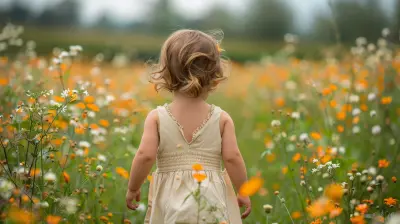
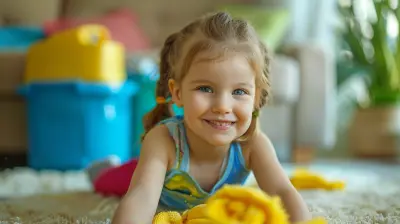
Teaching Empathy to Kids in Their Preschool Years
27 May 2026
Parenting is one of the most rewarding, yet challenging, roles out there. Every day, you’re shaping tiny humans into thoughtful, kind, and confident adults. One of the most important lessons you can teach your child during their formative years is empathy. After all, wouldn't it be wonderful to raise kids who can put themselves in someone else’s shoes and genuinely care about others? The preschool years are the perfect time to start planting those seeds of understanding.
Let’s dive into what empathy is, why it’s important, and how you can teach this valuable skill to your little one in a way that sticks. 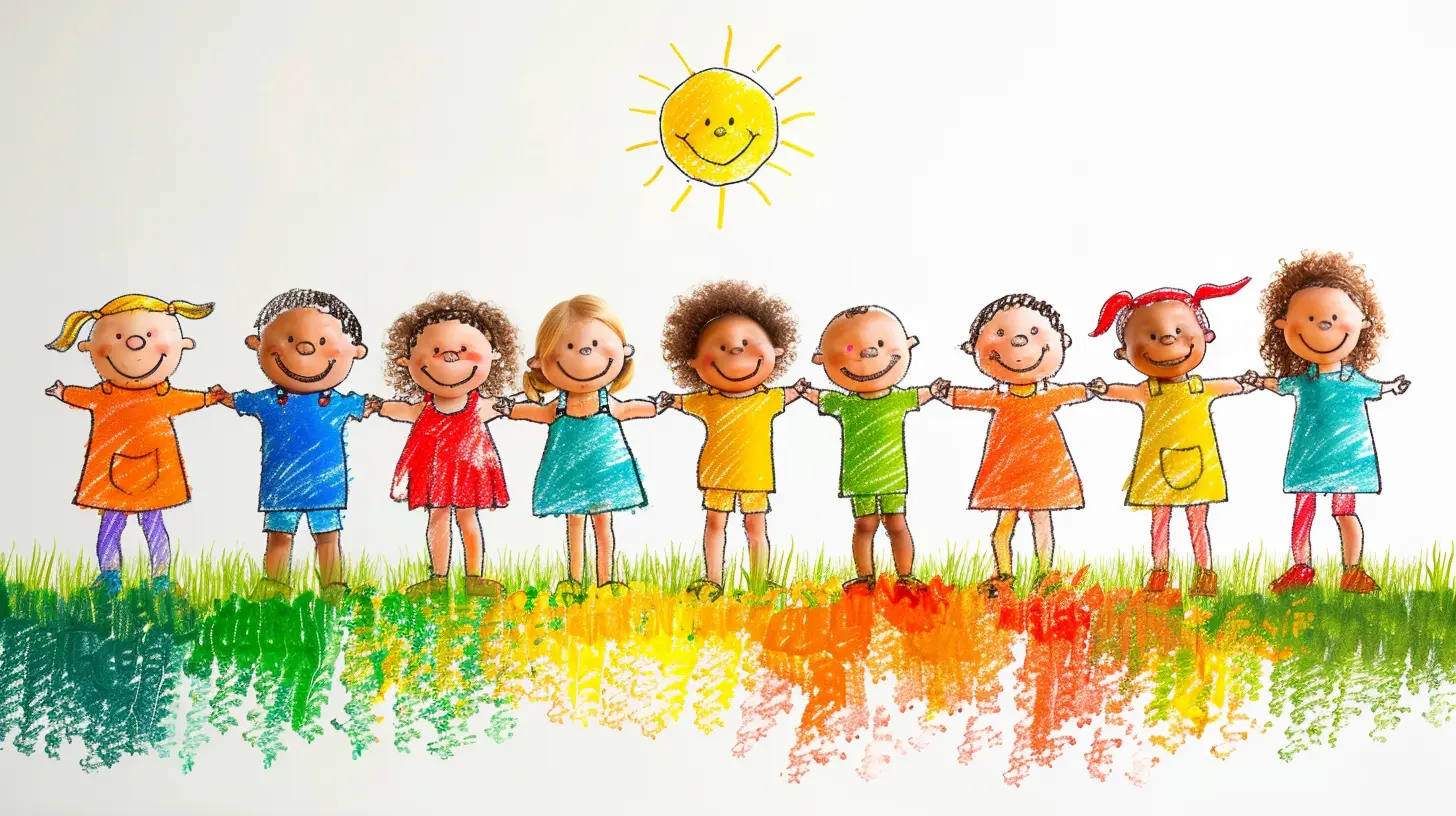
What is Empathy, and Why Does It Matter?
So, what exactly is empathy? In simple terms, it’s the ability to understand and share someone else’s feelings. It’s not just about saying, "Oh, I’m sorry you feel that way," but truly feeling what another person might be going through. For preschoolers, this might look like understanding why a friend is crying after their toy broke or being gentle with a sibling who’s feeling scared.Empathy matters because it’s the foundation of healthy relationships. It’s what helps people connect with one another, resolve conflicts peacefully, and grow into kind, respectful adults. When you teach your child empathy, you're not just preparing them to succeed socially but also setting them up to contribute positively to the world. 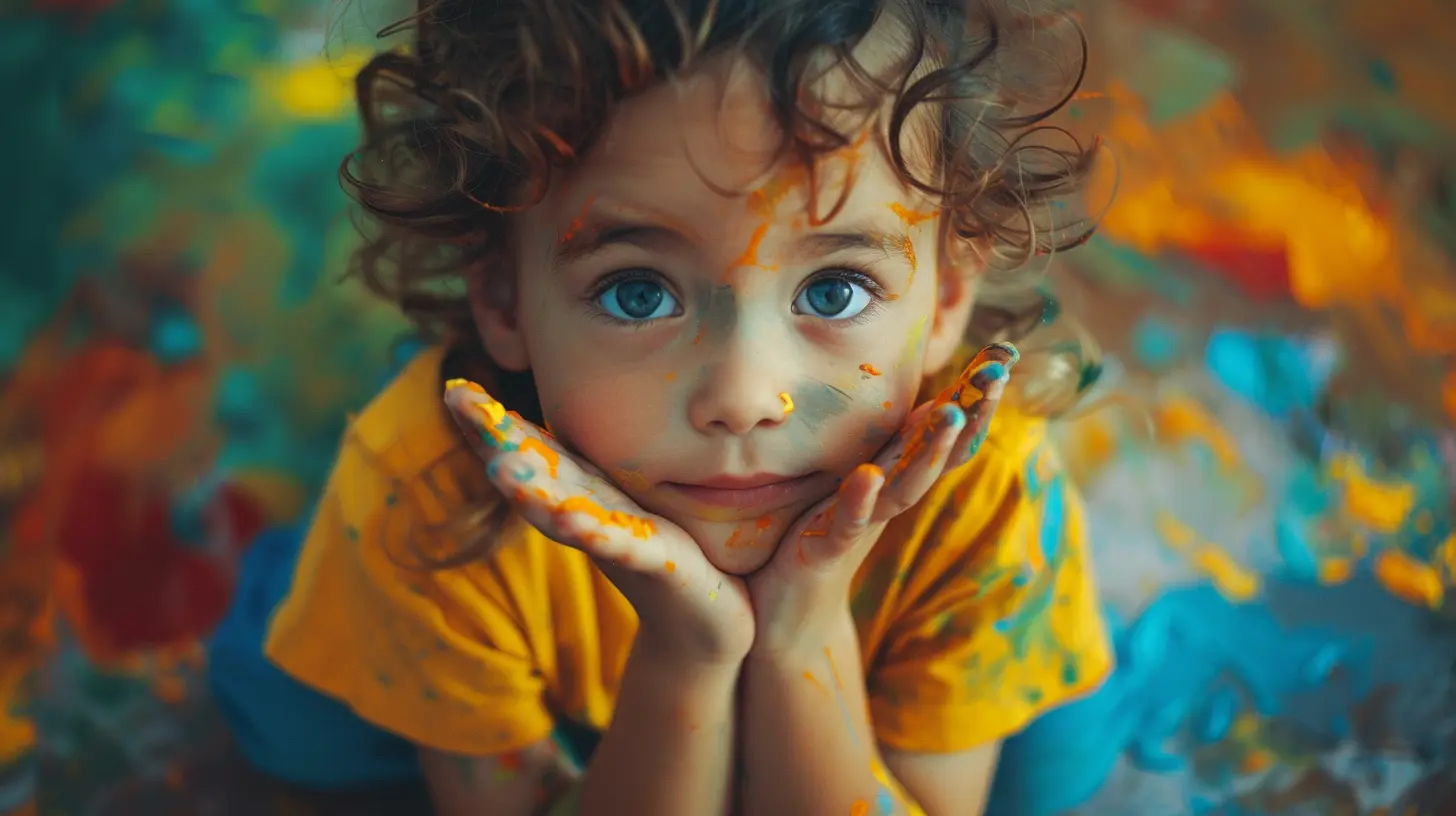
Why Start With Preschoolers?
Sure, you might be thinking, "Wait, my preschooler can barely tie their shoes—how can I teach them something as big as empathy?" But here’s the thing: Preschoolers are naturally curious about emotions. They’re like tiny emotional investigators, constantly observing how people around them act and react.By the time your child is about three or four, they’re starting to notice that others have feelings too. This is prime time to start teaching empathy because they’re already wired to soak up new skills like a sponge. Plus, the earlier they learn empathy, the easier it becomes for them to make it a lifelong habit. 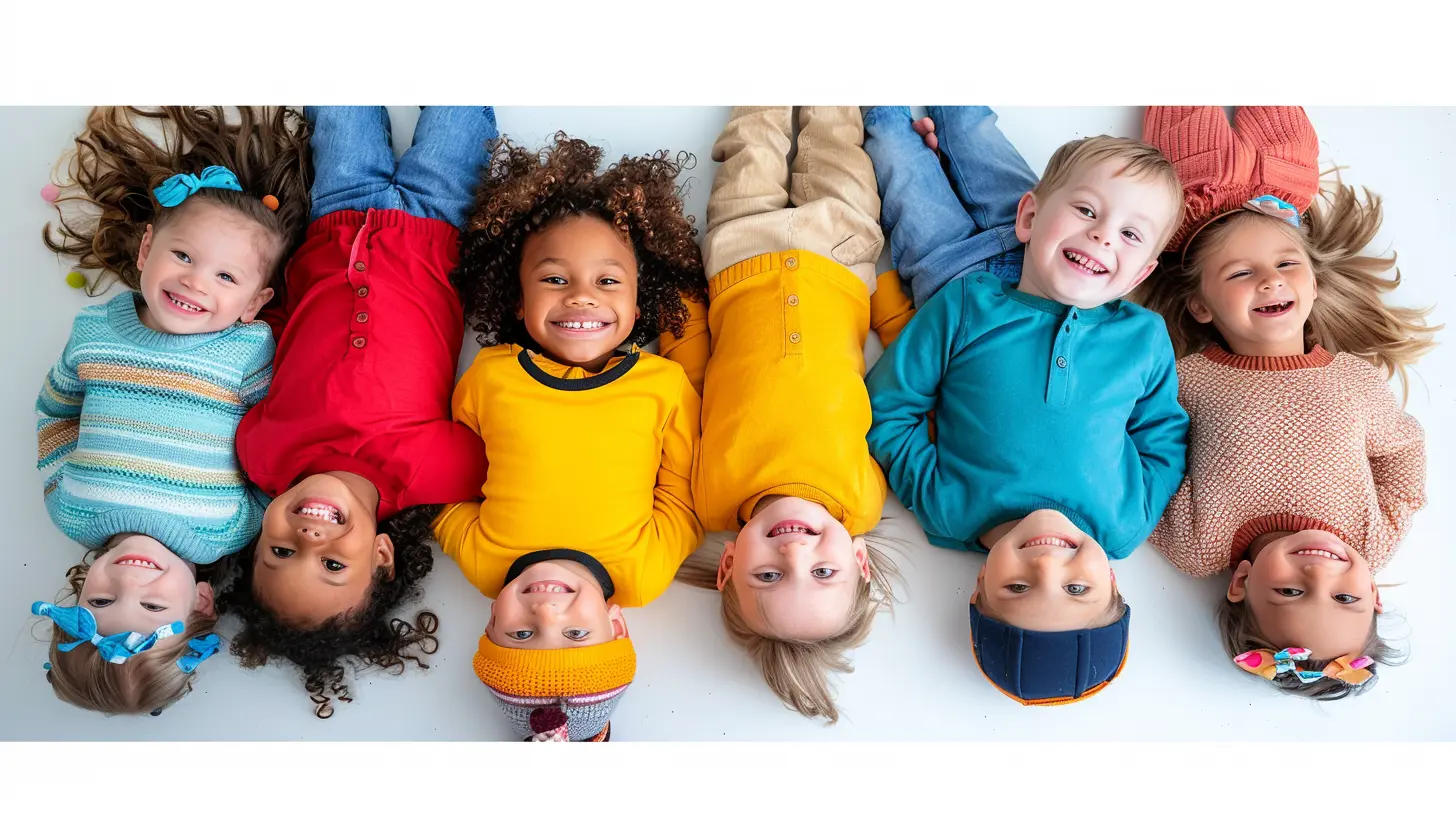
How to Teach Empathy to Preschoolers
Ready to get started? Teaching empathy doesn’t require a textbook, a formal lesson, or a complicated plan. The best way to teach this skill is through everyday moments, small conversations, and leading by example. Here's how you can do it:1. Model Empathy in Your Daily Life
Kids learn by watching us. (Scary, right?!) So, if you want your child to understand empathy, start by showing it in your own actions. When you’re at the grocery store, thank the cashier and make eye contact. If you see someone struggling to carry something, offer to help.And don’t forget to narrate your empathy out loud. For example, say something like, “That guy looks really tired. Let’s step out of his way so he can get through faster.” These little moments show your child what empathy looks like in action.
2. Name Their Feelings (and Others’ Too)
Preschoolers are still trying to figure out what all these emotions inside them mean. By helping them name their feelings, you’re giving them the tools to recognize emotions in others too.The next time your child is upset, try saying, “You look really frustrated right now because your tower fell down. That must feel disappointing.” Over time, they’ll start to build their emotional vocabulary.
You can do the same thing when others are upset. For example, if a friend is crying, you might say, “Your friend is sad because they dropped their ice cream. How do you think we can make them feel better?”
3. Read Stories That Teach Empathy
Books are a fantastic way to teach kids about empathy. When you read a story together, take a moment to pause and ask your child questions like, “How do you think the character feels right now? What would you do if you were in their situation?”Look for books with emotional and relatable themes. Titles like The Invisible Boy by Trudy Ludwig or Have You Filled a Bucket Today? by Carol McCloud can be great starting points.
4. Encourage Role Play
Preschoolers learn best through play, and pretend play is an amazing way to practice empathy. Set up a little pretend scenario—like playing doctor, chef, or even "fix the broken toy store”—and encourage your child to care for others in their role.You might say something like, “Oh no, this teddy bear is sick! How can we help him feel better?” Or, “Your friend’s doll is sad. What can we do to cheer her up?” Role-playing makes learning super fun and hands-on for your little one.
5. Highlight Acts of Kindness
When you notice your child or someone else showing kindness, celebrate it! Kids love recognition.For example, if your child shares their snack with a friend, you might say, “That was so thoughtful of you to share your crackers. Did you notice how happy that made your friend?”
Pointing out these small moments reinforces the behavior and helps your child associate empathy with positive feelings.
6. Teach Perspective-Taking
Okay, here’s where things get a little deeper—but don’t worry, it’s still doable for preschoolers! Try introducing your child to the idea of perspective-taking.You can do this by asking questions like, “How would you feel if someone said that to you?” Or, “What would it be like if you had to wait your turn too?” By imagining what it’s like to be in someone else’s shoes, your child strengthens their understanding of empathy. 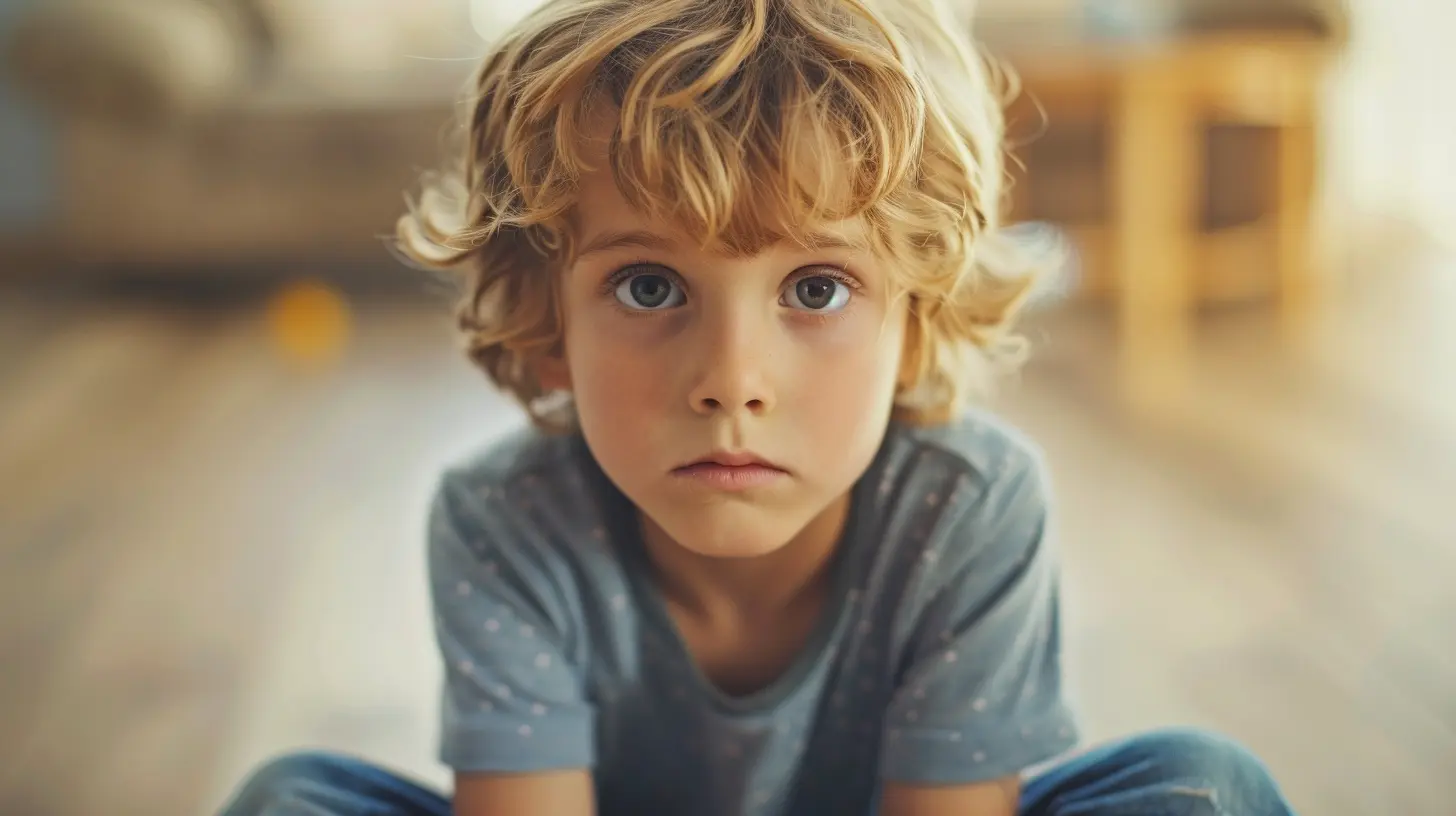
Navigating Challenges When Teaching Empathy
If teaching empathy were easy, we'd all be raising saint-like humans, right? But like any skill, it takes time, patience, and practice.There will be moments when your child refuses to share, doesn’t notice someone is upset, or bursts into a tantrum instead of being understanding. That’s normal. The key is to stay consistent. Keep modeling, guiding, and talking about empathy—especially in those tough moments.
And remember, empathy isn’t about being perfect. It’s about doing our best to understand and help others, even when it’s messy.
The Benefits of Raising Empathetic Kids
When you teach empathy during the preschool years, you’re laying the foundation for some pretty incredible benefits. Empathetic kids are more likely to:- Build stronger friendships (because who doesn’t love a kind friend?)
- Work through conflicts in a healthy way
- Develop better emotional regulation skills
- Become compassionate leaders and problem-solvers
In short, empathy sets them up for a happier, more connected life. And let’s be honest—our world could use a little more kindness, couldn’t it?
Final Thoughts
Teaching empathy to kids in their preschool years isn’t about perfection or grand gestures. It’s about the small, everyday moments where you model kindness, recognize feelings, and encourage perspective-taking.Your preschooler may not fully grasp the concept at first. That’s okay. Just keep showing up, keep modeling, and keep planting those tiny seeds of understanding. Over time, those seeds will grow into something beautiful—not just for your child, but for everyone they touch.
So go ahead, start small, and watch your little one grow into the empathetic, kind-hearted human you’ve always dreamed they’d be.
all images in this post were generated using AI tools
Category:
Parenting PreschoolAuthor:

Maya Underwood
Discussion
rate this article
1 comments
Lena Snyder
Fostering empathy in preschoolers builds their emotional intelligence. Simple activities, like role-playing and sharing, can help them understand feelings and develop compassion for others.
May 29, 2026 at 3:39 AM
Maya Underwood
Absolutely! Simple activities can make a big difference in helping preschoolers connect with their emotions and those of others. It's all about nurturing that understanding early on.