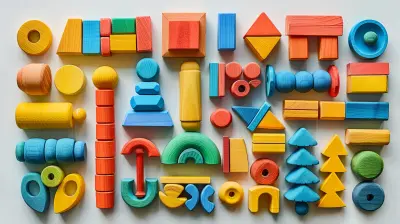
Teaching Kids the Art of Problem-Solving
23 July 2026
Let’s be real—life throws curveballs all the time. Whether it’s a spilled glass of milk, a lost toy, or a disagreement with a sibling, kids face problems daily. But here’s the thing: instead of swooping in like a superhero to fix everything, what if we helped them learn how to handle it themselves?
Teaching kids the art of problem-solving is like giving them a superpower. It’s one of those life skills they’ll carry with them into school, friendships, and eventually, adulthood. But how exactly do you teach it? Let’s break it down into simple, practical steps that actually work.
Why Problem-Solving Skills Matter
Building Independence
When kids learn to solve problems, they stop depending on you for every tiny issue. It’s like handing them a toolkit for life. They won’t always get it right, but that’s okay—trying is the first step.Boosting Confidence
Imagine the look on your child’s face when they figure something out on their own—priceless, right? That moment builds self-esteem that’ll last way longer than the problem they just solved.Improving Decision-Making
Whether it’s choosing the right snack or figuring out how to fix a mistake in homework, problem-solving teaches kids to weigh options and make thoughtful decisions.
When Do Kids Start Learning to Solve Problems?
Honestly? From the moment they start exploring the world. Babies learn through trial and error. Toddlers try all kinds of tactics to get what they want. So really, problem-solving is something they’re wired to do. Our job as parents is to guide that natural curiosity in the right direction.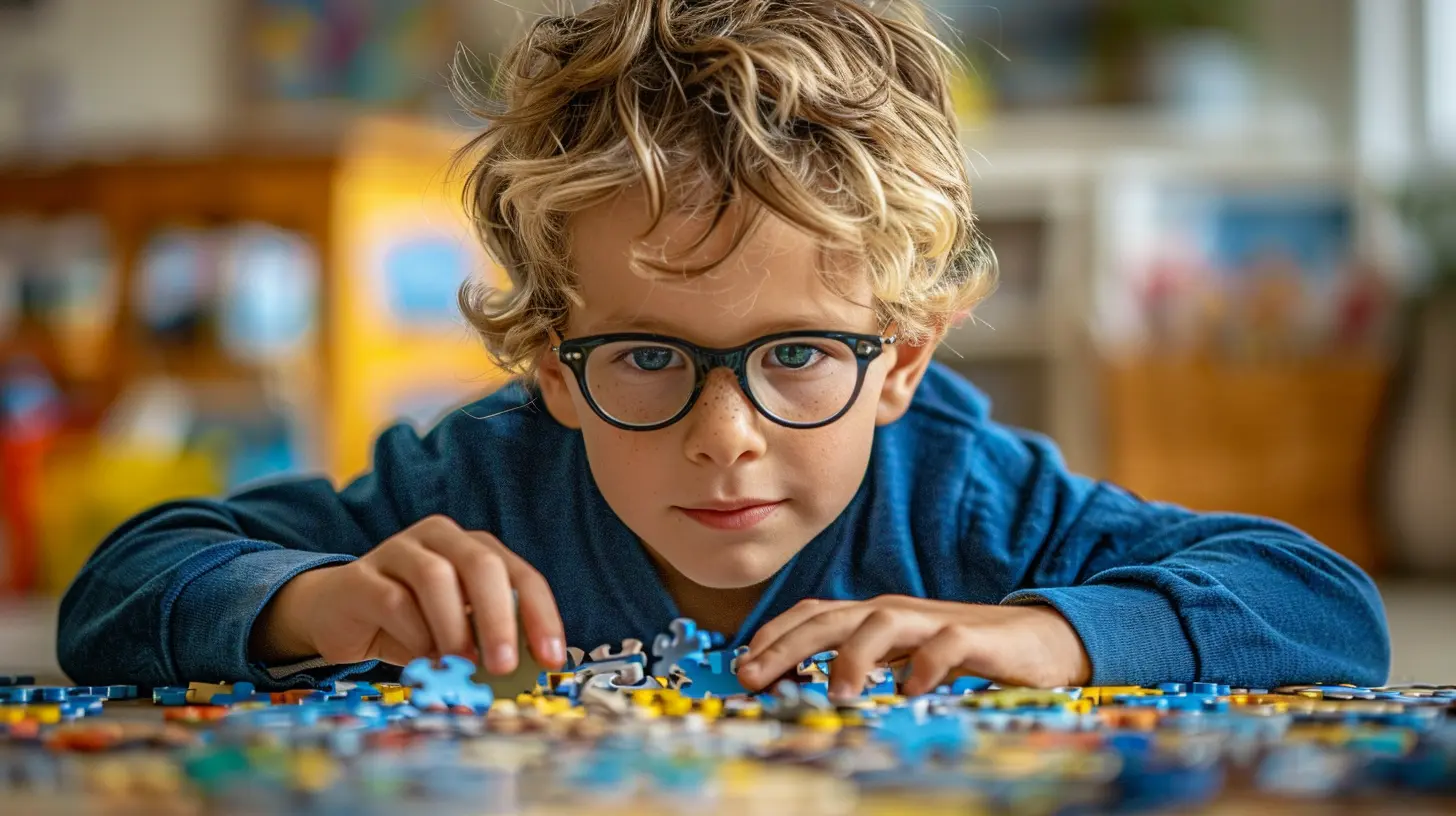
The 5-Step Guide to Teaching Problem-Solving
Alright, let’s get to the good stuff. Here’s a step-by-step strategy you can use at home to help your child become a confident problem-solver.1. Identify the Problem
Step one is all about naming the issue. Ask them, “What’s going on?” or “What happened here?” You’ll be surprised how often kids already know what the problem is—they just don’t know how to say it.Pro Tip: Keep your voice calm and curious. Don’t jump into lecture mode.
2. Understand Feelings
Emotions are half the battle. Help your child label how they feel. Are they mad, sad, or frustrated? Once they know the feeling, they can work with it instead of being overwhelmed by it.Try This: “You seem upset. Is it because your block tower fell down?”
3. Brainstorm Solutions
Now for the fun part! Get them to come up with some possible solutions—any ideas, no matter how silly they sound. This encourages creativity and helps them see there’s more than one way to fix something.Say This: “What do you think we could do about this?”
4. Pick the Best Option
Help them evaluate their ideas: Which ones are safe? Which ones are fair? Which one do they feel good about trying? Let them choose—even if it’s not the one you would’ve picked. The goal is learning, not perfection.5. Try It Out
Let them give it a go. If it works, great! If not? That’s okay too. Go back to the brainstorm step and try another approach. Problem-solving is a skill, not a one-and-done situation.
Everyday Ways to Practice Problem-Solving
You don’t need fancy tools to teach this. Everyday life is full of opportunities.During Playtime
When they’re building Lego towers, navigating board games, or figuring out puzzles, step back a bit. Let them struggle a little—it’s where the magic happens.Chores and Routines
Something simple like deciding how to clean up toys or pack a lunch can become a mini problem-solving session. Ask them what they think is the best way to do it.Sibling Disputes
Fighting over a toy? Instead of stepping in right away, guide them to talk it out. Help them come up with a compromise.Homework Challenges
If they’re stuck on a math problem, resist the urge to give them the answer. Ask guiding questions instead: “What have you tried?” or “What else could you do?”Making Problem-Solving Fun
Let’s be honest—no kid wants to sit through a life lecture. So keep it playful!Use Stories
Read books where characters solve problems. Ask your child, “What would you have done if you were them?”Play “What If” Games
“What if your backpack breaks at school?” or “What if your friend doesn’t want to play the same game?” Talk through wild and silly scenarios—it builds quick thinking.Role Play
Act out situations with toys or take turns pretending. Let them “teach” you how to solve a problem—it’s a great way to see how much they’ve learned.Encouraging a Growth Mindset
One big piece of the puzzle here is mindset. If a child believes they’re “just bad at something,” they’ll give up fast. But if they know effort leads to improvement, they’re more likely to try again.Say This (instead of praise for being “smart”):
- “You worked really hard on that.”
- “I love how you didn’t give up.”
- “You’re learning new ways to figure things out!”
Mistakes Are Part of the Journey
Let’s get this straight—mistakes are not failures. They’re learning opportunities in disguise. So when your child messes up? Celebrate it.Seriously, say something like:
- “Looks like we found a way that didn’t work—what else can we try?”
- “That was a tough one, but you learned something new."
When kids know it’s okay to fail, they stop fearing challenges. That’s when real growth happens.
Problem-Solving Styles: Every Kid is Different
Not all kids approach problems the same way. Some need time to think, others jump right in. Some are emotionally driven, others are more logical. Your job isn’t to mold them into one style, but to support their style with guidance.Watch for this: Is your child a thinker, a doer, or a feeler? Knowing this helps you tailor your support.
What to Avoid When Teaching Problem-Solving
Let’s be honest—we’ve all slipped into “fix-it-all” mode or accidentally said things that shut kids down. Here’s what to steer clear of:Don’t Solve It For Them
Yes, it’s faster. But what does your child learn? Nothing, except that someone else will always step in.Don’t Dismiss Their Feelings
Even if their problem seems tiny to you, it’s huge to them. Acknowledge it. Empathy goes a long way.Don’t Jump to Criticism
Try not to say things like, “That’s not going to work,” or “Why would you do that?” It kills confidence and creativity.Celebrating Problem-Solving Wins
Every time your child works through a challenge—even a small one—celebrate it. High-five them. Point it out. Add it to a jar of “wins” to read through later. Recognition helps the skill stick.Try This: “Remember when you figured out how to build your tower stronger? That was awesome problem-solving!”
What If My Child Gets Frustrated Easily?
Hey, it happens. Some kids feel so overwhelmed by problems that they shut down or blow up emotionally.What You Can Do:
- Validate their feelings (“Yeah, that IS frustrating!”)- Take a breather together
- Break the problem into smaller bites
- Remind them it’s okay to ask for help—asking is also a problem-solving skill!
The Long-Term Payoffs
Teaching kids how to solve problems is one of the best investments you can make in their future. They’ll grow up more adaptable, more confident, and more ready to handle the ups and downs of life. And honestly? Isn’t that what we all want for our kids?So next time your child hits a bump in the road, don’t rush to pave it over. Stand beside them, hand them the tools, and say, “Let’s figure this out together.” Because that’s how problem-solvers are born.
Final Thoughts
Problem-solving isn’t just for schoolwork or puzzles. It’s a real-life superpower that helps kids manage emotions, build relationships, and tackle challenges with confidence. And the best part? It’s something you can nurture every single day, right in your own home.So go ahead—start today. Look for those little moments that matter. The ones where you could jump in, but instead, you pause and guide. That’s the sweet spot where your child learns to think, reason, and trust in themselves.
And trust me, it’ll pay off big time.
all images in this post were generated using AI tools
Category:
Life Skills For KidsAuthor:

Maya Underwood
Discussion
rate this article
1 comments
Zanthe McCord
Empower them to think critically; life's puzzles sharpen their minds for tomorrow.
July 24, 2026 at 2:20 PM
Maya Underwood
I completely agree. Encouraging critical thinking is essential for their growth and future challenges.