Sunday Dinner: A Family Tradition That Can Bring Generations Together
4 June 2026
Ah, Sunday dinner. Just saying it kind of warms your heart, doesn’t it? It’s more than just a meal — it’s a feeling, a rhythm, a sacred pause in the whirlwind of life. For many families, it’s the one consistent moment where everyone gathers, not because they have to, but because they want to. So, what makes this age-old tradition so special? And why does it still matter in a world buzzing with screens, schedules, and never-ending notifications?
Let’s dive into why Sunday dinner isn’t just a plate of food on the table — it’s a recipe for stronger families, deeper connections, and lasting memories.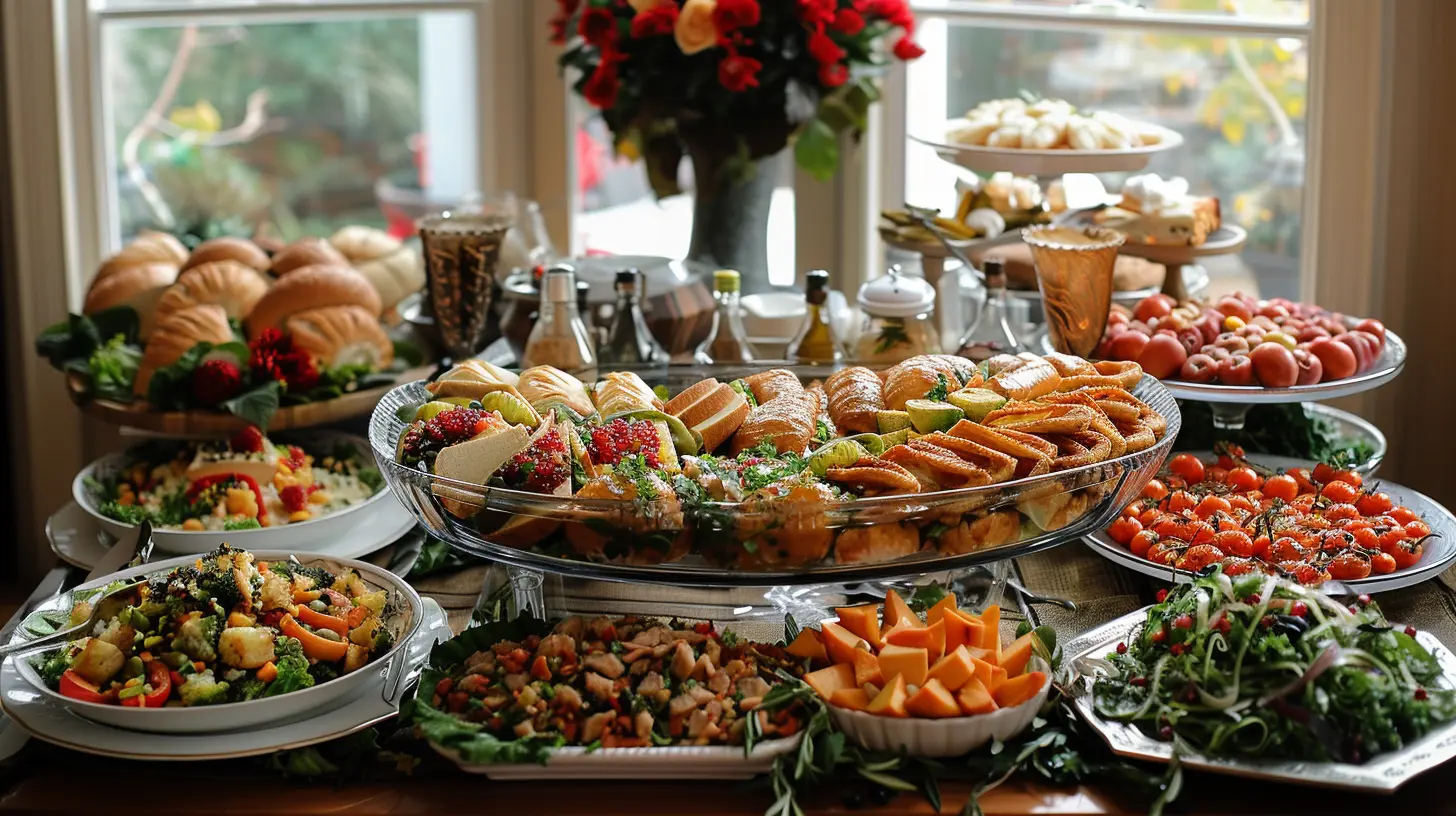
The Heartbeat of the Week: Why Sunday?
Think about it. Sunday is perfectly placed. It’s the calm before the storm. The day before the workweek starts again. A chance to reset. That’s why it’s ideal for a family dinner. No rushing. No meetings. No soccer practice. Just time.Unlike weekday meals that often get scarfed down between obligations, Sunday dinner invites us to slow down. It’s purposeful. Intentional. And in today’s fast-paced world, that kind of time is golden.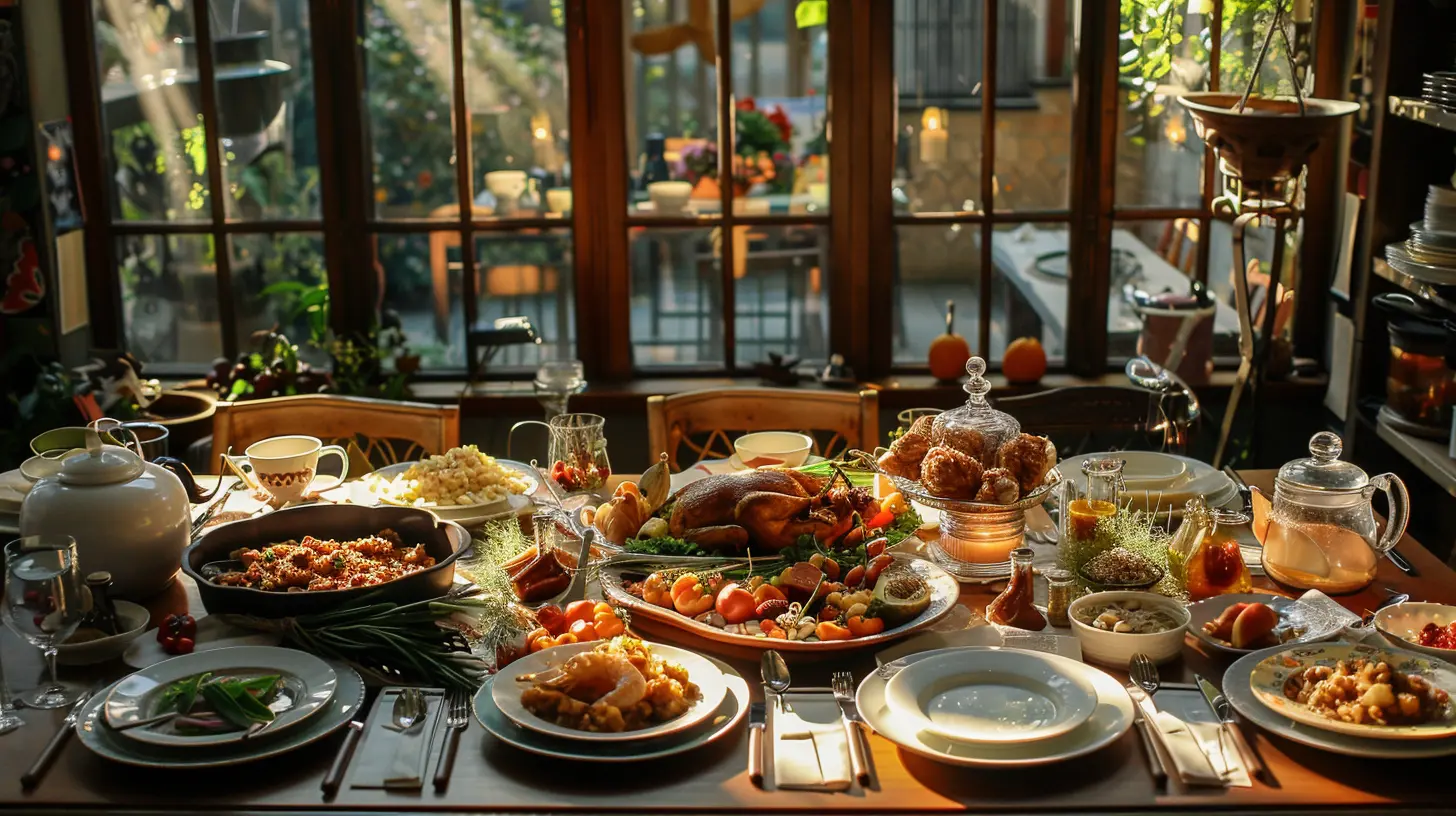
A Tradition Rooted in History
Sunday dinners aren’t anything new. For generations, families across cultures have used this day to come together. In the 1950s, it was roast beef and mashed potatoes. Go back further, and it could be an elaborate multi-course meal in an Italian or Greek household. For others, it might have been a potluck-style feast with cousins, grandparents, and distant relatives.The common thread? Togetherness.
This tradition has survived wars, recessions, and even the age of TikTok — because people crave connection. And what better way to connect than over delicious food?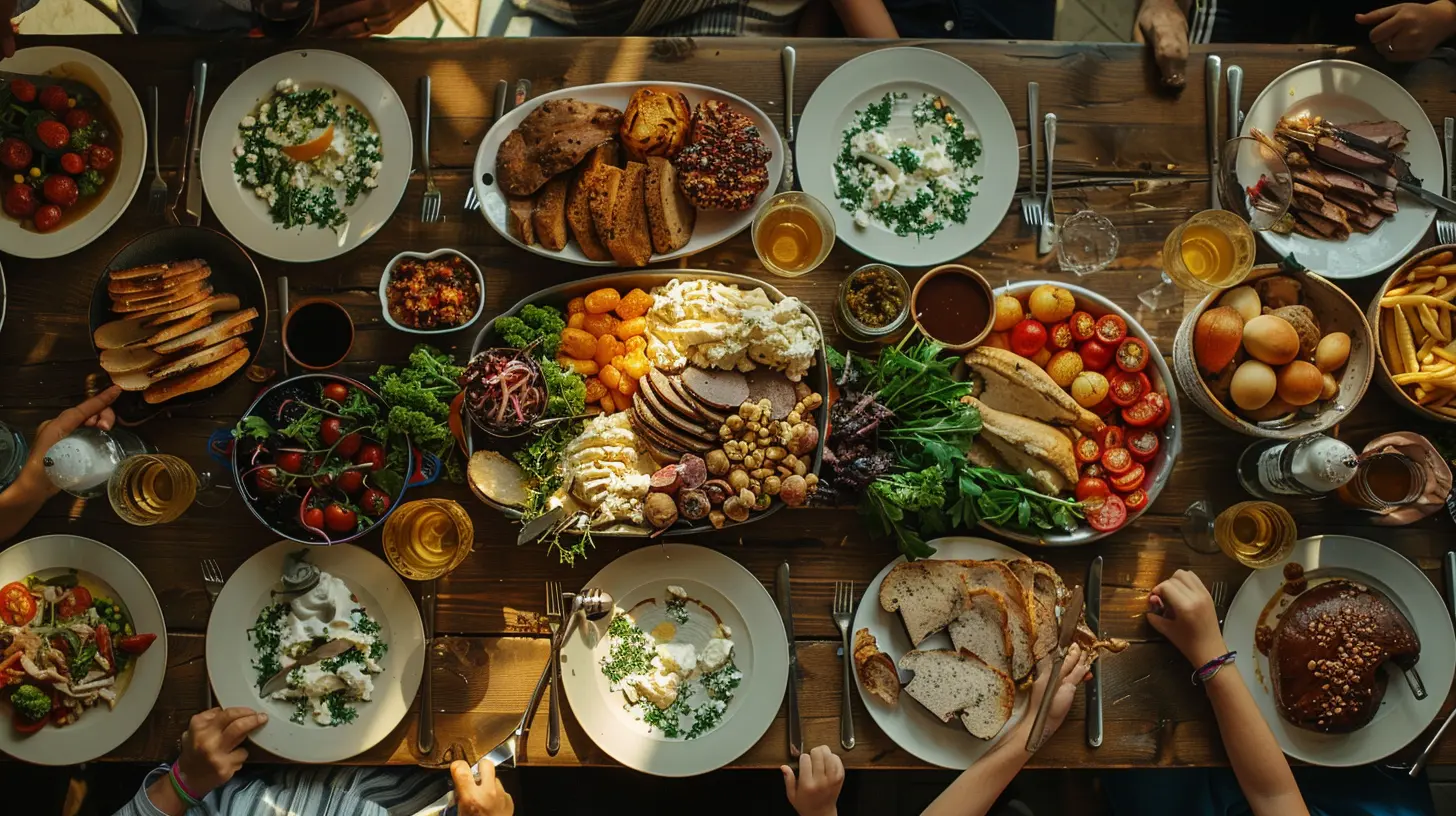
Food: The Universal Love Language
Let’s be honest. Food brings people together like nothing else can. The smell of something baking, a pot simmering on the stove, the clinking of cutlery… it’s oddly comforting. It speaks to our souls.During Sunday dinner, food becomes more than sustenance — it’s a conversation starter, a bridge between generations. Grandma passes down her famous meatloaf recipe. Dad might share a story about how he burned the turkey that one time. Kids learn how to make mashed potatoes from scratch. It’s a sensory way of preserving culture, memories, and family identity.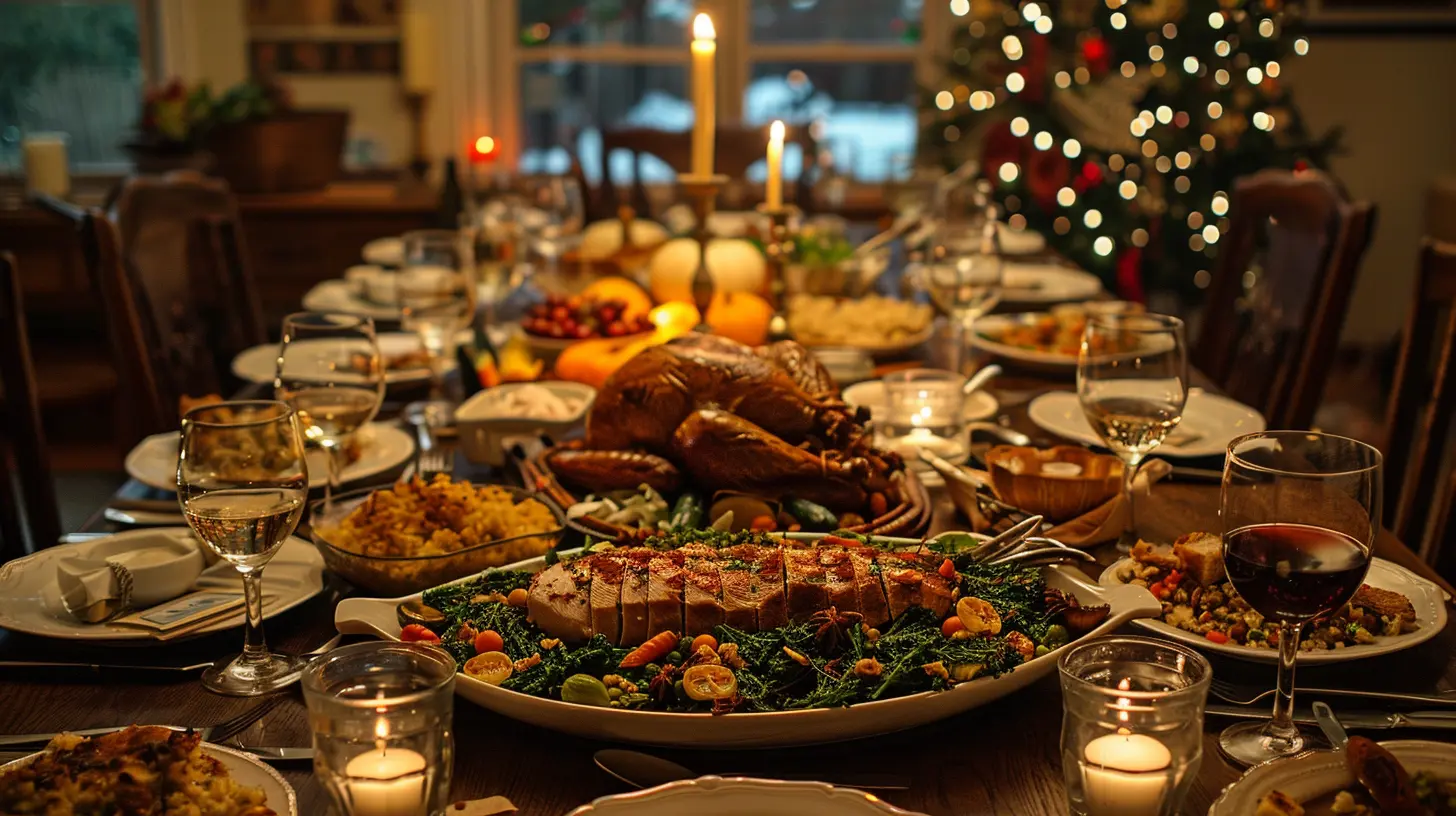
Breaking Bread and Building Bonds
When was the last time everyone sat at the table — no phones, no distractions — and just talked?Sunday dinner gives families that opportunity. It’s a built-in catch-up session. A place where big announcements are made (remember when your cousin told everyone she was expecting?) or where laughter erupts over a shared memory. It’s where kids feel safe, heard, and included.
These dinners become the backdrop for bonding that happens organically. You can’t force connection, but you can nurture it — and Sunday dinner does just that.
Raising Kids With Roots
Let’s talk about the little ones. Kids thrive on routine. Having a consistent family tradition like Sunday dinner teaches them more than table manners. It gives them a sense of belonging. Stability. Identity.Think about it — in a world that changes constantly, what if your child could look forward to one thing that never wavers?
Sunday dinners help children learn to communicate, listen, and engage with people of all ages. It's subtle, but powerful. While they’re munching on mac & cheese, they're also soaking up family values, learning empathy, and realizing they're part of something bigger than themselves.
Generational Wisdom on the Side
You know what's better than grandma’s homemade apple pie? Grandma’s stories while she’s making it.Sunday dinners are the perfect time for multi-generational storytelling. It's where grandchildren learn about “back in the day,” and elders get to stay relevant in the lives of the younger ones. That’s how family history gets passed on — not through textbooks, but through conversation.
Got teens that tune out? Encourage grandma or grandpa to share a wild story from their youth. Trust me, nothing gets their attention like hearing grandpa got in trouble as a kid too.
It Doesn’t Have to Be Fancy
Now, before you roll your eyes and think, “Who has time to roast a chicken every Sunday?” — relax. Sunday dinner isn’t about going full Martha Stewart. It can be takeout pizza around the coffee table. Chili and cornbread. Pancakes in pajamas.The point isn’t what you eat — it’s who you eat with.
In fact, the more relaxed you make it, the more likely it is to stick. Let go of perfection. Focus on connection.
Making It Work in Your Life
We get it. Life is hectic. Between work, school, and sports, even Sundays can feel rushed. But here’s the thing — you can make space for a tradition that matters. Start small.Here are a few tips:
1. Put it on the calendar
Treat it like an appointment you can’t miss. Invite family members, even extended ones. Make it a big deal. People like to feel included and expected.2. Get everyone involved
Make it a team effort. Kids can help set the table or pick the menu. Spouses can cook together or plan the meal. Treat it like a group project with delicious results.3. Unplug at the table
Make the dinner table a screen-free zone. It’ll feel weird at first — but give it time. You’ll find people talk more when they’re not distracted.4. Keep it simple
Don’t stress about cooking a gourmet meal. Keep it chill. Sometimes grilled cheese and soup taste better because you made it together.The Ripple Effect
You know what’s beautiful about Sunday dinner? The impact doesn’t stop at the table. It carries into the week. Kids go to school more grounded. Parents feel more connected. Grandparents feel appreciated. It sets a tone of unity.And here's the kicker: when children grow up with this rhythm in their lives, they often carry it forward. They start Sunday dinners in their own homes. They call you to get that lasagna recipe. They invite you over. The tradition grows roots and branches — just like a family tree.
It's Not Just a Meal — It’s a Memory Factory
Think back — some of your warmest memories probably involve food and family, right? The way mom used to always burn the rolls. That one time dad dropped the turkey. The laughter, the chaos, the love.Sunday dinner isn’t about creating Pinterest-perfect moments. It’s about embracing the messy, beautiful imperfection of family life. It's about showing up, week after week, saying, "Hey, I care enough to sit with you."
That kind of consistency adds up over time. It becomes tradition — and tradition becomes legacy.
Final Thoughts: Start Where You Are
Maybe your family’s never done Sunday dinners — and that's okay. It’s never too late to start this meaningful habit. It doesn’t have to be big or loud or even weekly. What matters is the intention behind it.Even one Sunday a month can make a difference. Try it out. Light a few candles. Serve up comfort food. Invite stories. Laugh. Connect.
Because in the end, we won’t remember every errand we ran, every email we answered, or every chore we checked off. But we will remember the people we broke bread with. The warmth we shared around the table. The love that simmered — like a pot of stew — every single Sunday.
all images in this post were generated using AI tools
Category:
Family TraditionsAuthor:

Maya Underwood
Discussion
rate this article
1 comments
Rylan Whitaker
Sunday dinners truly create lasting memories. It's a special time to connect with family, share stories, and enjoy good food. These moments strengthen bonds across generations, making them invaluable for our kids' sense of belonging and cultural heritage.
June 7, 2026 at 2:55 AM
Maya Underwood
Absolutely! Sunday dinners are a wonderful way to bring families together, making memories that last a lifetime.