Encouraging Early Language and Understanding Gestures
29 January 2026
Ah, the magic of hearing your baby babble for the first time. It may sound like adorable nonsense, but trust me, those tiny sounds are the baby steps (pun totally intended) to full-blown conversations, story time, and even those epic teenage debates. Early language development and understanding gestures aren’t just cute quirks — they’re crucial building blocks that help kids communicate, bond, and make sense of the world around them.
But here’s the burning question: how do we encourage that development in a way that’s fun, natural, and nurturing — without turning your living room into a mini classroom?
Let’s dive headfirst into the giggles, gestures, and growing babble to see how you can help boost your child’s early language skills in a way that feels more like magic than work.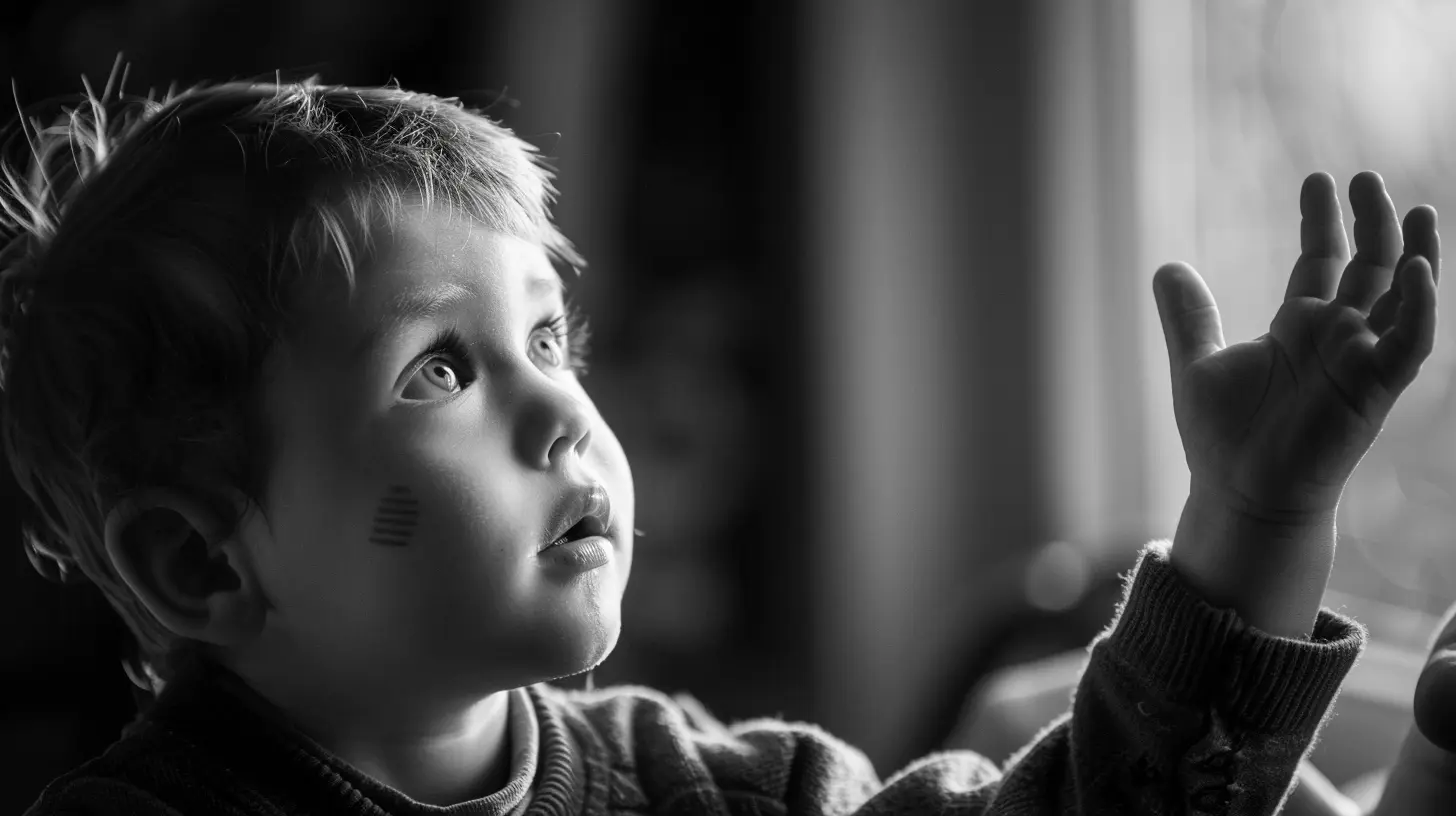
Why Early Language and Gesture Development Matter (Like, A Lot!)
Before we jump into the “how,” let’s talk about the “why.”When your little one starts using gestures (like pointing, waving, or raising arms to be picked up), they’re already laying the groundwork for language. These are called "pre-verbal" skills, and they’re a big deal. Think of gestures as your child’s first language — a secret code that gives them a way to say what they mean before they can even form words.
Language and gestures together help with:
- Building strong social skills
- Strengthening brain development
- Making emotional connections
- Reducing frustration when communicating needs
The earlier kids begin to understand and use both gestures and simple language, the smoother their communication journey will be.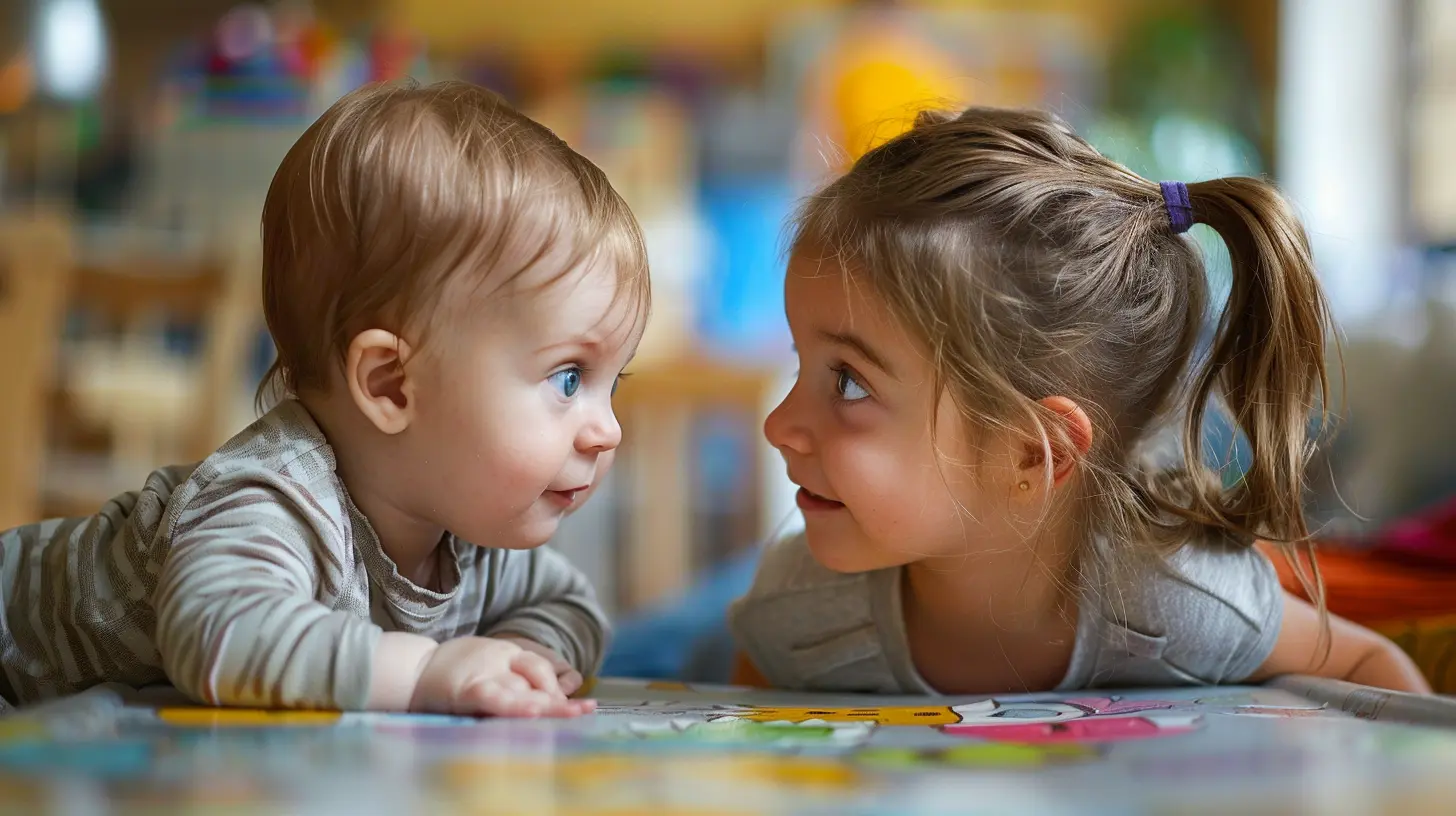
The Timeline: When Do Babies Start Communicating?
Every baby blossoms in their own time, but here’s a general idea of what to expect:0–3 Months
- Cooing and gooing (yes, that’s a legit term!)- Responding to voices and sounds
- Eye contact and facial mimicry
4–6 Months
- Babbling with different sounds- Laughing and squealing
- Starting to use sounds to show mood
7–12 Months
- Pointing at things- Waving “bye-bye”
- Using gestures to ask for things (arms up, clapping)
- Saying first words like “mama” or “dada”
12–18 Months
- Copying speech sounds- Naming familiar things
- Understanding simple commands (“give me the ball”)
And remember: some kids are chatty early on, while others are watchers and listeners first. Both paths are totally normal.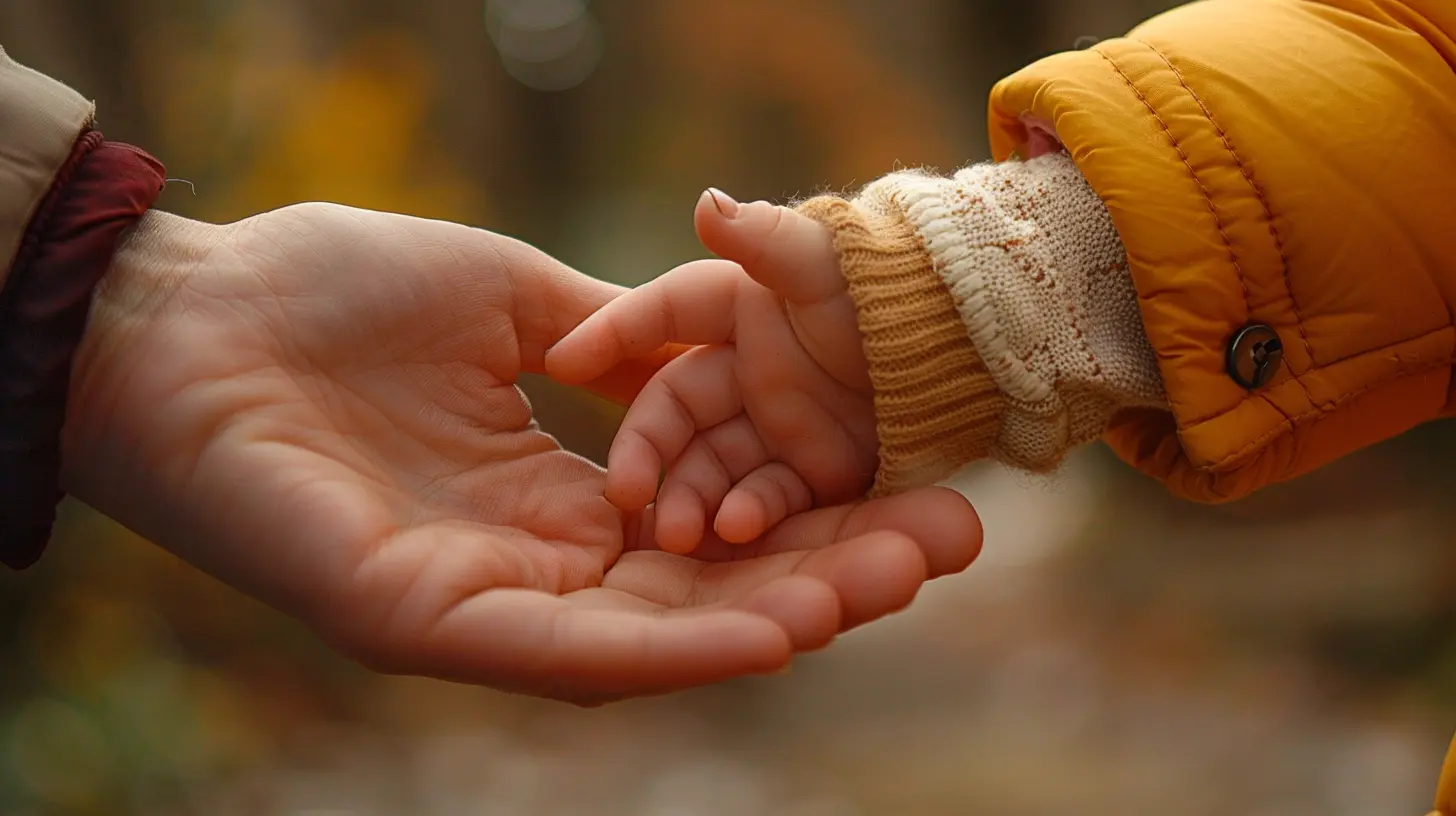
Simple and Fun Ways to Encourage Early Language and Gestures
1. Talk, Talk, Talk — And Then Talk Some More
Yep, it’s as simple as that. Narrate everything like you’re a podcast host for your baby. Folding laundry? “These are Daddy’s socks. Here’s a blue one and a striped one.” Cooking dinner? “I’m stirring the soup with a big spoon!” Your voice is music to their ears, and every word helps build that little mental dictionary.2. Read Every Single Day
Even if your baby seems more interested in chewing the book than looking at the pictures, keep reading! Board books with bright images and simple stories are great. Point to pictures as you read: "Look! A dog. Can you say 'dog'?" Don’t worry — they may not say it right away, but they're absorbing everything.Pro tip: Repetition is your best friend. Kids love hearing the same story over and over. It’s not just a phase — it’s brain training.
3. Use Gestures Yourself (A Lot!)
Wave hello and goodbye, clap, shrug, nod, point — be a gesture guru! When you use these nonverbal cues alongside words, babies learn faster.Imagine saying “bye-bye” while waving, every single time. Before you know it, your baby will start waving back — a little gesture with a big meaning.
4. Follow Their Lead
Watch what catches their attention and talk about it. Did they point at the dog outside? “Yes! That’s a big, fluffy dog. He’s barking — woof woof!” This shows your child that their interests matter and keeps the language relevant and meaningful.5. Sing Songs and Use Rhymes
Nursery rhymes and simple songs are perfect language tools. Think about it — they’re repetitive, rhythmic, and often come with gestures (hello, “Itsy Bitsy Spider” anyone?). Singing helps babies learn sound patterns, and gestures make the meaning stick.6. Name What They See and Do
Imagine you’re an excited sports commentator narrating your baby's every move. “You’re picking up the ball! That’s a red ball! Oh, now you’re rolling it!” This constant naming helps link words to actions and objects.7. Pause and Wait
When you ask your toddler a question or make a statement, give them a moment to respond. It might feel awkward at first — that long pause of silence — but it teaches them conversational rhythm and gives them time to process.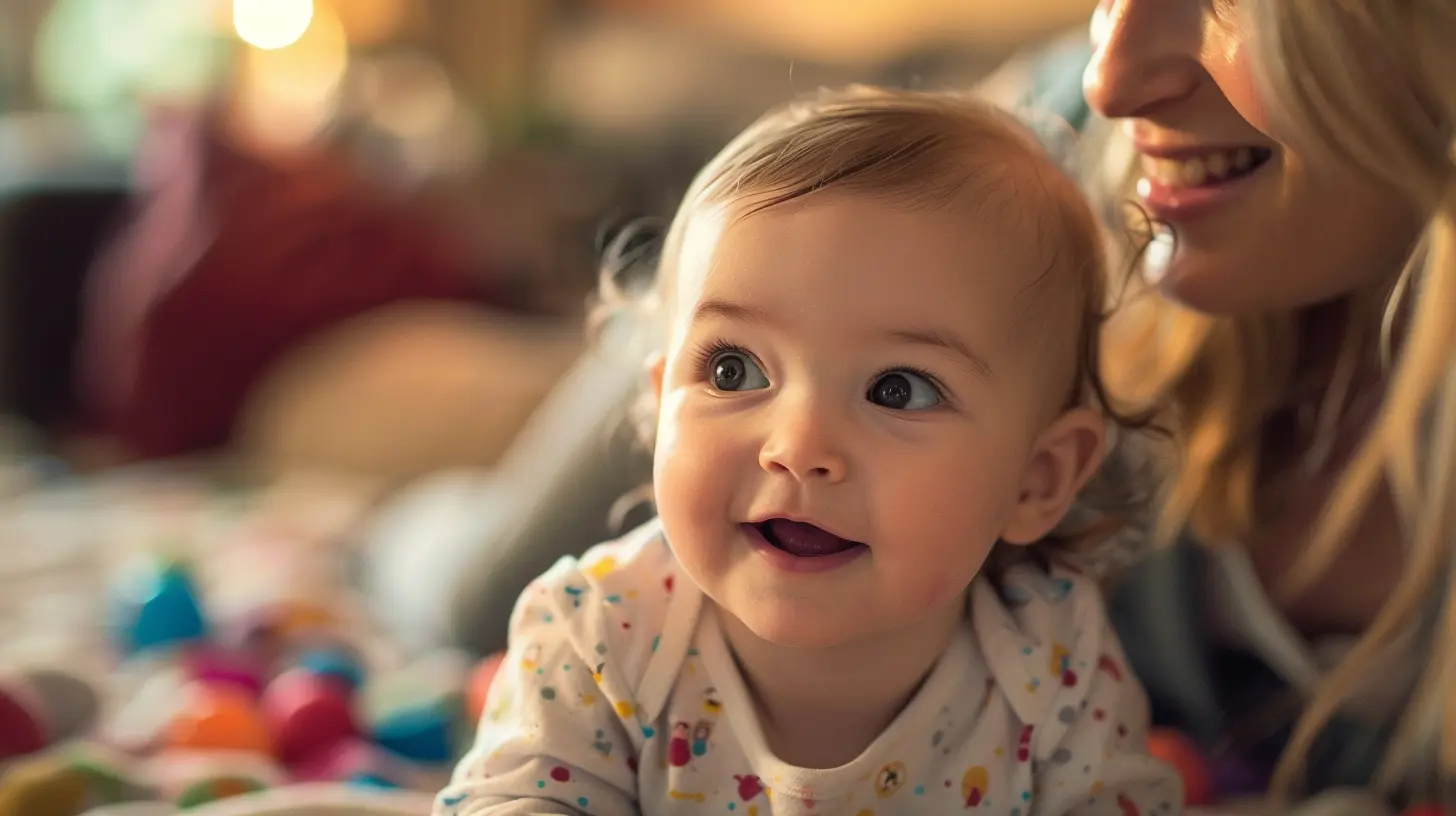
Making Gestures Part of Everyday Life
You don’t need flashcards or sign classes (unless you want them). Simple, everyday gestures give kids real-world communication tools. Here's how to integrate them smoothly:Start With Basic Gestures
- Waving- Clapping
- Pointing
- Shaking head for “no”
- Nodding for "yes"
- Reaching arms up to be held
Use these often, give them meaning, and match them with words.
Use Baby Sign Language (Optional but Super Effective)
Baby sign language (basic signs like “more,” “milk,” “all done”) can bridge the gap before verbal speech kicks in. And no, it doesn’t delay language — it can actually encourage it.Imagine being able to understand that your baby wants “more milk” without tears or frustration. That’s a parenting win right there.
Common Myths About Early Language
Let’s bust a few myths while we’re here:“They’ll Talk When They’re Ready, So I Don’t Need to Worry About It”
True, some kids talk later than others. But that doesn't mean we sit back and relax. Modeling language and using gestures actively shapes their development.“Using Baby Talk Will Hurt Their Language Skills”
Not quite. Simple, exaggerated speech (AKA “parentese”) — think sing-songy tones and clear words — actually helps babies pick up sounds and rhythms. So go ahead and say “Look at the doggy!” You’re not ruining anything.“They Don’t Understand Yet, So Talking is Useless”
Oh, they understand way more than you think. Babies are brilliant little sponges. Even if they can’t talk yet, they’re soaking in sounds, patterns, and meanings from every conversation.Playtime = Prime Time for Language and Gestures
Play is the perfect stage for language to shine. Here’s how to make the most of it:- Play pretend: Grab those plush animals and create silly voices. “Mr. Lion says ROAR! Can you roar too?”
- Use toys as tools: “You’re pushing the red car. Vroom! The car goes fast!”
- Take turns: Even in babble, take turns making noises. It teaches the back-and-forth of real conversations.
And always respond to their sounds and gestures. If they hand you a toy, say, “Thank you! That’s a yellow block!” Every bit of interaction counts.
When to Keep an Eye Out for Delays
While it’s super important not to compare kids (seriously, every child has their own pace), keep in mind these rough guidelines:- By 12 months: No babbling, pointing, or waving
- By 18 months: No words or limited gestures
- By 2 years: Not combining two words or showing a lack of interest in communicating
If you’re worried, trust your gut. Talk to your pediatrician or a speech-language pathologist. Early support can make a huge difference, and there’s no harm in getting a little extra guidance.
Keep It Light, Keep It Loving
The best thing you can do? Enjoy the process. Language isn’t learned in one magical moment — it's built from thousands of tiny moments of connection. Laugh, sing, joke, narrate, and celebrate every silly sound and wave.Because those first gestures? That first “mama”? They’re more than just milestones — they’re the beginning of a lifelong conversation between you and your child.
And let’s be real — watching your tiny human go from babble to full-blown sentences is nothing short of awe-inspiring.
So keep chatting, keep pointing, and keep those conversations flowing — one adorable “uh-oh” at a time.
Final Thoughts: It’s Not About Perfection, It’s About Connection
Encouraging early language and understanding gestures doesn’t require a PhD in child development. It just takes consistency, love, and a whole lot of talking and playing.You’ve got this.
Your baby is already trying to connect with the world — you’re just helping them find the words (and gestures) to do it.
all images in this post were generated using AI tools
Category:
Infant DevelopmentAuthor:

Maya Underwood
Discussion
rate this article
2 comments
Celeste Wilkerson
Encouraging early language through gestures fosters communication skills, enhances cognitive development, and strengthens parent-child bonds, creating a foundation for future learning.
February 17, 2026 at 3:39 PM
Maya Underwood
Thank you for highlighting the crucial role of gestures in early language development! Your insights on their impact on communication, cognition, and parent-child relationships are invaluable.
Murphy McCaffrey
This article offers valuable insights on fostering language development in young children. The emphasis on gestures is particularly important, as they enhance communication and understanding. Simple, engaging activities can make a significant difference in a child's ability to express themselves and connect with others.
February 4, 2026 at 4:42 PM
Maya Underwood
Thank you for your thoughtful comment! I'm glad you found the insights on gestures and engaging activities valuable for enhancing language development in young children.