Spotting Individual Strengths: Assigning Chores Based on Temperament
6 August 2026
Parenting is an incredible journey filled with teaching moments, love, and, of course, managing household chaos. One of the biggest challenges? Getting kids to do chores without constant nagging or battles. But what if I told you that the key to an efficient household lies in understanding your child's unique temperament?
Instead of assigning chores randomly, why not match tasks to your child's natural strengths? This method not only makes them feel capable but also turns household duties into learning opportunities. Let's dive into how you can spot individual strengths and assign chores based on your child's temperament. 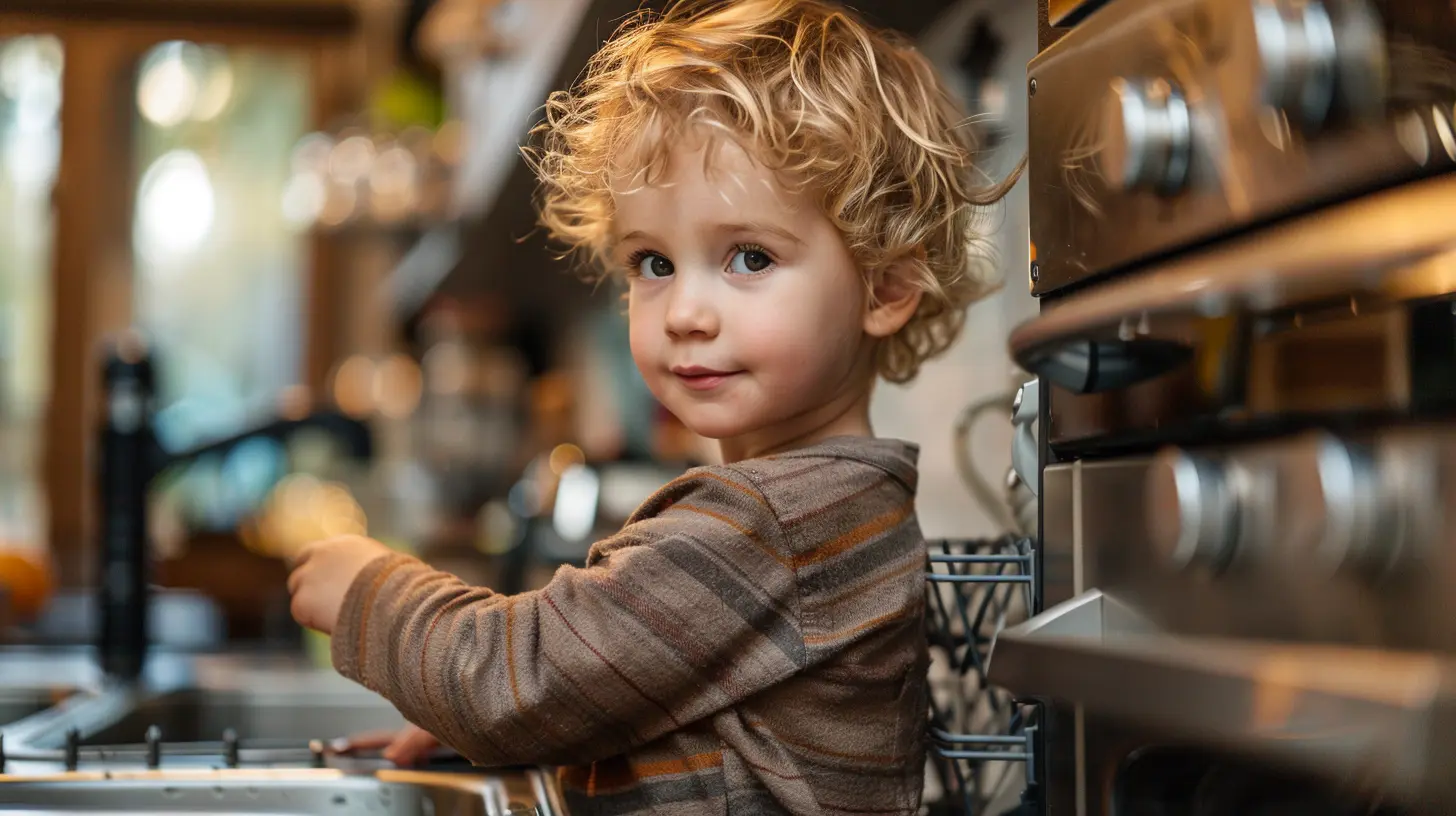
Understanding Temperament: Why It Matters
Every child is born with a unique temperament—some are naturally energetic, while others prefer quiet reflection. When you align chores with their personality, you help them feel more confident and accomplished, rather than frustrated and forced.Imagine giving an introverted, quiet child a loud, social task like calling neighbors to gather for an event. It might feel stressful, right? The same applies to household chores. When kids enjoy or excel at a task, they are more likely to complete it willingly.
Let's break down different temperament types and the best chore assignments for each. 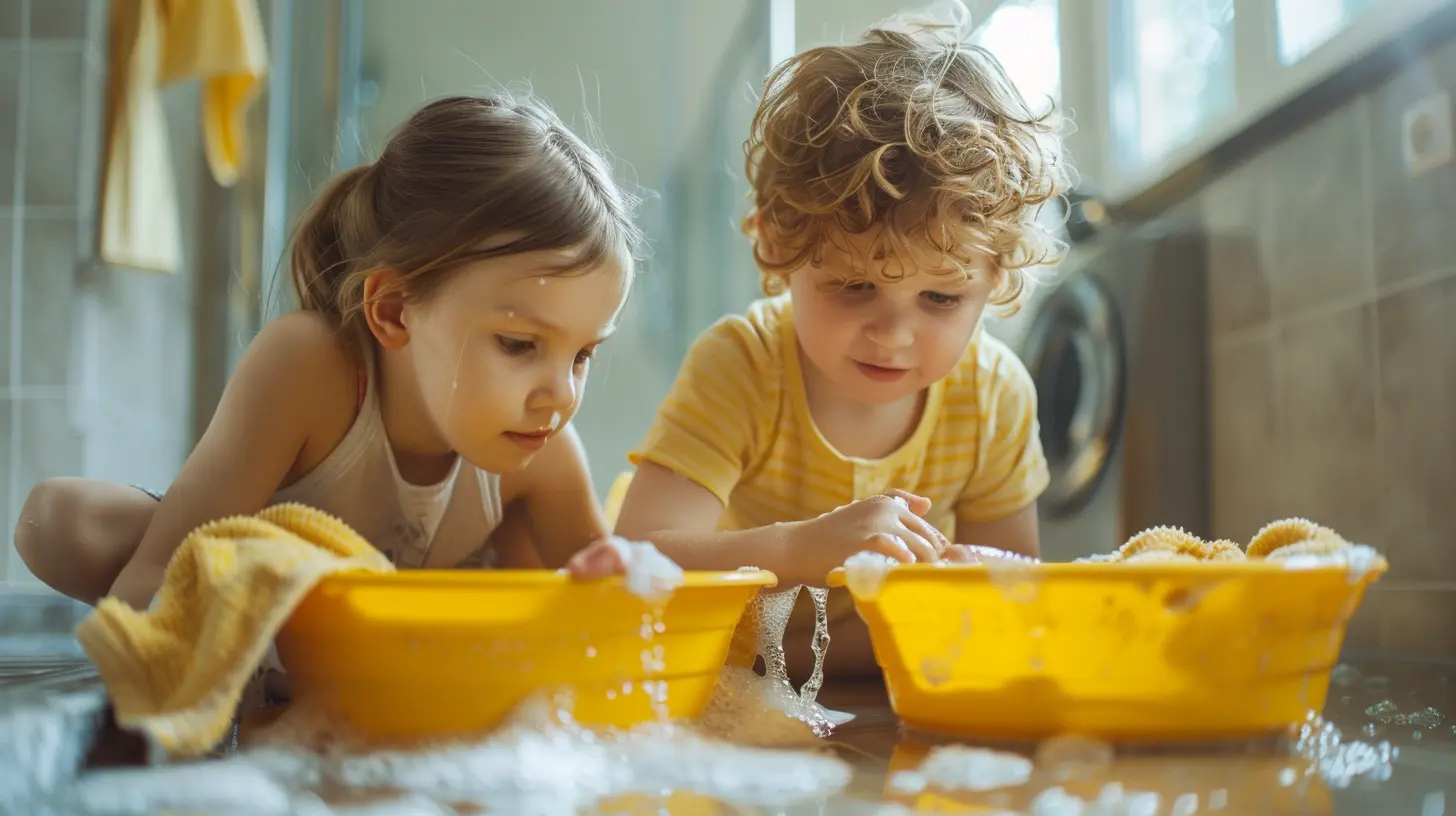
1. The Energetic Go-Getter
This child is always on the move. They thrive in physical activities and enjoy challenges. If they aren’t burning energy, they might become restless or even mischievous.Best Chores for Them:
✅ Sweeping or mopping the floors✅ Taking out the trash
✅ Walking the dog
✅ Organizing the playroom
✅ Shoveling snow or raking leaves
Why It Works:
These tasks keep them moving and engaged. Instead of chores feeling like a boring obligation, they become an outlet for their endless energy.
2. The Detail-Oriented Perfectionist
Some kids have a keen eye for details. They love things in order, thrive on routines, and naturally enjoy tidying up.Best Chores for Them:
✅ Folding laundry perfectly✅ Organizing bookshelves or toy bins
✅ Setting the dinner table with precision
✅ Wiping down counters and arranging items neatly
Why It Works:
These chores appeal to their love for order. They take pride in seeing things neat and arranged, making the tasks feel more like a fun project than a chore.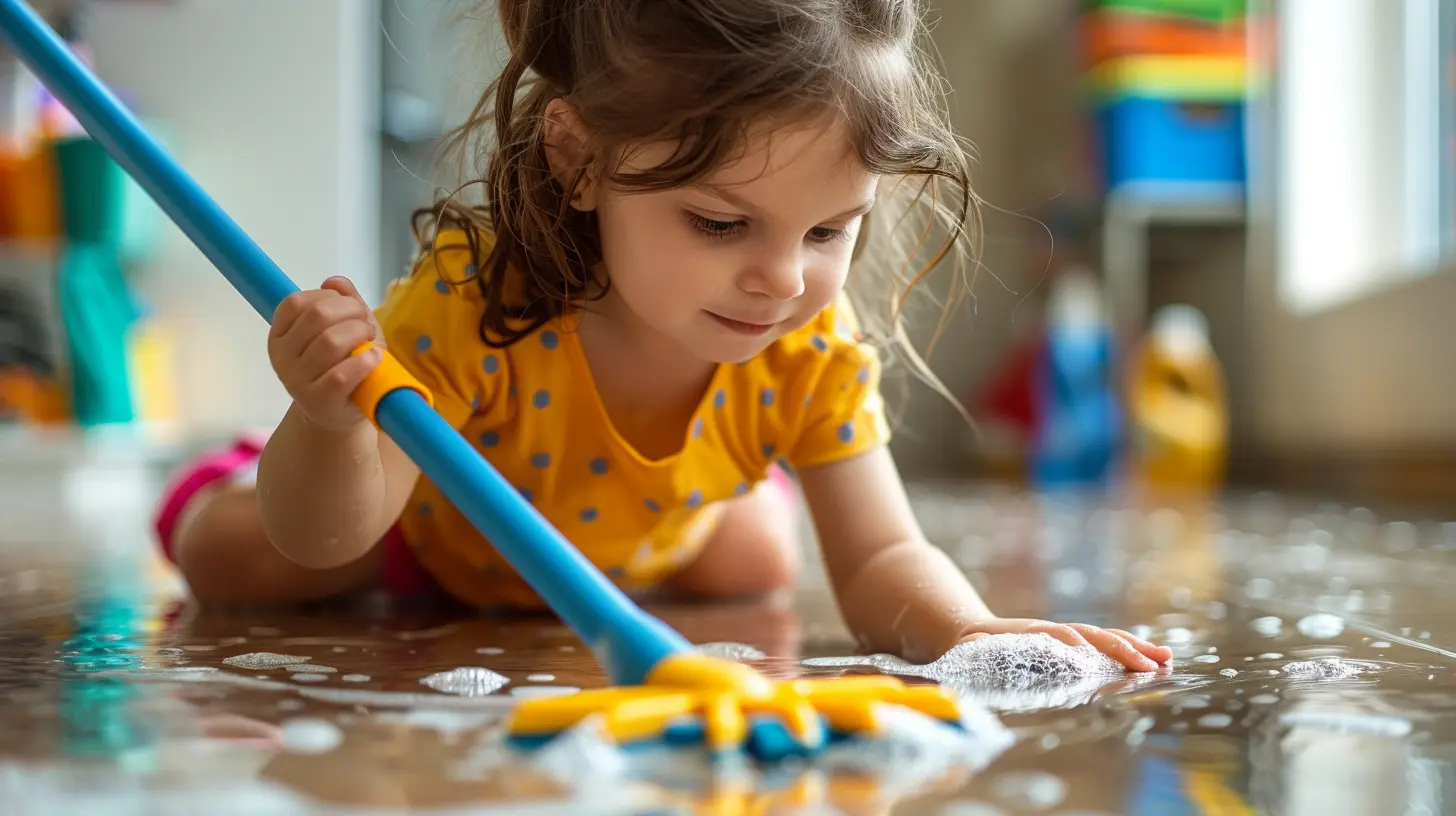
3. The Social Butterfly
This child is outgoing, chatty, and loves teamwork. They often prefer working with others instead of doing tasks alone.Best Chores for Them:
✅ Helping younger siblings with chores✅ Assisting in meal preparation (chopping, mixing, setting the table)
✅ Watering plants while chatting
✅ Greeting guests and helping with cleanup after gatherings
Why It Works:
Social butterflies thrive when they feel connected. Turning chores into social activities makes them more engaging and natural for them.4. The Quiet Thinker
Some kids are introspective and prefer solitary activities. They work best in calm, low-pressure environments.Best Chores for Them:
✅ Sorting laundry✅ Dusting bookshelves and furniture
✅ Watering indoor plants
✅ Organizing a pantry or cupboard
✅ Wiping and disinfecting remotes, switches, and doorknobs
Why It Works:
These quiet, methodical tasks allow them to complete chores at their own pace without overwhelming interaction or external pressure.5. The Creative Dreamer
If your child is always daydreaming, drawing, or creating, they likely thrive on tasks that involve imagination.Best Chores for Them:
✅ Decorating and setting the dinner table beautifully✅ Organizing craft supplies
✅ Designing labels for kitchen storage
✅ Helping with DIY home decor projects
✅ Creating a meal planner or grocery list with drawings
Why It Works:
Traditional chores might bore creative kids, but adding an artistic aspect can turn the task into a stimulating project.6. The Natural Leader
Some kids love taking charge and organizing everything around them. They enjoy making decisions, directing tasks, and ensuring everything runs smoothly.Best Chores for Them:
✅ Being the “chore captain”—assigning tasks to siblings✅ Planning grocery shopping lists
✅ Supervising younger siblings during chores
✅ Keeping track of household supplies (restocking items)
Why It Works:
Giving them leadership roles makes them feel empowered and responsible rather than feeling like they are simply following orders.Encouraging Positive Chore Habits
Assigning chores based on temperament is game-changing, but consistency and motivation are key. Here are some strategies to make chores a success:1. Keep It Fun and Engaging
Turn chores into a game—set timers, play music, or create chore charts with rewards.2. Show Appreciation
A little praise goes a long way. Let your child know their effort matters, reinforcing positive behavior.3. Be Flexible
While matching chores to temperament is helpful, variety is also important. Let them occasionally try different tasks to build resilience and skills.4. Lead by Example
Kids mimic what they see. If they see you doing chores with a positive attitude, they'll be more likely to follow suit.Final Thoughts
Chores don’t have to be a dreaded part of the day. By recognizing your child's individual strengths and assigning tasks that align with their temperament, you’ll not only make household duties smoother but also help your child build confidence, responsibility, and life skills.So, take a step back, observe your child's natural tendencies, and start assigning chores in a way that best suits their personality. You might just find that with the right approach, chores become less of a burden and more of a bonding experience!
all images in this post were generated using AI tools
Category:
Kids And ChoresAuthor:

Maya Underwood
Discussion
rate this article
1 comments
Foster Lamb
Assigning chores based on a child's temperament fosters not just responsibility but also self-awareness. It invites children to embrace their unique strengths and learn collaboration. By understanding their preferences, we guide them in discovering their passions, nurturing confidence, and cultivating a sense of belonging within the family unit.
August 8, 2026 at 3:26 PM