Simple Ways to Make Kids Love Vegetables by 2026
19 April 2026
Let’s be honest for a second. Getting a kid to eat their broccoli can feel less like parenting and more like a high-stakes negotiation where the currency is tears and the final deal involves three more bites for five extra minutes of screen time. Sound familiar? You’re not alone. The dinner table standoff is a universal rite of passage. But what if we could shift the narrative entirely? What if, instead of a battleground, the veggie plate became a place of curiosity, fun, and even… gasp… enjoyment?
The goal isn’t just to get vegetables eaten by 2026; it’s to have them genuinely loved. It’s a tall order, I know. But with a little creativity, a dash of patience, and a shift in perspective, it’s absolutely within reach. Think of it not as a forced march toward nutrition, but as a joyful expedition into flavor, color, and texture. Ready to turn your little skeptic into a veggie enthusiast? Let’s dig in.

Reframe the Veggie Narrative: It Starts With You
Before we even touch a single pea, we need to talk about our own vibes. Kids are emotional sponges and masterful detectors of hypocrisy. If we’re pushing spinach onto their plates while we’re silently grimacing at our own salad, the message is clear: This is a chore, not a choice.Your mission, should you choose to accept it, is to become the vegetable cheerleader. Talk about them with genuine excitement. “Oh wow, look at how bright green these snap peas are! They’re like little crunch pods from a garden spaceship.” Or, “I roasted these carrots with a tiny bit of honey, and they taste like sunshine candy.” See the difference? You’re not commanding; you’re inviting. You’re selling the sizzle, not just the steak (or, in this case, the celery).
Drop the “healthy” lecture for a while. To a kid, “healthy” often translates to “boring medicine-food.” Instead, focus on superpowers. “These sweet potatoes have vitamin A to help your eyes see in the dark, like a superhero!” or “The protein in these edamame beans will give your muscles fuel for the monkey bars.” Connect the food to their world, their interests, their incredible, growing bodies.
The Grand Garden Adventure: Grow It to Know It
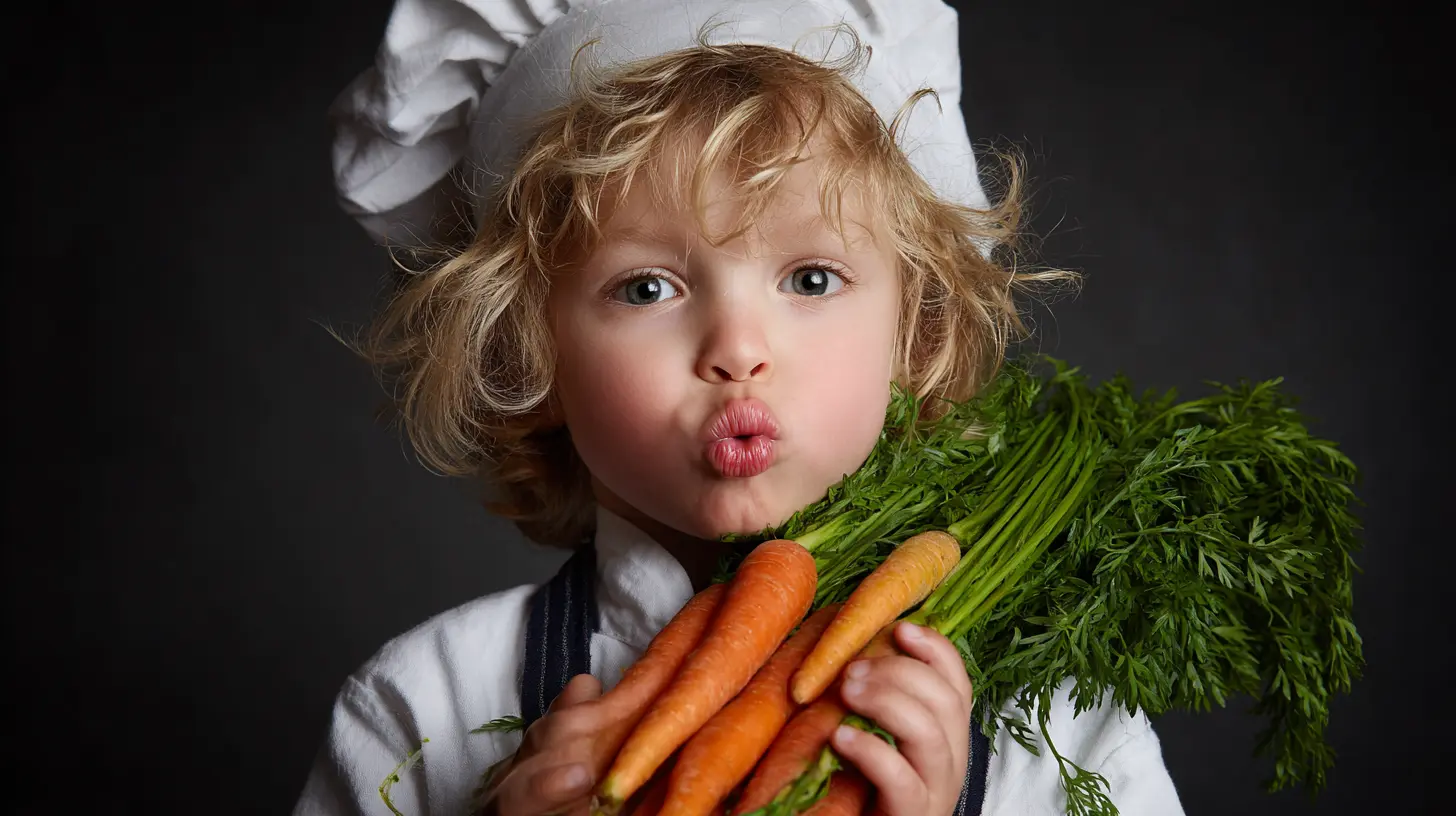
There is a kind of magic that happens when a child plants a seed, waters it, and watches a plant grow. Suddenly, that plant isn’t just a “vegetable”; it’s their creation, their project. The pride that swells when they harvest their first cherry tomato or pull a carrot from the dirt is a powerful antidote to picky eating.You don’t need a farm. A few pots on a balcony, a windowsill herb garden, or even a simple sprouting jar for bean sprouts will do. Let them get their hands dirty. Let them be in charge of watering. The ownership is key. When they’ve nurtured that plant from a seed, the desire to taste the fruits (or veggies) of their labor is a natural, powerful instinct. That homegrown cucumber in their lunchbox? That’s a trophy.
Make the Kitchen Your Playground
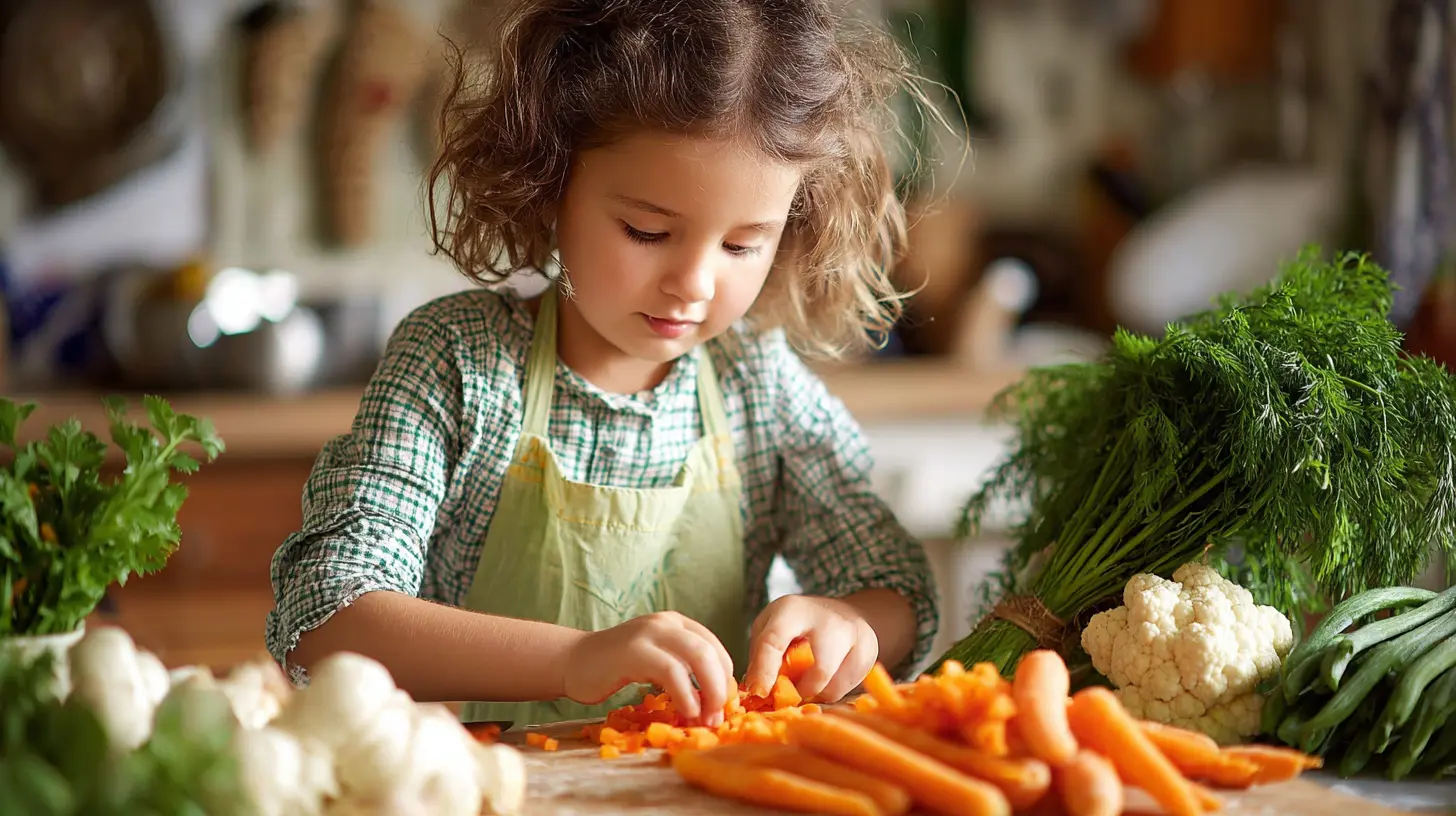
Exclusion breeds resistance. Inclusion builds curiosity. One of the most effective ways to make kids love vegetables is to make them co-conspirators in the kitchen. Give them age-appropriate jobs. A toddler can tear lettuce or wash potatoes. A preschooler can add pre-measured ingredients or use a cookie cutter on sweet potato slices. An older child can help chop softer veggies with a safe knife, stir the pot, or be in charge of the salad spinner (which is honestly just fun).When they’ve had a hand in making the meal, their investment skyrockets. They’ll want to try their creation. They’ll boast, “I made this dip!” This isn’t just cooking; it’s building life skills, confidence, and a positive relationship with food, one stirred pot at a time.
The Sneaky Chef vs. The Transparent Food Explorer
Now, I know the “sneaky” method—hiding pureed veggies in sauces and muffins—has its place. It’s a great short-term nutritional safety net. But if our 2026 goal is genuine love, we need to move beyond secrecy. Hiding veggies teaches that they’re something to be concealed, not celebrated.Instead, pair the “sneaky” with the “see-through.” Yes, blend some cauliflower into the mac and cheese sauce, but also serve some roasted cauliflower “steaks” with a fun dip on the side. Talk about it! “Hey, remember that creamy sauce you loved in the mac and cheese? Part of that magic was this cool white vegetable called cauliflower. Let’s try it in its original form too!” You’re building bridges, not hiding evidence.
Presentation is Everything: Play With Your Food!
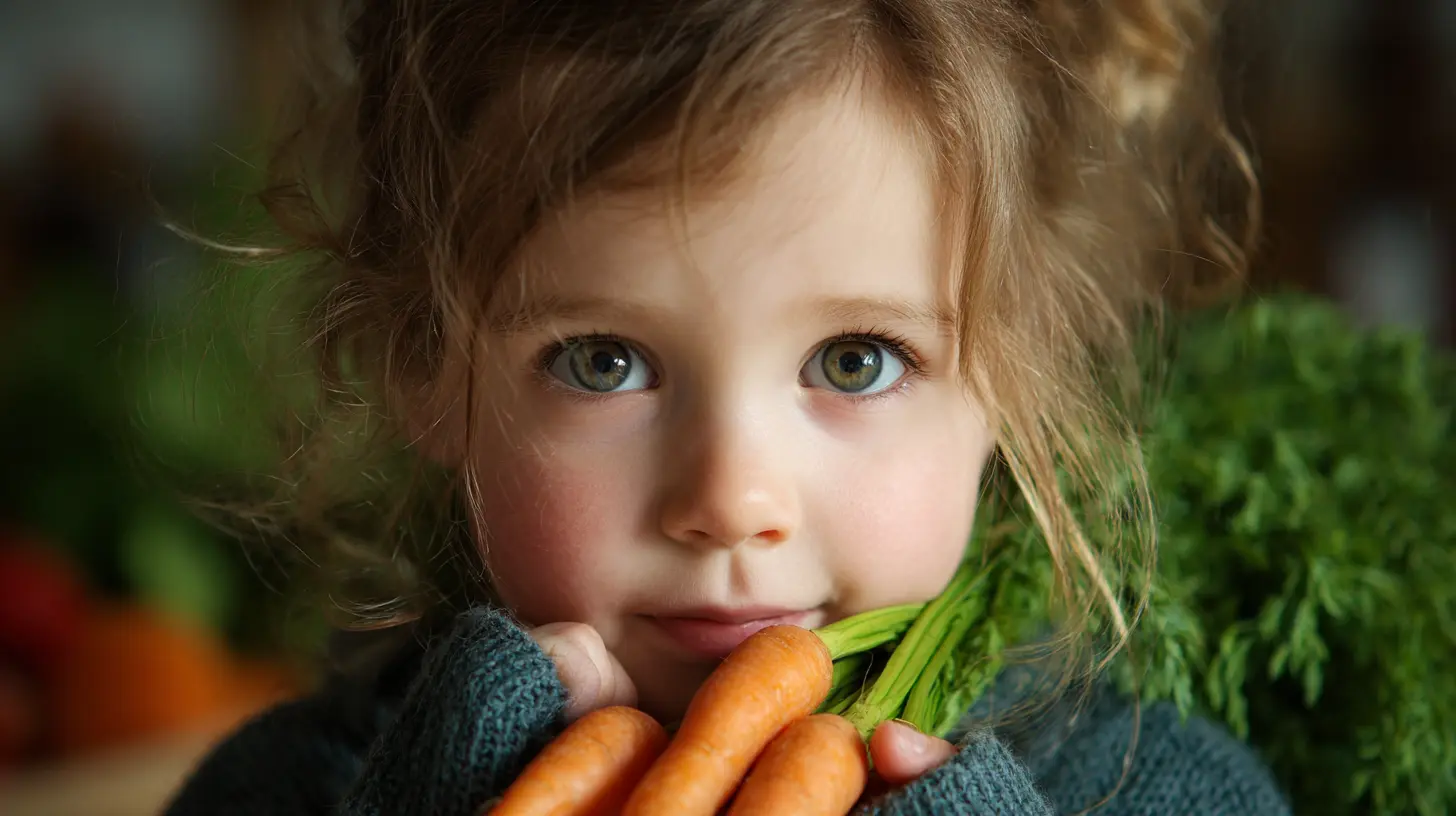
We eat with our eyes first, and this is doubly true for kids. A sad, steamed floret plopped next to a chicken nugget is… well, sad. But what if that veggie was part of a story?* Become a Food Artist: Create a scene on the plate. Use cherry tomatoes for eyes, a bell pepper strip for a smile, broccoli trees in a mashed potato forest, and cucumber slice wheels on a hummus car. It doesn’t have to be Picasso-level; just intentional and fun.
* Dip It to Win It: The power of a dip cannot be overstated. It’s a vehicle for flavor and fun. Offer a rainbow of veggies with a few dip options: a creamy yogurt-herb dip, a simple hummus, a zesty salsa, or even a mild, thinned-out peanut sauce. Dipping is interactive and gives them a sense of control.
* Change the Form: If they hate mushy cooked carrots, have they tried crunchy, raw carrot matchsticks? If boiled zucchini is a no-go, what about zucchini “fries” baked with a sprinkle of parmesan? Spiralize it, grate it, mash it, roast it until it’s caramelized and sweet. Texture is a huge dealbreaker for kids, so mix it up!
The Power of Peer Pressure (The Good Kind!)
Kids care deeply about what their peers think. Use this to your advantage! If your child has a friend who’s a good eater, invite them over for a “try-it” lunch. Seeing a peer munch happily on bell peppers can be more persuasive than a hundred parental pleas.Family meals are also crucial. Sit down together as often as you can. Let them see you enjoying a variety of vegetables. Make the conversation about the day, not about what’s on their fork. The social, positive atmosphere of a shared meal makes trying new things feel less like a solo performance and more like part of the group experience.
Patience, Patience, and More Patience: The 10-Bite Rule
Here’s the hard truth: it can take 10, 15, or even 20 exposures to a new food before a child accepts it. A single “no thank you” is not a life sentence. The key is consistent, pressure-free exposure.Implement a “no-thank-you bite” rule. Just one bite. No gagging, no drama—just a taste. If they don’t like it, they politely say, “No thank you.” That’s it. No forcing, no bribing, no anger. You calmly say, “Okay, maybe next time.” And then you serve it again next time, prepared a different way. You’re not teaching them to like kale overnight; you’re teaching them that new foods are not scary, and that their “no” is respected. This builds trust, and trust is the foundation for adventurous eating.
Celebrate the Journey, Not Just the Consumption
Finally, let’s measure success differently. The win isn’t just a clean plate. The win is your child willingly helping you pick out a weird-looking kohlrabi at the farmer’s market. The win is them asking what that purple stuff is in the stir-fry (it’s red cabbage!). The win is them helping to plant the seeds, stir the pot, or choose the dip.By 2026, the goal is for vegetables to be a normal, neutral, even exciting part of their food landscape—not the enemy. It’s a marathon, not a sprint. There will be backslides, stubborn meals, and days where goldfish crackers seem to be the only food group. That’s okay. Take a breath, and tomorrow, put out some cucumber slices with a side of curiosity.
You’ve got this. Let’s make the dinner table a place of discovery, not dread. Who knows? You might just find yourself falling in love with vegetables all over again, right alongside them.
all images in this post were generated using AI tools
Category:
Nutrition For KidsAuthor:

Maya Underwood
Discussion
rate this article
2 comments
Seraphis Sawyer
Transforming tiny tots into veggie enthusiasts by 2026? Just sprinkle a dash of unicorn magic on broccoli, throw a veggie dance party, and unleash the power of storytelling! Who knew carrots could be the heroes of dinner time?" 🥕✨
April 21, 2026 at 5:07 AM
Maya Underwood
Absolutely! A sprinkle of creativity and fun can turn mealtime into an adventure. Let’s make veggies the stars of the show! 🥦✨
Cooper Fields
Great tips! Inspiring ways to encourage healthy eating in kids. Thank you!
April 19, 2026 at 3:38 PM
Maya Underwood
Thanks for your kind words! I'm glad you found the tips helpful. Here's to happy, healthy eating for kids!