Setting the Tone: How Your Patience Shapes Family Dynamics
11 October 2026
Your kid has asked "why" forty-seven times in the last ten minutes. Not about anything important, either. About why the sky is blue, why dogs don't wear pants, and why you can't eat cereal for every meal. You have answered each question with the dwindling patience of a human being running on four hours of sleep and cold coffee. And then, question forty-eight arrives.
You have two choices. You can snap, or you can breathe.
Here is the uncomfortable truth that nobody puts on a parenting poster: the choice you make in that moment does more than end a conversation. It sets the emotional thermostat for your entire household. Not just for that hour. For weeks, months, years. Patience, it turns out, is not a personality trait you either have or don't. It is a behavioral pattern that ripples outward, shaping how your kids treat each other, how they handle frustration, and whether your home feels like a soft place to land or a minefield to tiptoe through.
Let's talk about why this happens, how it works, and what you can actually do about it without pretending to be a saint.
Patience Is Not What You Think It Is
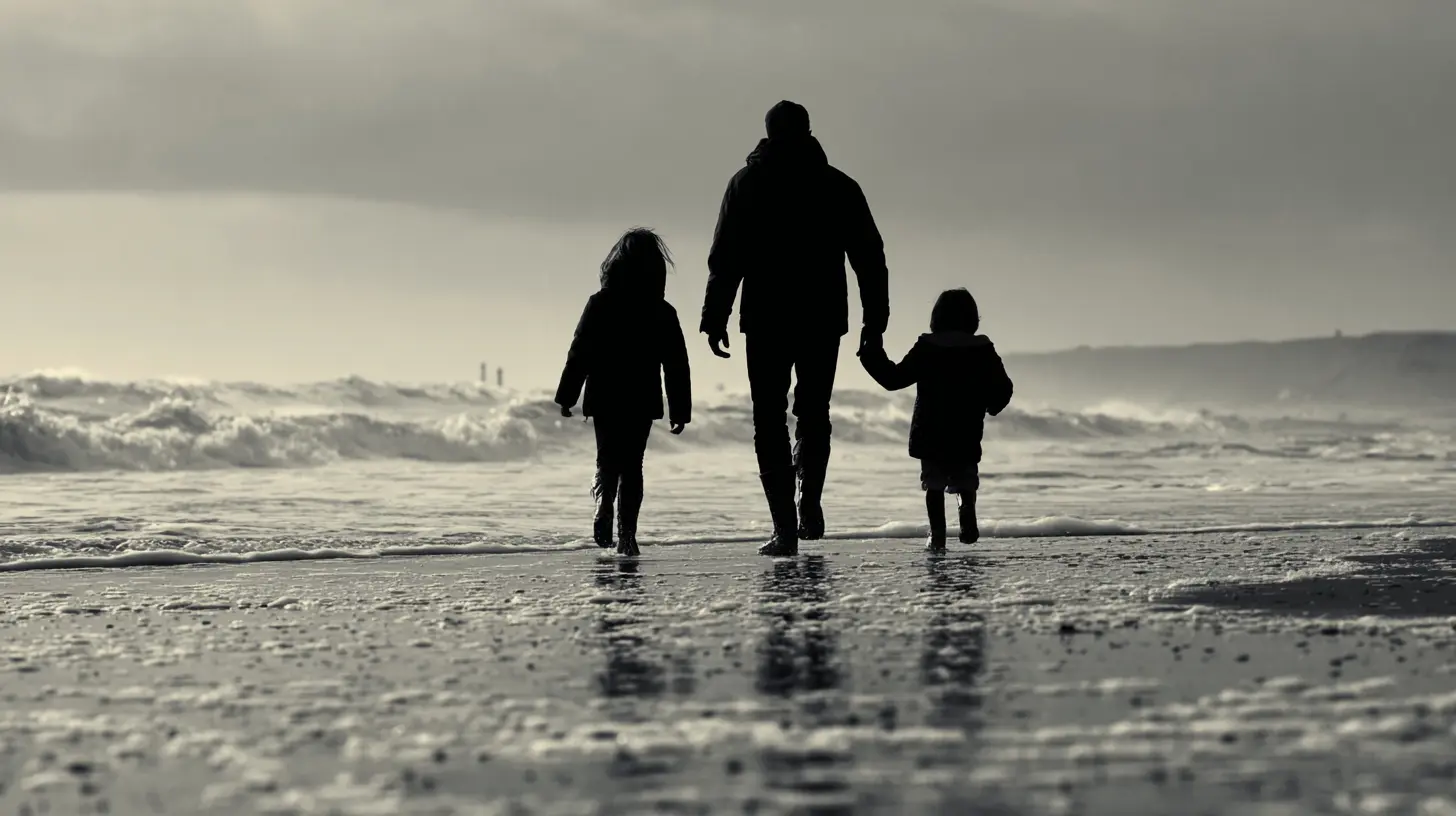
Most parents hear the word "patience" and picture a calm, serene figure who never raises their voice. Someone who responds to a spilled glass of milk with a gentle smile and a mop. That person does not exist. If you have met someone who seems that way, you are seeing a highlight reel, not the full footage.Real patience is not the absence of frustration. It is the management of frustration. It is the gap between what you feel and what you do. That gap is where your parenting actually lives.
Think of it like a pressure valve. Every parent has one. The question is not whether pressure builds up, because it always does. The question is whether your valve releases slowly and safely or explodes without warning. Kids learn to read that valve. They learn it before they can talk. A toddler who stiffens when Dad walks in the room has learned something about that valve. So has a teenager who decides not to share a problem because Mom will "freak out."
The misconception that patience equals passivity causes real damage. Parents who believe this either beat themselves up for being human or swing to the opposite extreme and become permissive because they think any expression of frustration is a failure. Both paths lead to the same place: a household where emotions are either suppressed or erupting, with no middle ground.
The Mirror Effect: Your Kids Are Watching Your Reactions, Not Your Words
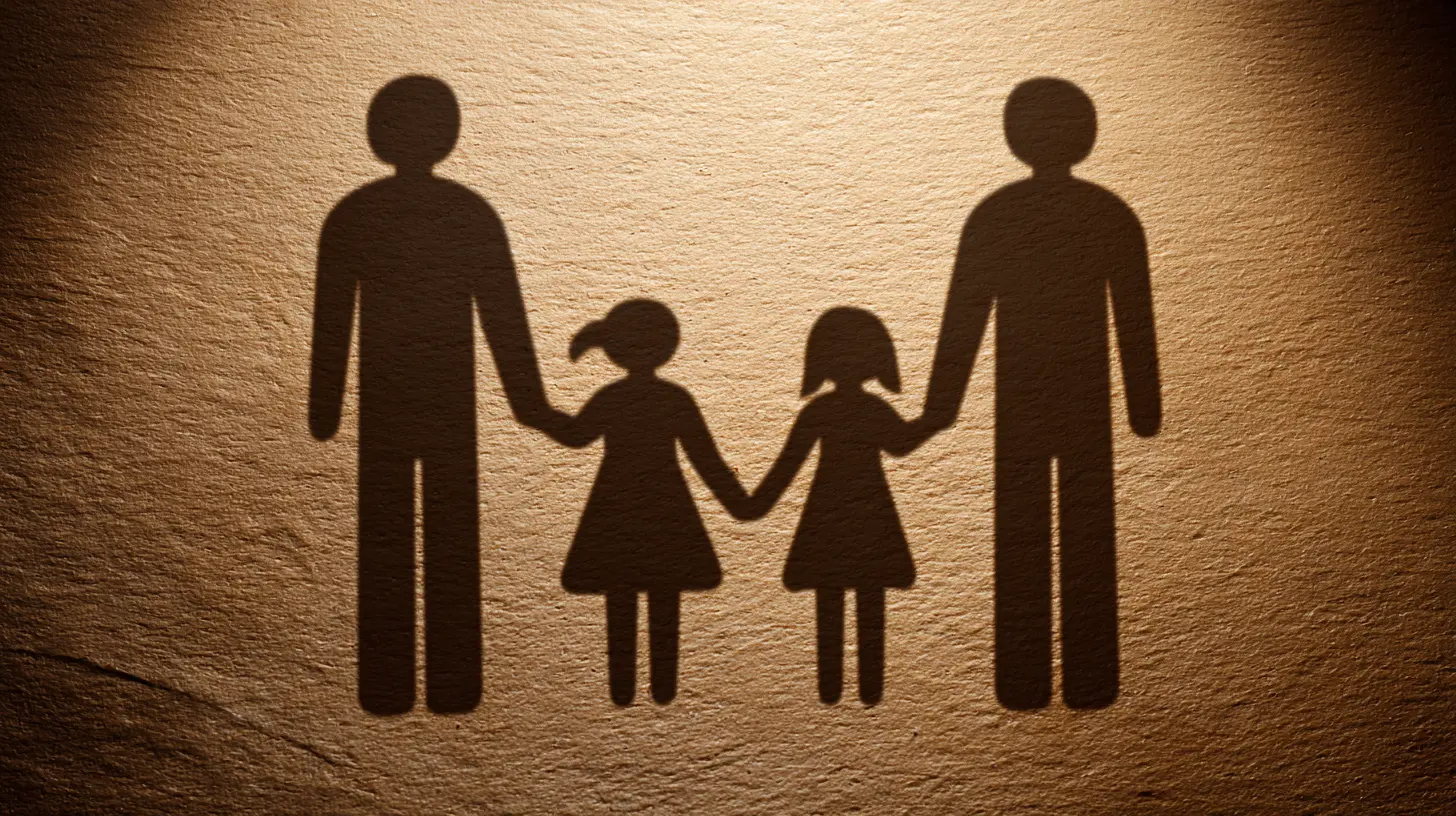
You can tell your child to "use your words" until you are hoarse. It will not matter if they watch you throw a pot into the sink when dinner burns.Children are relentless observers. They do not learn emotional regulation from lectures. They learn it from modeling. Every time you encounter a frustrating situation, you are running a live demonstration of how to handle it. Your child is not taking notes. They are downloading the file directly.
Consider two scenarios.
Scenario one: You are running late. Your child is moving at the speed of a sedated snail. You feel the panic rising. You snap: "Hurry up! Why are you always so slow?" Your child's nervous system registers threat. Their stress hormones spike. They either freeze, melt down, or comply out of fear. The task gets done, maybe. But what got installed is the lesson that love gets loud when things go wrong.
Scenario two: Same situation. You feel the same panic. But you say: "We are late. I need you to put your shoes on now. I will help you." Your voice is firm, not warm and fuzzy, just controlled. Your child still feels urgency. But they also feel safe. They learn that problems get solved through action, not aggression.
The difference between those two scenarios is not personality. It is a decision made in a fraction of a second. And that decision, repeated over thousands of interactions, becomes your family's emotional default.
Why Patience Shapes Sibling Dynamics More Than You Realize
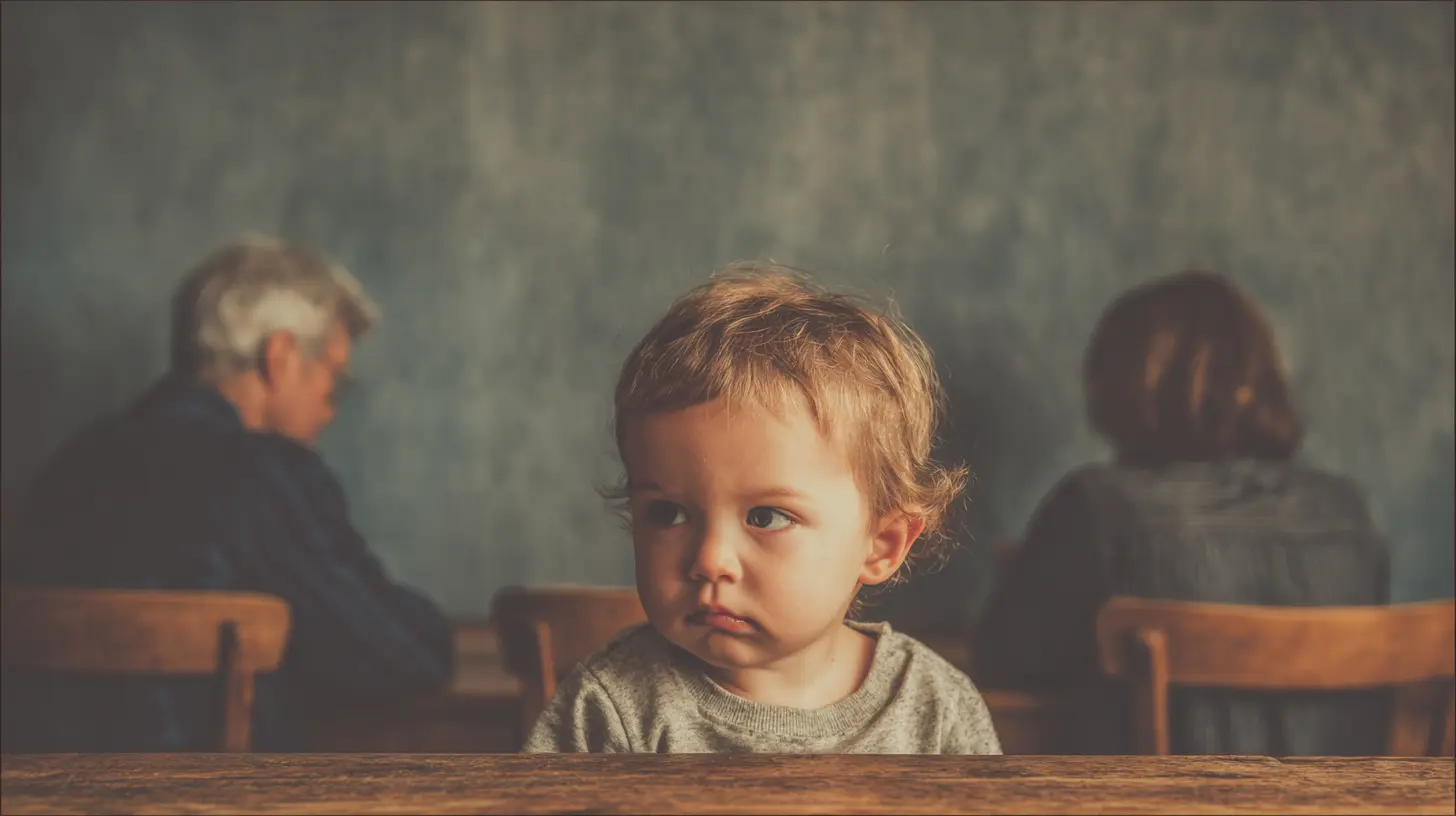
Here is a layer most parents miss. Your patience does not just affect your relationship with each child. It sets the rules for how your children treat each other.When you respond to conflict with calm authority, you are teaching negotiation. When you respond with shouting, you are teaching domination. Kids who watch a parent solve problems through volume will use volume with their siblings. Kids who watch a parent pause, listen, and then respond will eventually do the same, though it takes years and many reminders.
This is not a guarantee. Temperament matters. Some kids are born with shorter fuses. But environment is the soil, and temperament is the seed. A short-fused kid in a calm home learns to manage their fuse. A short-fused kid in a chaotic home learns that their fuse is who they are.
There is also a fairness dimension. Parents who run out of patience tend to distribute it unevenly. The loudest child gets the most attention. The quiet child gets ignored. The child who reminds you of your ex gets the short end of the stick. None of this is conscious. All of it is felt. And siblings keep score, even when they do not realize they are doing it.
If you want to know how your patience is distributed, ask yourself a simple question: which of my children do I correct most often? And is that because they misbehave more, or because they are easier to correct?

The Long Game: What Patience Builds Over Time
Patience is not a one-time investment. It compounds. Here is what it builds.Trust. A child who knows you will not explode when they bring you bad news will bring you bad news. That matters when they are five and broke a toy. It matters more when they are fifteen and broke a rule.
Self-regulation. Children develop the ability to calm themselves by borrowing your calm first. This is called co-regulation, and it is the foundation of emotional intelligence. A parent who stays regulated during a child's meltdown gives the child's nervous system something to synchronize with. A parent who escalates gives the child's nervous system more fuel.
Problem-solving skills. When you do not immediately solve your child's problem, you give them space to try. When you do not immediately punish a mistake, you give them space to repair. Patience creates the conditions for learning. Impatience short-circuits it.
A home that feels safe. This sounds soft, but it is not. A safe home is one where children take appropriate risks, admit mistakes, and ask for help. An unsafe home is one where children hide, lie, and perform. The difference is not love. It is predictability. Patience makes you predictable in the best way.
When Patience Is the Wrong Tool
Here is where the conversation gets more nuanced. Patience is not always the answer. There are situations where waiting, breathing, and staying calm are actually counterproductive.Immediate safety. If your child is about to run into traffic, you do not pause and validate their feelings. You grab them. You raise your voice if you have to. Safety overrides patience every time.
Clear defiance that requires a boundary. Sometimes a child needs to know that a line exists and that crossing it has consequences. A patient parent who never enforces consequences is not patient. They are absent. The key is that the consequence is delivered calmly, not angrily. You can be firm and patient at the same time. In fact, that combination is the gold standard.
Manipulation. Some children, especially older ones, learn that a patient parent can be worn down. If your patience becomes a tool for them to avoid responsibility, you are not modeling regulation. You are modeling passivity. Patience should not mean endless negotiation.
Your own depletion. If you are running on empty, forcing patience is like driving on a flat tire. You will damage the rim. Sometimes the best move is to say, "I need a minute," and step away. That is not failure. That is maintenance.
The point is not to be patient all the time. The point is to be intentional about when you are patient and when you are not.
Practical Strategies That Actually Work
Let's get concrete. Here are strategies that hold up in real life, not just in parenting books.The Pause Before the Response
This is the single most powerful tool in your arsenal. When you feel the surge of frustration, pause. Not for a long time. Three seconds is enough. In those three seconds, you are not suppressing your emotion. You are choosing your action.Why it works: The emotional surge you feel is a chemical event. It peaks and then falls. If you respond at the peak, you respond from the peak. If you wait three seconds, you respond from the slope. The words are different. The tone is different. The outcome is different.
When to use it: Every time. Seriously. Even when you are not frustrated. The pause becomes a habit, and habits are what carry you when you are tired.
Name the Emotion Out Loud
This feels awkward at first. Try it anyway. "I am feeling really frustrated right now." "I am overwhelmed." "I need a minute to calm down."Why it works: Naming an emotion reduces its intensity. This is not a trick. It is how the brain works. The act of labeling engages the prefrontal cortex, which is the part of the brain that manages impulses. You are literally turning on your own brakes.
It also models the behavior you want your kids to learn. They hear you name your feelings, and they learn that feelings are not scary. They are just information.
Separate the Behavior from the Child
Your child spilled the milk. That is a behavior. Your child is not a "clumsy kid." They are a kid who spilled milk.Why it works: When you attack the behavior, you leave the relationship intact. When you attack the child, you create shame. Shame does not teach. It hides. A child who feels shame learns to avoid getting caught, not to avoid the behavior.
Compare these two statements: "You are so careless" versus "The milk spilled. Let's get a towel." The first one is a verdict. The second one is a task. One creates a defensive child. The other creates a cooperative one.
Repair After You Lose It
You will lose it. Not might. Will. The question is not whether you will snap. It is what you do next.Repair is not the same as apology. "I am sorry I yelled" is a start, but it is not enough. Repair sounds like this: "I yelled earlier. That was not okay. I was frustrated, but yelling is not how I want to talk to you. I am working on that. I love you."
Why it works: Repair teaches your child that relationships survive conflict. It also teaches them that adults make mistakes and take responsibility. That is a lesson they will carry into every relationship they have.
Do not force your child to accept the repair. Do not make it about you. Just offer it and move on.
Build Recovery Into Your Day
You cannot be patient if you are running on fumes. This is not a moral failing. It is physics. You need recovery time.What that looks like varies. For some parents, it is twenty minutes of silence after work. For others, it is a walk. For others, it is a locked bathroom door and a podcast. The specifics do not matter. The consistency does.
Why it works: Patience is a resource. It depletes. It replenishes. If you never replenish, you are borrowing from tomorrow. And tomorrow always collects.
Lower the Stakes on Small Stuff
Most of the things that trigger our impatience are not important. The socks do not match. The toys are not put away in the "right" bin. The child is eating cereal for dinner again.Ask yourself: Will this matter in five years? If the answer is no, let it go. Save your patience for the things that actually matter: safety, values, relationships.
This is not permissiveness. It is prioritization. A parent who fights every battle has no energy for the battles that count.
Common Mistakes and How to Avoid Them
Mistake one: Confusing patience with permissiveness. Patience is about how you respond, not whether you respond. You can be patient and still say no. You can be patient and still enforce a consequence. The two are not in conflict.Mistake two: Using patience as a performance. Kids can smell fake calm. If you are gritting your teeth and speaking through a smile, they know. Real patience involves actual regulation, not just suppression. If you are suppressing, you are not patient. You are a pressure cooker.
Mistake three: Expecting immediate results. Patience does not produce instant obedience. It produces long-term trust. If you are patient for a week and your kids are still wild, that is not failure. That is the timeline.
Mistake four: Ignoring your own limits. You are not a machine. You have a threshold. Know it. Respect it. Ask for help before you hit it, not after.
Mistake five: Comparing your family to others. The family that looks calm on Instagram is not calm. They are curated. Your family is real. Real is messier. Real is also better.
The Bottom Line
Your patience is not just a virtue. It is a system. It is the operating software of your household. It determines how conflict gets handled, how mistakes get treated, and how safe your children feel when they are at their worst.You will not get this right every time. Nobody does. The goal is not perfection. The goal is direction. Are you moving toward a home where people can be human, or away from it?
If you are moving toward it, your kids will notice. Not today, maybe. Not next week. But over years, they will build their own internal version of the calm you gave them. And when they have kids of their own, they will pass it on, usually without realizing where it came from.
That is the quiet power of patience. It does not just shape your family now. It shapes the families your children will build later.
So the next time question forty-eight arrives, take a breath. You are not just answering a question. You are setting a tone.
all images in this post were generated using AI tools
Category:
Parenting And PatienceAuthor:

Maya Underwood