Screen Time Guidelines for Preschool Children
17 March 2026
Let’s talk about the elephant in the room—screen time for preschoolers. We’ve all been there. You’re exhausted, your toddler is bouncing off the walls, and handing them a tablet feels like the only way to get five minutes of peace. But then comes the guilt, the questions, the parenting books with conflicting advice. How much screen time is too much? Should we ban screens altogether? Or is there a magical formula for balance?
Buckle up, because we're diving into the nitty-gritty of screen time guidelines for preschool children. Spoiler alert: It's all about balance, boundaries, and a little common sense. 
How Much Screen Time is Okay for Preschoolers?
Let’s cut to the chase—preschoolers (ages 3 to 5) should have no more than one hour of screen time per day, according to the American Academy of Pediatrics (AAP). Sounds reasonable, right? But wait—does that include all screens? And what about educational programs? Hold on, we’ll get there.The key takeaway? Quality matters just as much as quantity. Handing your kid an interactive, educational app is worlds apart from them zoning out to mindless cartoons for hours. 
The Good, the Bad, and the Ugly of Screen Time
Not all screen time is created equal. Some of it is downright useful, while other types can turn your little angel into a tantrum-throwing gremlin. Let’s break it down.The Good: Beneficial Screen Time
- Educational Apps & Programs – Interactive educational apps can support early learning, teaching numbers, letters, and problem-solving skills.- Video Calls – FaceTiming Grandma? That’s connection, not mindless screen time.
- Parental Interaction – Watching a show together and engaging in discussions boosts comprehension.
The Bad: Mindless Viewing
- Passive Watching – Long hours of cartoons with no engagement? Big no-no.- Background TV – Even if your kid isn’t actively watching, constant screen noise affects concentration.
The Ugly: Overuse Consequences
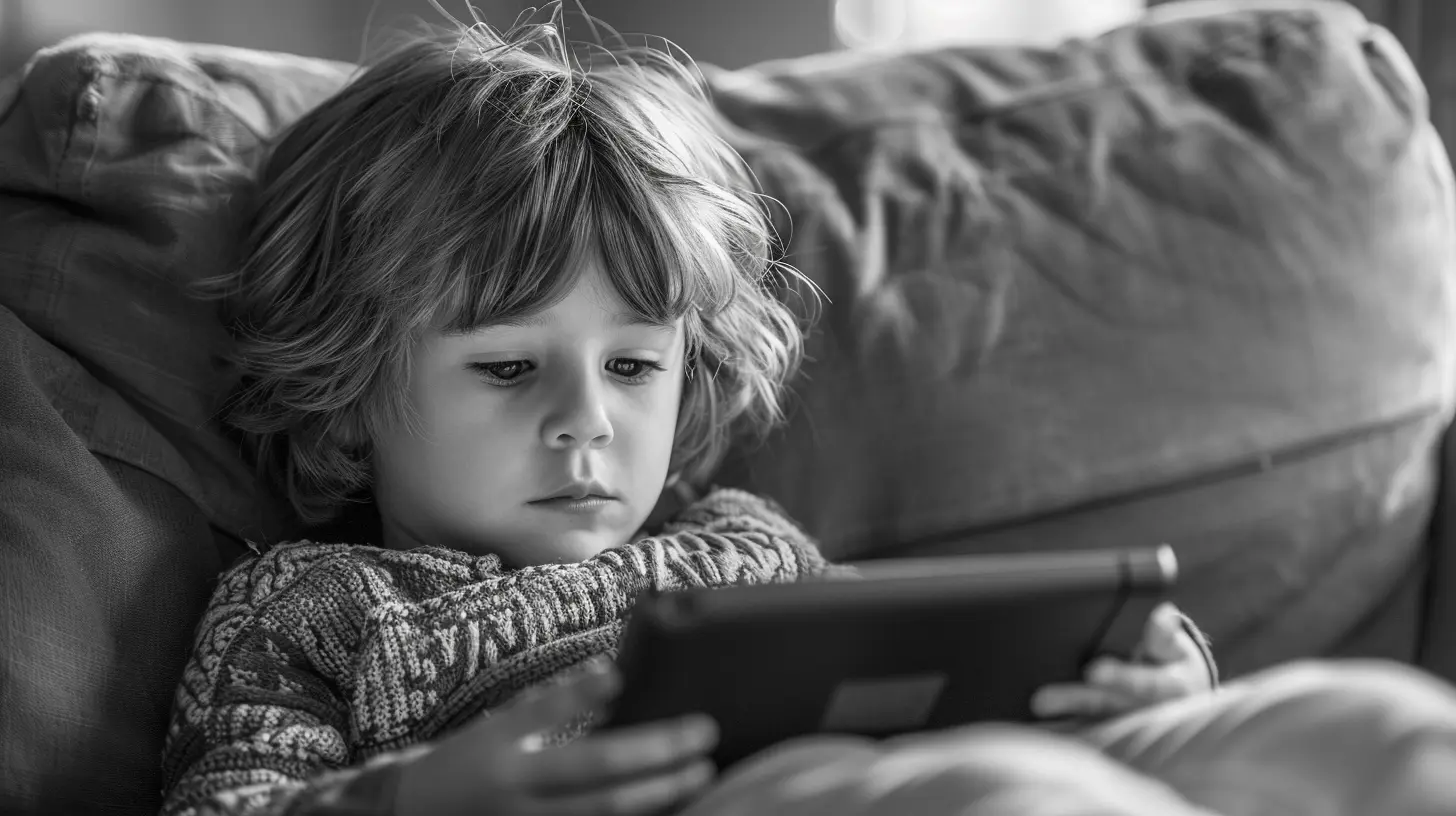
- Sleep Disruptions – Blue light before bed? Expect a night of restless tossing and turning.- Behavioral Issues – Too much screen time can lead to mood swings, shorter attention spans, and difficulty playing independently.
- Social Skill Deficits – Kids need real human interaction to develop communication skills. No app can replace that.
How to Set Healthy Screen Time Boundaries
Alright, so now that we know the risks and rewards, how do we actually manage screen time without losing our sanity? Here’s the game plan:1. Create a Daily Screen Time Limit
Stick to the one-hour rule and make it non-negotiable. If you need a little flexibility, break it into smaller chunks—30 minutes in the morning, 30 minutes in the evening.2. Choose High-Quality Content
Not all shows and apps are babysitter-worthy. Stick to educational and interactive programs like PBS Kids, Sesame Street, and National Geographic Kids. Look for apps that promote problem-solving and creativity.3. No Screens Before Bedtime
Blue light = sleep disaster. Turn off all screens at least an hour before bedtime to make sure your child winds down properly. Instead, introduce bedtime stories, puzzles, or good old-fashioned cuddles.4. Be a Role Model
Kids mirror what they see. If you’re scrolling through Instagram during dinner, don’t be shocked when your preschooler demands the tablet. Practice what you preach!5. Encourage Screen-Free Playtime
Screens should never replace physical play, creativity, and face-to-face interactions. Build forts, paint, go on nature walks—whatever keeps them engaged in the real world.6. Use Screen Time as a Tool, Not a Crutch
Screens shouldn’t be the default babysitter. If your child expects a tablet every time they’re bored, it’s time to shake things up. Introduce alternative activities like sensory bins, building blocks, or pretend play.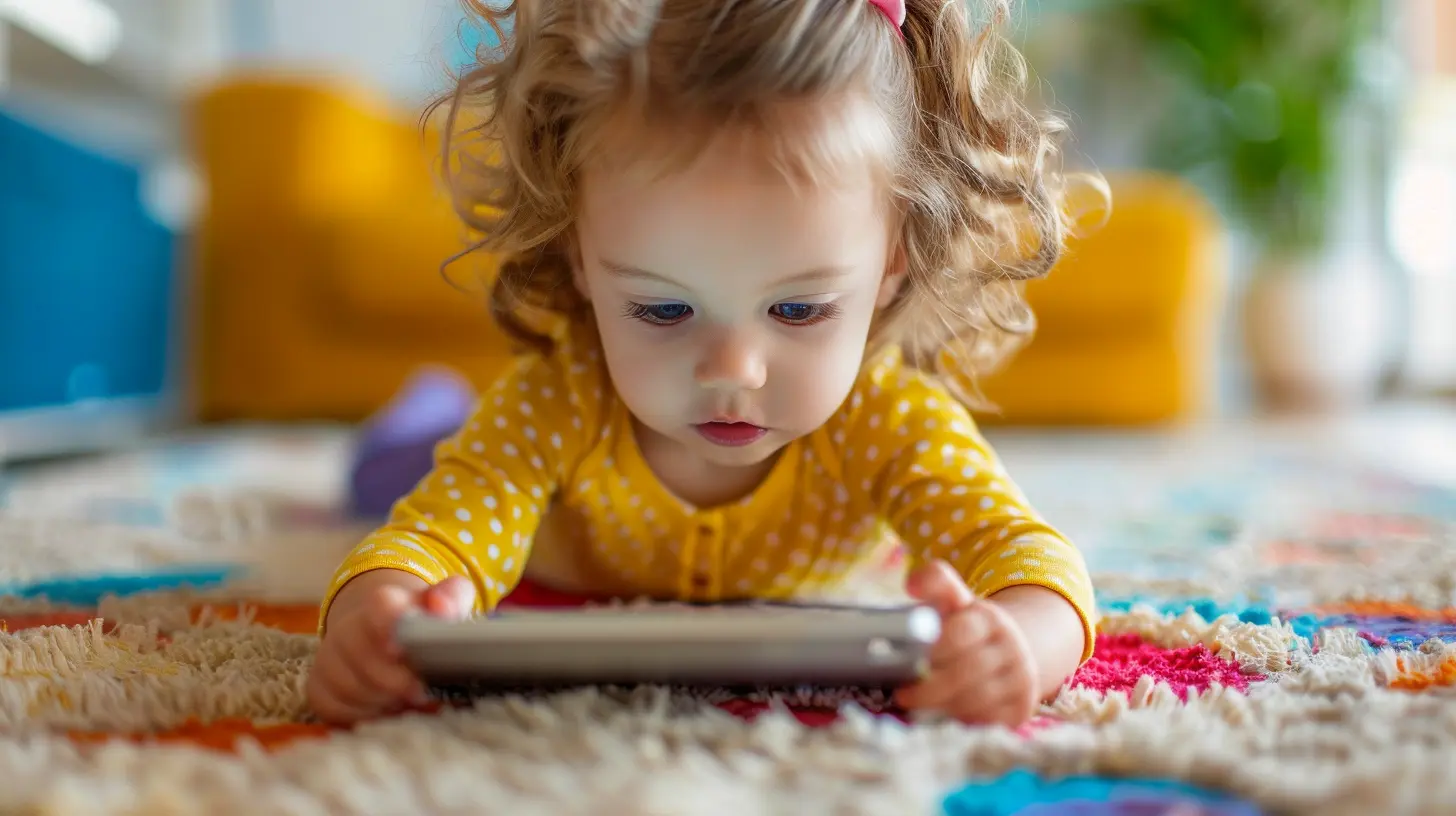
Screen Time & Mealtime: A Disaster Waiting to Happen
Let’s talk about the oh-so-tempting habit of giving kids screens at mealtime. It seems innocent enough—at least they’ll eat, right? Wrong.Here’s why screens at the table are a bad idea:
✔ Distracted Eating – Kids don’t learn how to recognize hunger or fullness when glued to a screen.
✔ Family Bonding Gets Lost – Mealtime should be a chance to connect, chat, and share stories.
✔ Mindless Eating Leads to Picky Habits – Ever notice how kids eat better when they’re fully engaged with their food?
Instead, make mealtimes screen-free zones. Engaging in conversation and letting kids focus on their food encourages healthy eating habits.
Managing the Meltdowns: How to Handle Screen Time Tantrums
The moment you turn off the tablet, it’s like you’ve declared war. Screaming, crying, full-blown protest mode—it’s real, and it’s rough. But it doesn’t have to be a battle every time!Set Clear Expectations
Before turning on the screen, let them know exactly when it’ll be turned off. Example:🗣️ "You can watch for 30 minutes, then we’re going outside to play."
Giving a heads-up prevents sudden shock and tantrums.
Use a Countdown Timer
A visual timer helps kids see when screen time is ending. When the timer hits zero, it’s off, no negotiations.Distract with Another Fun Activity
Instead of just taking the screen away, redirect them to an engaging toy, a craft, or an outdoor adventure.Stay Firm & Consistent
If tantrums happen (and trust me, they will), don’t cave. Your child will learn that rules are rules, and whining won’t change them.Screen Time Alternatives That Actually Work
Tired of hearing “I’m bored” the second you turn off the screen? Here are some screen-free activities that’ll keep your preschooler entertained without a pixel in sight.🖌 Arts & Crafts – Stickers, coloring books, finger painting—endless possibilities.
🛠 Building & Construction – Legos, magnetic tiles, or good ol’ wooden blocks.
📖 Storytime – Books, audiobooks, or even making up your own silly stories.
🏃♂️ Outdoor Adventures – Parks, nature walks, scavenger hunts—fresh air works wonders.
🎶 Music & Dance – Have a full-blown dance party or make homemade instruments.
👩🍳 Kid-Friendly Cooking – Let them “help” in the kitchen with simple recipes.
The goal? Make screen-free time just as exciting as screen time!
Final Thoughts: The Screen Struggle is Real
Listen, we live in a digital world. Pretending screens don’t exist isn’t realistic. The goal isn’t zero screen time—it’s smart screen time.As parents, our job isn’t to ban screens completely but to teach our kids how to use them wisely. Set boundaries, choose high-quality content, and make sure screens don’t replace real-life experiences.
And most importantly? Give yourself a break. No parent is perfect, and sometimes, that extra 15 minutes of screen time is the only thing standing between you and a meltdown (theirs… or yours).
Do your best. Find balance. And remember—parenting is all about progress, not perfection.
all images in this post were generated using AI tools
Category:
Parenting PreschoolAuthor:

Maya Underwood
Discussion
rate this article
2 comments
Idris Spencer
In gentle balance, screens can weave, A tapestry of joy—believe. But in the garden of their play, Limit the glow, let dreams array. Nature calls, let laughter chime, In tender hearts, seek golden time.
March 31, 2026 at 4:06 PM
Maya Underwood
What a beautiful way to express the balance we need! Nature and play are essential for our little ones' growth. Let's encourage that golden time together.
Zayne Wyatt
Screen time for preschoolers? It's like giving a squirrel a smartphone—fun at first, but chaos follows! Remember, moderation is key: balance those cartoon marathons with a solid dose of outdoor squirrel-chasing!
March 17, 2026 at 5:56 AM
Maya Underwood
Great analogy! Finding that balance is crucial. A mix of screen time and outdoor play keeps things fun and healthy for little ones.