Raising Healthy Snackers: Smart Choices for Growing Kids
21 November 2026
Ah, snack time... the sacred ritual that can either lead to a culinary triumph or a total disaster in the parenting realm. As parents, we often find ourselves juggling the fine line between providing our kids with nutritious options and giving in to their relentless pleas for sugary treats. If you think this is just about tossing a few carrot sticks on a plate, think again. Raising healthy snackers is an art form that requires strategy, creativity, and a touch of sarcasm to keep your sanity intact.
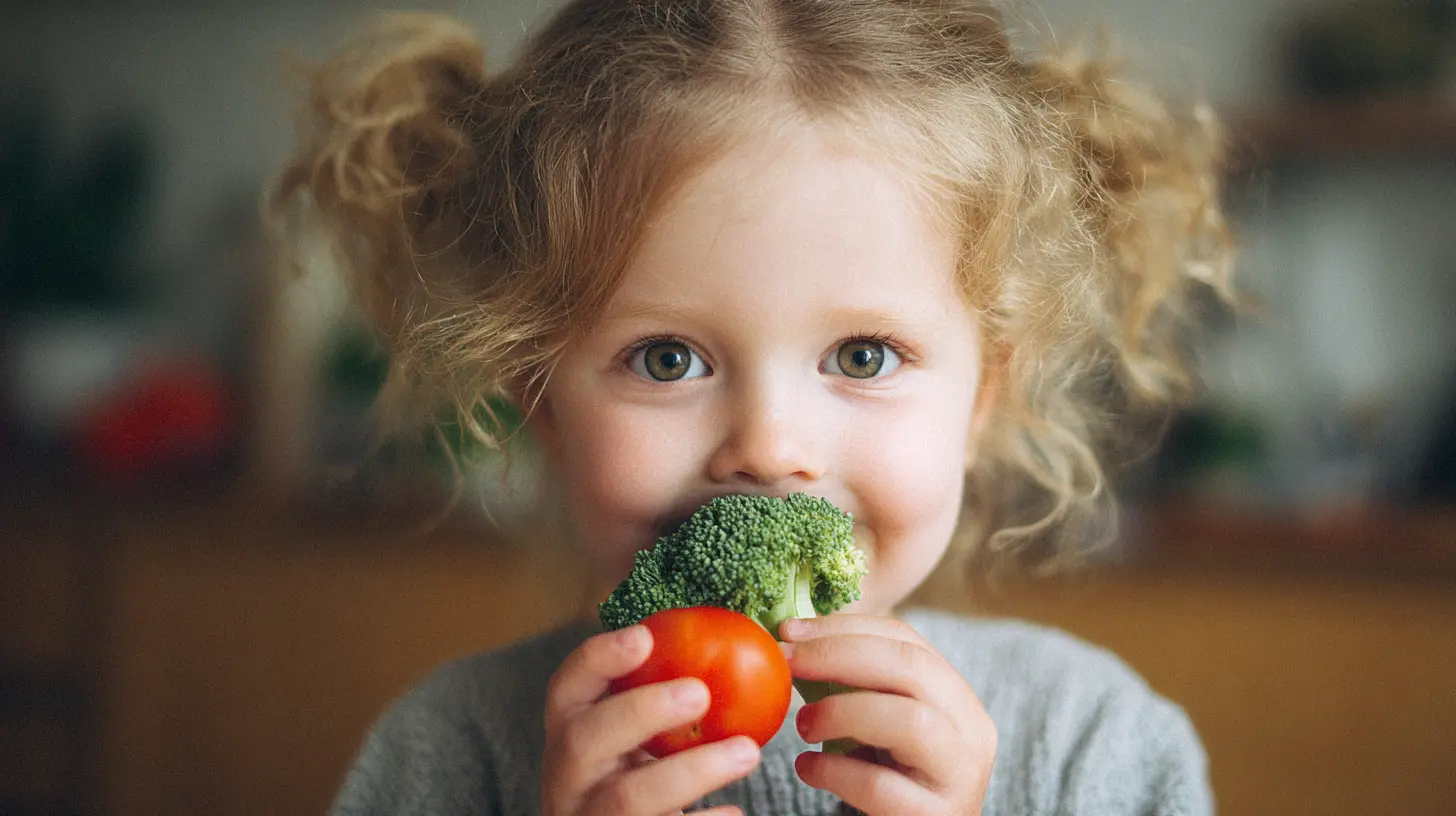
Understanding the Snack Dilemma
The Snack Trap
Before we dive into the world of healthy snacking, let's acknowledge the elephant in the room: kids love snacks. Whether it's a pre-packaged cookie or a handful of gummy bears, the allure of convenience is strong. The real challenge lies in navigating the snack trap without losing your mind or your child's health.The Nutritional Needs of Growing Kids
Kids are like tiny energy factories, constantly on the move and in need of fuel. But not all fuel is created equal. They require a balanced mix of carbohydrates, proteins, and fats to support their growth and development. However, the key here is to provide snacks that are nutrient-dense rather than calorie-dense.Common Misconceptions
One common misconception is that healthy snacks have to be boring. Spoiler alert: they don't. Another is that kids will automatically reject anything that isn't a cookie. While it's true that they may initially turn their noses up at certain foods, persistence can pay off. Kids' taste buds can evolve, and what they dislike today may become a favorite tomorrow.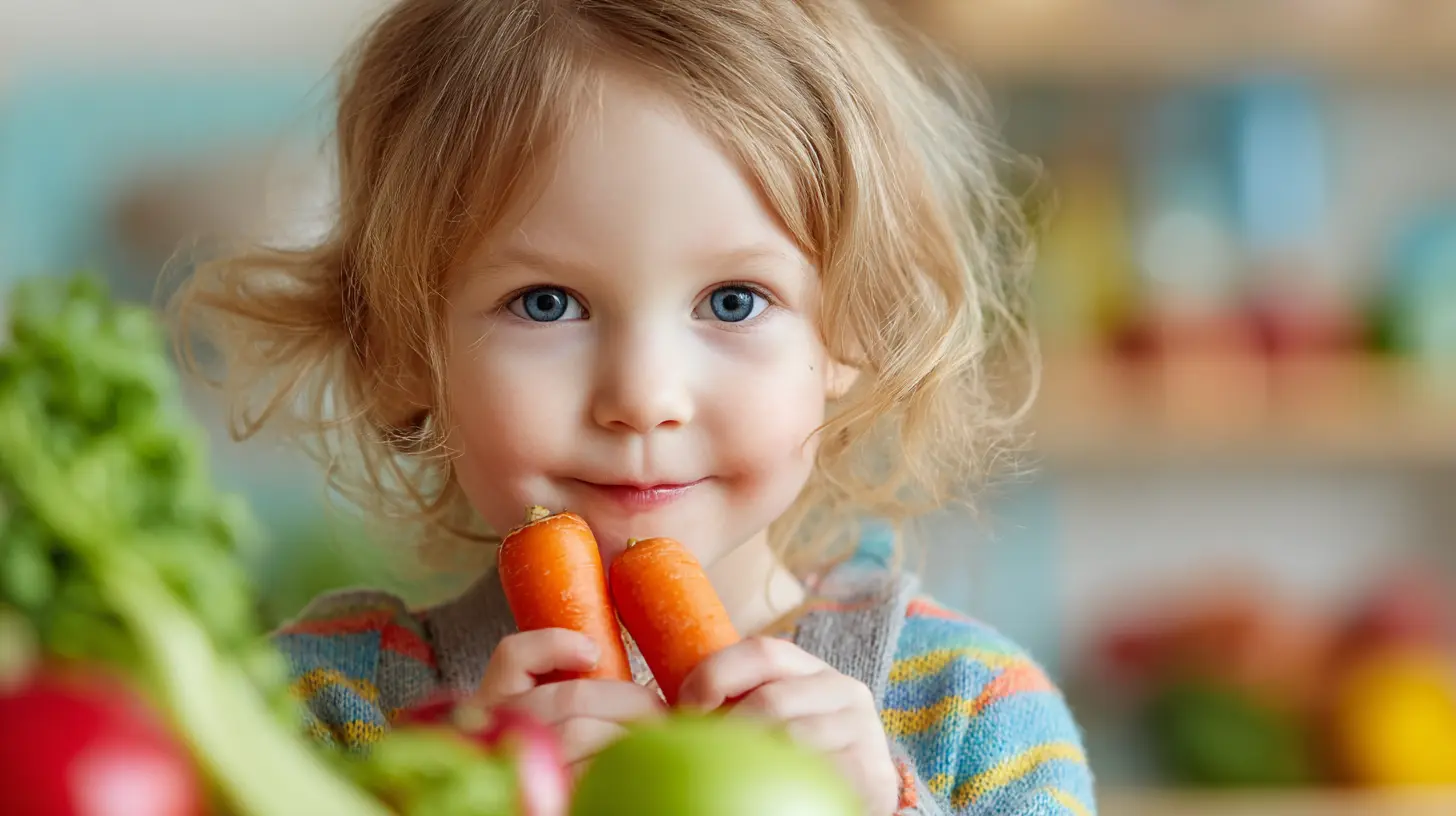
Smart Snack Choices
Fruits and Vegetables: The Unsung Heroes
Fruits and vegetables are the cornerstone of any healthy snacking strategy. They are packed with vitamins, minerals, and fiber, making them ideal for growing bodies.Fresh Fruits
Let's start with fruits. Apples, bananas, and berries are not only nutritious but also portable. Slice up an apple and pair it with some peanut butter for a protein boost. Or pack a handful of berries for a sweet, satisfying treat.Tip: Try introducing your child to exotic fruits like dragon fruit or starfruit. They are not only visually appealing but also make snacking feel like an adventure.
Vegetables with a Twist
Now, let's talk veggies. Carrot sticks and celery are classics, but why not add some flair? Try cucumber slices topped with hummus or bell pepper strips with guacamole. You can even create fun shapes with cookie cutters to make them more appealing.Common Mistake: Avoid the trap of presenting veggies as a chore. Instead, make it a game. Who can create the most colorful veggie plate?
Whole Grains: The Sustainers
Whole grains are an excellent source of energy and can be incorporated into snacks in various ways. Think whole grain crackers, popcorn, or oatmeal.Creative Ideas
- Popcorn Party: Air-popped popcorn is a fantastic snack. Toss it with a sprinkle of nutritional yeast for a cheesy flavor without the calories.- Oatmeal Bites: Make no-bake oatmeal energy bites with nut butter and honey. They are easy to prepare and can be customized with various add-ins like chocolate chips or dried fruit.
When to Avoid: If your child has a gluten intolerance, make sure to choose gluten-free grains. Always read labels carefully.
Protein Powerhouses
Protein is vital for growth and development, and it can come from various sources beyond meat.Dairy Delights
Greek yogurt is a fantastic option. It's creamy, delicious, and can be flavored with fruits or a drizzle of honey.Pro Tip: Freeze yogurt in ice cube trays for a cool snack on hot days.
Nut Butters
Nut butters are not just for sandwiches. Spread almond or peanut butter on whole grain bread, or pair it with apple slices for a satisfying snack.Caution: Be mindful of allergies. Always check with schools and daycare centers about nut policies.
Treats in Moderation
Let's be real: complete deprivation can lead to rebellion. Therefore, it's essential to strike a balance. It's okay to have treats, but moderation is key.Homemade Treats
Why not whip up some homemade cookies using whole wheat flour and oats? You can control the sugar and sneak in some healthier ingredients like mashed bananas or shredded zucchini.The Importance of Presentation
Never underestimate the power of presentation. Kids are visual creatures. A colorful plate can make even the simplest snacks more appealing.Example: Create a rainbow platter with different colored fruits and veggies. Not only is it beautiful, but it also sparks curiosity.
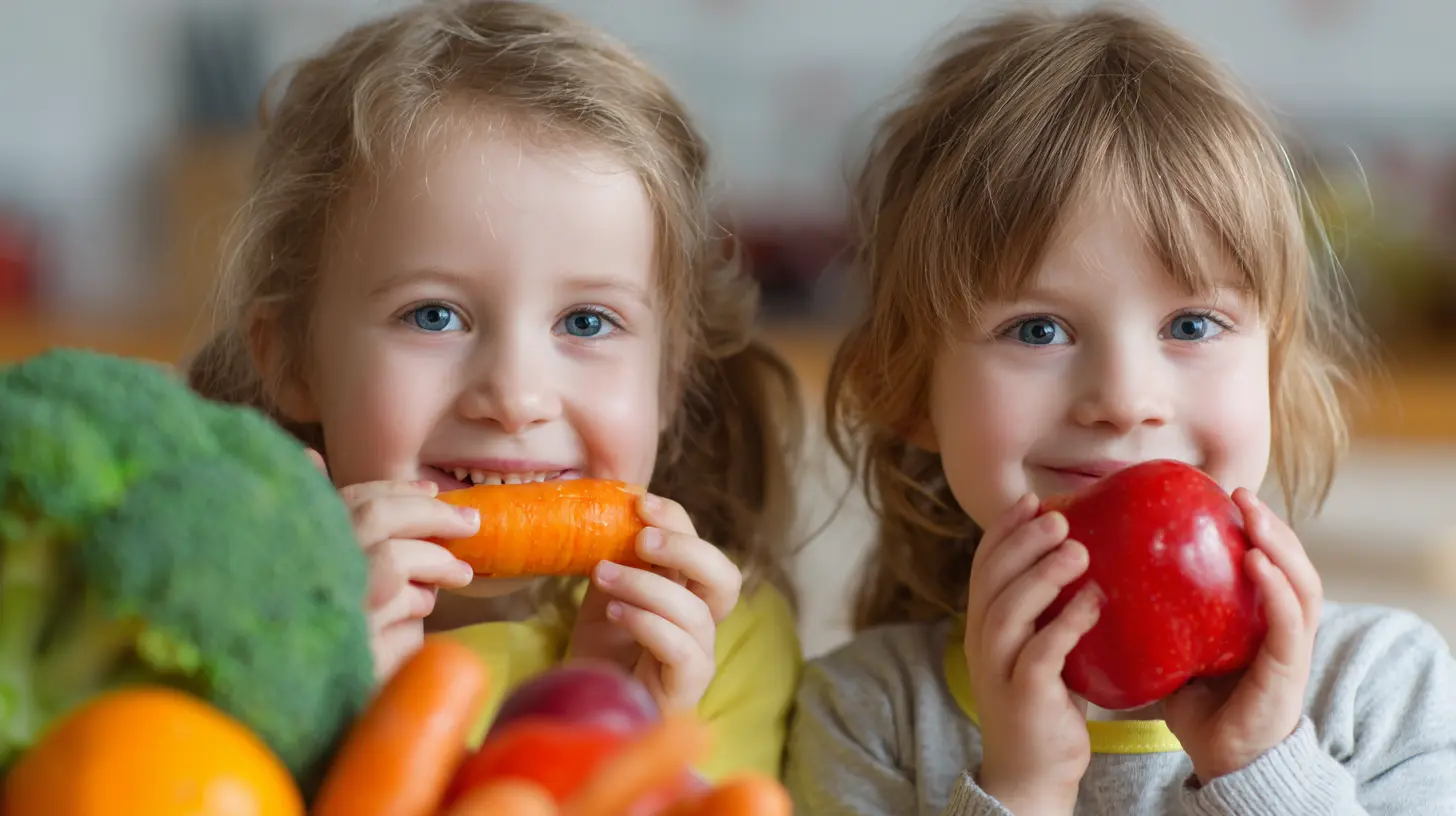
Real-World Examples: Snack Time Success
Case Study: The Snack Swap
Consider the Johnson family. They were struggling with their kids' snack choices, constantly finding themselves in a sugary snack battle. One day, they decided to swap out sugary cereals for homemade granola bars.The kids were skeptical at first, but they got involved in the preparation. They chose their favorite ingredients and helped with mixing and baking. The result? A delicious, healthy snack they felt proud of.
The Power of Involvement
Involving kids in the snack-making process can lead to better choices. When children have a hand in creating their snacks, they are more likely to eat them.Snack Time Challenges
Every family faces challenges. Whether it's time constraints, picky eaters, or budget limitations, finding healthy snacks can feel overwhelming.Time Management
If you're short on time, consider prepping snacks in advance. Spend a little time on the weekend slicing fruits and veggies or making energy bites. Having grab-and-go options will make healthy snacking easier during busy weekdays.Picky Eaters
For picky eaters, try presenting snacks in different forms. If your child refuses raw carrots, try roasting them. Sometimes cooking can change the flavor profile enough to make it more appealing.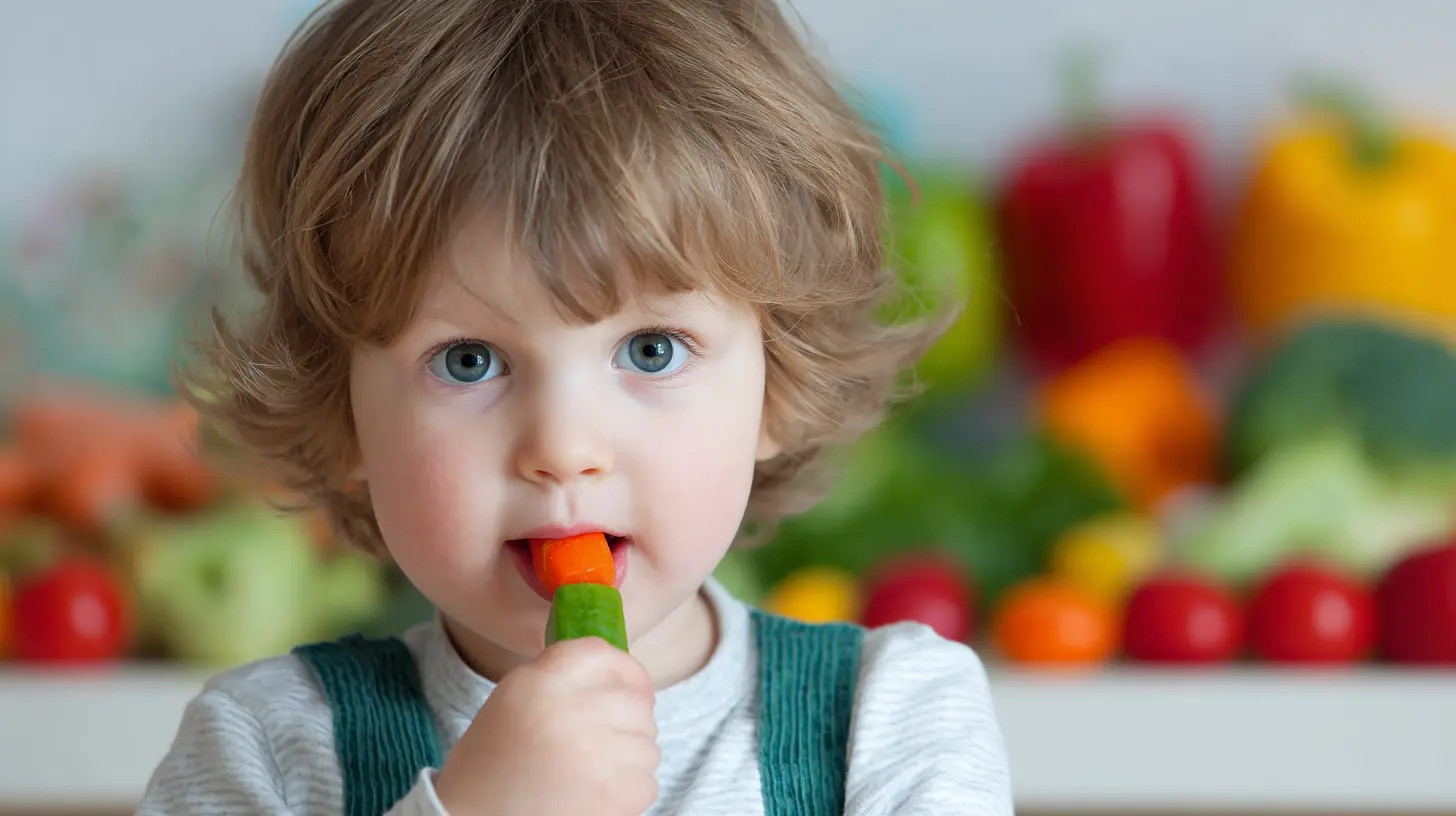
The Role of Education
Teaching Healthy Choices
Education plays a crucial role in raising healthy snackers. Teach your children about nutrition in a fun way. Use games, apps, or even simple conversations during grocery shopping to explain why certain foods are better choices.Building Lifelong Habits
Instilling healthy habits early on can shape their relationship with food for life. Encourage them to try new foods and understand the benefits of nutritious eating.Conclusion: Snack Smart, Not Hard
Raising healthy snackers is more than just about what goes on their plates. It's about creating a positive relationship with food, encouraging exploration, and making nutrition fun. With a little creativity and a sprinkle of humor, you can transform snack time from a battlefield into a culinary adventure.Remember, it's not about perfection; it's about progress. So, the next time you hear your child ask for a snack, take a deep breath, channel your inner snack guru, and whip up something nutritious that even you can enjoy.
all images in this post were generated using AI tools
Category:
Nutrition For KidsAuthor:

Maya Underwood