Nurturing Healthy Friendships in Childhood
12 August 2026
Friendships in childhood are like tiny seeds planted in the garden of life. With the right care—sunshine, water, and a bit of love—these relationships blossom into beautiful flowers that shape a child’s emotional and social world. As parents, caregivers, and educators, we play a crucial role in guiding little hearts to build strong, healthy connections with their peers.
But how do we foster friendships that are rooted in kindness, trust, and joy? Let’s journey through the magical world of childhood bonds and uncover the secrets to nurturing friendships that stand the test of time. 
Why Friendships Matter in Childhood
Imagine childhood without friends—no giggles on the playground, no whispered secrets under blanket forts, no hands held tight on the first day of school. Friendship is more than just play; it’s a fundamental part of growing up.Friendships teach valuable life lessons—how to share, how to express feelings, and how to navigate the ups and downs of relationships. Children who develop strong friendships tend to have better self-esteem, improved mental health, and stronger communication skills. Friendships also serve as a comforting refuge in moments of uncertainty, shaping a child’s sense of belonging in the world.
The Social and Emotional Benefits of Childhood Friendships
Healthy friendships:✔ Encourage empathy and understanding.
✔ Strengthen problem-solving and conflict-resolution skills.
✔ Build resilience and adaptability.
✔ Boost self-confidence and a sense of belonging.
Supporting a child’s friendships means helping them develop the emotional intelligence and social skills they’ll carry for a lifetime. But how do we help them form and maintain these connections? 
Helping Kids Build Strong Friendships
1. Teaching the Art of Kindness and Empathy
Friendship begins with kindness. Teaching kids to be kind, to listen, and to care about others’ feelings helps them form meaningful bonds. Simple acts of kindness—a shared toy, a comforting hug, a cheerful “Good job!”—lay the foundation for trust and connection.? Tip: Encourage role-playing scenarios where your child practices empathy, such as comforting a sad friend or sharing a toy with a new classmate.
2. Encouraging Play and Social Interaction
Play is the golden bridge that connects young hearts. Whether it’s building sandcastles, chasing butterflies, or playing dress-up, unstructured playtime fosters connection and strengthens bonds.Social skills are like muscles—they grow stronger with practice. Setting up playdates, encouraging group activities, or even joining a local sports team gives children opportunities to develop and nurture friendships.
? Tip: Help your child develop conversational skills by teaching them simple phrases like “Can I play with you?” or “That looks fun! Can I join?”
3. Teaching Conflict Resolution and Forgiveness
Even the best friendships face storms. A disagreement over a toy, an argument during a game—it’s all part of the friendship journey. Teaching children how to handle conflicts with respect strengthens their ability to manage emotions and maintain friendships.Encourage open communication. Help your child express their feelings with “I” statements like:
✔ “I felt sad when you didn’t share.”
✔ “I was upset when you ignored me.”
Forgiveness is just as important. Letting go of grudges teaches children that mistakes and misunderstandings don’t have to end a friendship.
? Tip: Teach children the power of an apology. A simple “I’m sorry” can mend many broken bridges. 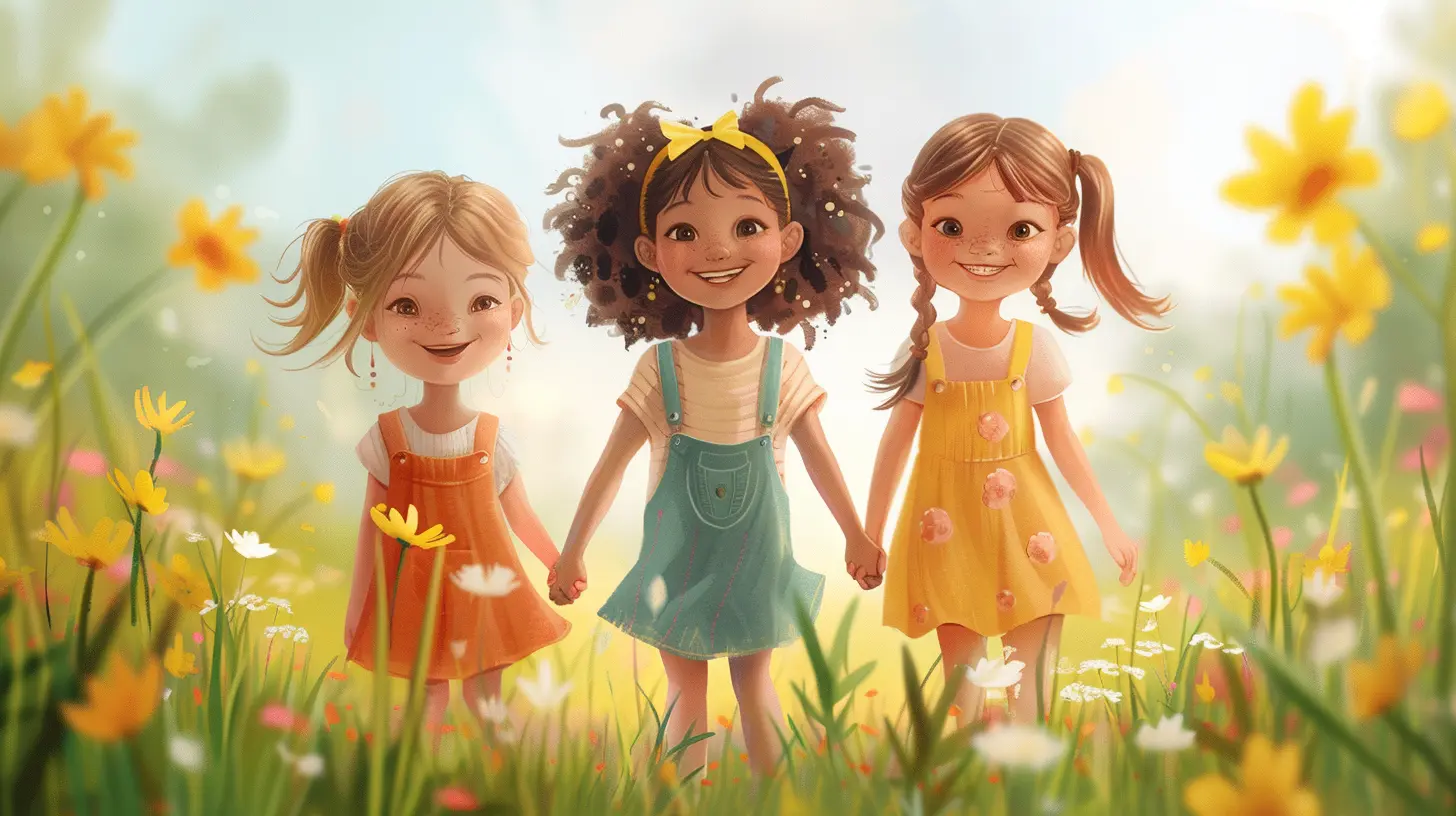
Navigating Different Friendship Challenges
Every child’s journey with friendship is unique. Some make friends easily, while others struggle with shyness. Some experience the deep pain of exclusion or bullying. How can we help children navigate these challenges?If Your Child Struggles to Make Friends
Not every child is a social butterfly, and that’s okay. Some children just need a little extra encouragement.✔ Help them find shared interests by enrolling them in activities they love—art classes, sports, or music lessons.
✔ Practice conversation skills at home, encouraging them to ask open-ended questions.
✔ Lead by example. Show them how to approach new people by modeling friendly behaviors.
If Your Child Feels Left Out
There’s nothing more heartbreaking than hearing, “No one wants to play with me.” Rejection is tough, but it’s also an opportunity to build resilience.✔ Validate their feelings. Acknowledge their pain and reassure them that everyone faces moments of exclusion.
✔ Encourage them to find new social circles—sometimes, new friends are waiting just around the corner.
✔ Teach them to be inclusive. Being kind to others makes it more likely that kindness will be reciprocated.
If Your Child Faces Bullying
Bullying can shake a child’s confidence and make them doubt their worth. As parents, our role is to stand by them, listen to their feelings, and take necessary action.✔ Encourage open dialogue. Let them express their feelings without judgment.
✔ Role-play assertive responses, teaching them to say, “Stop! I don’t like that.”
✔ Speak with teachers or school counselors if bullying persists. 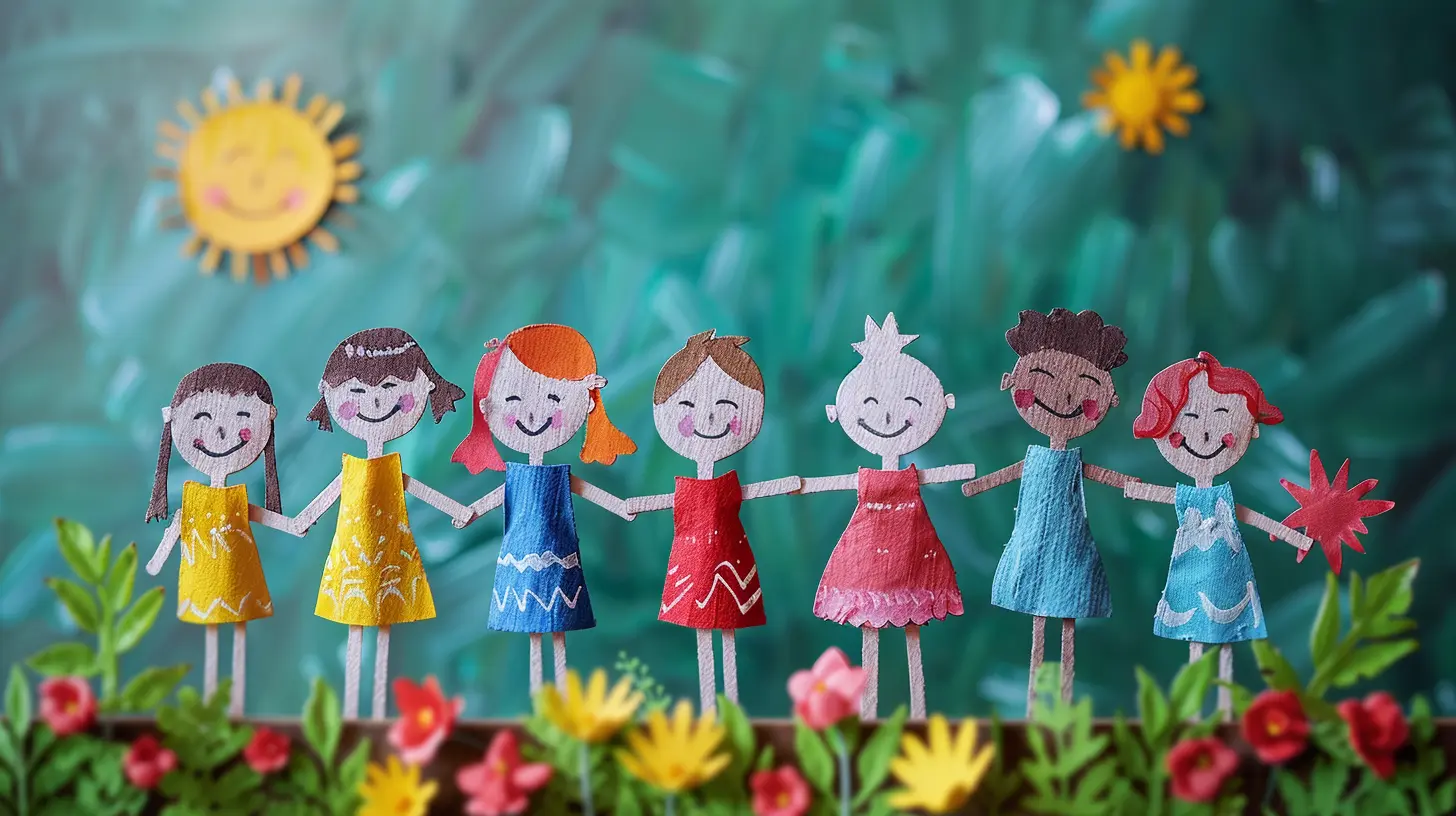
Parenting Strategies to Support Friendships
As parents, we are the quiet architects of our children’s social world. Our words and actions shape how they perceive relationships.1. Model Healthy Friendships
Children learn by watching us. If we nurture our friendships with kindness, respect, and loyalty, they’ll follow suit.? Tip: Share your own friendship experiences with your child—the joy of a lifelong friend, the lessons learned from a disagreement, the comfort of companionship.
2. Teach the Value of Inclusion
Friendships flourish when kids learn to embrace differences. Encouraging children to be welcoming and inclusive helps them build diverse, meaningful relationships.? Tip: Read books and watch movies with diverse friendships to show the beauty of different perspectives.
3. Balance Friendship with Independence
While friendships are important, so is the ability to stand strong alone. Teaching kids that it’s okay to enjoy their own company fosters self-confidence and emotional resilience.? Tip: Encourage hobbies they can enjoy solo, like drawing, reading, or building puzzles. Self-security makes friendships even stronger.
The Everlasting Magic of Childhood Friendships
Childhood friendships are the threads that weave bright memories into the fabric of growing up. These bonds shape how children view relationships, how they trust, communicate, and love. By guiding our little ones to nurture healthy friendships, we give them one of life’s greatest gifts—a heart rich with kindness, a mind open to connection, and a lifetime of cherished companionships.So, let’s water the seeds of friendship in our children’s hearts. Let’s teach them to be kind, to listen, to forgive, and to celebrate the joy of togetherness. After all, every great adventure begins with a friend by your side.
all images in this post were generated using AI tools
Category:
Life Skills For KidsAuthor:

Maya Underwood
Discussion
rate this article
1 comments
Reina McManus
This article is a wonderful reminder of the importance of friendships in childhood. Encouraging our kids to build strong connections sets them up for happiness and resilience throughout their lives. Great insights!
August 14, 2026 at 2:56 AM