Managing Anxiety in Kids as They Face a Changing World
26 October 2026
Childhood anxiety is not a new phenomenon. Children have always worried about thunderstorms, school tests, and whether they will fit in with their peers. What has changed is the landscape they are navigating. A child growing up today faces a stream of information, social comparison, and global uncertainty that previous generations could not have imagined. The result is a generation of kids who are often bright, empathetic, and perceptive, but also more anxious than the adults around them may realize.
This article is not about eliminating anxiety. That goal is neither realistic nor desirable. Anxiety is a normal human emotion that serves a protective function. The aim is to help children develop a healthy relationship with their worries, to recognize when anxiety is becoming unhelpful, and to build skills that will serve them for a lifetime. If you are a parent, caregiver, or educator, the guidance below is designed to be practical, nuanced, and grounded in what we actually know about how children develop emotional regulation.
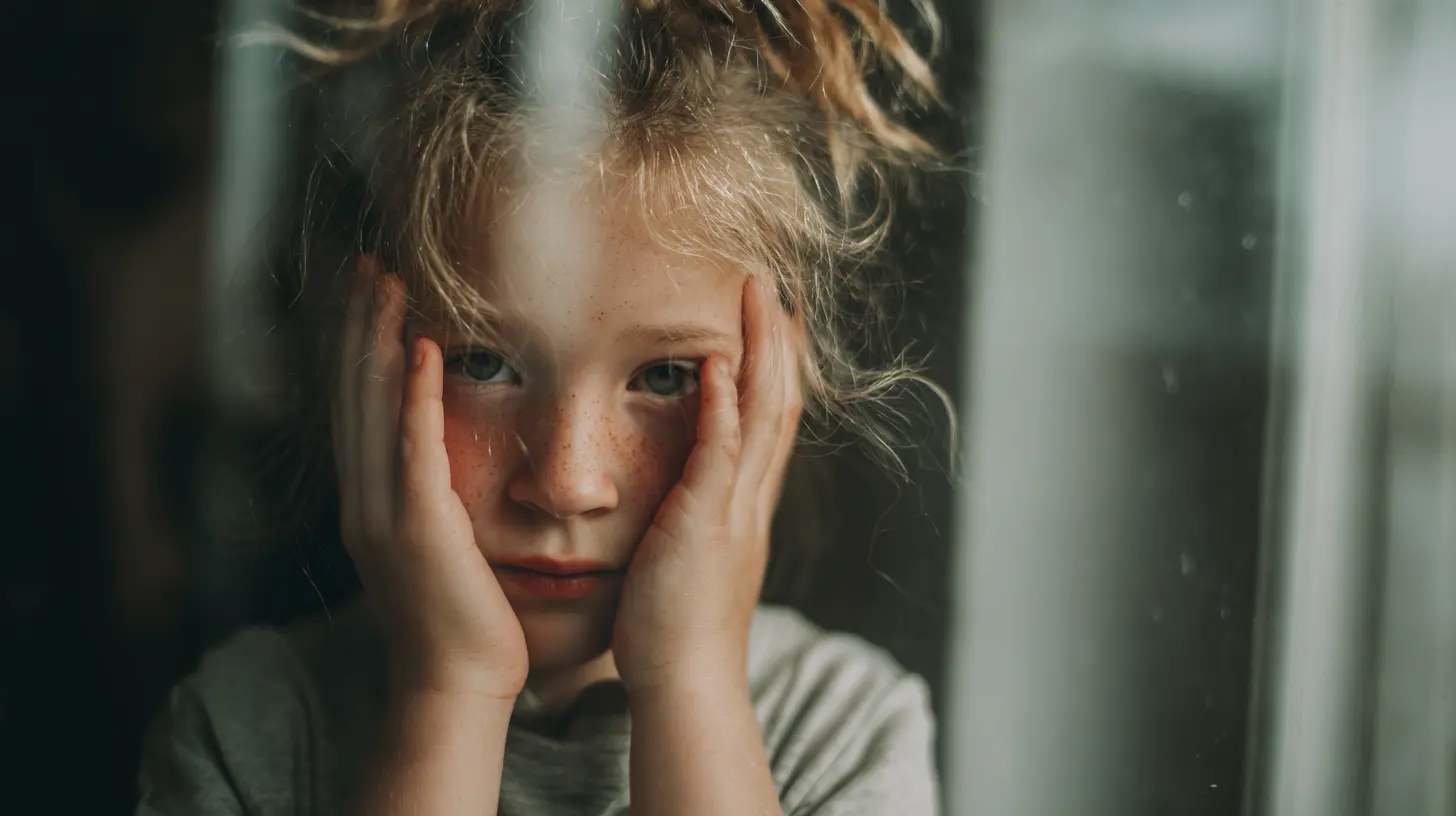
Understanding What Anxiety Actually Is
Before we can manage anxiety in children, we need a working definition that is accurate rather than oversimplified. Anxiety is a physiological and psychological response to perceived threat. It involves the body's alarm system, which is designed to mobilize energy for action. In short bursts, it is useful. It sharpens focus before a performance, prompts caution in a risky situation, and motivates preparation for a challenge.The problem arises when the alarm system becomes oversensitive or stays activated for long periods. In children, this can look like stomachaches before school, avoidance of social situations, irritability, sleep difficulties, or constant reassurance-seeking. It can also look like perfectionism or an intense need for control. Anxiety does not always present as visible worry. A child who is anxious might be the one who seems fine on the surface but melts down at home after holding it together all day.
It is also important to distinguish between developmentally appropriate fears and clinical anxiety. A toddler who cries when a parent leaves the room is exhibiting a normal attachment response. A seven-year-old who worries about a school presentation is likely within the typical range. A child whose anxiety consistently interferes with daily functioning, causes significant distress, or leads to avoidance that shrinks their world may need professional support. As a parent, you do not need to diagnose. You do need to notice patterns and trust your instincts when something feels off.
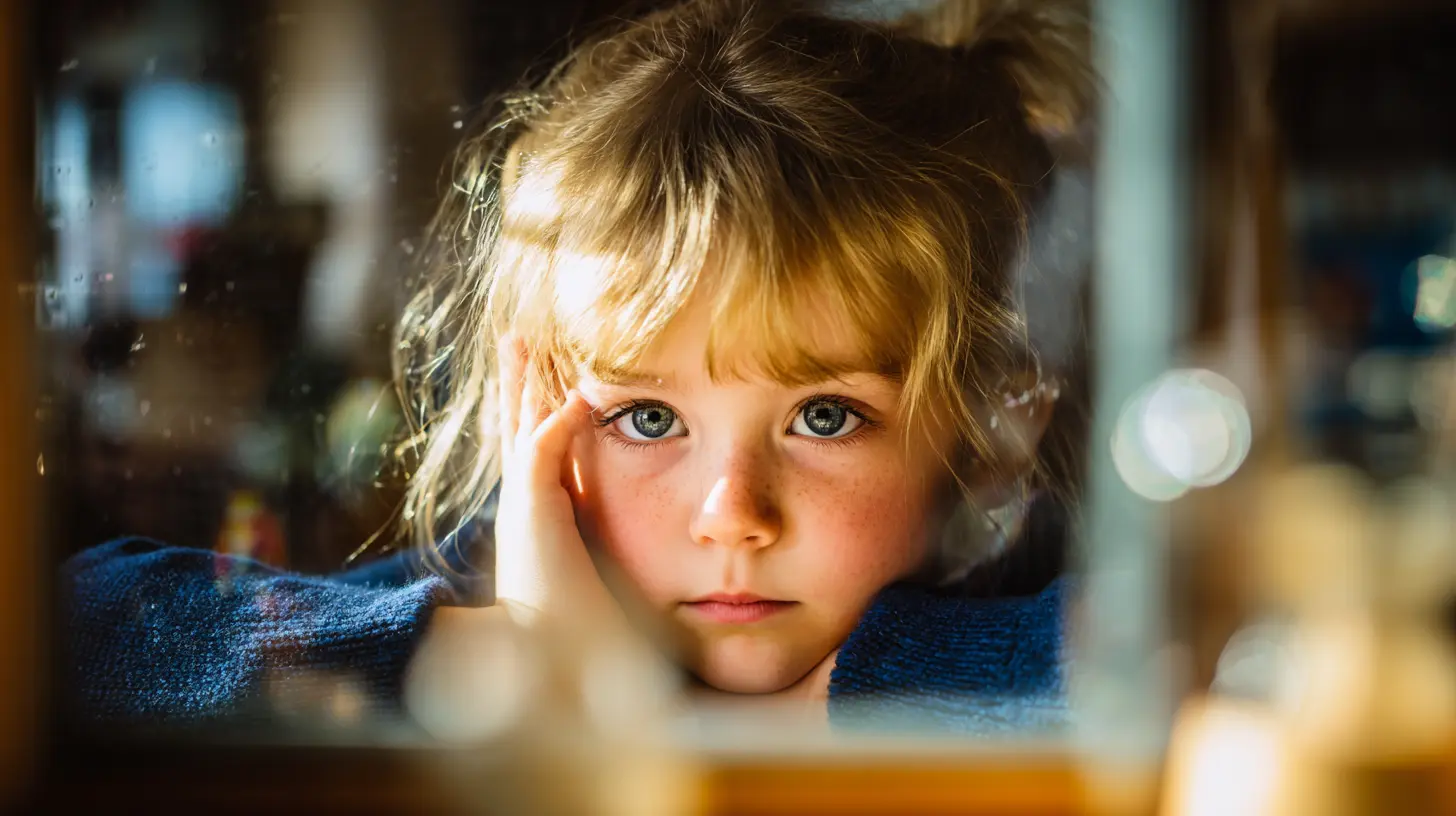
Why the Modern World Amplifies Anxiety
It would be easy to blame screens and social media for everything, but the reality is more textured. Several factors in the contemporary environment interact to make anxiety more likely and more intense in children.Information overload and global uncertainty
Children today are exposed to news cycles that move faster than their emotional processing can keep up with. Climate change, political instability, war, and public health crises are not abstract concepts to a ten-year-old with a smartphone. They are real and immediate. A child who hears about a distant disaster may worry about their own safety in ways that feel disproportionate to an adult but are entirely logical from their perspective. The world feels bigger and more connected, which means it also feels more threatening.Social comparison at scale
Previous generations compared themselves to classmates and neighbors. Today's children compare themselves to curated highlight reels from thousands of people. The adolescent brain is wired for social evaluation, and the feedback loop of likes, comments, and follower counts can turn ordinary self-consciousness into a chronic sense of not measuring up. Even children who are not on social media absorb these norms through older siblings, peers, and popular culture.Academic pressure and structured schedules
Many children today have schedules that leave little room for unstructured play, which is one of the most powerful natural antidotes to anxiety. Play allows children to experiment, fail safely, and practice emotional regulation without adult oversight. When every hour is scheduled, children lose opportunities to develop resilience through low-stakes trial and error.Parental anxiety as a mirror
Children are highly attuned to their caregivers' emotional states. When parents are anxious, children often absorb that anxiety without either party realizing it. This is not about blame. It is about recognizing that anxiety can be transmitted through modeling, and that managing your own responses is part of helping your child.
The Difference Between Accommodation and Support
One of the most important concepts in managing childhood anxiety is the distinction between accommodation and support. Accommodation means changing the environment or your behavior to reduce your child's anxiety. Support means helping your child build the capacity to tolerate and manage anxiety on their own.Accommodation feels kind in the moment. If your child is afraid of the dark, sleeping in their room with them reduces their distress immediately. If your child is anxious about a playdate, canceling it removes the trigger. The problem is that accommodation teaches the brain that the feared situation was indeed dangerous, and that avoidance is the solution. Over time, the anxiety grows because the child never gets the opportunity to learn that they can cope.
Support looks different. It might mean sitting with your child while they express fear, validating the feeling, and then gently encouraging them to take a small step toward the feared situation. It might mean problem-solving together rather than solving the problem for them. It is harder in the short term and more effective in the long term.
This is not to say that accommodation is always wrong. In cases of acute distress or when a child is overwhelmed, temporary accommodation can be appropriate. The key is to be intentional about it. Ask yourself: am I doing this because my child genuinely needs it right now, or because it is easier for both of us to avoid the discomfort? There is no shame in either answer, but the honest one matters.
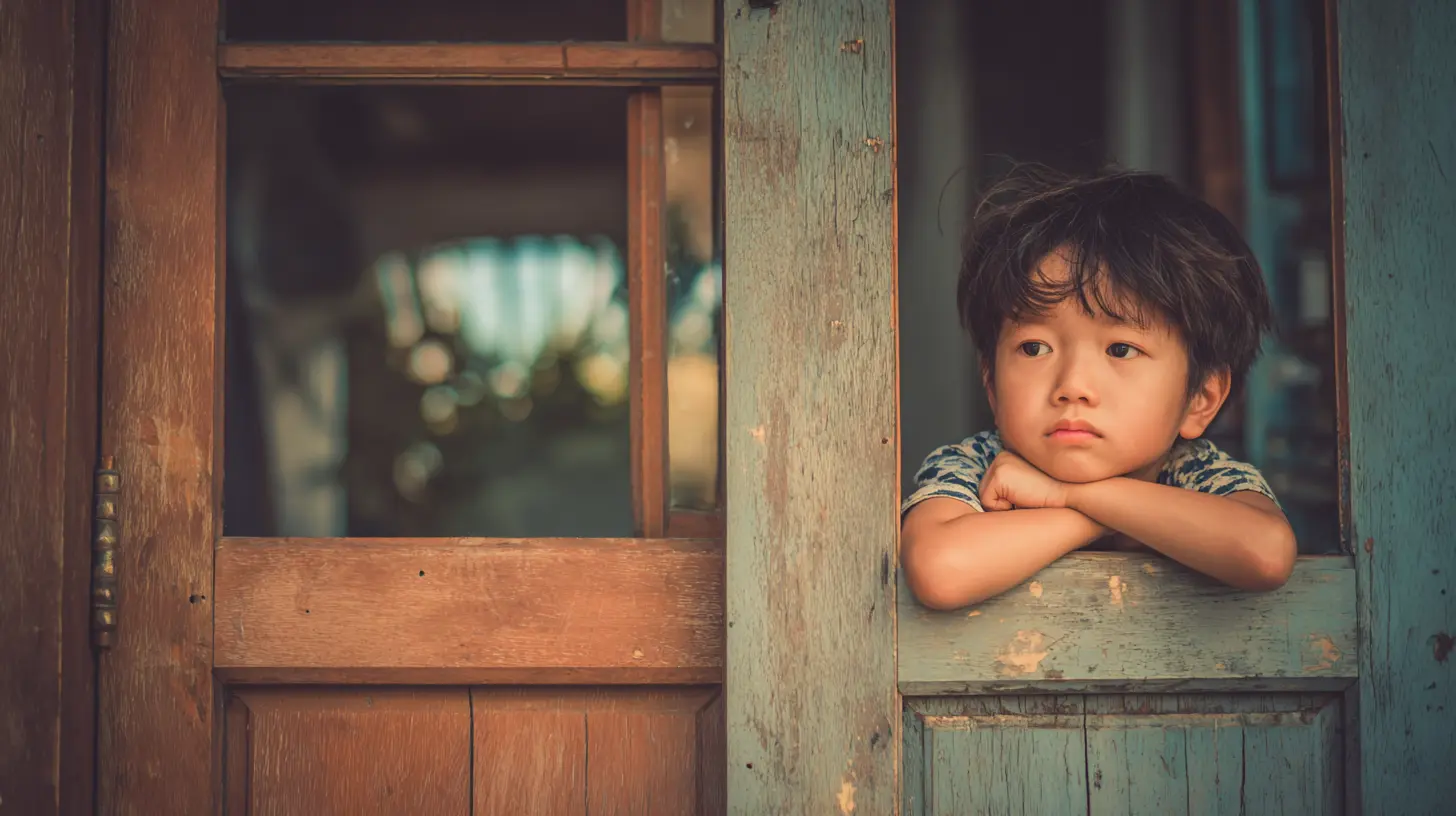
Practical Strategies That Actually Work
The strategies below are not a checklist to complete in a weekend. They are practices to integrate into daily life, adjusted to your child's age, temperament, and specific challenges.Name it to tame it
Helping children label their emotions is one of the most well-supported approaches in developmental psychology. When a child can say "I am feeling nervous about the spelling test" rather than simply acting out or shutting down, they move from being overwhelmed by a feeling to observing it. This shift creates a small but crucial distance between the child and the anxiety.Parents can support this by naming emotions in themselves and others. "I noticed I felt worried when I couldn't find my keys. I took a deep breath and looked again." This modeling normalizes the experience of having difficult feelings and shows that they can be managed. For younger children, picture books about emotions and simple feeling charts can be helpful. For older children, a conversation about where they feel anxiety in their body (tight chest, churning stomach, tense shoulders) can make the abstract concrete.
Externalize the worry
Externalizing anxiety means treating it as something separate from the child. You might say, "It sounds like the worry is telling you that something bad will happen if you go to the party." This framing helps children understand that anxiety is a feeling, not a fact, and that they can talk back to it. Some families use a name for the worry, like "the gremlin" or "the what-if monster." This can feel silly to adults, but for children it creates useful psychological distance.The goal is not to dismiss the worry but to put it in perspective. A child who can say "my worry is telling me I will fail, but I know I studied" is already practicing a form of cognitive reframing that will serve them well into adulthood.
Build tolerance through gradual exposure
Avoidance is the fuel that keeps anxiety burning. The solution is gradual exposure, which means helping your child take small, manageable steps toward the thing they fear. The key word is gradual. If a child is afraid of dogs, the first step might be looking at a picture of a dog. The next might be watching a dog from a distance. The next might be standing near a dog on a leash. Each step should be challenging but achievable, and each success builds evidence that the fear is manageable.Parents often make the mistake of jumping too far too fast, which can backfire and reinforce the fear. The other common mistake is staying at a step for too long, which can become its own form of avoidance. The right pace is one where the child feels some discomfort but is willing to try. Praise effort rather than outcome. "You were really brave to stand near the dog today" is more useful than "See, that wasn't scary at all," which dismisses the child's experience.
Teach physiological regulation
Anxiety lives in the body as much as the mind. Teaching children simple physiological regulation techniques gives them tools they can use in the moment. Slow breathing is the most accessible. You can teach a child to breathe in for a count of four, hold for four, and out for six. The extended exhale activates the parasympathetic nervous system, which is the body's calming response. For younger children, blowing bubbles or pretending to blow out a birthday candle can achieve the same effect without the technical explanation.Physical movement is another powerful regulator. A short walk, jumping jacks, or stretching can discharge the excess energy that anxiety produces. Some children benefit from a sensory object, like a smooth stone or a stress ball, that they can hold during stressful moments. The goal is to give the child a menu of options so they can discover what works for them.
Protect sleep and routine
Anxiety and sleep have a bidirectional relationship. Anxiety makes it harder to fall asleep, and insufficient sleep makes anxiety worse. Protecting your child's sleep is one of the most effective anxiety-management strategies available, even though it feels mundane. Consistent bedtimes, a wind-down routine that includes reduced screen exposure, and a dark, cool room all support better sleep.Routine more broadly provides a sense of predictability that is calming for anxious children. This does not mean rigid schedules. It means that the major touchpoints of the day, like meals, homework, and bedtime, happen in a roughly consistent order. Predictability reduces the cognitive load of anticipating what comes next, which frees up mental energy for other things.
Limit reassurance-seeking without dismissing it
Anxious children often seek reassurance repeatedly. "Are you sure you will pick me up?" "Did I do it right?" "Is the door locked?" The instinct to reassure is strong, but constant reassurance can become a compulsion that temporarily relieves anxiety while strengthening it over time. The child learns that the only way to feel better is to ask, and the anxiety returns as soon as the reassurance fades.A balanced approach is to provide reassurance once, clearly and warmly, and then redirect. "I already told you I will be there at three o'clock. I know the worry is making you ask again. What could you do to help yourself feel calmer while you wait?" This acknowledges the feeling without feeding the cycle. It is not always easy, and some children will protest. Consistency matters more than perfection.
Common Mistakes and Misconceptions
Even well-intentioned parents make choices that inadvertently reinforce anxiety. Being aware of these patterns can help you course-correct.One common misconception is that talking about anxiety will make it worse. In fact, avoiding the topic teaches children that their feelings are shameful or too much to handle. Age-appropriate conversations about anxiety, framed calmly and without alarm, help children feel understood and less alone.
Another mistake is confusing anxiety with weakness. Anxious children are often highly sensitive and perceptive. They notice things others miss. The goal is not to toughen them up but to help them channel their sensitivity in ways that serve them.
A third mistake is over-functioning. When parents solve every problem, advocate for every accommodation, and smooth every path, children do not get the chance to develop confidence in their own coping abilities. This is a hard balance, especially for parents of children with genuine challenges. The question to ask is not "how can I make this easier for my child?" but "how can I help my child feel capable of handling this?"
When to Seek Professional Help
Parenting strategies are powerful, but they have limits. If your child's anxiety is causing significant impairment in daily life, if it is leading to avoidance that is shrinking their world, if it is accompanied by physical symptoms that have no medical explanation, or if it is persisting despite your best efforts, it is time to consult a professional. This is not a failure. It is a recognition that some challenges require specialized support.Cognitive behavioral therapy is the most well-established approach for childhood anxiety, and it often involves parents as active participants. In some cases, medication may be considered, particularly when anxiety is severe or when therapy alone has not been sufficient. These decisions should be made in consultation with qualified professionals who know your child.
Building Long-Term Resilience
The ultimate goal is not to raise children who never feel anxious. It is to raise children who know how to respond to anxiety with skill and self-compassion. This means teaching them that difficult feelings are part of life, that they are capable of tolerating discomfort, and that asking for help is a sign of strength rather than weakness.Resilience is built through experience, not through protection. Every time a child faces a fear and survives it, they add a brick to their foundation of confidence. Every time they express a difficult emotion and are met with warmth rather than dismissal, they learn that their inner world is manageable. Every time they see a parent model calm in the face of uncertainty, they absorb a template for how to respond to their own challenges.
The world your child is growing up in is complex and sometimes frightening. You cannot shield them from that. What you can do is equip them with the skills, the self-understanding, and the relationship safety they need to navigate it. That is not a small thing. It is the work of a lifetime, and it starts with the small, ordinary moments of connection and guidance that happen every day.
all images in this post were generated using AI tools
Category:
Parenting And EmotionsAuthor:

Maya Underwood
Discussion
rate this article
1 comments
Icarus Sullivan
Understanding each child's unique triggers is crucial for effectively managing their anxiety in today's world.
October 26, 2026 at 5:29 AM