The Important Lessons Chores Can Teach About Gratitude
12 July 2026
Let’s be real—getting kids to do chores can feel a bit like herding cats. You ask them to put away their toys, and they suddenly remember they have to “research dinosaurs” or, out of the blue, need a nap (during the day, really?). But what if I told you that all those eye-roll-worthy moments are actually golden opportunities to teach something invaluable?
Yup, I'm talking about gratitude.
While it's easy to see chores as just a way to keep the house from looking like a post-tornado scene, they can also be the ultimate character-building tool. When kids pitch in around the house, they gain more than just clean rooms or folded laundry—they begin to understand effort, appreciate what goes into maintaining daily life, and, most importantly, grow a grateful heart.
Let’s dig into the nitty-gritty of how chores, even those small ones like feeding the dog or wiping the table, can teach our children powerful lessons about gratitude.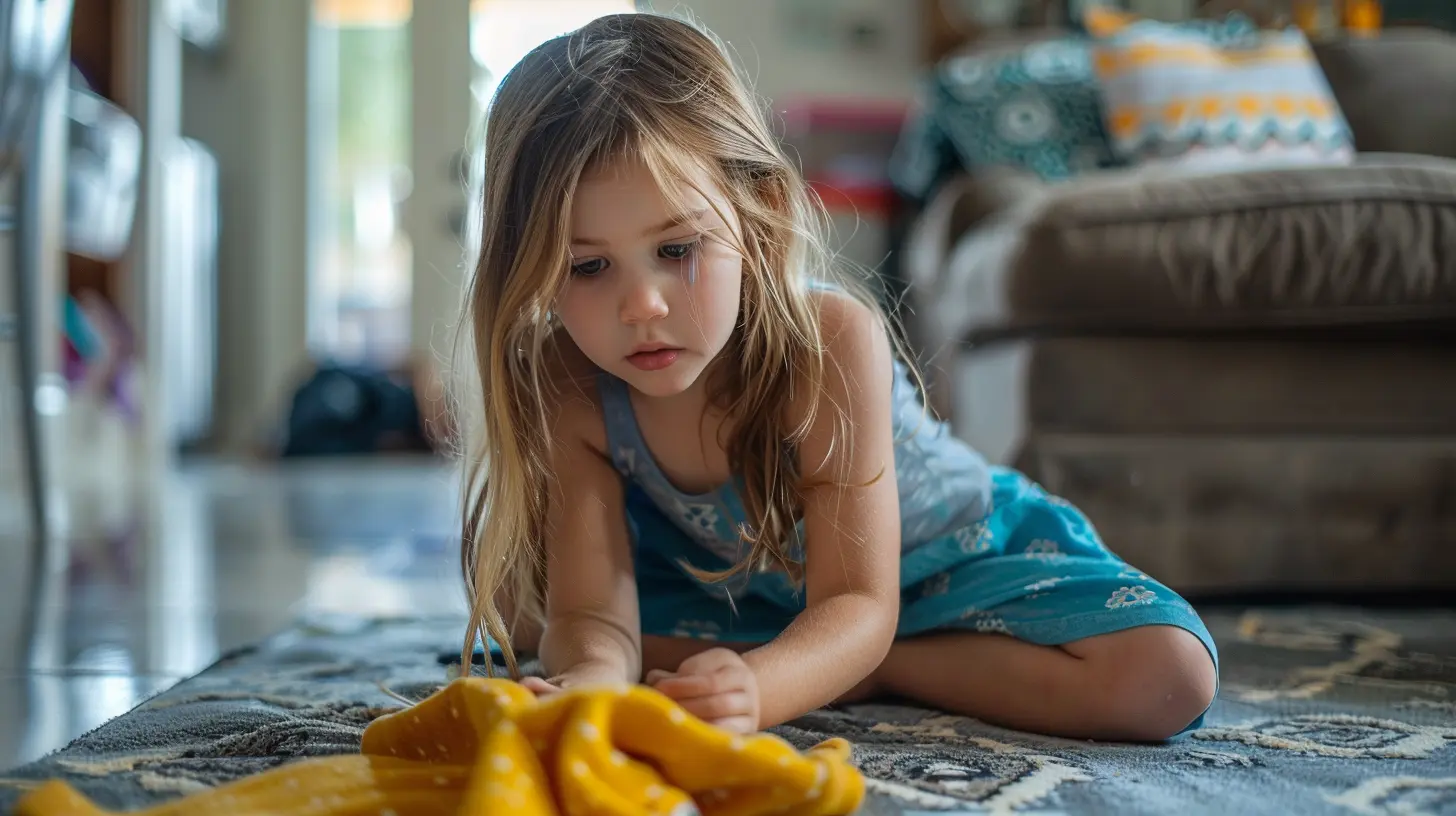
Why Gratitude Matters (Especially For Kids)
Before we jump into the chore chart, let’s talk about why gratitude is such a big deal.In today’s world of instant everything—TV on demand, two-day shipping, and Alexa doing half our thinking—it’s easy for kids (and adults) to take things for granted. Gratitude flies out the window when comfort and convenience are just part of our daily routine.
But gratitude? It’s like a muscle. The more we use it, the stronger it gets.
Grateful kids tend to be more empathetic, less entitled, and generally happier. Plus, studies show that gratitude can boost mental health, improve relationships, and even help with better sleep. If that’s not a parenting win, I don’t know what is.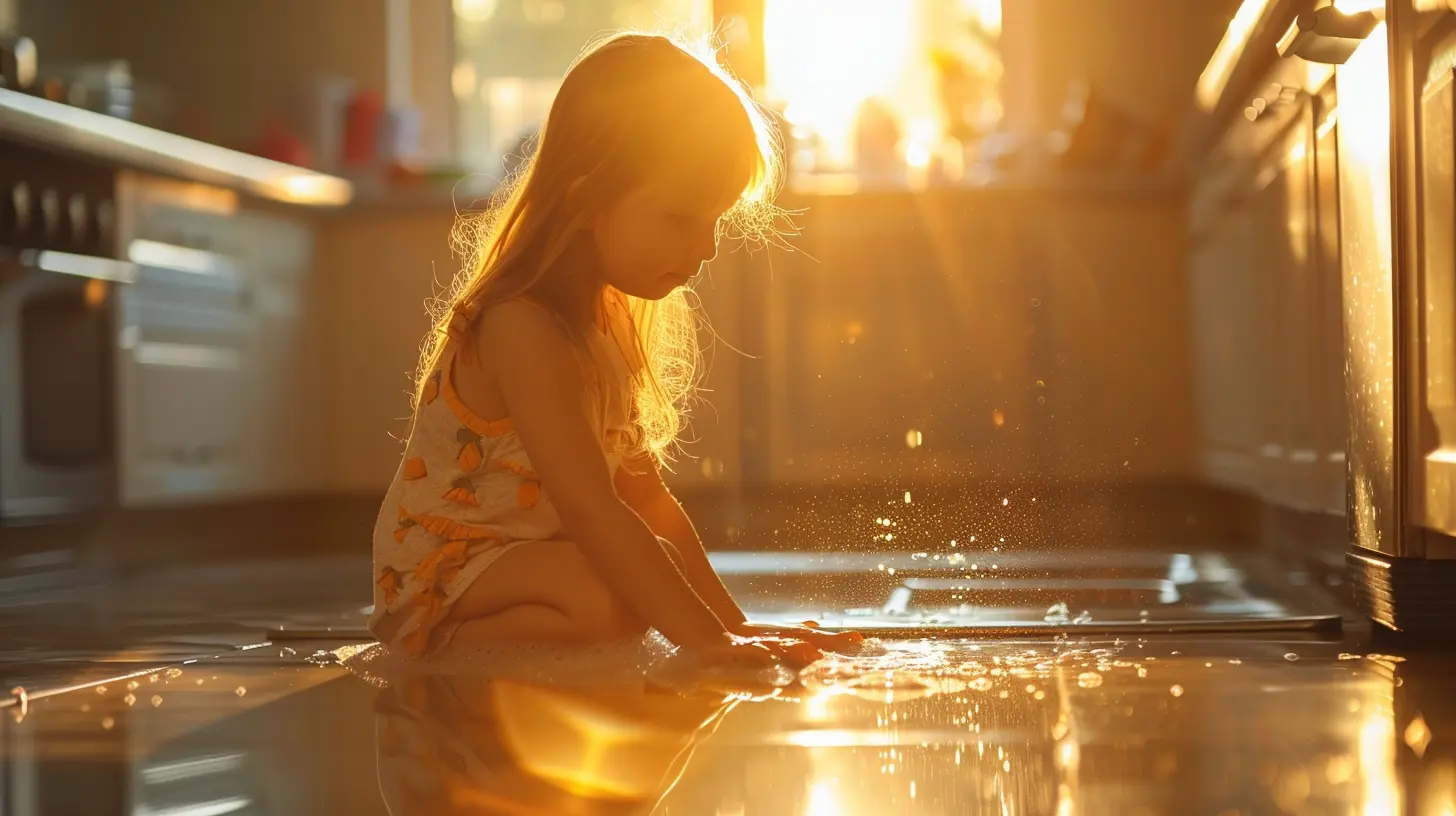
Chores: The Unexpected Gratitude Teachers
Now, how do chores factor into all this?Well, chores are about contribution, effort, and responsibility—three things that directly nurture appreciation. Here’s how:
1. Chores Show That Things Don’t Magically Happen
Let’s be honest. Kids often think houses clean themselves, dishes wash themselves, and refrigerators restock like magic. But the minute they’re the ones doing these tasks, the curtain gets pulled back on the “wizard” behind the scenes—you.When a child vacuums for the first time, they quickly realize it's not fun or glamorous. It's work. And that realization? That’s the foundation of respect.
They start to appreciate all those times you've tidied up without a peep. Suddenly, a clean room isn’t just “normal”—it’s something to value.
Example: When my 9-year-old helped me clean the bathroom for the first time, she looked at me, horrified, and said, “You do this every week?” Now she leaves less toothpaste in the sink. Small victory? Yep! But also a clear sign she’s learning to be grateful for the effort that goes into everyday tasks.
2. Chores Teach the “Behind-the-Scenes” Work Matters
Gratitude isn’t just about saying “thank you” for gifts or treats. It's about recognizing all the unseen energy that goes into making life function.Putting dishes in the dishwasher? That’s not glamorous. Folding socks? Downright dull. But these small, often invisible tasks are what keep a home running smoothly.
By involving kids in these behind-the-scenes jobs, they start to respect the unseen. They realize that love isn’t just shown in words—it’s in actions, like clean clothes and warm meals.
3. Delayed Gratification = Deeper Gratitude
Instant gratification is fun… but fleeting. Chores, on the other hand, teach patience. There’s no flashy reward for making your bed every morning or packing your own lunch, but over time, kids start seeing the benefits:- A clean, cozy bedroom
- A homemade sandwich they actually like
- The satisfaction of contributing to family life
Learning to wait, to do something without an immediate payoff, helps kids understand that good things come with time and effort—and that, friends, is what nurtures deep gratitude.
4. Chores Build Empathy Through Shared Responsibility
When kids contribute to family chores, they stop seeing themselves as “the center of the universe” (even though they’ll always be the center of ours).They begin to see others—to realize that mom gets tired too, that dad isn’t a robot, and that siblings also have responsibilities.
This awareness builds empathy. And the more empathetic a child becomes, the more likely they are to say “thank you” without being prompted.
Empathy and gratitude go hand in hand. One helps us see, the other helps us feel.
5. Chores Encourage Mindfulness
Believe it or not, chores can be mindful moments. When kids are dusting shelves or watering plants, they’re forced to stop, focus, and be in the moment.And what happens when they slow down?
They start noticing things.
They might see how much cleaner the room looks without clutter. They might admire how nice the house smells after mopping. They might even notice the joy of helping without being asked.
That’s gratitude growing in real-time.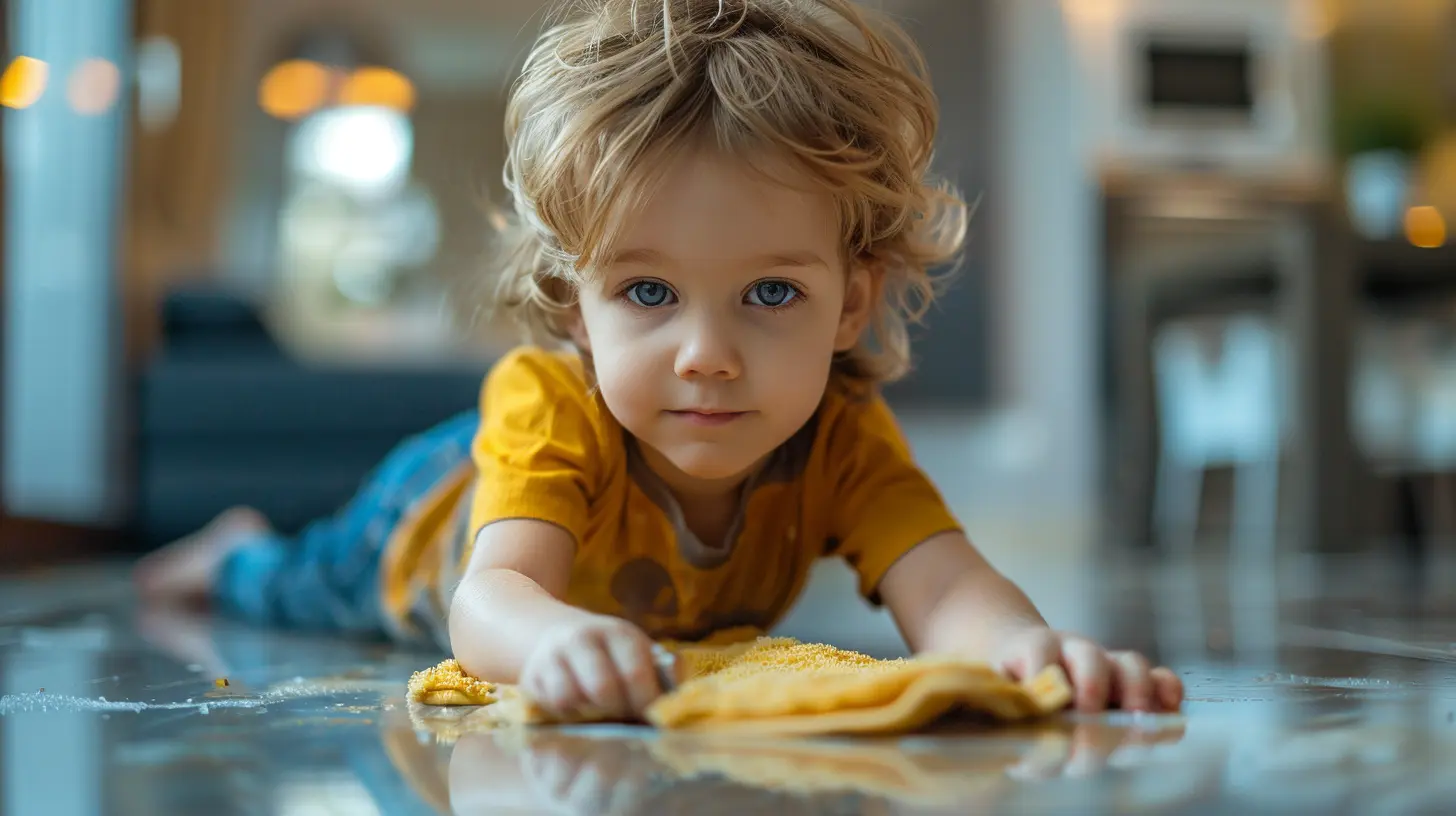
How to Use Chores to Teach Gratitude (Without the Nagging)
Alright, we’ve talked about why chores can teach gratitude. Now let’s dive into the how. Because forcing a six-year-old to scrub the baseboards probably isn’t the answer.Here are some parent-approved tricks to make chores a gratitude goldmine:
1. Start Small and Stay Consistent
Don’t start with a full-blown spreadsheet of tasks. Choose one or two small chores and build from there. Keep it age-appropriate and consistent.Examples:
- Toddlers: Putting toys in a bin
- Preschoolers: Wiping the table after meals
- Elementary: Watering plants or unloading the dishwasher
- Tweens/Teens: Laundry, vacuuming, cooking simple meals
Consistency creates rhythm. And rhythm builds habits.
2. Connect the Dots
Help your kids understand the why behind the chore. Don’t just say, “Because I said so.” Instead, show them how their effort makes life better for themselves and everyone else.For example:
- “When you help fold laundry, it gets done faster, and we have more time for movie night.”
- “When you feed the dog, he stays healthy—and look how happy he is!”
When kids feel their effort matters, gratitude blooms.
3. Lead by Example (Even When It’s Tough)
Let’s face it—we’re their biggest role models. If we treat chores like a burden, they will too. But if we show pride in caring for our home and thank them when they help, they notice.Say things like:
- “I appreciate you helping me today—it really made a difference.”
- “I’m proud of how responsible you’re becoming.”
Gratitude is contagious. When they feel it, they give it.
4. Use Praise That Highlights Effort and Impact
Instead of generic “good job,” try:- “You really took your time folding those towels—that helped me out a lot!”
- “I noticed you didn’t need a reminder today. That shows maturity!”
This kind of praise reinforces why their contribution matters. And when they see the value, they start feeling grateful themselves.
5. Don’t Tie Chores to Rewards Every Time
Sure, allowance has its place. But if every chore gets a cookie or cash, kids might miss the bigger lesson.Sometimes, the reward should just be: “Hey, this is what it means to be part of a family. We help each other.”
You’d be surprised how proud kids can feel when they contribute without expecting something in return.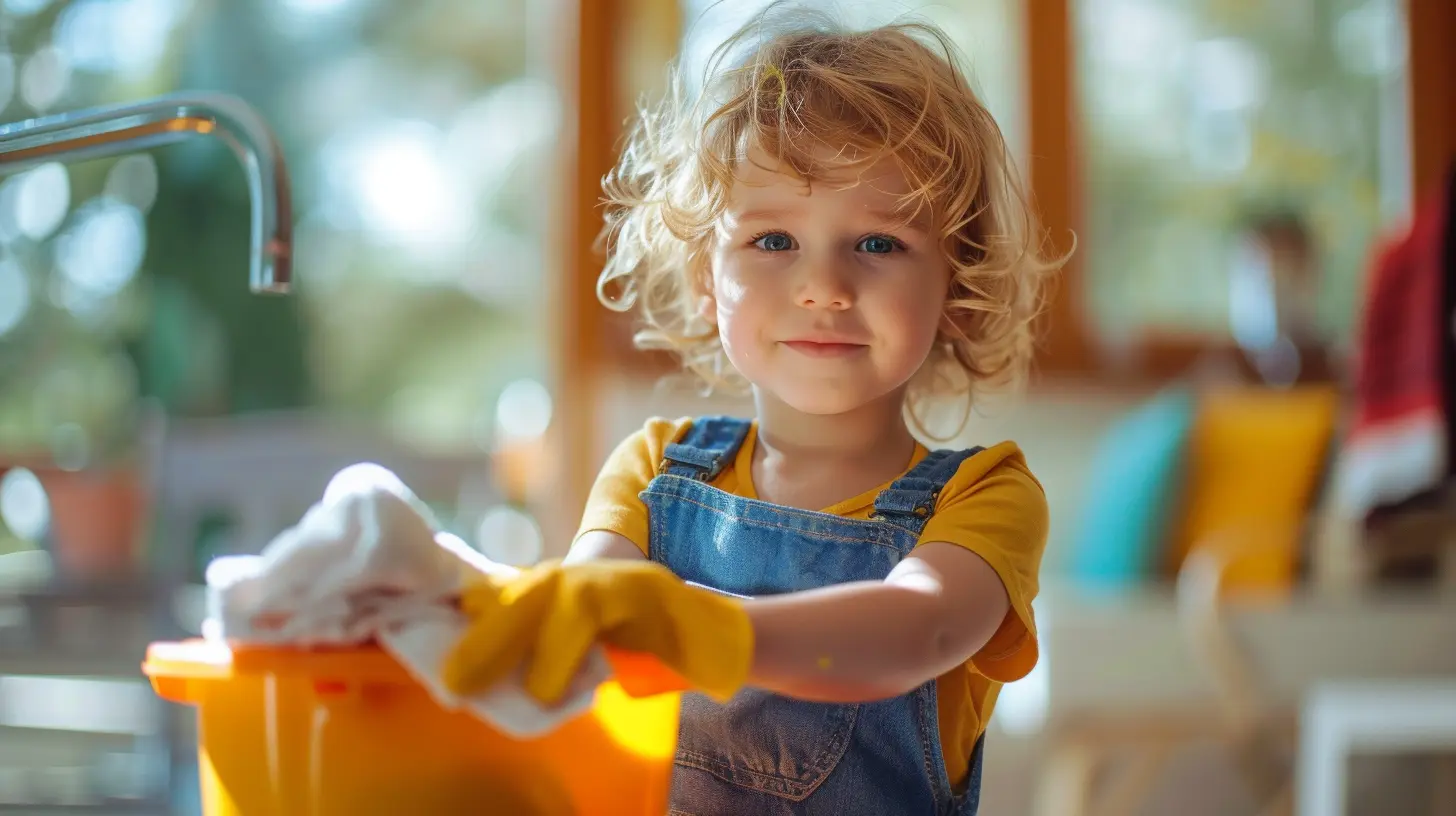
Real-Life Gratitude Moments (Shared by Parents Like You)
Here are a few real moments parents have shared that show the power of chores in action:> “My son used to complain about setting the table. But one night, I was sick, and he did it without being asked. Later he said, ‘I know how hard it is when you're not feeling good. I wanted to help.’ Cue the tears.”
— Tanya, mom of two
> “After doing dishes for a week, my daughter apologized for every single plate she’d left in the sink over the past year.”
— Jordan, dad of one
> “My teen now thanks me when I cook dinner. He made spaghetti once and said, ‘That was exhausting.’”
— Melissa, single mom of three
Little wins like these? That’s the magic of gratitude taking root.
The Long-Term Payoff of Chores and Gratitude
Let’s zoom out for a sec.By teaching kids to help out at home and appreciate the effort behind everyday tasks, we’re doing more than just raising responsible humans. We’re planting seeds of compassion, humility, and self-worth.
These are the kids who grow up understanding that love is a verb.
They're more likely to thank their teachers, respect their coworkers, and appreciate their partners. And when life gets tough (because it will), that foundation of gratitude will keep them grounded.
So sure, getting them to take out the trash today might involve some dramatic sighing and epic eye rolls—but tomorrow? You just might raise someone who says “thanks” without being told.
And that, my friend, is priceless.
Final Thoughts
Chores may not be glamorous, and they probably won’t top any kid’s list of favorite activities. But tucked inside those simple, everyday tasks are life lessons that shape character for years to come.So next time your kid groans about putting their plate in the sink? Take a breath, remind yourself that you're not just fighting for a clean kitchen—you’re paving the way for a thankful heart.
And if nothing else, at least you’re not vacuuming alone.
all images in this post were generated using AI tools
Category:
Kids And ChoresAuthor:

Maya Underwood
Discussion
rate this article
1 comments
Zephyrion Nelson
Chores instill responsibility and appreciation, crucial for developing strong values in children.
July 16, 2026 at 3:34 AM
Maya Underwood
I completely agree. Chores really do lay the foundation for responsibility and appreciation in kids, shaping their values for life.