Lunchbox Ideas That Fuel Learning and Play
5 October 2026
A lunchbox is a small daily decision with a long reach. What goes inside it shapes how a child concentrates through the afternoon, how they behave on the playground, how they feel about food, and how they learn to make choices for themselves. Most parents know this on some level. Yet the gap between knowing and doing is wide, and it is usually filled with time pressure, picky eating, food safety worries, school rules, and the quiet fear that whatever you pack will come home untouched.
This article is not a list of cute sandwich shapes. It is a working framework for thinking about the lunchbox as a tool. The goal is simple: food that a child will actually eat, that supports steady energy and focus, that survives a backpack, and that does not consume your entire evening to prepare.
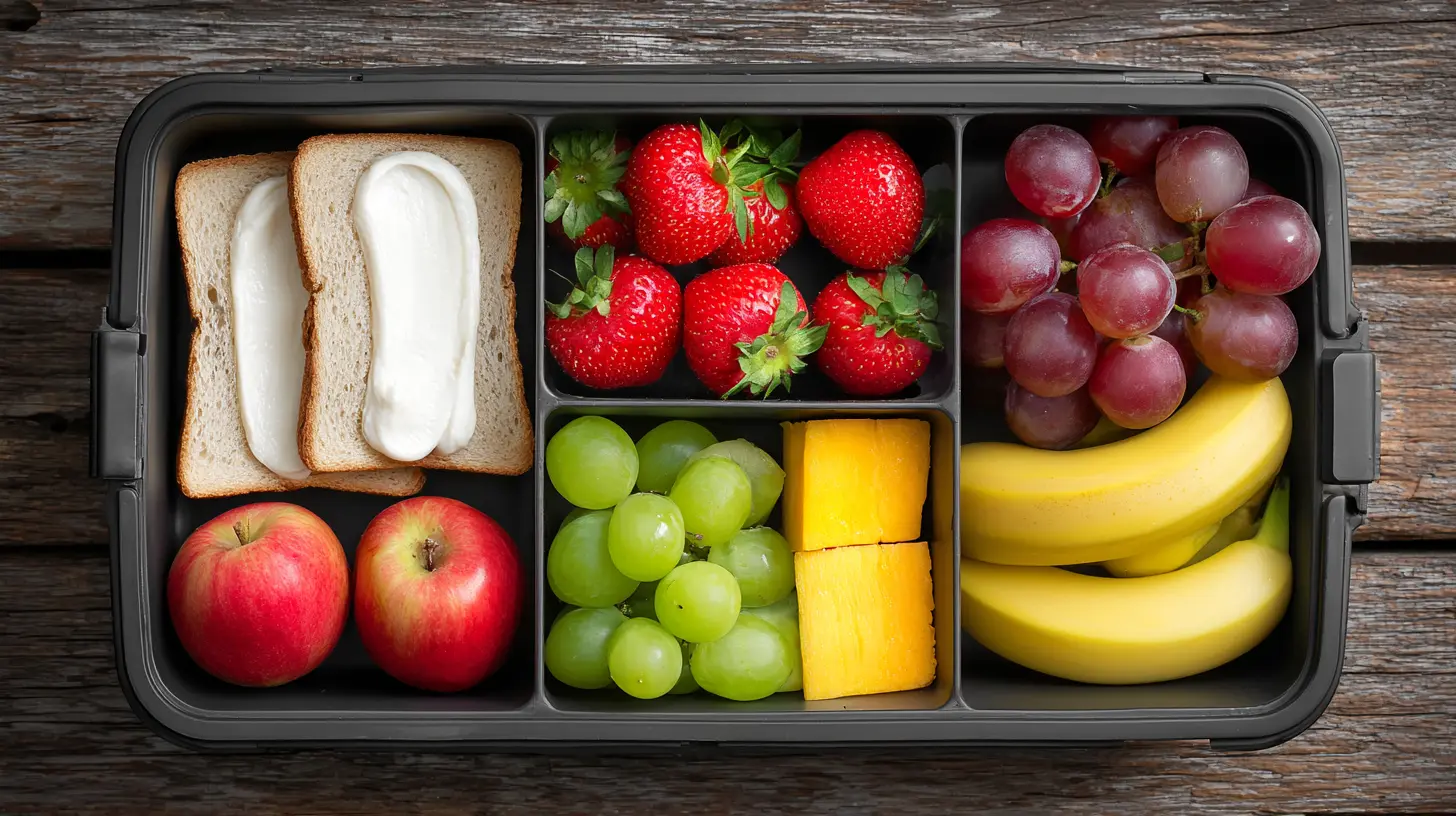
Why the Lunchbox Matters More Than Most Parents Realize
A child's school day is cognitively expensive. Reading, math, listening, sitting still, navigating friendships, and managing emotions all draw on the same underlying resource: stable blood sugar and adequate hydration. When that resource dips, attention frays, patience shortens, and frustration tolerance drops. Teachers see it every day in the hour after lunch.The lunchbox is one of the few levers parents control during school hours. Breakfast matters, sleep matters, and home dinner matters, but lunch is the meal eaten away from home, often in a rushed, noisy environment with limited adult support. That makes it both high-stakes and easy to get wrong.
There is also a longer game. Children who eat a varied diet during childhood tend to carry those preferences into adulthood. The lunchbox is a low-pressure classroom for food literacy. It teaches, quietly and repeatedly, that eating well is normal.
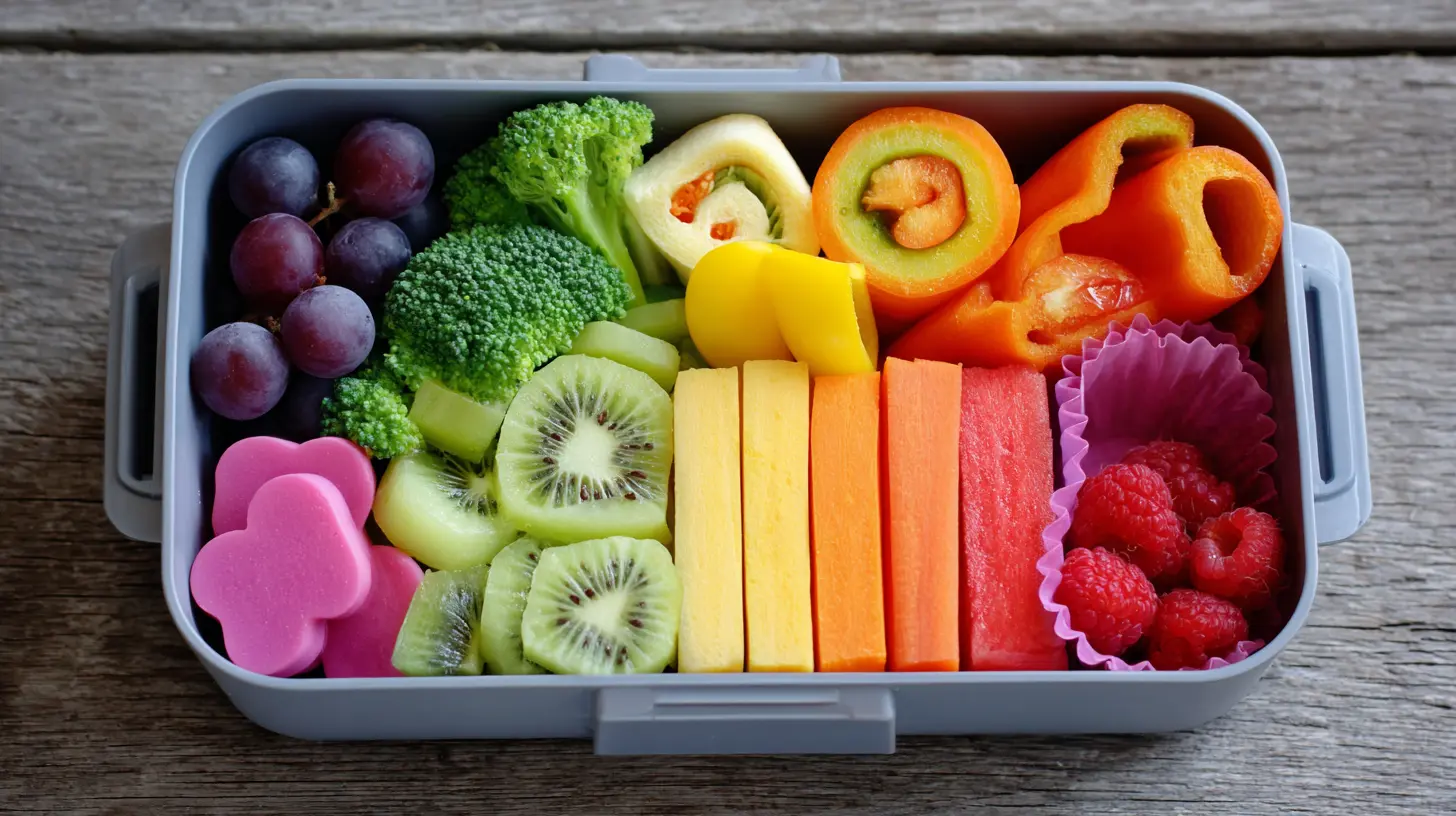
The Core Principle: Fuel That Releases Slowly
The single most useful idea in lunchbox planning is the difference between fast fuel and slow fuel.Fast fuel is refined carbohydrate: white bread, juice, sweet yogurt drinks, crackers, candy, most cereal bars. It digests quickly, spikes blood sugar, and then lets it fall. The crash that follows is what parents describe as "he was fine in the morning and impossible at 3 p.m."
Slow fuel is a combination of protein, fat, and fiber. These slow digestion and flatten the blood sugar curve. A child who eats a lunch built on this combination tends to arrive at the afternoon with more even energy.
This does not mean banning carbohydrates. It means pairing them. An apple alone is fast fuel. An apple with cheese or nut butter becomes slow fuel. A plain bagel is fast fuel. A bagel with cream cheese and cucumber becomes slower. The pairing is the point, and it is a habit that takes seconds to apply once you see it.
A Practical Ratio to Aim For
A reliable starting point for a main meal is roughly:- One protein source
- One produce item, ideally two
- One whole-grain or starchy item
- One source of fat
- Water
You do not need to hit every category every day. But if a lunchbox consistently misses protein and fat, expect the afternoon slump. If it consistently misses produce, expect long-term diet narrowing.
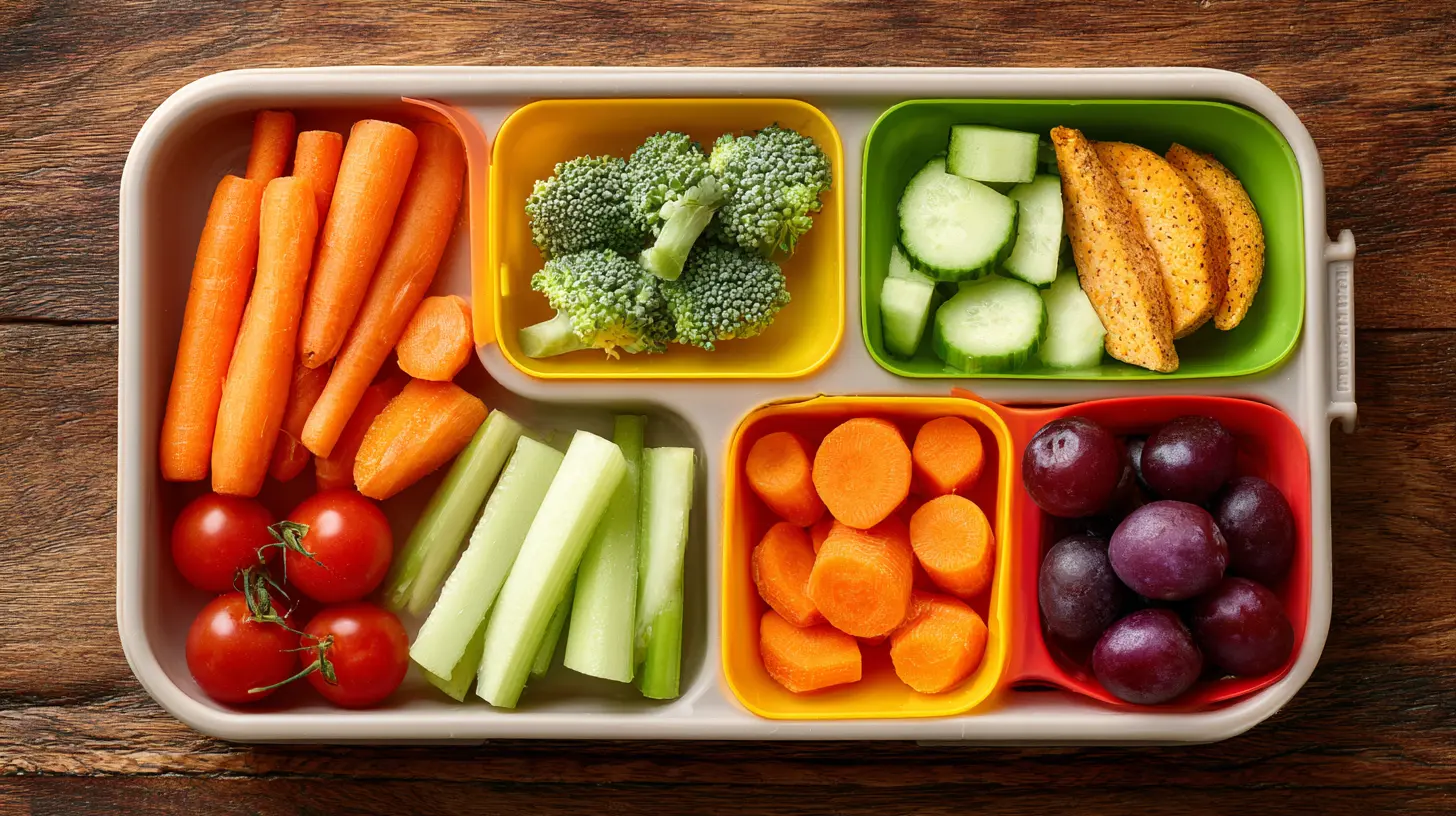
Building the Main Event: Sandwiches, Wraps, and Their Alternatives
The sandwich is popular for good reasons. It is portable, familiar, and fast. But it is also where many lunchboxes quietly fail, because the default version is white bread, a thin slice of processed meat, and a sweet spread.Making Sandwiches Work Harder
A sandwich that fuels learning has three upgrades:1. A bread with actual fiber. Whole grain, rye, sourdough, or a seeded roll. Fiber slows digestion and adds staying power.
2. A real protein. Leftover roast chicken, tuna, egg, hummus, cheese, or bean spread. Not a single translucent slice of deli meat.
3. Something with texture and moisture. Grated carrot, sliced cucumber, spinach, tomato, or a smear of avocado. This improves palatability and adds micronutrients.
A useful trick: build the sandwich so wet ingredients sit between layers of protein or fat rather than directly against the bread. This prevents the soggy middle that children reject.
When Sandwiches Stop Working
Many children go through phases where sandwiches lose their appeal. This is normal and not a crisis. The mistake is forcing the format instead of changing it. The nutrition matters, not the shape.Alternatives that travel well:
- Pinwheel wraps. A tortilla spread with cream cheese or hummus, layered with turkey or vegetables, rolled tight and sliced. The slicing matters because it makes the food easier to eat with small hands.
- Bento-style compartments. Small portions of several foods: cheese cubes, boiled egg, edamame, crackers, grapes. Children often eat more when food is separated and visually varied.
- Thermos meals. Chili, lentil soup, pasta with sauce, or rice and beans. A good insulated thermos keeps food hot until lunch and opens up an entire category of meals that sandwiches cannot cover.
- Leftover dinner, repurposed. Cold pizza, chicken skewers, or rice balls. If your child liked it last night, they will likely eat it cold or reheated.
The Thermos Trade-Off
Thermos meals are excellent for variety and nutrition, but they come with real costs. They are heavier, they require morning heating, and they must be cleaned thoroughly to avoid odor and bacteria. They also fail if the child cannot open them independently. Before committing, test the thermos with your child at home. A thermos they cannot open is a lunch they cannot eat.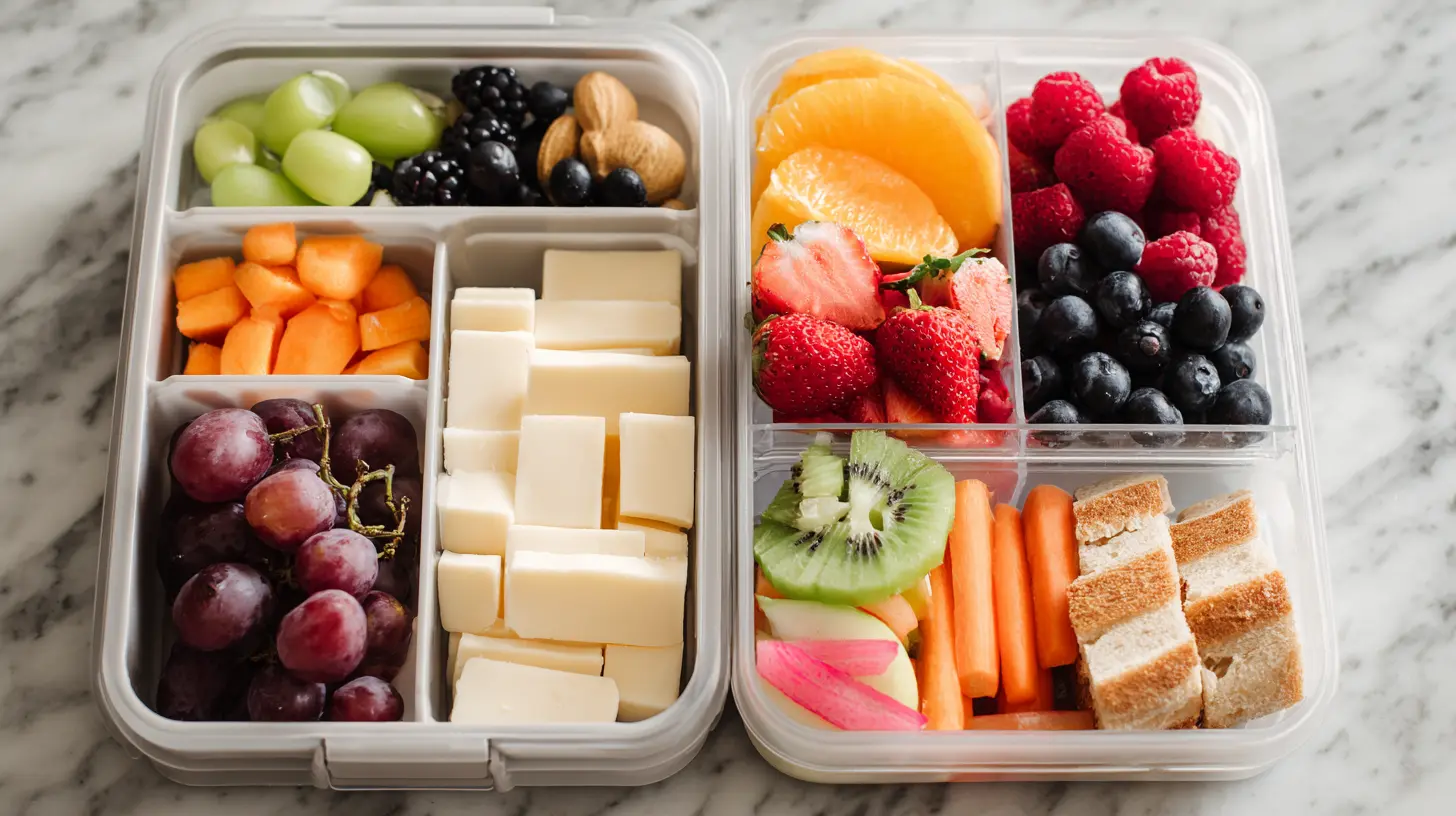
The Sides: Where Most Lunchboxes Win or Lose
The main item gets the attention, but the sides determine whether the lunchbox actually fuels the afternoon. This is where parents can make the biggest gains with the least effort.Produce That Gets Eaten
The sad truth is that many packed vegetables come home untouched. The fix is not more pressure. It is better selection and preparation.- Cut produce small. A whole apple often returns uneaten. Apple slices, tossed in a little lemon juice to prevent browning, disappear.
- Choose portable, low-mess options. Grapes, berries, cherry tomatoes, snap peas, cucumber rounds, and clementines.
- Pair vegetables with a dip. Hummus, ranch, or yogurt-based dip increases intake substantially in most children.
- Rotate rather than repeat. The same carrot sticks five days a week become invisible. Variety keeps food interesting.
Protein and Fat Sides
These are the sides that carry the fuel load:- Cheese cubes or string cheese
- Hard-boiled egg, sliced or whole
- Edamame, shelled or in pod
- Nuts or seeds, if the school allows them
- Yogurt, ideally plain or low-sugar, in a spill-resistant container
- Roasted chickpeas
The Nut Dilemma
Nuts are one of the best lunchbox foods: high in protein, healthy fat, and shelf-stable. But many schools ban them because of severe allergies. This is a genuine safety issue, not an overreaction. If your school permits nuts, use them. If not, seeds, sunflower butter, and roasted chickpeas fill a similar nutritional role. Never send a nut product to a nut-free school, even in a sealed package, because cross-contact on shared tables is a real risk.Snacks: Small, Strategic, and Not an Afterthought
Many children eat lunch in under fifteen minutes. They simply cannot consume enough at one sitting to last until dinner. This is why a separate snack, eaten at a designated time, is often more effective than a larger lunch.Good snack choices:
- Popcorn
- Whole-grain crackers with cheese
- Fruit with nut or seed butter
- Yogurt tube or cup
- Trail mix, if nuts are allowed
- Vegetable chips or roasted seaweed
Poor snack choices, despite marketing:
- Most granola bars, which are often candy in disguise
- Fruit snacks, which are essentially gummy candy
- Sweetened yogurt drinks
- Juice boxes, which deliver sugar without fiber
Read labels. If sugar appears in the first three ingredients, treat it as a dessert, not a snack.
Hydration: The Overlooked Variable
Mild dehydration impairs concentration and mood, and children are notoriously bad at noticing thirst. A child who drinks nothing from morning to afternoon is running on a deficit.Water is the default. Milk is reasonable at lunch. Juice is not necessary and often replaces the appetite for real food. A reusable water bottle that the child can open easily, and that does not leak, is one of the most valuable pieces of lunchbox equipment you can buy.
Practical notes:
- Freeze a water bottle overnight in summer. It doubles as a cold pack and thaws by lunch.
- Avoid sugary sports drinks unless a doctor or coach has recommended them for intense activity.
- Check that the bottle fits the school bag and the child's hands.
Food Safety: The Rules That Actually Matter
Foodborne illness from a lunchbox is uncommon but not impossible, and the risk rises with perishable foods sitting at room temperature for hours.The core principle: bacteria multiply fastest between roughly 40 and 140 degrees Fahrenheit. A lunchbox in a warm classroom can sit in that range for hours.
What to do:
- Use an insulated bag with a cold pack for anything perishable: dairy, meat, egg, cut fruit.
- Freeze the sandwich or the drink to act as a built-in cold source.
- Keep hot foods hot in a preheated thermos. Fill it with boiling water for a few minutes, empty it, then add the hot food.
- Discard perishable leftovers that come home warm. Do not re-pack them.
- Wash the lunchbox and containers daily. Crumbs and residue are a breeding ground.
What you can safely send without a cold pack: whole fruit, nuts, seeds, crackers, bread, and most baked goods. These are the backbone of a low-stress lunchbox on days when you are short on time.
Packing for Independence: The Skill Nobody Teaches
A lunchbox that a child cannot open is a lunchbox that fails. This sounds trivial until you watch a seven-year-old struggle with a stubborn container while the lunch period ticks away.Before the school year starts, test every container, lid, wrapper, and thermos with your child. Can they open it in under ten seconds? If not, replace it or pre-open it.
Teach the sequence too. Many children need to be shown, not told, how to unpack, eat, and repack. Practice at home. A child who can manage their own lunchbox gains confidence and eats more.
Common Mistakes and Misconceptions
Mistake: Packing what you would eat. Children have smaller appetites, different texture preferences, and less patience. A beautiful adult-style salad often comes home untouched. Pack for the child in front of you, not the one you wish you had.Mistake: Making lunch a battleground. Pressure to eat backfires. The research on feeding relationships consistently shows that controlling a child's intake reduces their willingness to eat. Offer, do not force.
Mistake: Assuming uneaten means disliked. Sometimes a child is distracted, rushed, or not hungry. Look for patterns over a week, not a single day.
Misconception: "Healthy" labels mean healthy. Many products marketed for children are high in sugar and low in fiber. The label is marketing. The ingredient list is information.
Misconception: Variety every day is required. Some children thrive on repetition. A child who happily eats the same lunch five days a week is not a problem to solve. Save your energy for the areas that actually need it.
Mistake: Ignoring the child's input. Children who help choose and pack their lunch eat more of it. This does not mean unlimited candy. It means guided choice within a set of good options.
A Week of Realistic Examples
These are not gourmet. They are designed to be packed in under ten minutes.Monday: Turkey and cheese wrap with spinach, apple slices, cheese cubes, popcorn, water.
Tuesday: Thermos of lentil soup, whole-grain roll, cucumber rounds with hummus, clementine, water.
Wednesday: Bento box with boiled egg, edamame, cherry tomatoes, crackers, grapes, water.
Thursday: Sunflower butter and banana sandwich on whole grain, carrot sticks, yogurt cup, roasted chickpeas, water.
Friday: Leftover chicken skewers, rice, snap peas, berries, cheese stick, water.
Notice the pattern: every day has protein, produce, a starch, and a fat. The specific foods change, but the structure does not.
Involving Children Without Losing Control
The most sustainable lunchbox system is one the child participates in. This does not mean handing over the keys. It means offering structured choices.A workable approach:
- Let the child pick one or two items from a pre-approved list each day.
- Take them shopping and let them choose a new fruit or vegetable to try.
- Let them pack the non-perishable items the night before.
- Ask, without judgment, what came home uneaten and why.
This builds food literacy and reduces waste. It also removes the daily negotiation, because the child has ownership.
When to Seek Help
Some lunchbox struggles are normal. Others warrant a conversation with a pediatrician or a feeding specialist:- A child who eats fewer than ten foods total
- Significant weight loss or failure to gain
- Choking fears or food-related anxiety
- Extreme distress around meals
These are not parenting failures. They are medical or developmental issues that benefit from professional support.
The Long View
The lunchbox is not a performance. It is a daily act of care that will be imperfect most days. Some lunches will come home half-eaten. Some weeks will be crackers and cheese on repeat. That is fine.What matters is the pattern over months and years: food that fuels, food that is eaten, and a child who learns that eating well is a normal, unremarkable part of life. Get the structure right, keep it simple, and let the details flex with your reality.
all images in this post were generated using AI tools
Category:
Nutrition For KidsAuthor:

Maya Underwood