Incorporating Chores into Homeschooling Routines
2 July 2026
Homeschooling offers an incredible opportunity to customize education to fit your family's values and lifestyle. But let's be honest—keeping the house in order while managing daily lessons can feel like juggling too many balls at once. The good news? You can blend chores seamlessly into your homeschooling routine, turning them into valuable life lessons while lightening your workload.
In this article, we’ll dive into practical ways to make chores a natural part of learning, so your kids develop responsibility, independence, and essential life skills along the way.

Why Chores Are Essential in a Homeschooling Routine
Homeschooling isn’t just about academics; it’s about raising well-rounded individuals who can handle real-world responsibilities. Chores teach discipline, time management, teamwork, and even math and science in unexpected ways!Think about it—when kids measure ingredients for baking, they’re practicing math. When they organize their study space, they’re working on planning and problem-solving. Chores are hidden lessons waiting to be discovered!

How to Incorporate Chores into Your Daily Homeschooling Schedule
The challenge is making chores feel less like a punishment and more like a natural extension of the day. Here’s how you can do it:1. Start the Day with a Clean Slate
Before diving into schoolwork, have a short “morning reset.” This could include making the bed, tidying up breakfast dishes, and organizing the homeschool space. A clutter-free environment improves focus and sets a positive tone for the day.2. Turn Chores into Learning Opportunities
Why separate chores from education when you can combine the two? Here’s how:- Math: Sorting laundry by color, measuring detergent, or doubling a recipe teaches measurement and multiplication.
- Science: Cleaning windows? Talk about surface tension. Gardening? Discuss plant biology.
- Language Arts: Write a short “how-to” guide for a simple household task, like sweeping the floor or setting the table.
3. Use Chores as Breaks Between Subjects
Sitting for long study sessions can be draining. Instead of typical breaks, incorporate short, active chores. Wiping the kitchen counter, folding towels, or feeding pets gives kids a physical break while keeping the house in order.4. Rotate Responsibilities to Avoid Boredom
Nobody wants to wash dishes every single day. To keep things interesting, rotate responsibilities weekly. Creating a simple "chore chart" can prevent arguments and ensure everyone gets a fair share of different tasks.5. Make It a Team Effort
Working together makes chores feel less like a burden and more like teamwork. Blast music while cleaning, race to see who can finish tidying up first, or assign “buddy chores” where siblings help each other.6. Create a Reward System
While chores teach responsibility, a little motivation doesn’t hurt! Consider a simple reward system like:- Earning extra screen time for completing a big task
- Collecting stickers for each completed chore, leading to a small treat
- Getting a fun privilege, like choosing a special family activity
Remember, rewards work best when they’re occasional, so kids don’t expect payment for every task—they should still understand that helping out is part of being a family.
7. Give Kids Ownership
Kids feel more invested in chores when they have some control over them. Let them pick their preferred tasks from a list, or assign them roles that match their strengths. A child who loves organizing might enjoy tidying bookshelves, while a nature lover may prefer outdoor chores like raking leaves.8. Set Time Limits
Chores shouldn’t drag on forever. Having set time limits—like “let’s clean the living room in 10 minutes”—keeps tasks manageable and prevents kids from feeling like chores are endless.9. Model the Behavior You Want to See
Kids mimic what they see. If they notice you taking pride in keeping the house tidy, they’re more likely to adopt the same attitude. Narrate what you’re doing (“I love how clean the kitchen looks when we all pitch in!”) to reinforce positive behavior.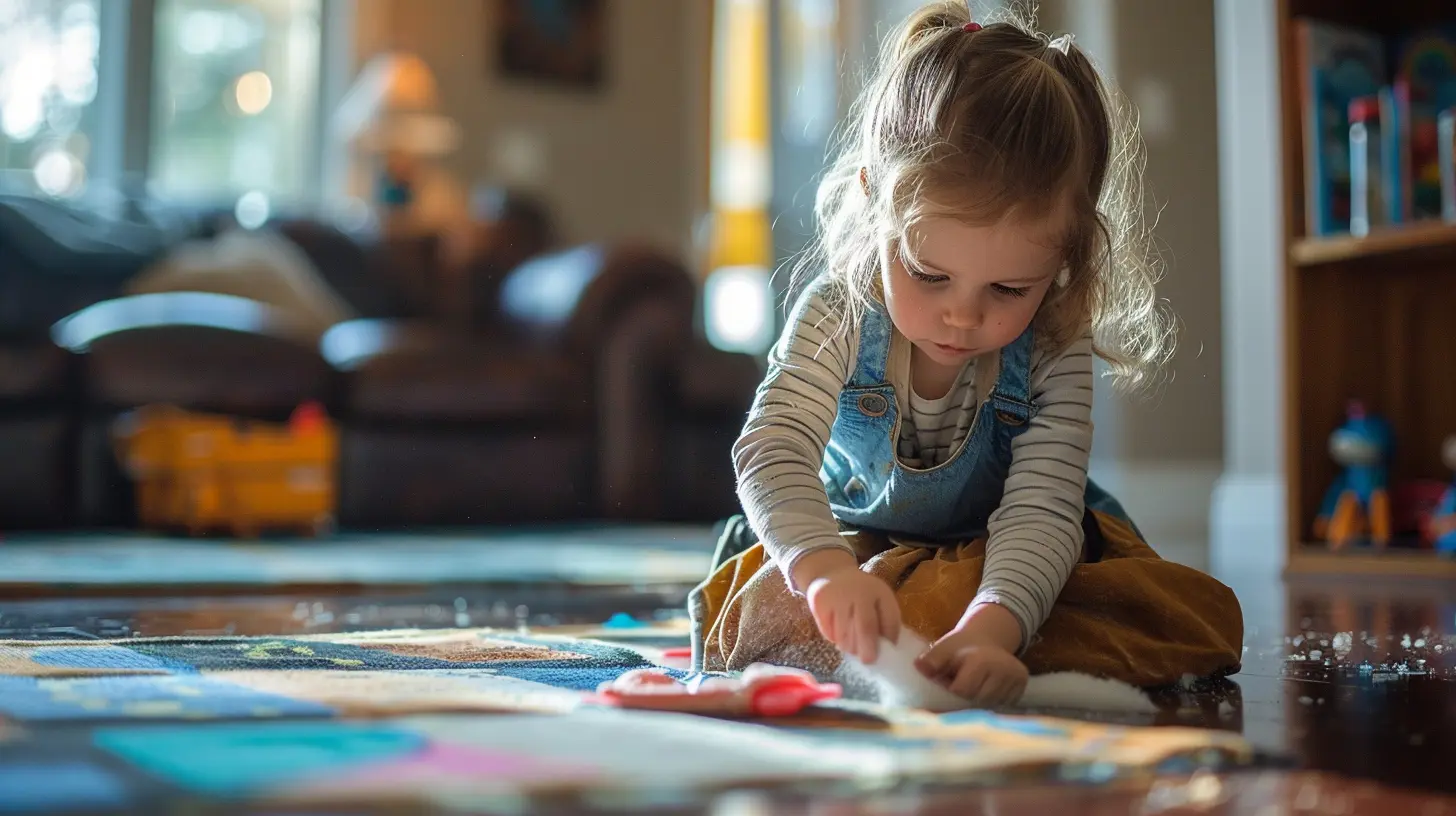
Age-Appropriate Chores for Homeschooling Kids
Not sure what tasks are appropriate for your child? Here’s a handy guide based on age:Ages 3-5 (Simple Tasks with Supervision)
- Putting away toys- Helping feed pets
- Wiping up small spills
- Matching socks in the laundry
Ages 6-9 (More Independence)
- Making their bed- Sweeping small areas
- Setting and clearing the table
- Watering plants
Ages 10-12 (Increased Responsibility)
- Washing dishes- Helping with meal prep
- Folding laundry
- Taking out the trash
Teens (Nearly Independent Tasks)
- Cooking simple meals- Mowing the lawn
- Deep cleaning rooms
- Doing laundry from start to finish

Overcoming Resistance: What to Do When Kids Push Back
Let’s be real—kids don’t always jump at the chance to do chores. If you’re facing resistance, try these strategies:- Give choices – Instead of saying “Go clean your room,” try “Would you rather clean your room or vacuum the living room first?” Giving options makes kids feel more in control.
- Explain why it matters – Kids respond better when they know why they’re doing something. A simple “When we all help, things get done faster, and we have more time for fun!” can work wonders.
- Make it fun – Turn chores into a race, play upbeat music, or introduce a challenge like “Let’s see if we can clean up before this song ends!”
- Stay consistent – The more chores are treated as a routine part of the day, the less kids will see them as optional.
The Long-Term Benefits of Including Chores in Homeschooling
At the end of the day, incorporating chores into your homeschooling routine isn’t just about having a cleaner house—it’s about setting your kids up for success in life. They’ll develop:- Work ethic – Understanding that effort leads to results
- Independence – Learning to take care of themselves
- Time management – Balancing responsibilities effectively
- Teamwork skills – Knowing how to contribute to a group effort
These are lessons that no textbook can truly teach. A clean house is great, but raising responsible, capable kids? That’s priceless.
Final Thoughts
Blending chores into homeschooling doesn’t have to feel overwhelming. When approached with creativity and flexibility, it can enhance learning, teach life skills, and make daily tasks more enjoyable for the whole family.So, the next time your kids groan about tidying up, remind them—they’re not just cleaning; they’re learning!
all images in this post were generated using AI tools
Category:
Kids And ChoresAuthor:

Maya Underwood
Discussion
rate this article
1 comments
Elowyn White
Great tips for busy families!
July 5, 2026 at 3:50 AM
Maya Underwood
Thanks! I'm glad you found them helpful. Balancing chores and homeschooling can make a big difference.