How to Introduce Chores to Reluctant Older Kids
11 August 2026
Ah, chores. That magical word that makes every older child suddenly lose hearing, energy, and the ability to function like a basic human being. If you’ve ever asked your teenager to take the trash out and received a dramatic Oscar-worthy eye roll followed by a dissertation-length list of reasons why they absolutely cannot — congratulations, you’re raising a perfectly normal older kid.
Introducing chores to kids who’ve already decided they are too evolved for such peasant-level tasks can feel like a diplomatic mission gone wrong. But fear not, fellow parent! With just a sprinkle of sarcasm and a big ol’ spoonful of strategy, you can turn your reluctant chore-evasion expert into a semi-willing participant in household sustainability.
Let’s dive into how to introduce chores to reluctant older kids without losing your sanity (or wine budget).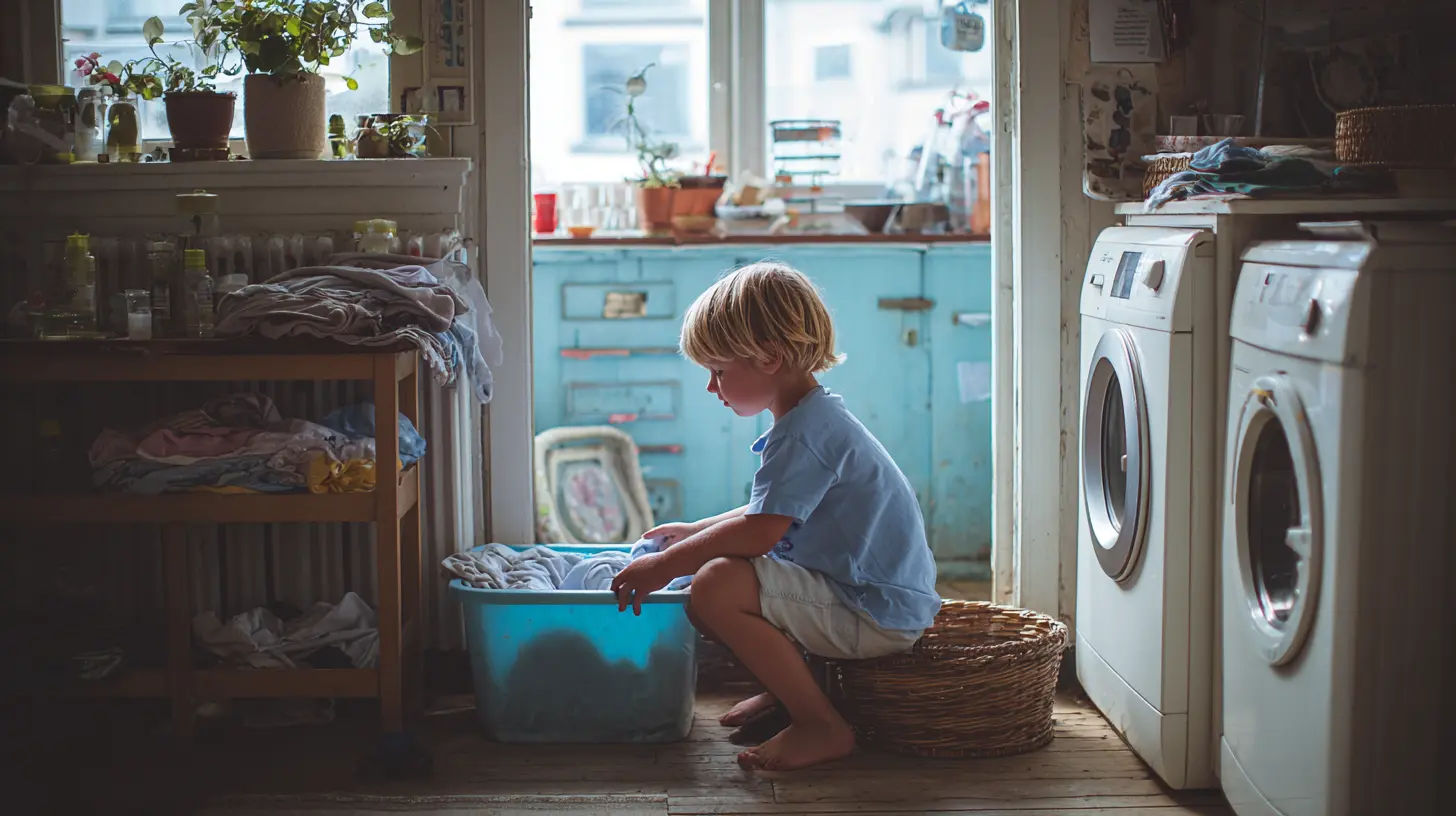
Why Older Kids Treat Chores Like Voluntary Suffering
Before we dive into action steps, let’s address the very obvious question: why are older kids allergic to chores?Teenagers and tweens tend to see chores as a personal attack on their right to "chill." After all, they’re busy—you know, endlessly scrolling, texting, and mastering the art of sitting in one position for five hours straight. Their schedules are jam-packed with procrastination, and you're over there asking them to fold laundry?
Oh, the horror.
But here’s the secret sauce: they’re not lazy by nature, they’re just selectively motivated. You’ve probably seen your teen spend three hours building a digital mansion in Minecraft, no complaints. So, guess what? They can focus. They can work hard. The trick is making chores fall into that category of "stuff I don’t mind doing."
Good luck with that.
Just kidding (sort of). Let’s get into some strategies that might just do the trick.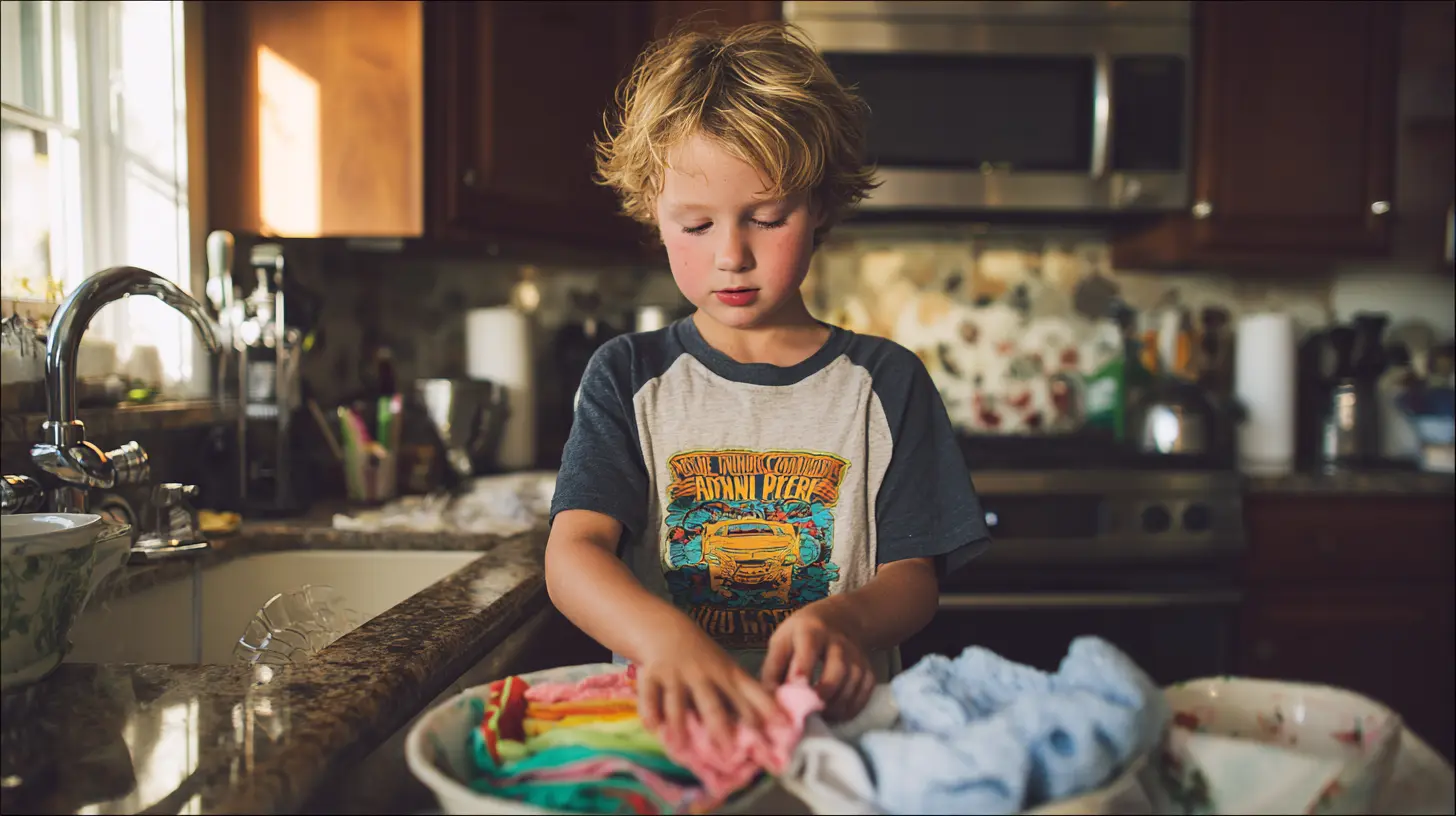
1. Stop Calling Them Chores (Seriously)
Would you want to spend your precious time doing something called a CHORE? The word itself sounds unpleasant—like a medieval punishment or a contagious disease. Try rebranding.- “Household missions”
- “Life tasks”
- “Home survival skills”
- “Adulting practice (lite version)”
You’re not just asking them to vacuum, you’re assigning them a mission to eliminate dust invaders. Yes, you might feel like you’ve entered parenting theatre, but a little creative marketing never hurt anyone.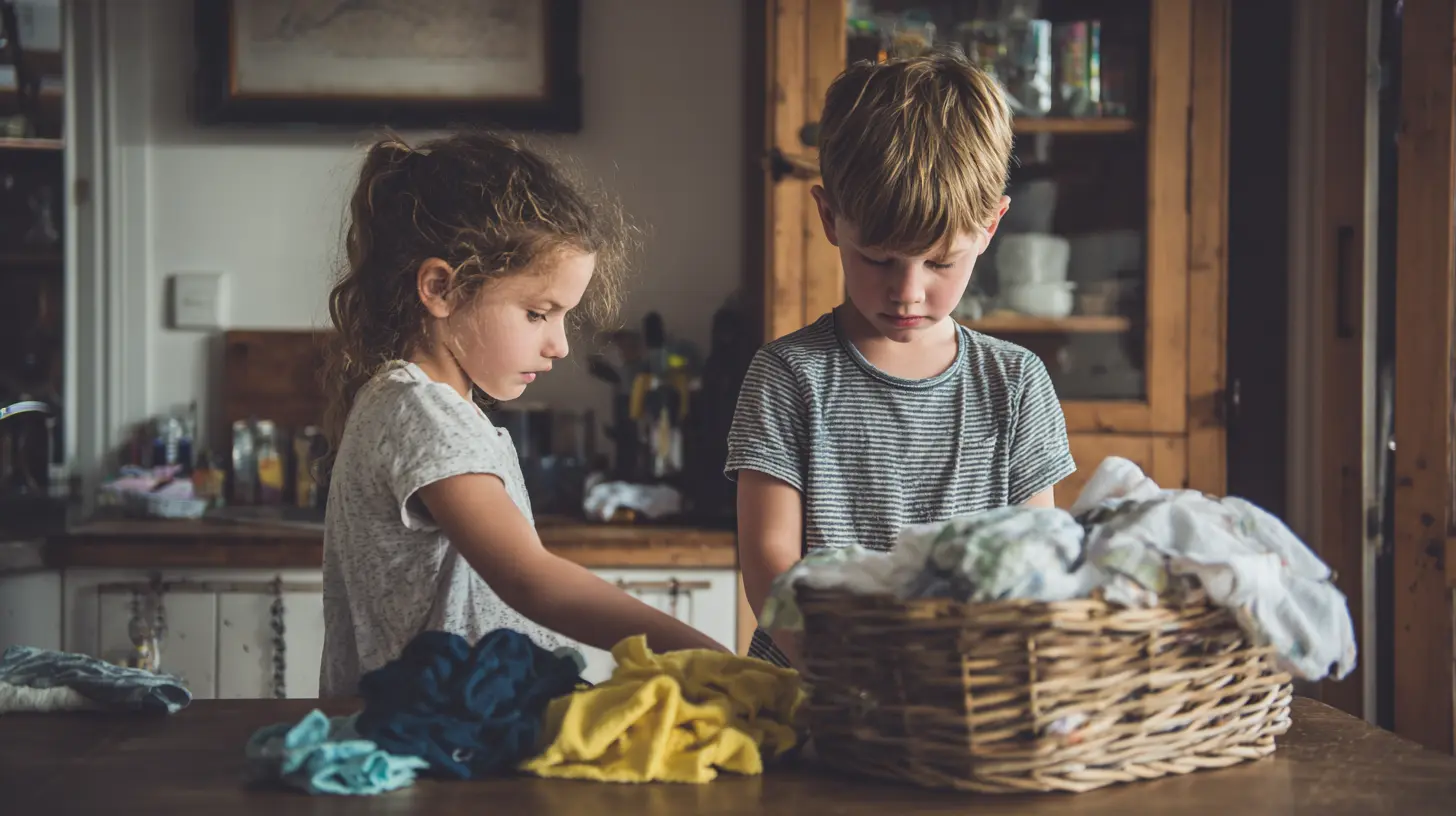
2. Give Them the Illusion of Choice (It's All a Game)
Older kids love freedom and control, so give them exactly that — or at least make them think you did. Offer them a “choice” between two chores.Would you rather clean the kitchen or vacuum the living room?
Would you rather fold the laundry or wash the dishes?
Spoiler alert: either way, they’re doing something. But by giving them a voice, they feel slightly more empowered, and therefore less likely to stage a rebellion.
Pro tip: Always offer one task that’s slightly worse than the other. It's like parenting judo.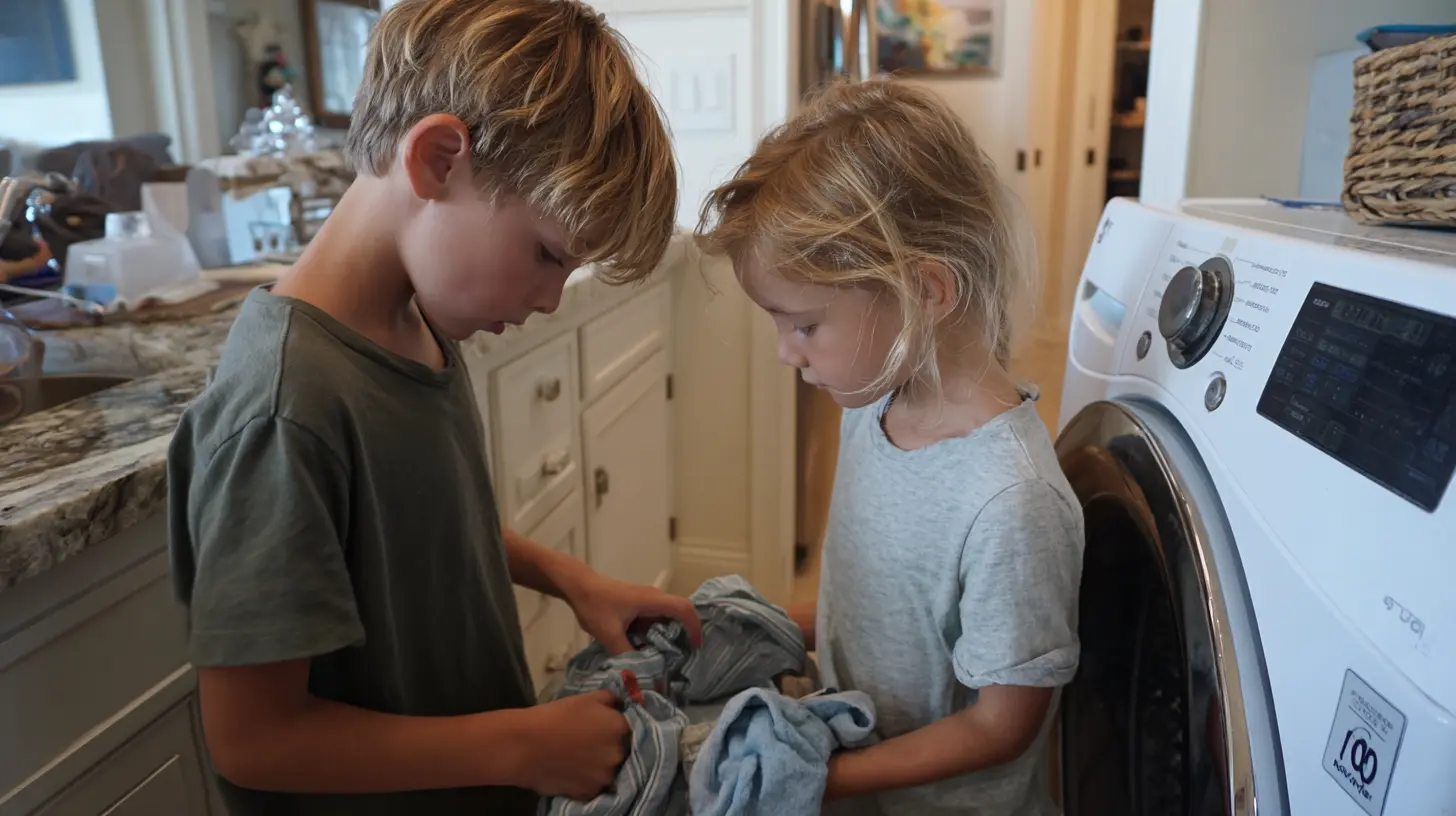
3. Set Expectations Early and Often (Like… Always)
Guess what happens when you assign a chore once, then forget to follow up? Nothing. Like absolutely nothing gets done. Older kids operate like human Roombas—you have to point them directly at the task, repeat instructions three times, and even then they might get stuck under the metaphorical couch.Set clear expectations:
- "Your job is to take the trash out every Tuesday by 7pm."
- "You’re on dishes every evening after dinner."
- "Laundry lands in the bin, not on your floor. It's not a set decoration."
And yes, they will forget. Yes, you’ll repeat yourself. It’s not because they’re evil… probably. It’s just part of the process.
4. Play the Long Game: Teach Chores as Life Skills
Let’s be real—someday your sweet, eye-rolling, chore-dodging child is going to live on their own. (And they will not magically learn how to clean a bathroom by osmosis.)Position chores as survival skills. Emphasize that knowing how to cook pasta, do laundry without turning everything pink, and mop a floor without mopping themselves into a corner are basic life skills. The more you present chores as preparation for their glorious future of independence, the more they’ll at least pretend to be interested.
Bonus: throw in the dreaded phrase “adulting.” It’s like a gritty spin-off of parenting that makes folding socks oddly empowering.
5. Link Privileges to Responsibilities (a.k.a. The Fun Tax)
Let’s say your kid wants Wi-Fi, screen time, or Friday night rides to hang out with friends. Great. Attach those privileges to completion of chores.It’s not bribery; it’s preparing them for the harsh reality of adulthood. Want groceries? You work. Want electricity? You pay the bill. Want Netflix? Get your butt off the couch and clean the toilet first.
Example:
- No clean room = No phone
- Dishes not done = No weekend plans
- Trash still inside = No game time
It’s not punishment. It’s parenting economics. Equal parts savage and fair.
6. Make It Competitive (Because Sibling Rivalries Are Free Motivation)
If you've got more than one kid, use your powers for good and pit them against each other in the name of cleanliness. Chores + competition = productivity.Example challenges:
- Who can clean their room faster (and better)?
- Who earns more “points” this week by doing extra?
- Who is the Master of Folding Towels?
You’d be surprised what kids will do for meaningless titles and imaginary trophies.
Bonus tip: Let them create their own leaderboard. Adding points with colored markers or stickers somehow makes Windex more exciting. Go figure.
7. Turn on the Tunes
Why is it that cleaning while listening to music feels 87% less annoying? Because music = magic. It turns the mundane into a dance party, at least in theory.Let your older kids blast their playlist (yes, even if it sounds like angry robots fighting on a spaceship). As long as the job gets done and the walls stay intact, who cares if they’re vacuuming to death metal?
Music lightens the mood and helps time pass faster. Or at least distracts them from the tragedy of not being horizontal in their bed.
8. Praise Like It's Going Out of Style
Want your older kid to repeat a chore? Then, cue the applause.Positive reinforcement is not just for toddlers or dogs. Even the most grumbly teen appreciates a little recognition. “Hey, I noticed you actually folded your laundry—and it wasn’t a total disaster. Thanks!”
Praise effort. Praise improvement. Praise any movement in the right direction—even if the kitchen still kinda smells like week-old tacos.
Sometimes, hearing “Good job” is all it takes to shift from chore-hater to meh-I-guess-I’ll-do-it-without-whining mode.
9. Keep It Short and Sweet
Assigning older kids a chore that takes 2 hours is like asking a goldfish to run a marathon. If the task is massive, they’ll shut down before they even start.Break tasks into chewable chunks:
- Instead of “Clean your disaster of a room,” say “Start by picking up your clothes and putting them in the hamper.”
- Rather than “Clean the entire kitchen,” try “Wipe the counters and load the dishwasher.”
Mini tasks lead to mini victories, and that momentum is everything.
10. Be Consistent... Even When You're Dying Inside
Look, I get it. Some days you’ll think, “It’s easier if I just do it myself.” And you know what? You’d be right — for today. But this is a war, not a skirmish. One time becoming their maid leads to every time very, very fast.Enforce the chore routine religiously. Don’t let stuff slide unless you want a full-on regression. Consistency is king. Or queen. Or exhausted dictator of messy children.
Final Thoughts: Embrace the Messy Process
Is introducing chores to older kids fun? Nope. Is it necessary? 100%.You are not being mean. You're not ruining their lives. You're preparing them for a world where socks don’t fold themselves and toilets, shockingly, don’t self-clean.
Stay firm. Stay sarcastic (it helps). And remember: your goal isn’t instant perfection—it’s progress. If your kid moves from total refusal to half-hearted dishwashing while complaining the whole time, that’s still a win. And in parenting? We take those.
all images in this post were generated using AI tools
Category:
Kids And ChoresAuthor:

Maya Underwood
Discussion
rate this article
1 comments
Katie King
Introducing chores to older kids can be challenging. Start with small tasks and involve them in the process. This helps build responsibility and teamwork without resistance.
August 11, 2026 at 4:57 AM