How to Help Kids Recognize Hunger and Fullness Cues
9 November 2026
Understanding hunger and fullness cues is crucial for children's development, both physically and emotionally. Helping kids recognize these cues fosters a healthy relationship with food, promotes self-regulation, and prevents overeating or undereating. In this article, we will delve into the nuances of hunger and fullness cues, practical strategies to help children tune into their bodies, and common pitfalls to avoid along the way.

Understanding Hunger and Fullness Cues
What Are Hunger and Fullness Cues?
Hunger cues refer to the physical sensations or psychological signals that indicate the body needs food. These may include sensations like a rumbling stomach, irritability, fatigue, or difficulty concentrating. Conversely, fullness cues signal that the body has had enough to eat. These may manifest as a feeling of satisfaction, a decrease in appetite, or even physical discomfort from overeating. Recognizing these cues is essential for maintaining a balanced diet and healthy lifestyle.Why Are They Important?
Teaching kids to recognize their hunger and fullness cues helps them develop intuitive eating habits. This understanding can lead to a more positive relationship with food, mitigating issues such as obesity or eating disorders. Children who can identify these signals are more likely to regulate their food intake, leading to better overall health and well-being.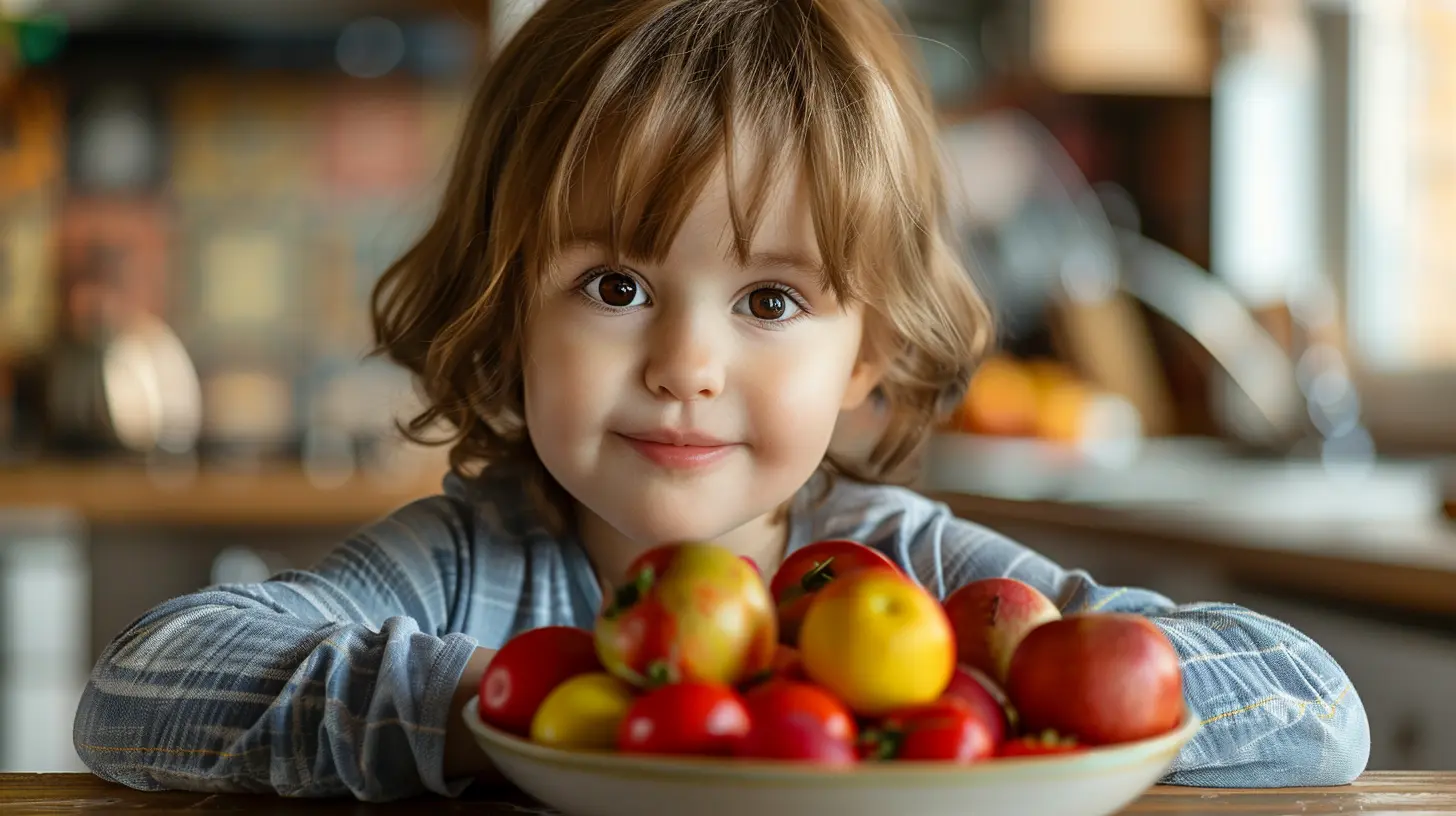
Practical Strategies to Help Kids Recognize Cues
1. Model Healthy Eating Behaviors
Children often learn by observing their parents. When you demonstrate healthy eating behaviors, such as listening to your own hunger and fullness cues, your child is more likely to mimic those behaviors. Share your own experiences with hunger and fullness. For example, if you say, "I am feeling full after this meal," it reinforces the importance of paying attention to those feelings.2. Create a Calm Eating Environment
Distractions during mealtime, like television or smartphones, can interfere with a child's ability to tune into their body's signals. Establish a calm eating environment where conversation is encouraged. This allows children to focus on their meals and listen to their bodies without external distractions. Encourage them to put down their utensils between bites to help slow down the eating process.3. Encourage Mindful Eating Practices
Mindful eating involves paying attention to the experience of eating and savoring each bite. Teach your child to appreciate the flavors, textures, and smells of their food. Encourage them to eat slowly and consider whether they are still hungry after each few bites. This can be practiced through simple exercises, such as putting down their fork between bites or describing the taste of food.4. Use Visual Aids
For younger children, visual aids can be effective tools. Consider using a hunger and fullness scale, ranging from one to ten, where one indicates extreme hunger and ten indicates fullness. As kids eat, they can rate their hunger and fullness on this scale. This method provides a tangible way to help them understand their feelings and develop self-awareness.5. Encourage Self-Serving
Allowing children to serve themselves can promote a sense of autonomy and responsibility. When they serve their food, they can better gauge their hunger levels and decide how much they need. This practice also encourages them to listen to their bodies, as they are in control of their portions.6. Discuss Food Choices and Feelings
Having open conversations about food choices and how they relate to feelings of hunger and fullness can reinforce these concepts. You might ask questions like, "How does this meal make you feel?" or "Are you still hungry, or are you full now?" This not only helps children articulate their feelings but also strengthens their understanding of their body's signals.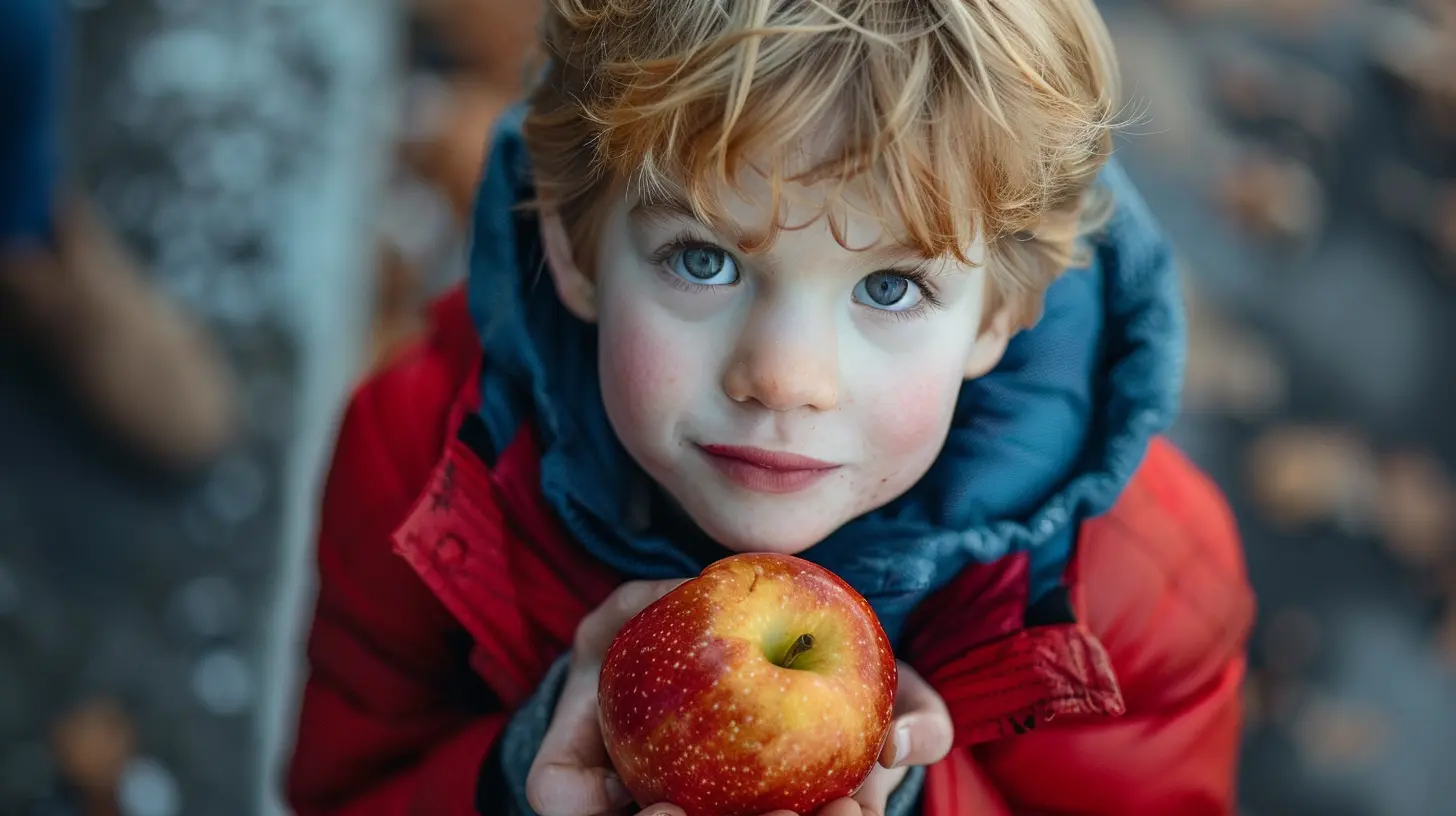
Common Mistakes to Avoid
Overemphasizing Clean Plates
While finishing meals can be a common expectation, it is crucial to avoid pressuring children to clean their plates. This can lead to a disconnect between their hunger cues and their eating habits. Instead, focus on encouraging them to listen to their bodies. If they are full, it's okay to leave food behind.Using Food as a Reward or Punishment
Using food as a reward for good behavior or as a punishment can create unhealthy relationships with food. Children may begin to associate food with emotions rather than recognizing it as nourishment. Instead, focus on positive reinforcement that does not involve food, such as praise or extra playtime.Ignoring Emotional Eating
Children may eat for reasons other than hunger, such as boredom or stress. Recognizing and addressing emotional eating is essential. Help your child identify their feelings and find alternative coping strategies, such as talking, drawing, or engaging in physical activity.
Nuanced Explanations and Considerations
Age Appropriateness
The strategies used to help children recognize hunger and fullness cues may vary based on their age and developmental stage. Younger children may require more direct guidance and visual aids, while older kids may benefit from discussions and self-reflection. Tailoring your approach to suit their developmental level is critical.Individual Differences
Each child is unique. Some may naturally be more in tune with their bodies, while others may struggle with recognizing their cues. It's essential to be patient and adapt your methods to suit your child's specific needs. Encouragement and support are vital as they navigate their relationship with food.Cultural Influences
Cultural backgrounds can influence perceptions of hunger and fullness. Different cultures have various practices and beliefs surrounding food and eating. Acknowledging and respecting these differences while promoting healthy habits is essential for fostering a supportive environment.Best Practices for Encouraging Healthy Eating Habits
Keep It Positive
Focus on the joys of eating rather than restrictions. Encourage healthy food choices without labeling foods as "good" or "bad." Instead, emphasize variety and balance, allowing children to enjoy a range of foods while learning to recognize their body's needs.Promote Physical Activity
Physical activity plays a crucial role in regulating appetite. Encourage your children to engage in regular physical activities that they enjoy. This not only helps them understand their bodies better but also promotes overall health.Regular Meal Times
Establishing consistent meal and snack times can help children better recognize their hunger and fullness cues. Regular schedules create predictability, allowing them to tune into their bodies without the chaos of irregular eating patterns.Involve Them in Meal Planning
Engaging children in meal planning and preparation can foster a deeper understanding of food and nutrition. Let them help choose recipes, shop for ingredients, and prepare meals. This involvement can enhance their appreciation for food and encourage healthier choices.Monitor Portion Sizes
Teaching children about appropriate portion sizes is essential, as many kids may not have a clear understanding of what a serving looks like. Use visual comparisons or measuring tools to help them grasp portion sizes without overwhelming them.
Conclusion
Helping children recognize hunger and fullness cues is an invaluable gift that can set them on the path to a healthy relationship with food. By modeling behaviors, creating supportive environments, and engaging in open conversations, parents can empower their kids to tune into their bodies. It's a gradual process that requires patience, understanding, and adaptability. With the right tools and strategies, kids can learn to navigate their hunger and fullness cues effectively, promoting lifelong health and well-being.
all images in this post were generated using AI tools
Category:
Nutrition For KidsAuthor:

Maya Underwood