How to Handle Sibling Tantrum Rivalries
6 May 2026
Ah, sibling rivalries. That delightful mixture of yelling, eye-rolling, tattling, accidental (but totally-on-purpose) elbow nudges, and full-blown meltdowns over who got 2.5 jellybeans instead of 2.4. If you’ve got more than one child, congratulations! You also have front-row seats to an ongoing reality show called _Who Can Push Mom’s Buttons Faster_.
But don’t worry, you're not alone in this chaotic circus of tantrums and turf wars. You're part of an exclusive club of parents who have caught themselves refereeing a WWE-style match over who had the blue cup first. Welcome! Grab a coffee—which you’ll probably forget to finish—and let’s dive into how to handle sibling tantrum rivalries without losing your sanity (or your voice).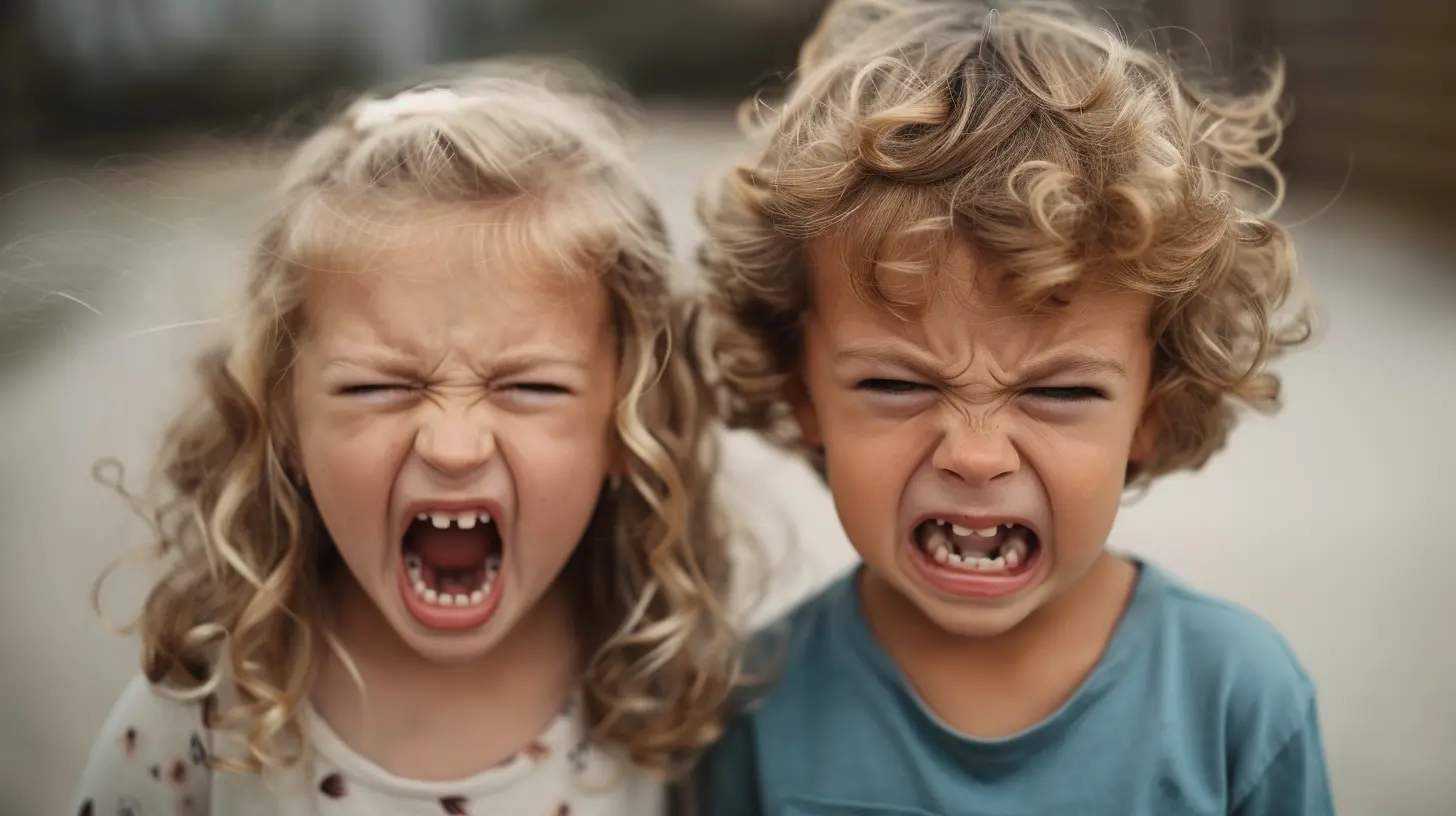
What Even Is a Sibling Tantrum Rivalry?
Let’s break it down. A sibling rivalry is like a never-ending game of "Who’s the favorite?" mixed with a splash of "That’s mine!" and a sprinkle of "He breathed on me!" When you combine that with a full-blown tantrum, you’ve got what we lovingly call the Sibling Tantrum Rivalry™—patent pending.These outbursts aren’t just your kids being dramatic (well, okay, sometimes)… they’re valid emotional expressions. Kids are still figuring out how to manage big feelings like jealousy, anger, frustration, and the sheer injustice of sharing a toy dinosaur.
Why Do Siblings Fight Like It’s Their Side Hustle?
1. They’re Vying for Your Attention
First off, you’re amazing. Seriously. Your kids think you’re a superhero with magical boo-boo healing powers. So naturally, they want ALL your time and affection.Problem is, you have just one face, two arms, and zero ability to clone yourself (we’ve tried). So when a child feels short-changed in the attention department, cue the tantrum with extra dramatic flair.
2. They’re Learning Boundaries
Boundaries? What's that? Your three-year-old thinks the world is their oyster (and their sibling’s toys are included). Learning where their space ends and someone else’s begins takes time… and about 432 tantrums.3. Comparisons, Real or Imagined
“Oh, you’re such a good big brother,” you say. Harmless comment, right? Eh… maybe not. Because now little sis is convinced she’s the family disappointment, and cue the emotional fireworks.Kids are super sensitive to comparison—whether it’s subtle, unintentional, or completely in their head. So even your most innocent statements can feel like a betrayal.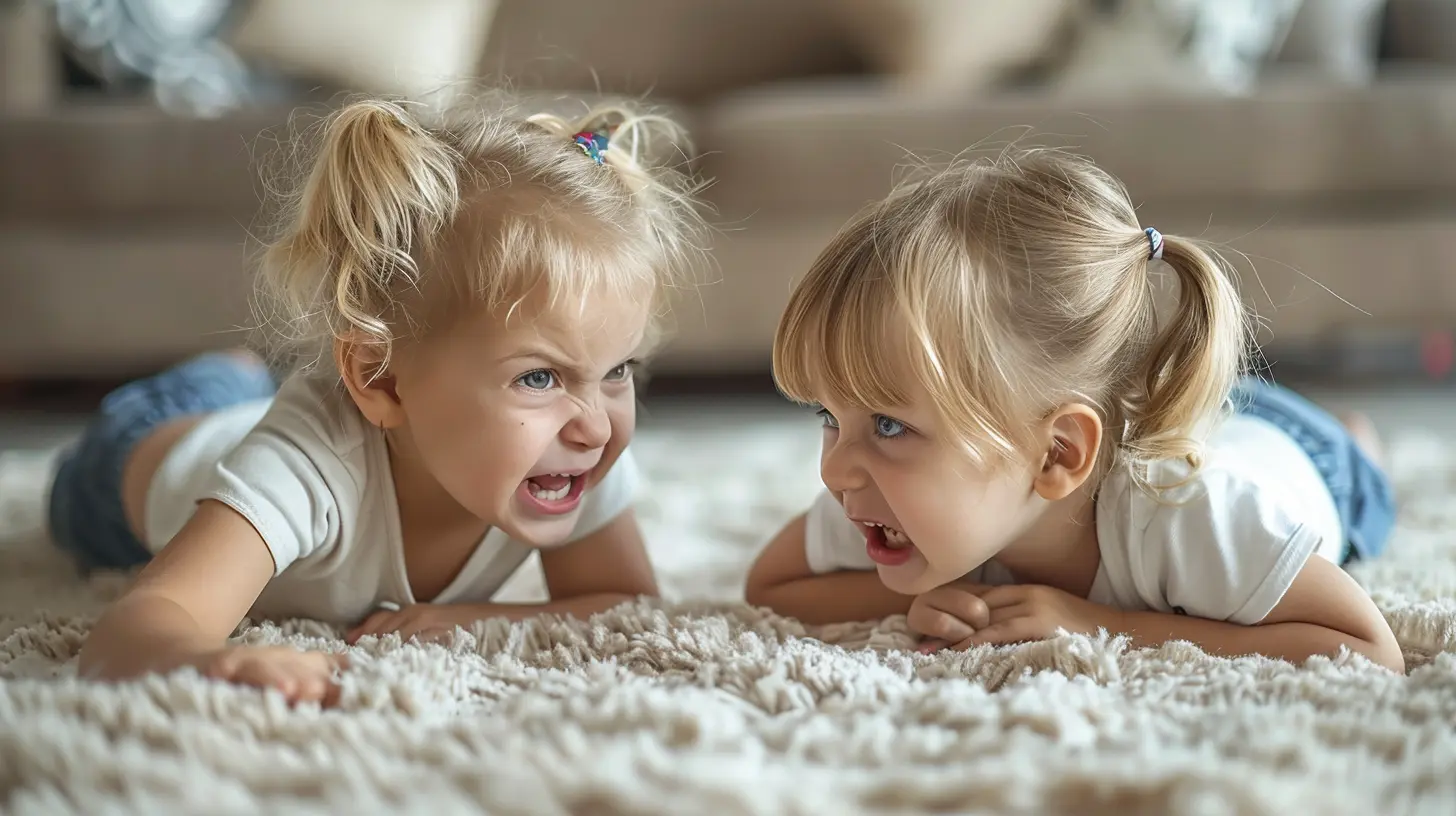
Tantrum Toolkit: Handling the Madness Like a Pro
Now for the part where we channel our inner Zen master... or, at the very least, don’t shout louder than the kids. Here’s your step-by-step tactical guide for surviving and even thriving through sibling tantrum rivalries.? Step 1: Don’t Take Sides (Even When You Totally Want To)
Look, we’ve all been there. One kid is clearly antagonizing the other. Maybe they're poking them just to provoke a scream. Your knee-jerk reaction is to say, “Jimmy! Stop it!” while mentally awarding gold stars to the ‘victim’.But hold up.
The minute we play judge, we reinforce their belief that love and approval are conditional. Yikes. Instead, try a neutral approach:
> “Hmm, I see two upset kiddos. Let’s all take a deep breath and figure this out together.”
Yeah, they might look at you like you’ve grown a third head, but you’ve just turned down the emotional heat. Boom.
? Step 2: Acknowledge Their Feelings (Yes, Even the Ridiculous Ones)
Is your child sobbing because their brother got the “bigger half” of a cookie that was literally split in two by NASA-grade lasers? Valid. To them, it feels huge.Say something like:
> “It sounds like you’re feeling really upset about the cookie. It’s okay to feel mad.”
You're not saying they’re right. You're just validating that their emotions exist—which is the parenting equivalent of giving them a warm hug without actually getting up from the couch.
? Step 3: Redirect, Don’t Escalate
Warning: Trying to solve a tantrum with logic is like trying to plug a volcano with a cork. Not recommended.Instead of reasoning in the heat of the moment, redirect:
> “Everyone seems stressed right now. Let’s take five minutes doing something calm. Wanna help me draw angry faces on paper and tear them up?”
This approach gives your kids a way to channel the anger instead of taking it out on each other (or your bookshelf).
? Step 4: Use the “Whisper Strategy”
Okay, this one’s genius. When everyone is yelling, you whisper. Seriously. Lower your voice instead of raising it.Why? Because kids have radar for whispers. They’ll suddenly hush up just to hear what you’re saying.
> “Whoa, seems like something important is going on. But I only tell my calm kids the secret way to solve it…”
Boom. Jedi mind trick. You just shifted the energy like you were in a parenting Matrix.
? Step 5: Set Clear, Consistent Rules
Newsflash: Kids actually crave structure—right before they break it entirely and demand why bedtime exists.Set clear boundaries like:
- No hitting. Ever.
- Use words, not screams.
- Everyone gets a turn.
Then remind them. Again. And again. And again. Until you’re saying it in your dreams. Because consistency is key, even if you feel like a broken record with no off button.
Let’s Talk Prevention: Start the Peace Talks Early
Handling tantrums is great, but what if we could… I don’t know, cut them off at the pass? Here’s how you can reduce the drama before it gets to meltdown levels.? One-on-One Time = Fewer Tantrums
Here’s a radical idea: spend 10-15 minutes a day with each child doing something they choose. No distractions, no multitasking, just you and your kiddo.It doesn’t have to be fancy. Build a Lego tower. Read a book. Count squirrels. When your kids get their emotional tanks filled, they’re way less likely to use tantrums as fuel.
? Teach Conflict Skills (Even If They Just Want to Wrestle)
Don’t assume they know how to resolve issues—they’re still new at being humans. Teach them phrases like:- “I didn't like that.”
- “I want a turn too.”
- “Can we find a way to share?”
It won’t work perfectly, and yes, they might still yell. But over time, those little scripts become powerful tools.
? Normalize the Chaos
Let them know that getting mad is part of life. Help them see that even adults get frustrated (hi, hello, have you seen traffic lately?). Tell them stories from your own childhood squabbles. Make it relatable. Make it human.? Bonus Tip: Make a “Tantrum Survival Kit”
Create a bin with stress balls, coloring pages, noise-canceling earmuffs (for you, honestly), and calming activities. When things get too hot, break out the emergency kit like it’s a parenting fire extinguisher.When to Worry: Red Flags That Deserve Attention
Let’s get serious for a second. Sibling rivalry is normal, but if things start to feel less like kids being kids and more like a soap opera from hell, it might be time to check in. Watch for:- Consistent physical aggression that leaves bruises or scares someone
- Emotional manipulation or bullying behavior
- One child always “losing” in every argument
- Tantrums that are escalating instead of improving
In those cases, talking to a pediatrician, child psychologist, or therapist can work wonders.
Final Thoughts: You’re (Still) Doing Great
Listen, if you've ever had to mediate a screaming match over who got to press the elevator button, you are already a seasoned diplomat. Parenting is an Olympic-level sport of mental gymnastics, and you're out here sticking landings left and right—even with cereal in your hair.Handling sibling tantrum rivalries is tough, but not impossible. With a bit of patience, a sprinkle of humor, and a whole lot of deep breathing, you can help your kids grow into adults who argue over Netflix shows instead of toy fire trucks.
And hey, one day, they might even thank you for not letting them put glue in each other’s hair.
Maybe.
all images in this post were generated using AI tools
Category:
Tantrum TipsAuthor:

Maya Underwood
Discussion
rate this article
2 comments
Seraphis McMillen
Great insights on a tricky topic! Sibling rivalries can be tough, but your tips remind us that understanding and patience go a long way. It's important to help kids express their feelings and learn to work through conflict. Every challenge can be an opportunity for growth... for both kids and parents!
July 6, 2026 at 3:15 PM
Maya Underwood
Thanks for the thoughtful comment! I agree, fostering understanding and patience can really make a difference in navigating sibling rivalries. Every moment of conflict is a chance for growth.
Zoey McPhee
This article is a great resource for understanding sibling rivalries. I love the emphasis on empathy and communication. It's important to teach kids how to express their emotions and resolve conflicts in a healthy way. Thanks for sharing!
May 8, 2026 at 3:45 PM
Maya Underwood
I'm glad you found it helpful! Empathy and communication are key to nurturing healthy sibling relationships. Thanks for your feedback!