How to Encourage Problem-Solving Skills in Your Preschooler
22 May 2026
Ever caught your preschooler trying to rescue a toy from under the couch with a spoon or building the tallest tower just to watch it fall? That, my friend, is problem-solving in action — and it’s nothing short of amazing.
At this stage, kids are like little detectives, piecing together how the world works one block, puzzle, and mini-meltdown at a time. Encouraging problem-solving in your preschooler not only helps develop their cognitive abilities, but it also builds resilience, patience, and creativity.
So, how do you nurture this superpower without making it feel like a school lesson? Let’s roll up our sleeves and break it down in a way that’s fun, natural, and most importantly — effective.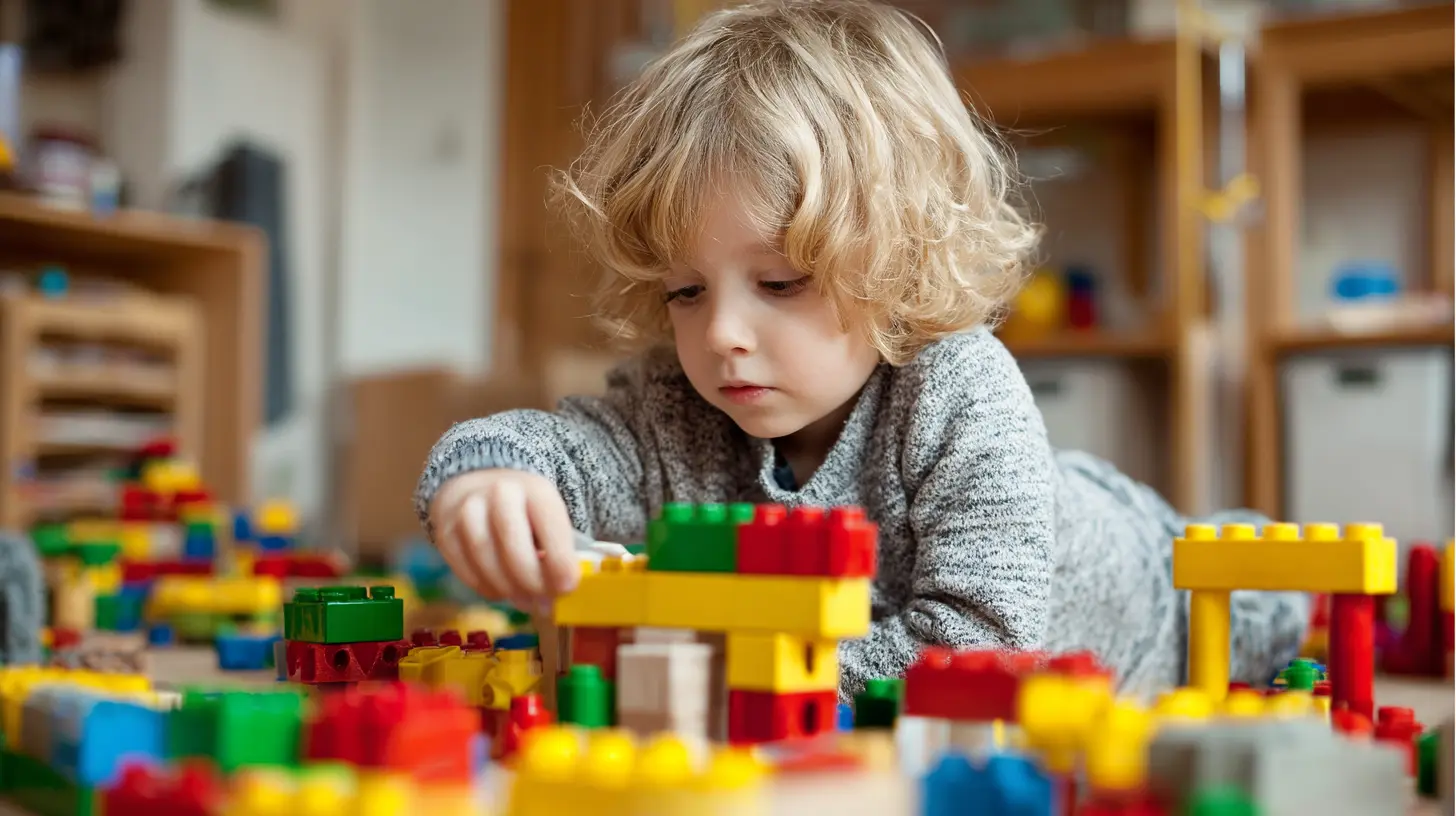
Why Problem-Solving Matters So Much at This Age
Before we dive into the fun stuff, let’s talk about why this skill is kind of a big deal.Problem-solving is more than figuring out how to fit the square peg in the round hole. It’s about thinking critically, asking questions, making decisions, and learning from mistakes. Preschoolers who develop strong problem-solving skills early on often grow into confident, independent thinkers — the kind of kids who say “I’ve got this!” when something doesn’t work the first time.
And here's the kicker: these skills don’t come just from structured activities. They grow in everyday moments when your child is figuring out how to get the last cookie from the jar or deciding which shoe to wear (even if it’s two left ones).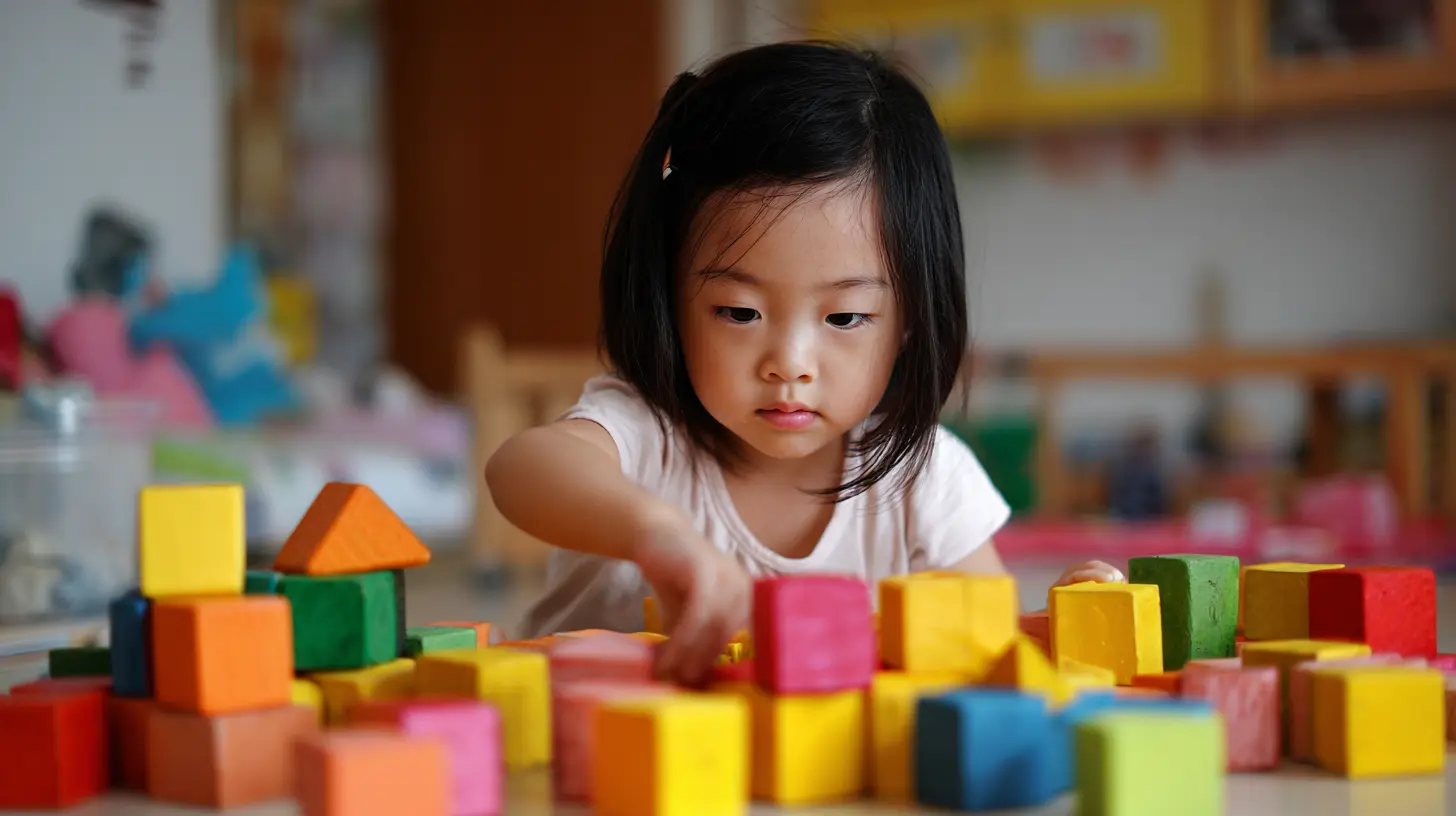
Let Them Struggle (A Little Bit)
Yep, you read that right: let them struggle.As parents, it’s totally natural to want to swoop in and fix things. But when we do that, we’re robbing our kids of learning opportunities.
Ever watched your child try to put on their own shoes for five solid minutes? You’re itching to help. But giving them space to wrestle with that challenge teaches persistence and allows their brain to connect the dots.
Tip: Hang back for a minute or two before stepping in. Offer support only if they’re really stuck or getting frustrated past the point of no return.
> Think of it like teaching them to fly while you’re holding the safety net — you’re not pushing them off the cliff, just giving them room to flap their wings a little.
Ask Questions, Don’t Give Answers
One of the simplest ways to get those little wheels turning in their heads? Ask open-ended questions.Instead of saying:
- “No, that goes here.”
Try:
- “Hmm, where do you think that piece fits?”
Or:
- “What do you think will happen if we try it this way?”
These types of questions invite your preschooler to think, predict, test, and reflect — the very roots of problem-solving.
Bonus: It also boosts their confidence and language skills, which are both crucial for expressing thoughts and navigating future challenges.
Set Up a Problem-Solving Environment
You don't need a Pinterest-perfect playroom stocked with the latest STEM toys (though, hey, no judgment if you do). What matters more is creating an environment where your child is free to experiment, mess up, and try again.Here’s what to focus on:
1. Open-ended toys
Think blocks, play dough, magnetic tiles, and dress-up clothes — anything that can be used in multiple ways. These encourage creativity and flexible thinking.2. Puzzle time
Good ol' puzzles (jigsaw, shape sorters, matching games) help with logical thinking and patience.3. Unstructured play
Pretend play helps your child explore “what if” scenarios, try different roles, and come up with their own solutions.4. Outdoor exploration
Nature is full of challenges: climbing, building forts, finding bugs — it’s all one big, exciting problem-solving lab.Embrace Mistakes as Magical Moments
Preschoolers are bound to mess up. A lot.Spilling juice, knocking over towers, putting socks on their hands — these are golden moments for learning.
Instead of scolding or rushing to fix things, help your child reflect by asking:
- “What do you think we could do differently next time?”
- “Why do you think that happened?”
- “Can we try another way?”
Celebrate effort over outcome. Clap for the process, not just the result. This teaches grit — the most underrated life skill out there.
> Remember, each “oops” is really just the first step toward an “aha!”
Create Mini Challenges Together
Want to turn your daily routine into a brain-boosting adventure? Set up mini challenges that get your preschooler thinking.Here are a few ideas:
- Obstacle courses: Use pillows, chairs, and toys to create a path your child has to figure out.
- Treasure hunts: Hide objects and give clues they must solve to find them.
- Build challenges: Set a goal like “build a bridge for your dinosaur” and see what they come up with.
- Real-life problems: Forgot where you put your keys? Ask your kid to help retrace steps. You’d be surprised how helpful (and proud) they feel.
When your child starts to see problems as puzzles to solve instead of walls to fear, that’s the magic moment.
Read Books That Model Problem-Solving
Stories are powerful teachers. Choose books where characters face challenges and work through them in creative ways.Here are some favorites:
- The Most Magnificent Thing by Ashley Spires
- Not a Box by Antoinette Portis
- What Do You Do With a Problem? by Kobi Yamada
- Rosie Revere, Engineer by Andrea Beaty
After reading, chat about the choices the characters made:
- “Why do you think she kept trying?”
- “What would you have done differently?”
Books are like little mirrors and windows — kids see themselves in the character’s journey and learn by reflection.
Use Praise That Builds Problem-Solving Muscles
The words we use matter — a lot.Instead of saying:
- “You’re so smart!”
Try:
- “I love how you kept thinking even when it got tricky.”
- “You found a new way — that’s creative!”
- “You didn’t give up — that’s what makes you a great problem-solver.”
This kind of praise encourages a growth mindset — the belief that effort leads to improvement, not that success is based on talent alone.
Work Through Problems Together
Sometimes, the best way to teach is to model it.When you face everyday problems (even the small ones like figuring out dinner or fixing a broken zipper), talk it through out loud:
- “Hmm, this zipper isn’t working. Let’s think about what we can try.”
- “I could use a tool or maybe adjust the angle. What do you think?”
It may seem silly, but this models problem-solving as a calm, thoughtful process. Your preschooler is observing everything — and they'll mimic what they see.
Keep Your Cool When They Don’t
Let’s be real — not all problem-solving experiences are Pinterest-worthy. Sometimes, frustration takes over. But your calm in their storm matters more than you know.Validate their feelings:
- “It’s okay to feel frustrated — this is really hard.”
- “Let’s take a deep breath and figure it out together.”
Teaching emotional regulation is part of problem-solving. Handling the struggle with grace shows them how to do the same.
Make It a Game, Not a Test
Preschoolers learn best through play. Always.So rather than setting up “problem-solving lessons,” weave these opportunities into their play. Be silly. Be curious. Make mistakes with them — and laugh about it.
The goal isn’t to raise a tiny genius. It’s to raise a thinker. A try-er. A do-it-again-er.
And trust me, that matters way more.
Final Thoughts
So, how do you encourage problem-solving skills in your preschooler? You let them try. You give them space. You ask questions. You cheer for the effort.And most importantly — you believe in their ability to figure things out.
Because when you do that, they start believing it too.
And that, right there, is the beginning of something beautiful.
all images in this post were generated using AI tools
Category:
Parenting PreschoolAuthor:

Maya Underwood
Discussion
rate this article
2 comments
Tabitha Snyder
Encouraging exploration and questioning fosters your preschooler's problem-solving skills and boosts confidence.
September 21, 2026 at 4:52 PM
Bethany Clark
Every challenge is a chance for your little one!
May 31, 2026 at 4:33 PM
Maya Underwood
Absolutely! Each challenge helps them grow and learn in so many ways.