The Benefits of Teaching Conflict Resolution to Kids
4 January 2026
Let’s face it—as much as we love our little ones, they don’t always play nice. One minute they’re building Lego castles together, and the next, someone’s screaming over who took the last red brick. Sound familiar?
Conflict is a natural part of life, especially during childhood when emotions run high and impulse control is still a work in progress. But here’s the thing: teaching kids how to handle conflict in healthy ways is one of the greatest gifts we can give them. Not just because it saves your sanity (although, that too), but because it builds core life skills they’ll use every single day.
In this article, we’ll dive deep into the benefits of teaching conflict resolution to kids—why it matters, how it shapes their future, and how you can start building those skills at home.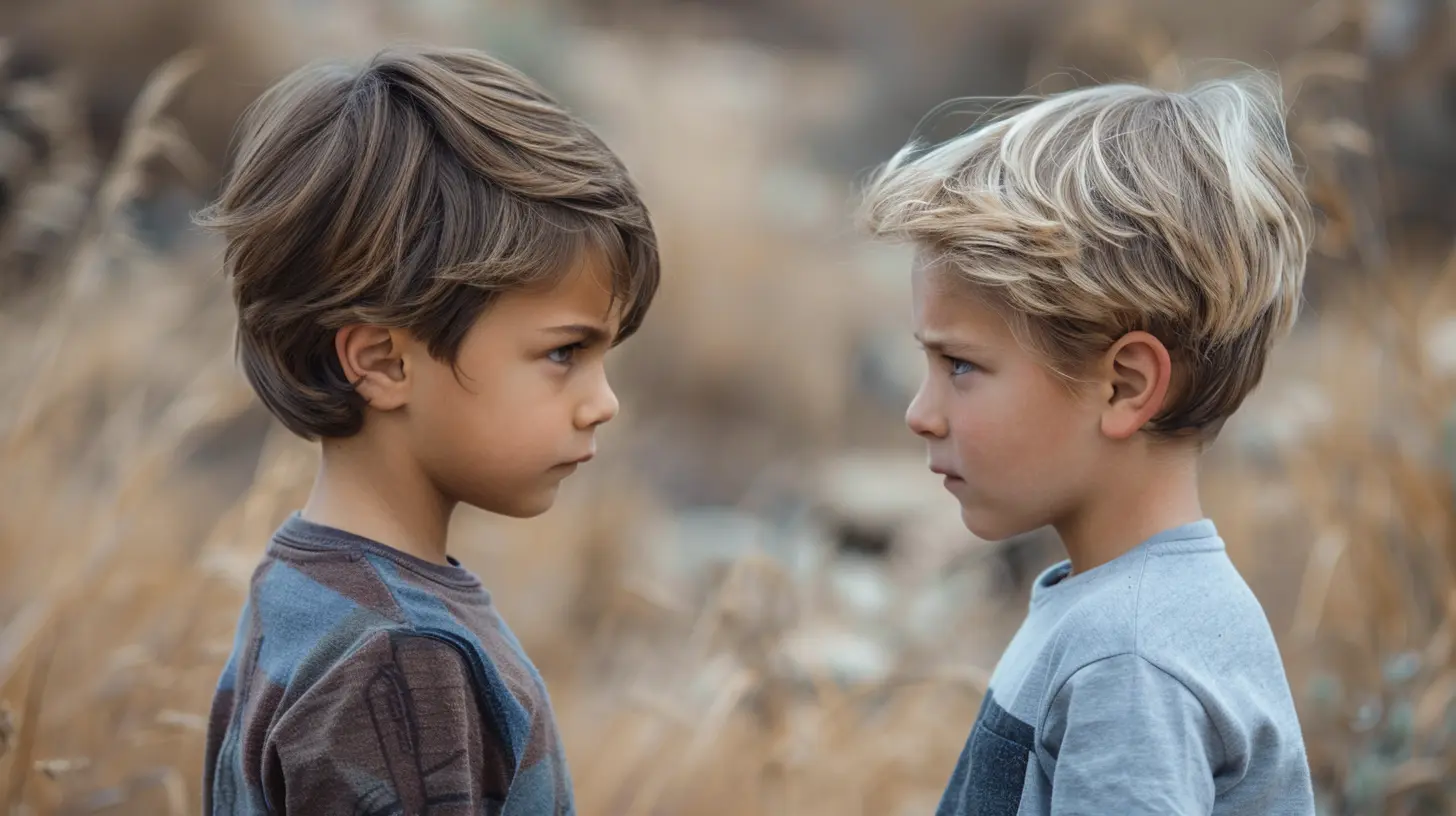
Why Conflict Resolution Matters for Kids
Think about everything your child will face as they grow up. Friendships, family disagreements, school projects, team sports, even future relationships and jobs—all of these involve communication, compromise, and conflict in some form.So, how do we expect kids to handle these situations if we don’t teach them how?
Teaching conflict resolution isn’t about forcing kids to agree all the time. It’s about teaching them how to disagree with respect, how to listen with empathy, and how to express their feelings without hurting others.
In other words, it’s emotional muscles training. And like any skill, the earlier they learn it, the better they get.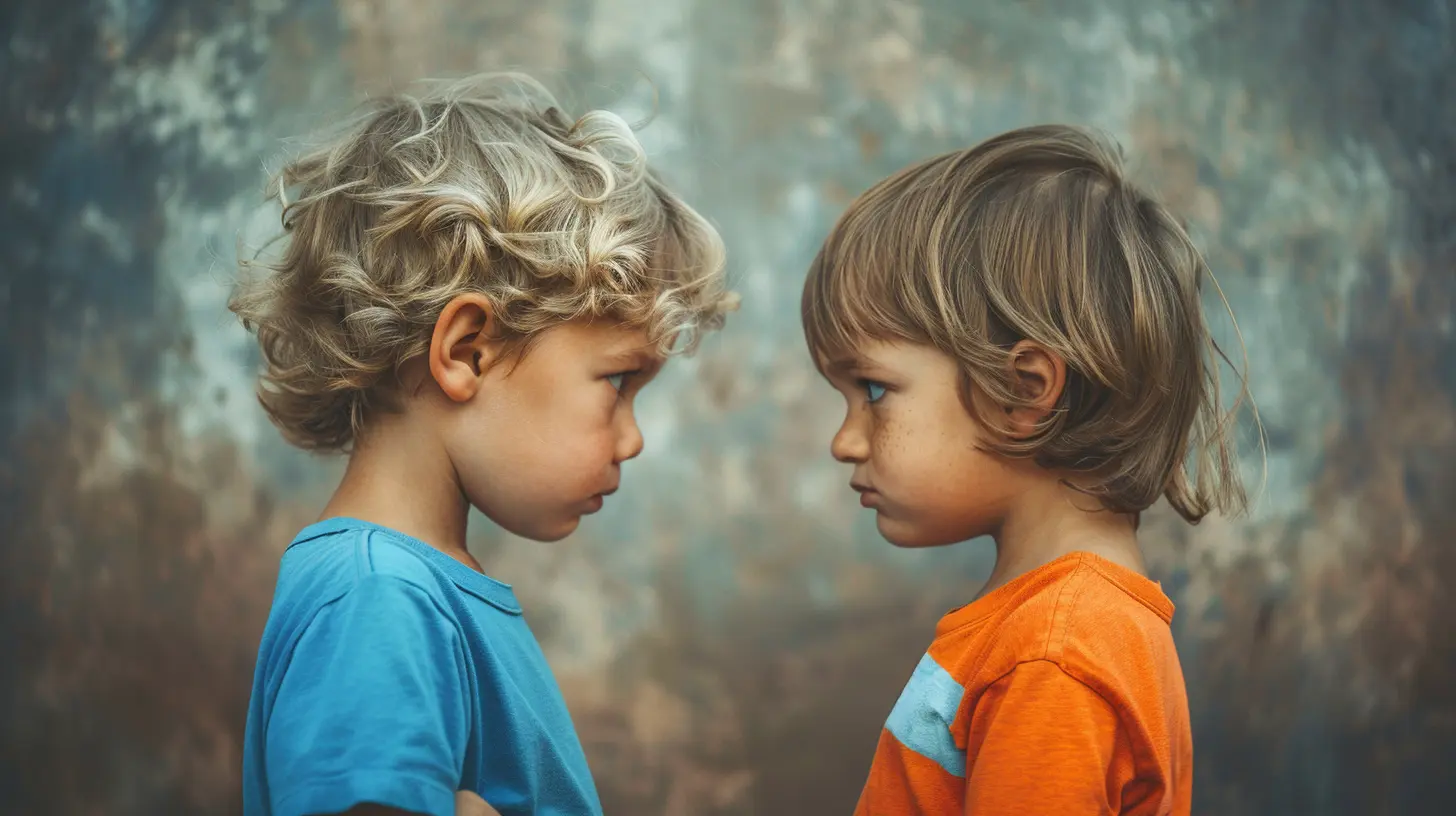
The Long-Term Advantages of Learning Conflict Resolution Early
Let’s break down the real-life benefits of conflict resolution skills. The list is long, but every item is worth its weight in gold.1. Better Emotional Intelligence
Ever hear of “EQ”? Emotional intelligence is just as important (if not more) than book smarts. When kids learn to identify their own feelings and understand others', they naturally become more patient, empathetic, and emotionally mature.Conflict resolution teaches kids how to:
- Pause and reflect before reacting
- Recognize their emotional triggers
- Understand other perspectives
- Express themselves calmly
That’s not just great for the playground—it’s vital for adult life too.
2. Stronger Communication Skills
We all know adults who struggle to express what they’re feeling without yelling or shutting down. Now imagine if they had learned those skills as kids.Teaching conflict resolution improves your child's ability to:
- Verbally articulate thoughts and needs
- Listen actively without interrupting
- Ask clarifying questions
- Use “I” statements instead of blame
The result? Kids who can talk it out instead of acting out.
3. Boosted Self-Esteem and Confidence
When kids know they can handle tough situations on their own, their confidence soars. They don’t need to run to a grown-up for every disagreement—they trust themselves to manage it.Kids who feel competent in conflict situations tend to:
- Stand up for themselves respectfully
- Gain respect from peers
- Feel more in control emotionally
- Make better choices under pressure
That kind of self-esteem? Game changer.
4. Healthier Peer Relationships
Let’s be real—friendships can get messy. Kids have different personalities, preferences, and play styles. Disagreements are bound to happen.Conflict resolution skills give kids the tools to:
- Navigate peer pressure
- Repair friendships after fights
- Avoid bullying and aggression
- Build deeper, more respectful connections
This not only keeps their social circle strong but also reduces school drama (and your stress).
5. Greater Academic and Career Success
You might be wondering, "What does this have to do with grades or future jobs?" A lot, actually.Kids who can manage conflict are better at group projects, leadership roles, and team activities. These are the same skills employers crave: collaboration, communication, and emotional regulation.
In other words, you’re not just raising a kind kid—you’re raising a future leader.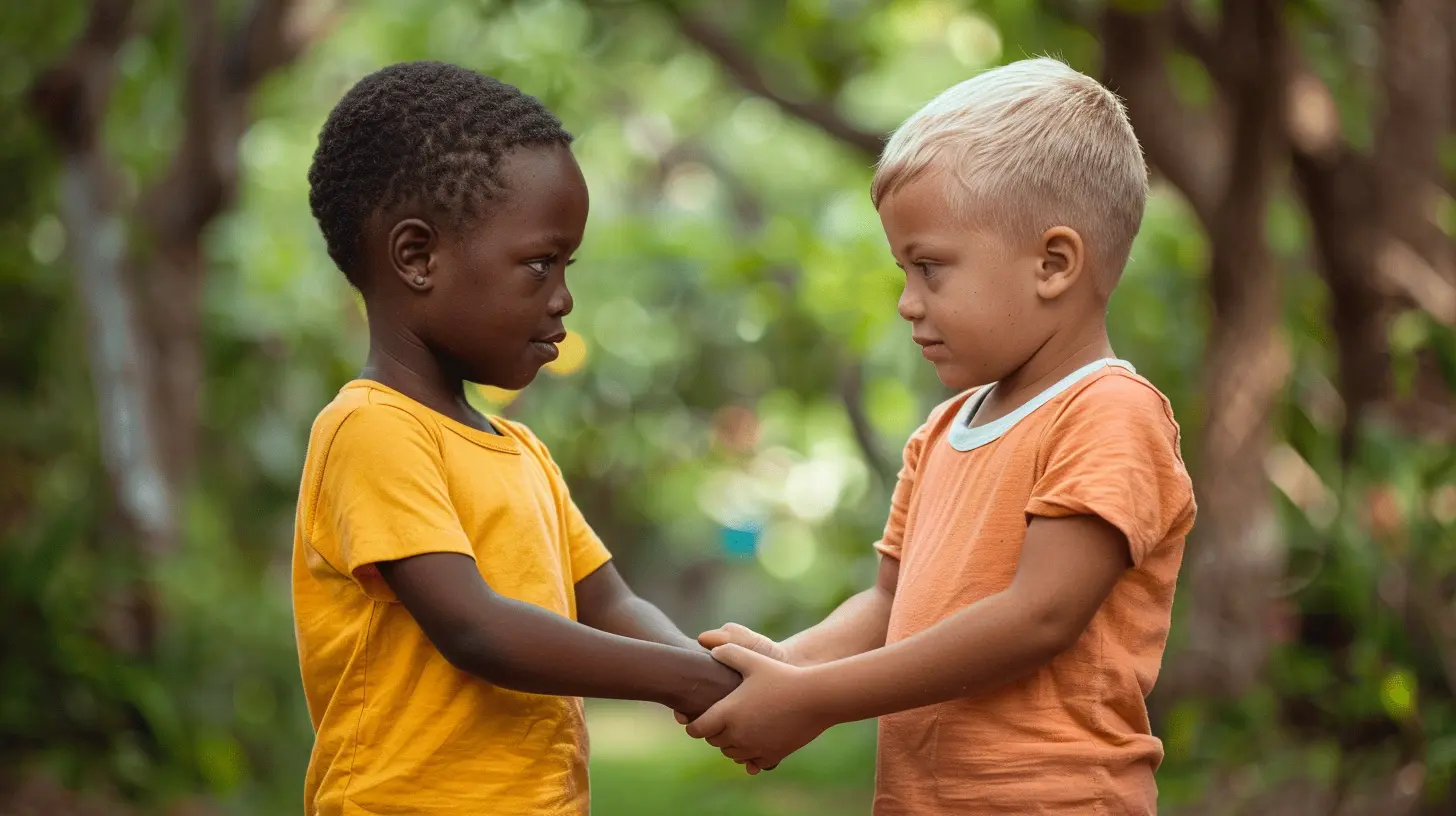
Common Conflicts Kids Face (And What They Teach Us)
Before we get into how to teach these skills, let’s look at some everyday scenarios where kids can practice conflict resolution.- Sharing toys – Teaches compromise and turn-taking.
- Name-calling – Helps kids learn about boundaries and respectful communication.
- Disagreements in games – Builds negotiation and fair play.
- Jealousy between siblings – Encourages emotional expression and empathy.
- Accidental hurt feelings – Fosters accountability and sincere apologies.
See where we’re going with this? Conflict isn't a bad thing. It’s an opportunity for growth.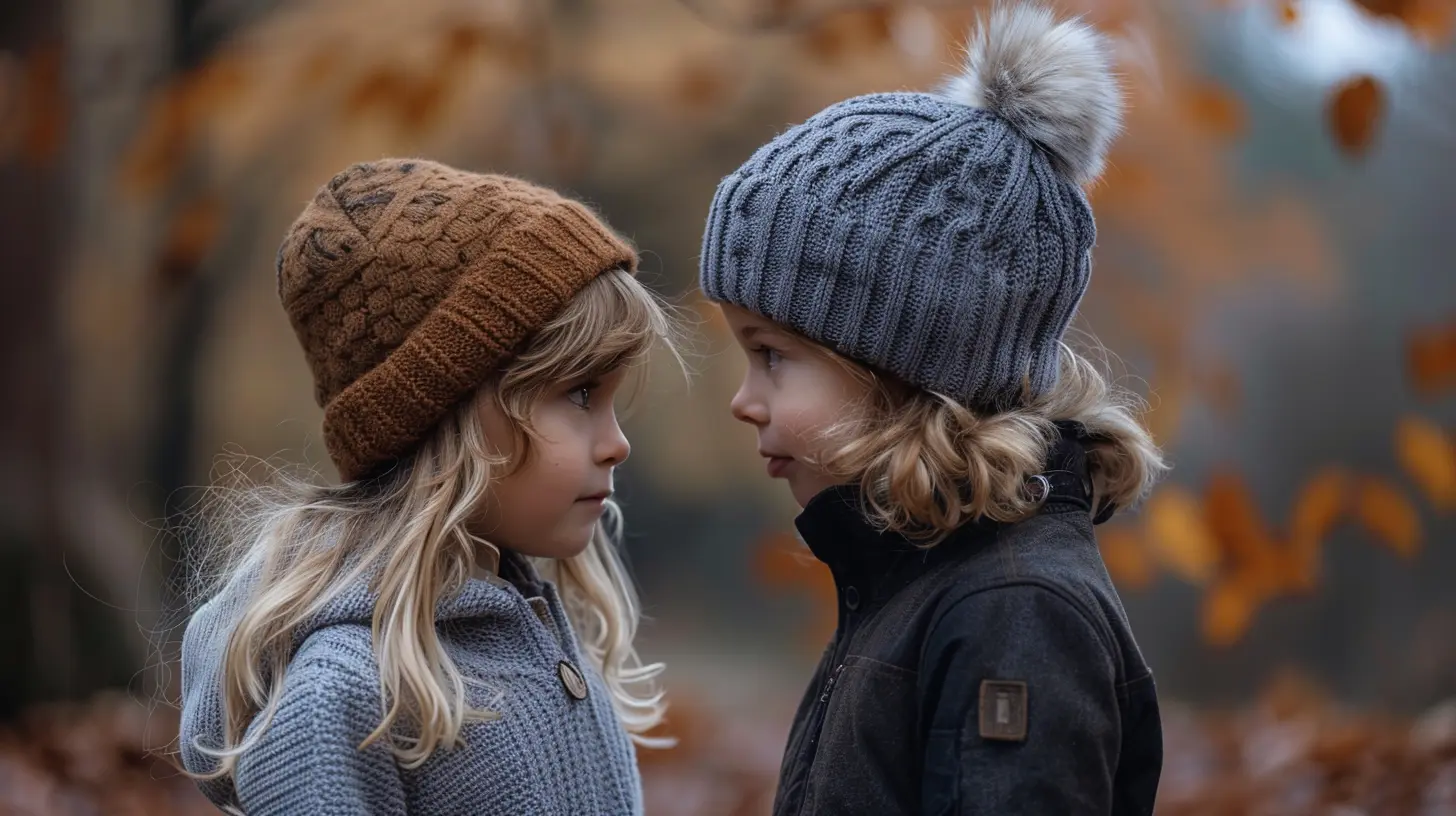
How to Teach Conflict Resolution to Kids
Ready to get practical? Let’s talk strategy. These tips work for toddlers, tweens, and everyone in between.1. Model It Yourself
Kids are watching us way more than they’re listening. If we yell, blame, or avoid conflict, they’ll think that’s the norm.Instead, try to:
- Use calm tones in disagreements
- Apologize when you're wrong
- Talk through your feelings
- Solve problems collaboratively
Basically, be the kind of conflict-resolver you want your kid to be.
2. Teach Feeling Words
It’s hard to resolve a conflict if you can’t name what you’re feeling. Help your child build a “feelings vocabulary” with words like frustrated, disappointed, left out, angry, or excited.Use games, books, or feelings charts to make it fun. Over time, they’ll go from tantruming to talking.
3. Role-Play Scenarios
Want to make it stick? Practice makes perfect.Use simple role-play examples like:
- “What would you do if someone cut in line?”
- “How could you tell a friend you’re upset without yelling?”
- “What might help solve this problem together?”
Let them try different responses. Talk about what works and what doesn’t.
4. Use Problem-Solving Steps
Teach them a simple, repeatable process. Here’s one that works well:1. Calm down and take deep breaths
2. Say what happened (without blame)
3. Share how you feel
4. Listen to the other person’s side
5. Brainstorm solutions together
6. Agree on a solution and try it out
It’s like a recipe—follow it often enough, and it becomes second nature.
5. Praise the Process
Don't wait for a perfect outcome. Celebrate the effort.Say things like:
- “I love how you stayed calm.”
- “You listened so well!”
- “That was such a respectful way to handle it.”
Positive reinforcement goes a long way, especially with kids.
Real-Life Examples That Show It Works
Let me tell you about Sarah, a mom of two spirited boys. She used to step in at every squabble, exhausted from playing referee all day. But after learning a few conflict resolution techniques, she gave her kids the tools to handle it themselves.Now? They still fight. (Newsflash: all siblings do.) But instead of yelling or hitting, they’re saying things like, “That hurt my feelings when you said that,” or “Can we trade turns?” That’s progress.
Another example? A 9-year-old girl named Maya, who was being left out by her classmates. Using the skills she learned in a social-emotional learning program, she calmly expressed how she felt and worked out a solution with her peers. Her teacher was blown away.
These aren’t rare success stories. Kids want to do better—they just need to be shown how.
Let Kids Mess Up (Then Talk It Through)
This part is key: let your kids fail at it. Don’t expect perfection.They’ll still yell sometimes. They’ll still get stubborn. But if you treat every conflict as a learning moment—and help them reflect without shame—they’ll get better.
Ask questions like:
- “How do you think that went?”
- “What could you do differently next time?”
- “How did the other person feel?”
These conversations plant seeds that grow over time.
Conflict Resolution Builds Future-Ready Kids
Let’s zoom out for a second.When you teach your child how to resolve conflicts, you’re not just preventing meltdowns at the dinner table or playground. You’re shaping a human being who can stand up for themselves without hurting others. Someone who can lead with empathy, communicate under pressure, and make rational choices—even when emotions run high.
That’s powerful.
And in today’s world—where emotional resilience is needed more than ever—that skillset can’t be underestimated.
Start Today (It’s Simpler Than You Think)
You don’t need a Ph.D. in psychology or a bookshelf of parenting manuals. You just need to be present, patient, and willing to teach through the messy moments.Next time a conflict pops up, take a breath and ask yourself:
- “Is this a moment I can step in to teach or coach?”
- “What skills could my child build from this situation?”
- “How can I help them feel heard, while still guiding them?”
Every conflict is a chance to raise a kinder, stronger, more capable kid. You’ve got this.
Final Thoughts
Conflict isn’t the enemy. It’s the classroom.When we teach kids how to work through disagreements rather than avoid or explode, we empower them with lifelong tools. Tools for empathy. For leadership. For self-awareness.
So whether your child is melting down in the grocery store aisle or navigating tricky friendships at school—remember this: it’s never just about the fight. It’s about what they learn from it.
Teach them well, and they’ll carry those skills forever.
all images in this post were generated using AI tools
Category:
Life Skills For KidsAuthor:

Maya Underwood
Discussion
rate this article
2 comments
Phaedra Garcia
Thank you for this insightful article! Teaching conflict resolution not only equips our children with essential life skills but also nurtures empathy and understanding. It truly lays the groundwork for healthier relationships and a more compassionate future.
February 6, 2026 at 3:36 PM
Maya Underwood
Thank you for your thoughtful comment! I'm glad you found the article valuable and agree on the importance of teaching conflict resolution for fostering empathy and healthy relationships.
Stephen Ellison
Excited to explore how conflict resolution skills can empower our kids for life’s challenges!
January 6, 2026 at 4:41 PM
Maya Underwood
Thank you! I'm thrilled to see your enthusiasm for empowering kids with these essential skills.