How to Balance School Work and Chores
17 June 2026
Let’s be honest—being a kid or teen these days isn’t as breezy as it may seem. Between school projects, daily homework, test prep, and a checklist full of chores like folding laundry or walking the dog, it can feel like your brain is juggling flaming bowling pins. Sound familiar?
Balancing schoolwork and chores is one of those life skills that nobody teaches us up front, but it’s super important. And guess what? It’s totally doable! With a bit of planning, some mindset shifts, and a few hacks up your sleeve, you (or your kid) can stay on top of responsibilities without losing your mind—or your weekend.
In this guide, we’re going to walk through simple, encouraging tips to create harmony between academics and home tasks. So grab your favorite snack and let’s dive in.
Why Balance Matters (More Than You Think)
You might think, “Why should I stress about balance when one thing always feels more important than the other?” Well, here’s the deal: when kids manage to keep both school and chores in check, they build confidence, independence, and discipline—the kind that sticks for life.Ever tried focusing on math homework when your room looks like a sock tornado? Yeah… not happening. Or spent so much time scrubbing the dishes that you ran out of steam for studying? That’s the stress we want to avoid.
Balance is not about being perfect—it’s about being smart with your time and energy.
Step 1: Create a Realistic Routine
The first step towards balance is creating a routine that actually works. Not the kind that looks great on paper, but the one your child can follow without feeling overwhelmed. Think of a routine like a GPS—it’ll keep them on track even when the day gets busy.What Should That Routine Include?
- Homework time: Pick a consistent window based on your child’s energy levels (some kids love working right after school, others need a break first).- Chore slot: Carve out 15–30 minutes max for daily chores. Morning and evening are both great options.
- Breaks & fun time: Kids are not robots. They need time to chill, play, or just stare at the ceiling. Include breathing room.
- Sleep schedule: Without enough rest, none of this works. Keep bedtime regular to recharge their batteries.
? Pro Tip: Use a whiteboard, planner, or a fun printable schedule to make the plan visible. Kids love ticking off boxes!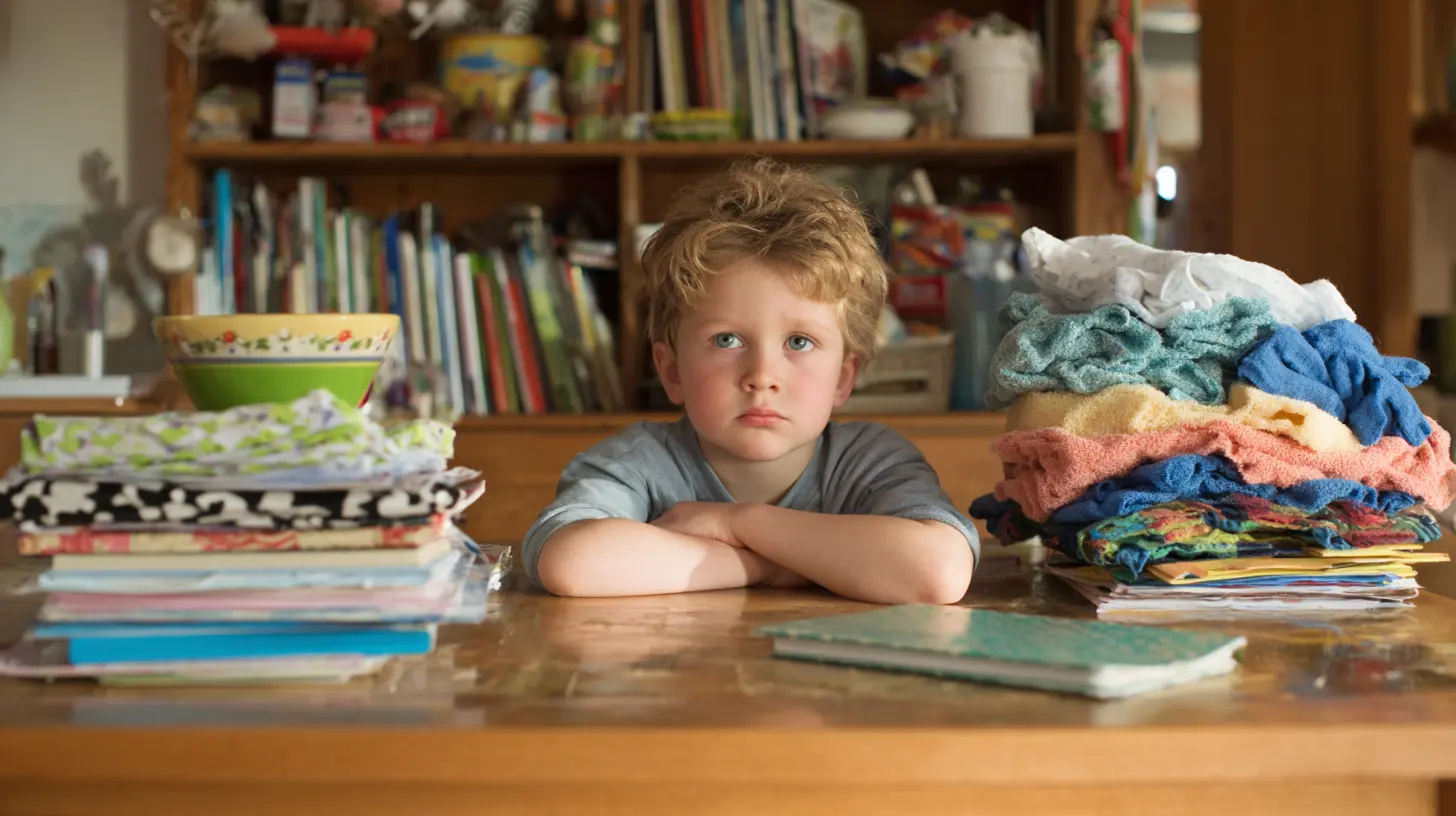
Step 2: Prioritize Like a Pro
Everything can feel urgent when you’re a student—science fair next week, math test tomorrow, and don’t forget Grandma’s birthday card. But not all tasks are created equal.Teaching kids to prioritize teaches them to think ahead, choose what matters most, and avoid last-minute panic.
Try the “Now, Next, Later” Trick:
- Now: Homework due tomorrow or chores that affect the whole family (like taking out the trash).- Next: Assignments due in a few days, or cleaning their room before guests arrive.
- Later: Long-term projects, reorganizing a shelf, things that can wait without real consequences.
This approach helps reduce the “everything is urgent” feeling that leads to meltdowns.
Step 3: Make Chores Feel Less Like Punishment
Let’s face it—most kids don’t love chores. The word alone sounds boring and, well, chore-ish. But what if we reframed it?Turn chores into chances for life lessons and ownership. Instead of “You have to clean your room,” try “You get to choose how your space looks.” It’s a mini step toward independence.
Tactics That Actually Work:
- Gamify it: Use timers, create a point system, or turn chores into challenges (“Let’s see who folds laundry faster—ready, set, go!”).- Link to privileges: Want 30 minutes of screen time? First, 15 minutes of chores. It’s a fair trade.
- Praise effort: Say things like, “Thanks for doing the dishes. That really helped Mom out.” Positive reinforcement goes a long way.
Remember, just like school, chores are part of growing up. They may not be exciting, but they teach responsibility—and that’s a skill that pays off forever.
Step 4: Use Time Blocks (Because Multitasking Is a Myth)
Ever tried watching a show while doing math homework and texting a friend? We all have. Spoiler alert: it doesn’t work. Multitasking reduces focus and turns 30-minute jobs into hours.Instead, encourage your kids (or yourself) to use time blocks—dedicated chunks of time for one activity only.
- 25 minutes homework, then 5-10 min break
- 15 minutes chores, then move on
- 20 minutes reading, followed by playtime
This system, inspired by the Pomodoro Technique, is great for brains that get distracted easily (hello, every child ever).
You’ll be amazed how much gets done when focus is full-on.
Step 5: Communicate Openly and Regularly
Creating balance isn’t a solo gig—it’s a team sport. Talk to your kids about expectations, struggles, and wins. Open communication makes everything smoother.Ask:
- “What part of your schedule feels too hard?”
- “Is there a chore you don’t mind doing? Let’s swap.”
- “Do you feel like you have enough downtime?”
By checking in, you show you’re a teammate, not a drill sergeant. It builds trust, which boosts cooperation.
Also, let them have a say in their routine. Kids love having a little control over their world.
Step 6: Watch for Burnout—and Adjust
Even with the best plan ever, some weeks will feel too heavy. That’s life.If you’re noticing:
- Frequent meltdowns
- Trouble sleeping or concentrating
- Extra crankiness (beyond typical kid mood swings)
It may be time to take a step back and adjust. Maybe school deadlines piled up or they’re outgrowing their current routine.
It’s okay to hit pause, reassess, and make changes. Flexibility is not failing. It’s adapting—and that’s what balance is all about.
Step 7: Celebrate the Small Wins
Here’s something we forget too often—progress deserves praise.If your child remembered to do their homework before being reminded? That’s a win.
If they vacuumed without making it look like a comedy sketch? Another win.
Celebrate with hugs, words of affirmation, or even a fun reward. The point is to create positive associations with being responsible.
It’s not about perfection—it’s about showing up, trying, and learning from mistakes.
Bonus Tips for Parents
While this article is all about balance for kids and teens, let’s not ignore the grown-ups in the room. Here’s how parents can help keep the ship sailing smoothly:- Model balance: Let your child see you handling your own tasks with a positive attitude (even if you're winging it half the time).
- Stay consistent: Kids thrive with clear, predictable boundaries.
- Be patient: Routines take time. Slips will happen, and that’s okay.
- Offer help—but don’t do it all: Let them struggle a little. It’s where growth lives.
Real Talk: It Won’t Always Be Perfect (And That’s Fine)
We’re all human. Some days your child will knock out their homework and chores like a pro. Other days, there may be tears, tantrums, or an epic flop. It’s normal.Balancing school and chores isn’t about reaching perfection—it's about building habits, resilience, and responsibility over time. Think of it like learning to ride a bike. They’ll wobble at first, but each attempt brings more confidence.
So keep cheering them on, guiding gently, and adjusting as life ebbs and flows. You’ve got this—and they do, too.
Final Thoughts
Balancing school and chores doesn’t have to be a battleground. With the right attitude, tools, and a touch of creativity, it can become a rhythm—a flow of daily life that empowers kids instead of overwhelming them.And remember, you're not just managing tasks. You’re raising future adults who will one day juggle work, laundry, bills, and more. Teaching balance now is one of the best gifts you can give.
So take a breath. Trust the process. And celebrate every little victory along the way.
all images in this post were generated using AI tools
Category:
Kids And ChoresAuthor:

Maya Underwood
Discussion
rate this article
1 comments
Raegan Wilkins
Breaking tasks into small, manageable chunks can help kids stay focused. Set specific times for school work and chores, and make it a routine. Rewards can motivate them too.
June 20, 2026 at 4:18 PM