Helping Your Preschooler Develop Fine Motor Skills
5 August 2026
Raising a preschooler is kind of like watching a magic show—you never really know what they'll do next. One day they’re stacking blocks like a pro, and the next, they're struggling to open their snack box. Sound familiar?
If you've ever wondered how to help your child improve those small yet mighty movements (think holding a crayon or buttoning a shirt), then you're in the right place. Helping your preschooler develop fine motor skills is not just about play—it’s about building the foundation for writing, dressing, eating, and even tying shoes.
Let’s dive into why fine motor skills matter and how you can boost them, all while having fun (and maybe even avoiding a tantrum or two).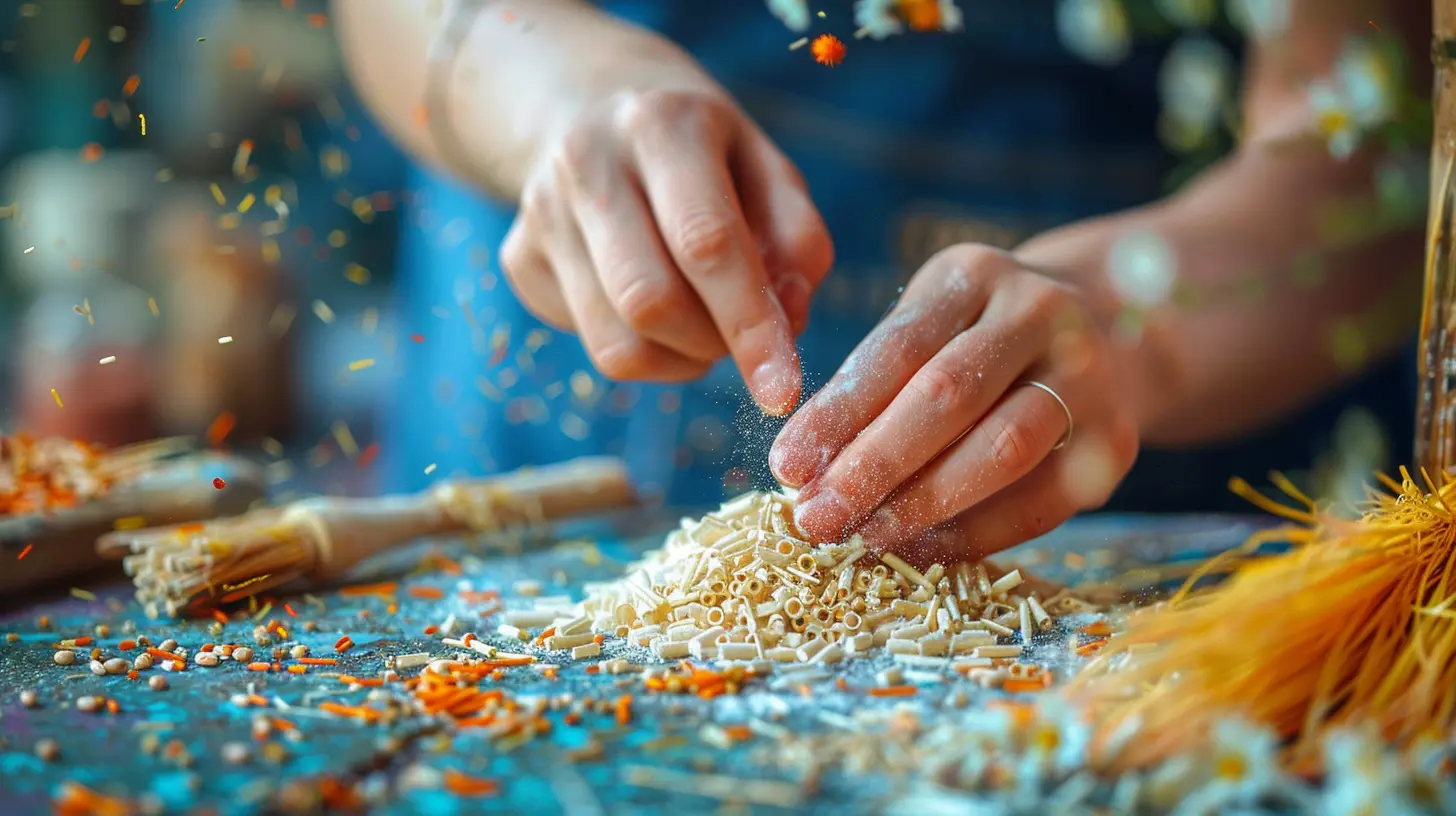
What Are Fine Motor Skills Anyway?
Fine motor skills involve the use of the small muscles in the hands, fingers, and wrists. When your child draws, cuts with scissors, or zips up their jacket, they're using fine motor skills.It might seem like second nature to us adults, but for a preschooler? It's like training to become a tiny ninja—it takes patience, coordination, and a whole lot of practice.
These skills are super important because they help children become more independent and confident. From brushing teeth to feeding themselves, strong fine motor development sets the stage for handling daily tasks and school-related activities like writing and drawing.
The Big Deal About Fine Motor Skills in Preschoolers
You’re probably thinking, "Okay, so my kid can’t hold a pencil perfectly yet—is that really a big deal?" Well, yes and no.While it’s totally normal for preschoolers to be a little clumsy (they’re still figuring it all out), consistently struggling with basic tasks like cutting paper or manipulating small objects could hint at a developmental delay.
Here’s why fine motor skills are such a big deal at this stage:
- Prepares for writing: Kids need finger strength and coordination to hold pencils correctly.
- Improves self-care: Think zippers, buttons, and using utensils—fine motor skills are crucial here.
- Boosts independence: Stronger kids = happier kids who want to “do it myself!”
- Supports academic learning: Activities like drawing, coloring, and even using a computer start with solid fine motor control.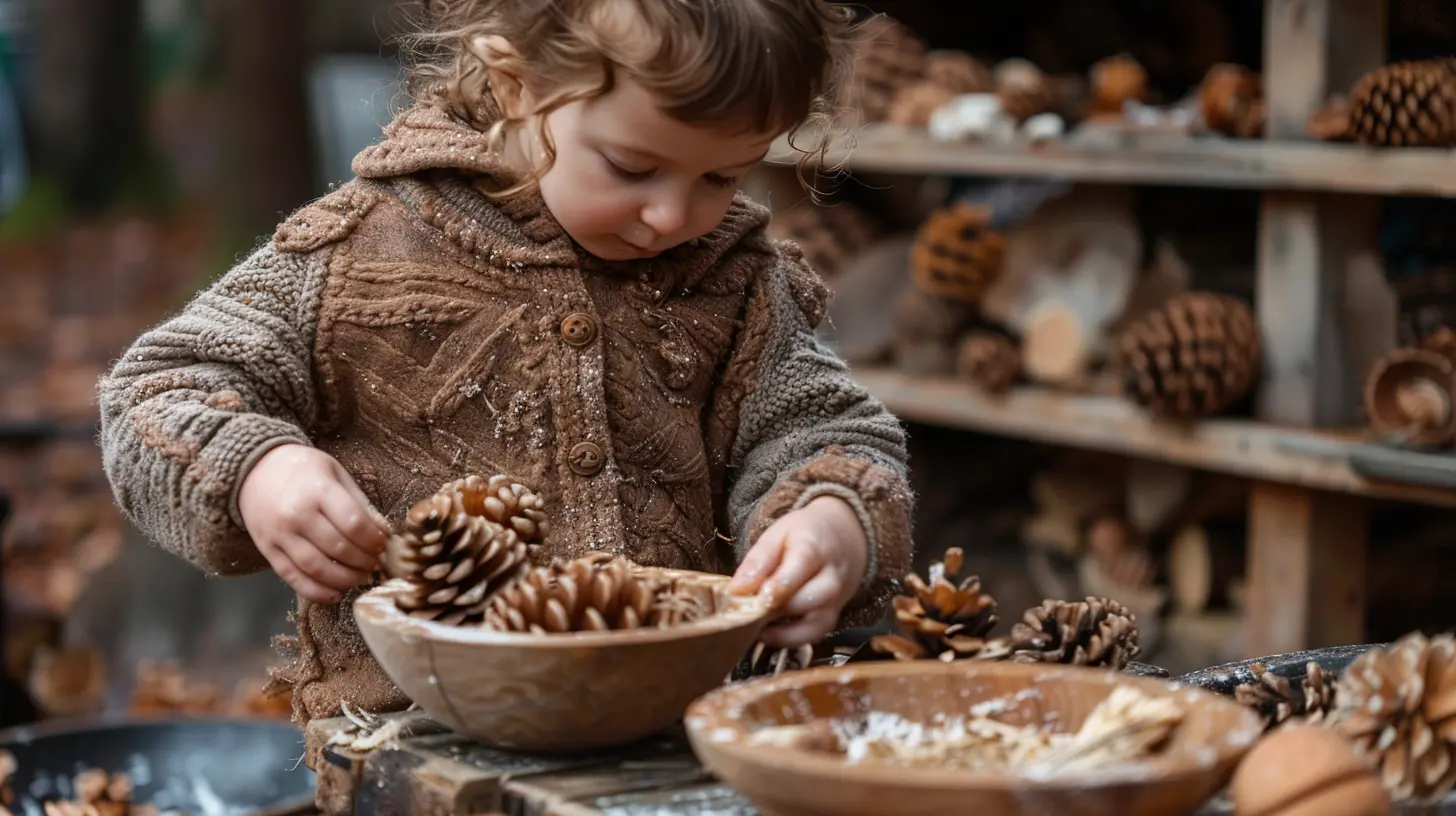
Signs Your Child Might Be Struggling
Not all kids develop at the same pace, but here are a few red flags that could suggest your child needs a little extra support:- Avoiding tasks that involve using their hands
- Difficulty holding small objects
- Trouble using scissors
- Frustration with dressing or feeding themselves
- Awkward pencil or crayon grip
Sound familiar? Don’t panic—there are tons of ways you can help at home, and most of them are disguised as play!
Tips and Activities to Improve Fine Motor Skills
Let’s be honest: you don’t want to turn your home into a boot camp. The goal is to weave fine motor development into your child's routine so they don’t even realize they’re “working.”Here are some easy, fun, and effective ways to help your preschooler build those essential skills.
1. Play with Play-Dough
Squish it. Roll it. Squeeze it. Twist it.Play-dough is one of those magical tools that kids love, and it just so happens to be a fantastic workout for their little hand muscles.
Try this:
- Have them roll “snakes” and “meatballs”
- Use cookie cutters or plastic knives for added fun
- Hide small beads inside the dough and let them dig them out
2. Get Crafty
Scissors, glue, stickers, and crayons—oh my!Arts and crafts are hands-down one of the best ways to sneak in fine motor work. Grab some construction paper, child-safe scissors, and watch your child’s confidence flourish.
Pro tip: Let them use tongs or tweezers to pick up craft supplies. It’s a sneaky way to boost hand strength.
3. Practice With Dressing Skills
Let your little one take the lead when it comes to dressing. Sure, it might take an eternity to button their coat, but patience now builds independence later.Skills to try:
- Buttoning and unbuttoning shirts
- Zipping jackets or backpacks
- Snapping jeans or fastening Velcro shoes
Tip: Dress-up clothes with different fasteners make this extra fun.
4. Turn Snack Time Into Skill Time
Yes, even eating can be a fine motor activity!Using utensils, opening containers, peeling a banana—these are all opportunities for skill development. You can even ask your child to help prep meals. Let them tear lettuce, spread peanut butter, or pour ingredients into a bowl.
Bonus: You get a little helper in the kitchen!
5. Puzzle It Out
Puzzles are like brain-gym for kids. Not only do they encourage spatial awareness, but they also give those little fingers a solid workout.Look for puzzles with chunky pieces and knobs at first, then graduate to more complex ones as your child gains confidence.
Tip: Tangrams, lacing cards, and pegboards work wonders too.
6. Build with Blocks
Wooden blocks, LEGO bricks, snap cubes—you name it. Building toys are fantastic for improving dexterity and grip strength.Challenge your child to build towers, bridges, or specific shapes. You’ll be amazed at how much control they develop over time.
The Power of Routine
Building fine motor skills doesn’t require hour-long sessions or elaborate planning. The key? Make it part of their everyday life.Involve your child in daily tasks like:
- Setting the table
- Watering plants with a small spray bottle
- Putting away utensils
- Helping with laundry (sorting socks is a great start)
These moments might seem small, but they add up—kind of like compound interest for motor development!
Don't Forget About The Big Picture
It’s easy to zero in on fine motor skills and forget the rest. But just like you wouldn’t strength-train only one arm, your child’s development needs balance.Give equal attention to gross motor skills (like running or jumping), social skills, emotional regulation, and language development. All these pieces come together to create a confident, capable kiddo.
Encouragement and Patience Go a Long Way
Here’s the truth: your child’s progress might be slow and messy. That’s okay.Celebrate the small wins—whether it’s holding a crayon the right way or successfully zipping up a coat on the first try. These moments build self-esteem and encourage persistence.
And remember, every child develops at their own pace. What matters most is your love, your encouragement, and your willingness to let them try (even if it means stepping over a few LEGO pieces along the way).
When to Seek Professional Help
Sometimes, despite your best efforts, your child might struggle with fine motor skills more than what’s typical for their age. If that’s the case, don’t hesitate to talk to your pediatrician. They might recommend an occupational therapist who can provide tailored activities and support.Signs it might be time to get help:
- Consistently avoiding tasks that involve hand use
- Frequent frustration or meltdowns during fine motor activities
- Falling far behind peers in self-care abilities
- Complaining of hand fatigue or pain
Early intervention can make a world of difference, so trust your gut.
Final Thoughts: You're Doing Great
Helping your preschooler develop fine motor skills doesn’t mean being perfect or doing everything at once. It’s about creating an environment where your child feels encouraged to explore, try, fail, and try again.With a little patience and a handful of fun activities, you’ll see their confidence and coordination bloom right before your eyes.
So next time you see them “just playing” with blocks or coloring outside the lines, remember—they’re growing, learning, and getting those fingers ready for a big world ahead.
Keep cheering them on. You’re their biggest fan, and that makes all the difference.
all images in this post were generated using AI tools
Category:
Parenting PreschoolAuthor:

Maya Underwood
Discussion
rate this article
1 comments
Raelyn McLoughlin
Great tips! Strengthening fine motor skills sets a strong foundation for learning ahead.
August 8, 2026 at 4:44 AM
Maya Underwood
Thanks for your feedback! I'm glad you found the tips helpful. Building those skills really can make a difference for young learners.