Handling Big Emotions with Preschoolers
1 June 2026
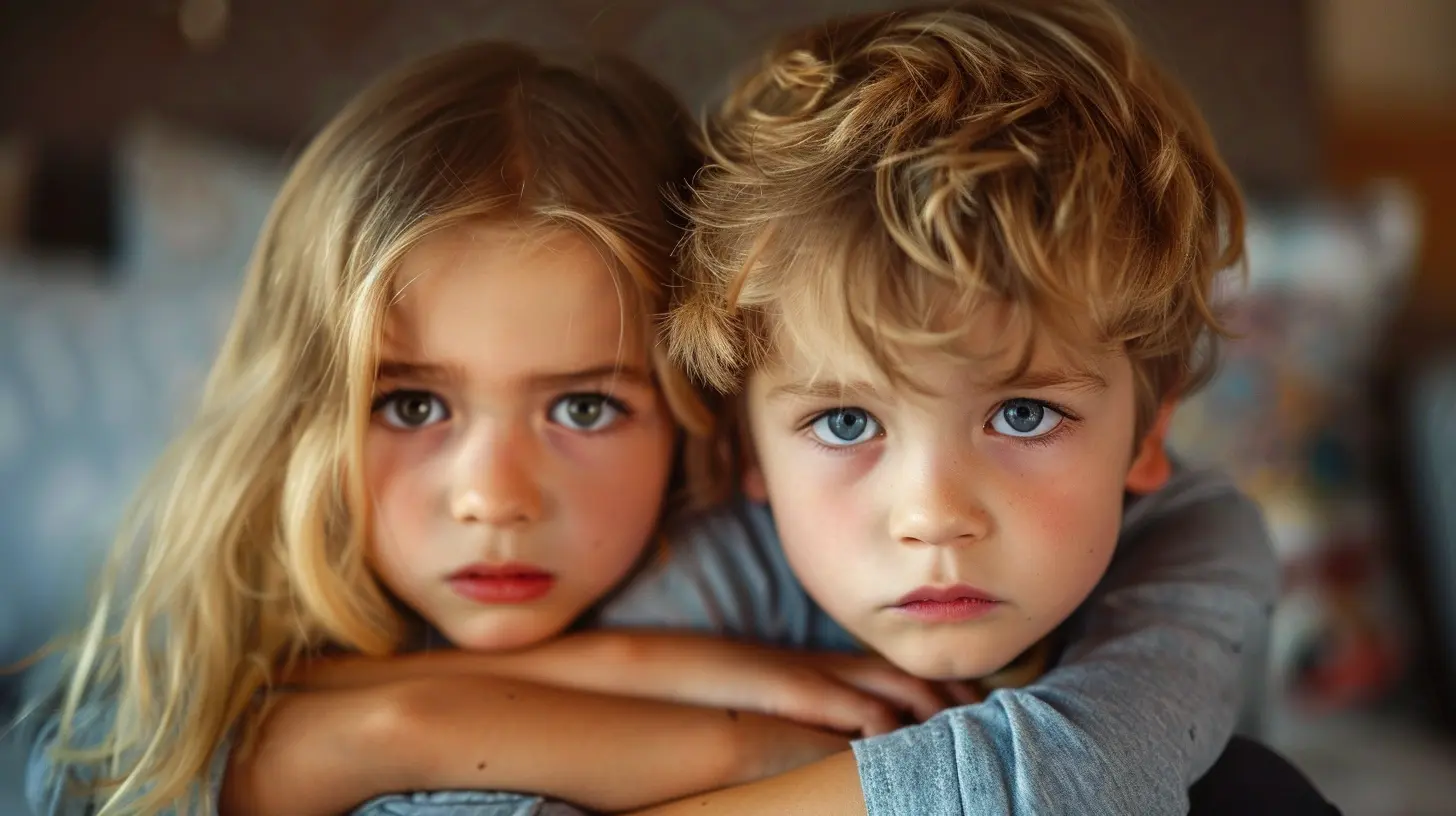
As parents, we’ve all been there: the moment when your sweet preschooler suddenly turns into a tiny ball of fury, tears streaming down their face, stamping their feet, or even rolling on the floor. You’re standing there, wondering, "What just happened?!" One second, everything’s fine, and the next, you're smack dab in the middle of a preschooler meltdown.
But here’s the thing: those big emotions? They’re completely normal.
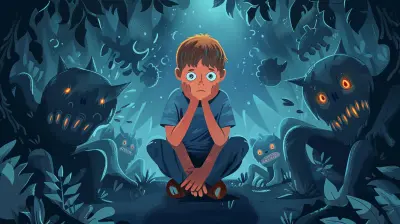
Preschoolers are still learning how to navigate the complex world of emotions. Happiness, sadness, frustration, fear — it’s all new to them, and they haven’t quite figured out how to express themselves appropriately yet. It’s like their feelings are a powerful storm, and they’re desperately trying to figure out how to keep their boat afloat in the middle of all that chaos.
So, how do we help them? How do we, as parents or caregivers, navigate these turbulent waters alongside them? Let’s dig into some tried-and-true strategies for handling big emotions with preschoolers.
Understanding Big Emotions
Before we dive into the “how,” let’s first take a moment to understand why preschoolers often experience such intense emotions.
Why Are Emotions So Big at This Age?
For preschoolers, the world is full of firsts. First time at school. First time making friends. First time learning to share. And with these new experiences come new feelings. Emotions can be overwhelming for a child who’s only a few years old. Think about it: they’re still figuring out how everything works, not just in the big world around them but inside their little hearts and heads, too.Their brains are still developing, especially the part that helps regulate emotions. In fact, the prefrontal cortex – the brain's “emotional control center” – isn’t fully developed until well into adolescence and early adulthood! So it’s no wonder that dealing with frustration, excitement, or disappointment might be... well, a bit messy sometimes.
Imagine trying to build an IKEA bookshelf without the instructions. Frustrating, right? That’s essentially what preschoolers are doing; they’re feeling emotions without having the "manual" to guide them.
Common Triggers for Big Emotions
While every child is different, there are some common scenarios that tend to bring out those big feelings in preschoolers:- Transition times (e.g., leaving the park or stopping a fun activity)
- Frustration over tasks they can’t do yet (like tying shoes or drawing something “just right”)
- Being told “no” (we’ve all been there!)
- Changes in routine (starting preschool, moving to a new home, etc.)
- Sensory overload (too much noise, bright lights, or crowds can be overwhelming)
By recognizing the triggers, you can often preempt the meltdown or at least be better prepared to handle it when it happens.

How to Handle Big Emotions with Preschoolers
Now that we know why preschoolers experience these big emotions, let’s talk about what we can do when they occur.1. Stay Calm
This is a tough one. When your child is screaming, thrashing, or breaking down, your natural instinct might be to raise your voice or get frustrated yourself. But here’s the trick: stay calm.Children are incredibly perceptive — they take their emotional cues from us. If you react with anger or frustration, it can escalate the situation. Staying calm, taking deep breaths, and lowering your voice can help create a sense of safety and help your child regulate their emotions faster.
It might help to think of yourself as the sturdy tree in the middle of the storm. The wind (your child’s emotions) can blow as hard as it likes, but you — the tree — remain grounded. This provides your child with the emotional stability they need.
2. Acknowledge Their Feelings
Before you dive into problem-solving mode, take a moment to acknowledge what your child is feeling. Saying something like, “I see you're really upset,” or “It sounds like you’re feeling frustrated,” shows your child that you understand them.This not only helps them feel validated but also teaches them to label their emotions. Instead of just feeling a wave of overwhelming feelings, they start to understand, “Oh, this is what frustration feels like,” or “This is what it feels like to be sad.”
3. Offer Simple Choices
Giving your preschooler some control over the situation can sometimes help diffuse a meltdown. They might feel powerless or overwhelmed by decisions made for them, so offering choices helps give them a sense of agency.For instance, if they're upset about leaving the park, you might say, “Would you like to walk to the car or would you like me to carry you?” With younger children, too many choices can be overwhelming, so stick to no more than two options.
This strategy also works well when emotions are high because it redirects their attention and gives them something concrete to focus on.
4. Use Time-In Instead of Time-Out
You've probably heard of using time-out as a way of disciplining a child after a tantrum. While time-outs can work, some parenting experts suggest that time-ins can be more effective when it comes to dealing with big emotions.What’s a time-in? Instead of isolating the child, you stay with them — you let them feel their feelings while being close and offering comfort. It sounds simple, but just being there with them, offering a hug, or sitting quietly while they calm down can make a world of difference.
It’s like saying, “I’m here. I know you’re upset, but you’re not alone in feeling this way.”
5. Teach Them Healthy Coping Mechanisms
While staying calm and offering choices in the heat of the moment is important, it’s equally crucial to teach your child how to handle their emotions in the long run. Preschool-aged children are incredibly receptive to learning at this stage, so now’s the time to start teaching those healthy coping mechanisms.You can teach your child simple techniques, like:
- Deep breathing: Help them learn to take deep breaths when they’re upset. Make it fun by blowing bubbles or using pinwheels as a visual way to practice.
- Counting to 10: This can give them time to calm down before reacting.
- Using words: Encourage them to tell you how they feel instead of acting out. For example, “I’m mad because I wanted more playtime.”
- Using a calm-down spot: Create a cozy space at home where your child can go to calm down when they’re feeling overwhelmed.
6. Give Them Space to Cool Off
Sometimes, no matter what you do, your child just needs some time and space to cool down. That’s okay! It's not about isolating them but rather giving them the room they need to process their feelings on their own terms.You could say, “I’m here when you’re ready to talk,” and step away for a bit. This gives them a sense of control while also knowing that you’re nearby if they need you.
7. Model Emotional Regulation
Children are always watching us, learning from what we do. So one of the best ways to help them manage big emotions is to model healthy emotional regulation yourself.If you’re feeling stressed or frustrated, try to talk through your feelings in front of your child. For example, “I’m feeling frustrated right now because I can’t find my keys, but I’m going to take a deep breath and keep looking for them.”
This not only helps you manage your own emotions but shows your child that it's okay to have big feelings and that there are healthy ways to deal with them.
8. Practice Empathy and Patience
Remember that dealing with big emotions is hard for your child — and it can be hard for you too! You both are learning every day, and it’s important to practice empathy toward your child and patience with yourself.It’s okay not to get it right every time. You’re not expected to be a perfect parent because there’s no such thing. What matters most is that you try, that you're there, and that you love them unconditionally through the highs and the lows.
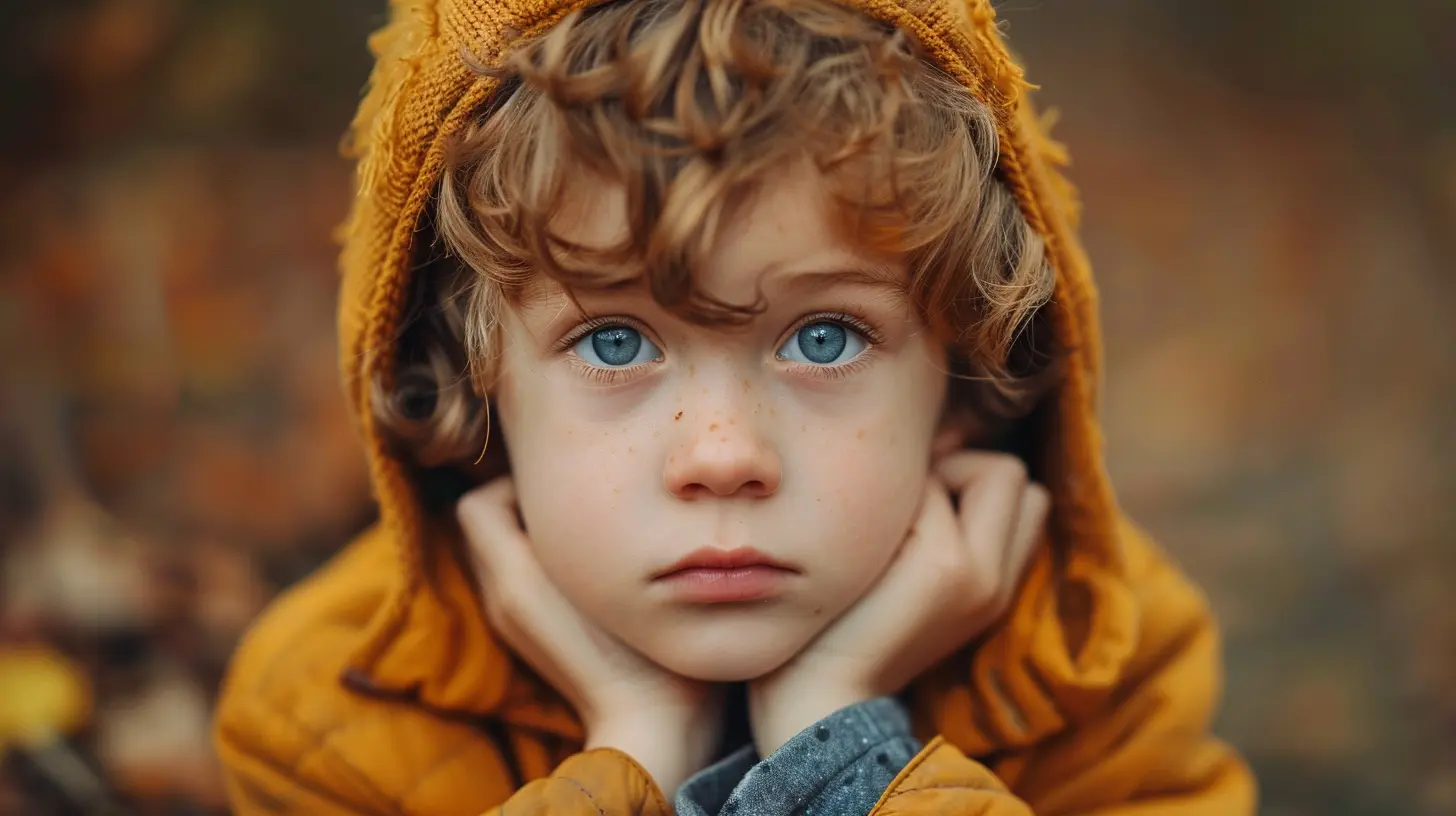
Conclusion
Handling big emotions with preschoolers is no easy feat. It requires patience, understanding, and a whole lot of deep breaths (and probably coffee!). But by staying calm, acknowledging your child’s emotions, and teaching them healthy coping skills, you can help them learn how to manage their feelings in a positive way.Remember, this emotional rollercoaster is all a part of growing up – for your preschooler and for you, too!
all images in this post were generated using AI tools
Category:
Parenting PreschoolAuthor:

Maya Underwood
Discussion
rate this article
1 comments
Oren Beck
Navigating preschooler emotions can feel like riding a rollercoaster. One moment they're laughing, the next they're in tears. The trick? Stay calm and validate their feelings. Remember, it's about teaching them to ride the waves, not just avoid the storms.
June 6, 2026 at 2:26 AM
Maya Underwood
Absolutely! It's all about helping them understand their feelings while providing a steady presence. Riding those waves together makes all the difference.