Dealing with Preschool Tantrums: A Parent's Guide
7 April 2026
Parenting is a beautiful journey, but let's be honest—it comes with its fair share of challenges. One of the most frustrating and exhausting moments? Preschool tantrums. One minute your little one is all giggles, and the next, they're on the floor, screaming like their world just ended because you gave them the "wrong" color cup. Sound familiar?
You're not alone! Every parent faces tantrums at some point, and while they may feel overwhelming, they are a normal part of child development. The good news? There are effective ways to handle them without losing your sanity.
In this guide, we'll break down tantrums—why they happen, how to deal with them, and ways to prevent them in the first place. So, grab a cup of coffee (or hide in the pantry for a moment of peace), and let's dive in! 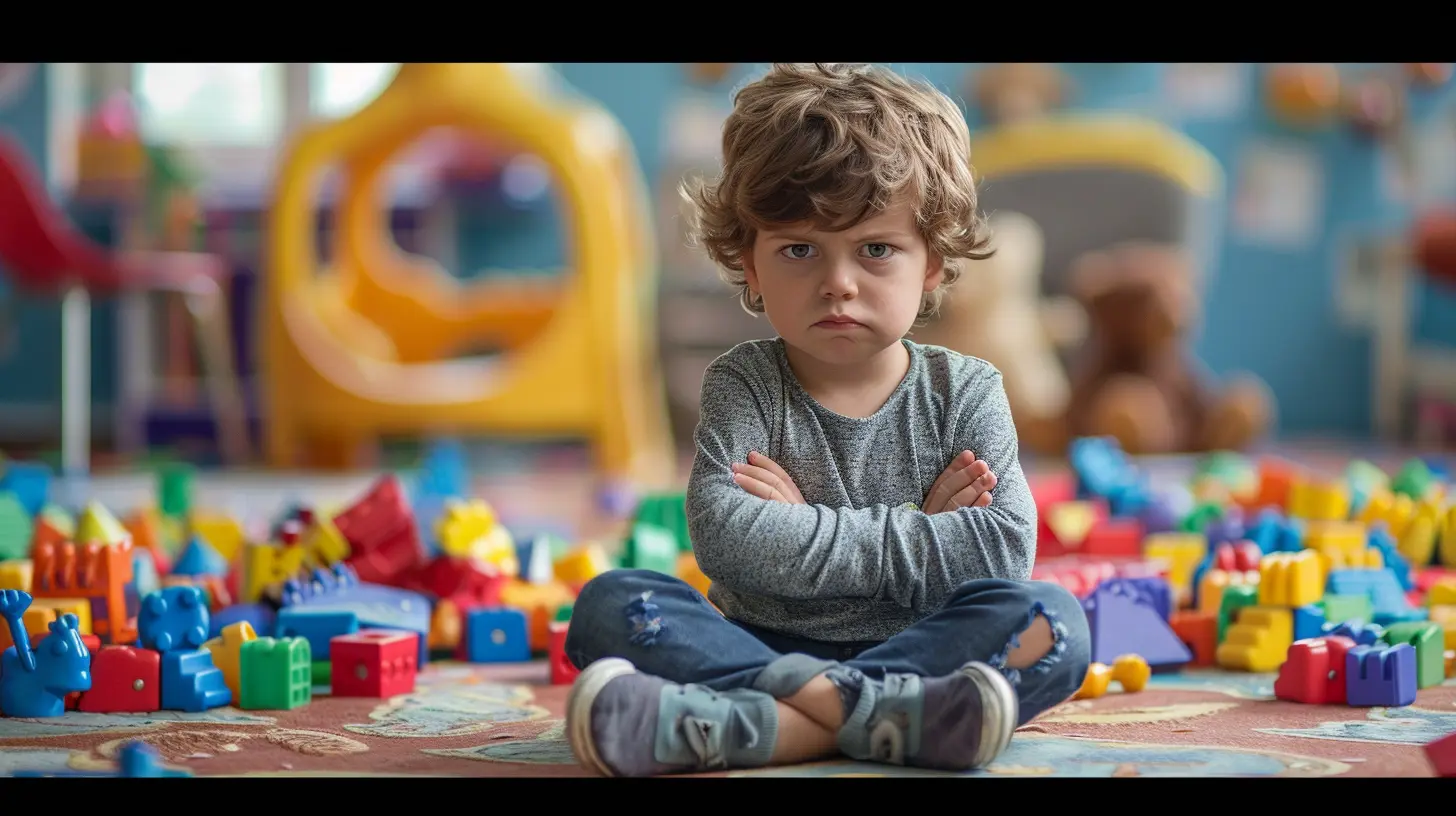
Why Do Preschoolers Throw Tantrums?
Before we talk about managing tantrums, it's important to understand why they happen in the first place. Preschoolers are still learning how to process emotions, and since their language skills are still developing, frustration can quickly turn into a full-blown meltdown.Here are some common reasons for tantrums:
- Frustration: They can't do something they want to do (like buttoning their shirt or building a tall tower).
- Overstimulation: Too many noises, people, or activities can overwhelm their little brains.
- Hunger or Fatigue: Ever been so hungry you got cranky? Kids feel this even more strongly.
- Seeking Attention: Sometimes, they realize that throwing a fit gets them noticed.
- Testing Boundaries: They’re learning what they can and can’t get away with.
- Big Emotions, Small Words: They feel angry, sad, or disappointed, but they don’t have the words to express it.
Understanding what triggers your child’s tantrums can help you manage them more effectively. 
How to Handle Tantrums Without Losing Your Cool
Tantrums can test your patience like nothing else, but handling them calmly is key. Here’s how you can navigate the storm:1. Stay Calm (Even When You Want to Scream)
Your child feeds off your energy. If you escalate alongside them, the situation will only get worse. Instead, take a deep breath, keep your voice steady, and remind yourself that this is temporary.2. Acknowledge Their Feelings
Sometimes, your child just wants to feel heard. Instead of dismissing their emotions, try saying:- “I see that you’re really upset right now.”
- “I know you wanted the blue cup, and that’s frustrating.”
This doesn’t mean giving in—it just helps them feel understood.
3. Don't Give In to Demands
If your child throws a fit because they want a cookie before dinner, and you give it to them just to stop the tantrum, guess what? They’ve just learned that tantrums work. Stay firm, even if it’s tough.4. Use Distraction
Sometimes, a quick change in focus can end a tantrum before it spirals. If they’re freaking out because they don’t want to leave the park, try saying, “Oh wow, look at that cool bird over there!” or “Let’s race to the car!”5. Give Them Space if Needed
Some kids need a moment to cool off on their own. If they’re safe, let them have that space. You can say, “I’ll be right here when you’re ready to talk.”6. Offer a Hug (If They Want One)
Not all kids want to be touched during a tantrum, but sometimes, offering a hug can help them calm down. It reassures them that they’re safe and loved, even when they’re upset.
Preventing Tantrums Before They Begin
Wouldn't it be nice if tantrums didn’t happen at all? While you can’t prevent every meltdown, there are ways to reduce them:1. Give Them Choices
Kids love to feel in control (even if it’s just an illusion). Instead of saying, “Put on your shoes,” try, “Do you want your red shoes or your blue ones?” Giving choices helps them feel empowered.2. Stick to a Routine
Preschoolers thrive on predictability. If they know what’s coming next (mealtime, nap time, playtime), they’re less likely to get upset. Try to keep a consistent daily schedule.3. Make Transitions Easier
Moving from one activity to another can be tough for little ones. Instead of abruptly saying, “We’re leaving now!” try giving a countdown: “We’re leaving in five minutes… Okay, two more minutes… Time to go!”4. Encourage Communication Skills
Since many tantrums stem from frustration over not being able to express themselves, helping them develop their language skills can work wonders. Teach them simple phrases like:- “I’m mad.”
- “I need help.”
- “I don’t like this.”
5. Ensure They Get Enough Rest and Snacks
A tired or hungry preschooler is a meltdown waiting to happen. Keep healthy snacks on hand and stick to a good sleep schedule.6. Praise Good Behavior
When your child handles frustration well, praise them for it! “Wow, you stayed calm when your block tower fell! That’s awesome.” Encouragement goes a long way.
When to Worry About Tantrums
Most tantrums are just a normal part of growing up. But if your child’s meltdowns are extreme, last a very long time, or happen too frequently, it might be time to check in with a doctor or child psychologist. Consider seeking help if:- Tantrums last more than 30 minutes regularly.
- Your child harms themselves or others during a meltdown.
- They have frequent tantrums past the preschool years.
Don’t hesitate to reach out for guidance. Sometimes, kids need extra support in managing their emotions.
Final Thoughts
Tantrums are tough, but they’re also temporary. Your little one isn’t throwing a fit to make your life miserable—they’re just struggling to express big emotions. The best thing you can do? Stay calm, be patient, and remember that this phase will pass.And when all else fails? Take a deep breath, remind yourself that you’re an amazing parent, and maybe have some chocolate (because you deserve it).
You're doing great. Really.
all images in this post were generated using AI tools
Category:
Parenting PreschoolAuthor:

Maya Underwood
Discussion
rate this article
2 comments
Scarlett Gutierrez
Embrace the journey; every tantrum is a step towards understanding and growth together!
April 13, 2026 at 5:03 PM
Maya Underwood
Absolutely! Each tantrum is a chance to learn and connect with our little ones.
Kennedy McVicar
Ah yes, mastering the art of negotiation with a tiny, emotionally volatile dictator—fun times!
April 7, 2026 at 3:52 PM
Maya Underwood
It definitely feels that way sometimes! Navigating those tantrums can be a wild ride.