Fostering Accountability in Everyday Tasks
3 July 2026
Let’s be real for a second—getting kids to take responsibility for daily tasks isn’t always sunshine and rainbows. If you've ever asked your child to clean their room and thirty minutes later found them building a Lego city instead, you’re not alone. Fostering accountability in everyday life is a true parenting journey, but the good news? It’s totally doable. And it’s worth it.
Accountability is more than just doing chores. It’s about owning actions, learning from mistakes, and building character one small task at a time. So, how do we raise responsible kids in a world full of distractions? Let’s break it down step-by-step.

What Is Accountability (And Why Should We Care)?
Accountability means taking ownership—of actions, responsibilities, and ultimately, consequences. When kids learn to hold themselves accountable, they're more likely to follow through, build trust, and become confident decision-makers. It’s one of those life skills that never stops paying off.Think of accountability like a muscle—you’ve got to work it consistently to make it stronger. And the earlier you start, the better.

The Foundation Starts at Home
Want your child to be responsible? Start by modeling it yourself. Kids are like little sponges—they notice more than we think. If you're constantly putting things off, overpromising and under-delivering, chances are, they’ll follow suit.Here’s a hard truth: If we don’t show accountability ourselves, they won’t learn it either.
Set Clear Expectations
Kids don’t come with instruction manuals (unfortunately). So, it’s up to us to set the rules. If you want your child to help set the dinner table every night or remember their homework, say it clearly and consistently. No vague “You know what to do, right?” Be specific.Better yet, involve them in the conversation. Turn “You need to do your homework” into “What’s your plan to get your homework done today?”
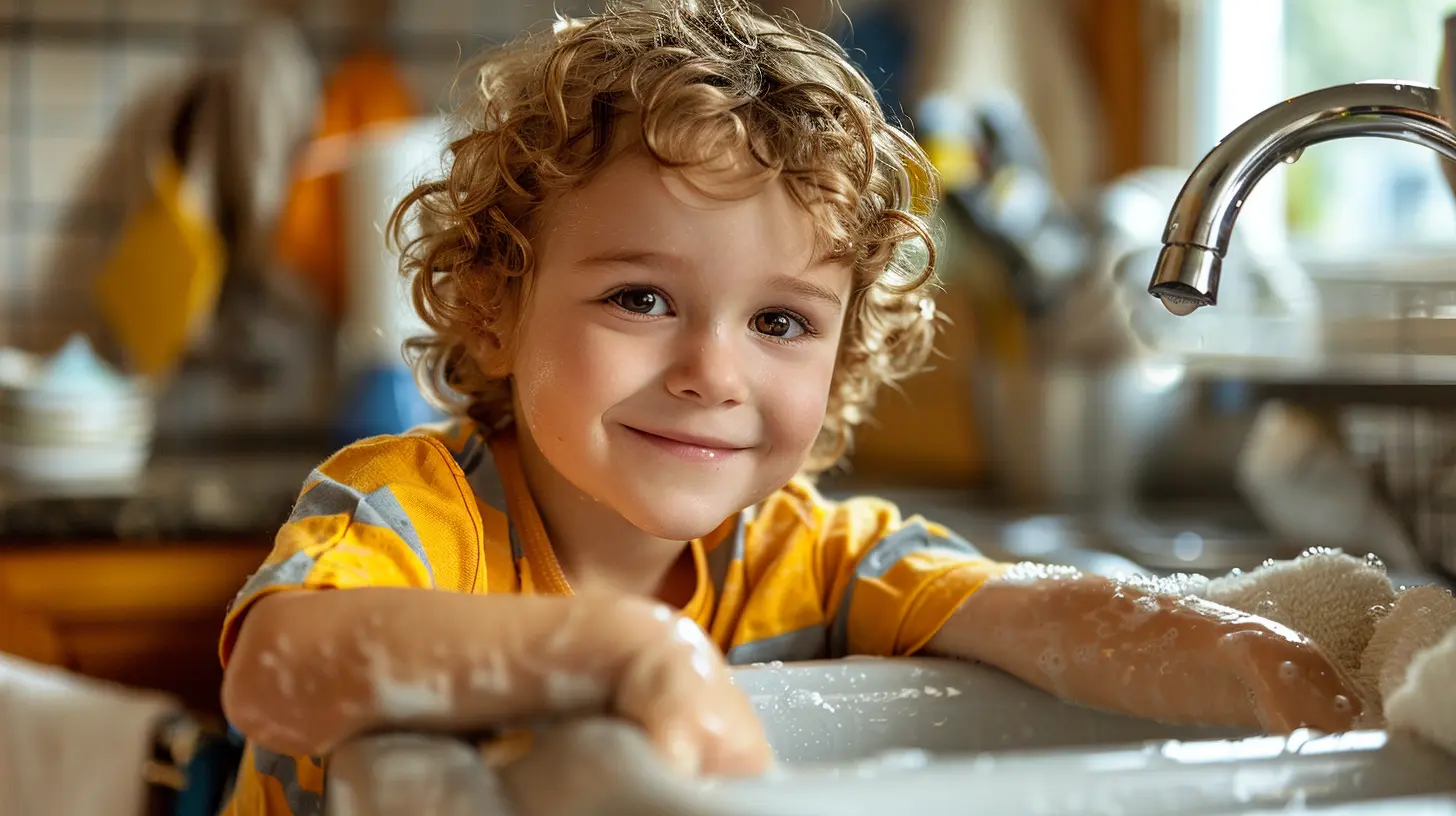
Give Them Ownership of Tasks
No one likes being micromanaged—especially not kids. Giving them some control over their daily tasks can massively boost their confidence and willingness to follow through.Start Small, Build Big
Start with simple responsibilities:- Feeding the dog
- Making their bed
- Putting their clothes in the laundry basket
These may seem small, but they’re stepping stones. Once they master the mini tasks, they’ll be more prepared to handle bigger responsibilities—like managing school projects, organizing their time, or preparing their own lunches.
Let Them Choose
Decisions are powerful. If your child chooses their own tasks or schedule, they’re more likely to stick with it. For example:“Do you want to pack your bag before or after breakfast?”
“Would you rather clean your room today or tomorrow morning?”
This gives them a say in the process and teaches time management in a low-pressure way.

Use Natural Consequences (Not Punishments)
Forget the lectures and threats. Natural consequences are where the real magic happens. Didn’t pack your lunch? You’re hungry until you remember next time. Forgot homework? You explain to the teacher. It’s uncomfortable—but it’s how learning sticks.Resistance Is Part of the Process
Expect some pushback. It's normal. Our job isn’t to shield them from discomfort; it's to guide them through it with love and consistency.Hold your ground with empathy. Say things like, “I know it's hard, but I believe you can handle it.”
Create Routines That Reinforce Responsibility
Routines bring structure to chaotic mornings and sleepy evenings. They make accountability easier because expectations are built-in.Think of routines as autopilot for responsibility.
Morning and Evening Rituals
- Morning: Make bed, eat breakfast, brush teeth, pack bag- Evening: Homework check, prep for tomorrow, tidy up room
Visual schedules or checklists work wonders, especially for younger kids. Grab a whiteboard or make one together with pictures and stickers. Fun + function = parenting win.
Talk About Mistakes Without Shame
Everyone messes up—even parents. When your kid forgets a task or drops the ball, avoid the blame game. Instead of “I told you to...” try “What got in the way?” or “What could you do differently next time?”Mistakes are teaching moments, not moral failings.
Share Your Own Oops Moments
When you mess up, admit it. This teaches humility and shows that no one is perfect. Tell your kids about that time you were late turning in paperwork or forgot a grocery item.Kids learn more from watching us handle failure than they do from celebrating our wins.
Use Rewards and Praise Wisely
Praise is powerful when used right. Focus on effort, not just results. Say, “I love how you remembered to water the plant every day,” instead of “Good job on your task.”If you want to use rewards, keep them simple and tied to the task. For example, completing all your chores for the week means choosing a movie night or picking Saturday’s dinner.
Avoid bribes. We want kids to feel good about doing the right thing—not just because it earns them something.
Tech Can Help (If You Use It Right)
Accountability doesn’t have to be all paper checklists and sticky notes. There are tons of apps and tools that help with reminders, tracking tasks, and even gamifying chores.Try apps like Cozi, Habitica, or S'moresUp—designed to make task management fun and family-friendly.
Just remember, the goal is to support—not replace—intrinsic motivation.
Encourage Reflection and Review
At the end of each day or week, take 5 minutes to reflect. Ask:- What went well?
- What could we do better?
- Did we stick to our plan?
This keeps accountability top-of-mind without turning it into a lecture series.
You can even create a weekly “family check-in” where everyone shares their wins and struggles (including you). This opens up communication, builds trust, and encourages self-awareness.
When to Step Back
As parents, it’s tempting to swoop in and fix everything. But letting them feel the weight of responsibilities (and their consequences) is vital. That means resisting the urge to double-check every assignment or remind them five times to brush their teeth.Let them fail safely. Let them forget. Then help them learn.
Kids grow more when we guide them—not control them.
It’s a Marathon, Not a Sprint
Here’s the truth: Fostering accountability isn’t a one-and-done moment. It’s continuous. It’s messy. And it’s worth every ounce of effort.Every time your child loads the dishwasher without being asked or sets their alarm independently, you're getting a front-row seat to growth.
Yes, there will be setbacks. Yes, they’ll forget and resist. But with consistency, patience, and a whole lot of love, accountability becomes second nature.
Final Thoughts
Parenting isn’t about perfection—it’s about progress. Fostering accountability in everyday tasks teaches kids more than how to fold laundry or do homework. It builds their character, independence, and confidence.Take baby steps. Celebrate small wins. Keep the conversations going.
You’ve got this. And so do they.
all images in this post were generated using AI tools
Category:
Life Skills For KidsAuthor:

Maya Underwood
Discussion
rate this article
1 comments
Chantal Wood
Great tips! Teaching kids accountability makes a huge difference in everyday responsibilities and life skills.
July 20, 2026 at 4:47 AM
Maya Underwood
Thanks for your insight! Teaching accountability truly sets the foundation for lifelong skills.