Encouraging Kids to Take Ownership of Their Learning
7 August 2026
Let’s be real — teaching kids to take charge of their own learning isn't exactly a walk in the park. If you’ve ever wrestled a child to finish their homework, only to find them doodling rocket ships instead, you’re not alone.
But here's the thing: when children take responsibility for their education, magic happens.
They become curious. Engaged. Motivated from within — not because we said so, but because they want to. If you're wondering how to raise independent learners who show up for themselves, not just for gold stars, you're in exactly the right place.
Let’s dive into practical, doable ways to encourage kids to step up and take ownership of their learning journey.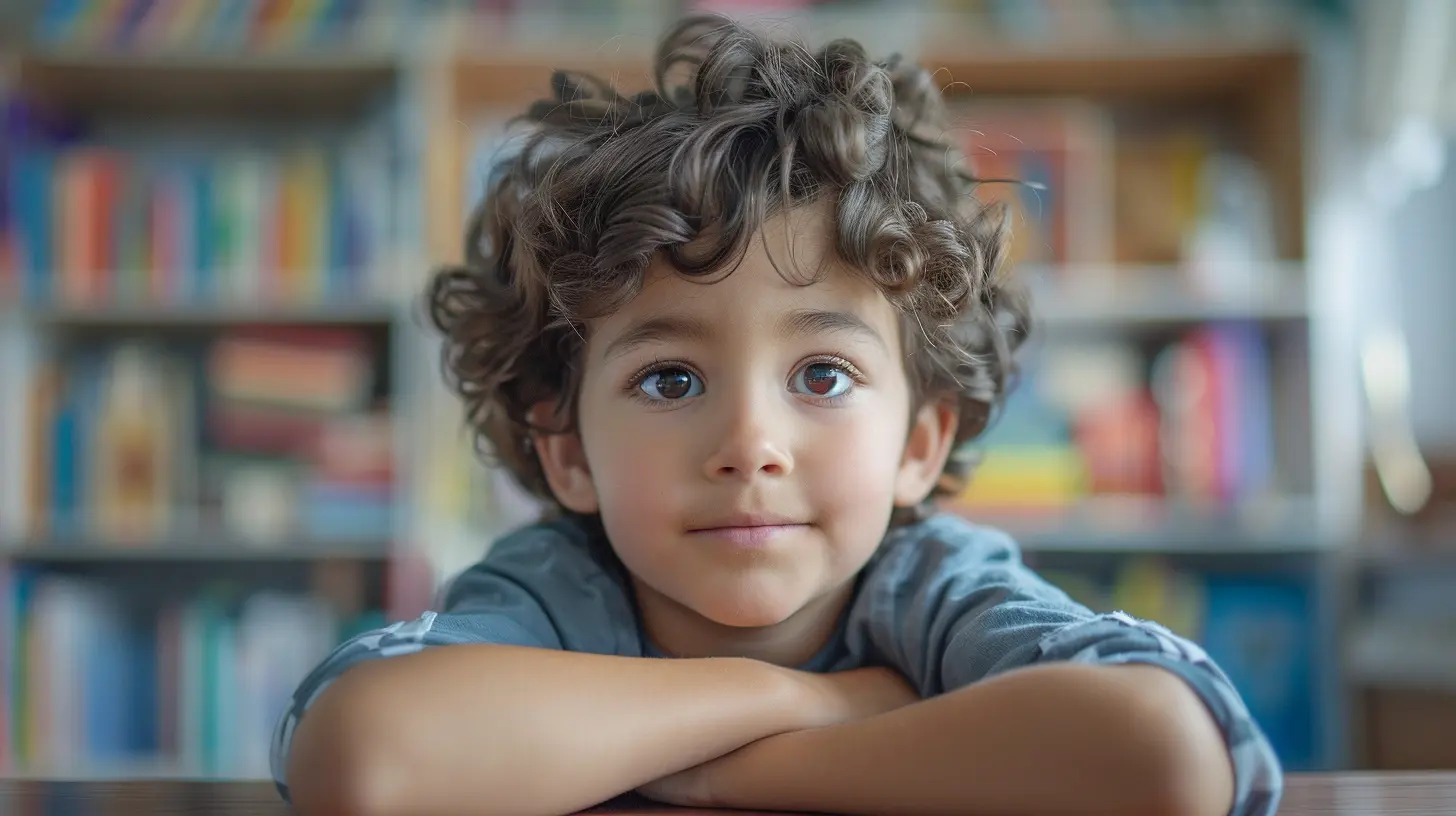
Why Ownership of Learning Matters
Kids are naturally curious. Ever see a toddler ask “Why?” a million times in a row? That same energy, when nurtured the right way, turns into a love for learning. The problem is, as kids get older, external pressures — grades, testing, comparison — start to overshadow that innate curiosity.When kids take ownership of their learning, they:
- Feel more confident
- Retain what they learn
- Are more prepared for real-world problem-solving
- Learn to motivate themselves (rather than needing constant reminders)
You’re not just raising a student. You’re raising a lifelong learner. And that mindset is worth its weight in gold.
Shift From “Have To” to “Want To”
Here’s one of the biggest game-changers: helping kids move from a “have to learn” mindset to a “want to learn” mindset.Think of it this way — you don’t get excited about folding laundry just because someone tells you it’s your responsibility. What does get you moving? Maybe it's having a clean space, or the satisfaction of an empty hamper.
Kids need a “why” behind their learning too.
Ask them:
- “What’s something you’d love to be really good at?”
- “What’s a question you’ve been wondering about lately?”
- “How do you want to use what you’re learning in the real world?”
When kids understand why learning matters to them, motivation follows.
Create a Curious Environment at Home
You don’t need to turn your living room into a science lab or deck every wall with educational posters. A learning-friendly space is just one that invites curiosity.A few simple ways to spark this:
- Make books available: Even if they’re just comics or joke books — reading is reading!
- Let them ask questions: Instead of shutting down the dreaded “why,” encourage it. Then look for the answer together.
- Limit “right or wrong” moments: Focus on exploring ideas rather than getting the correct answer every time.
Encourage your child to think like a detective. Let them investigate, guess, mess up, and try again.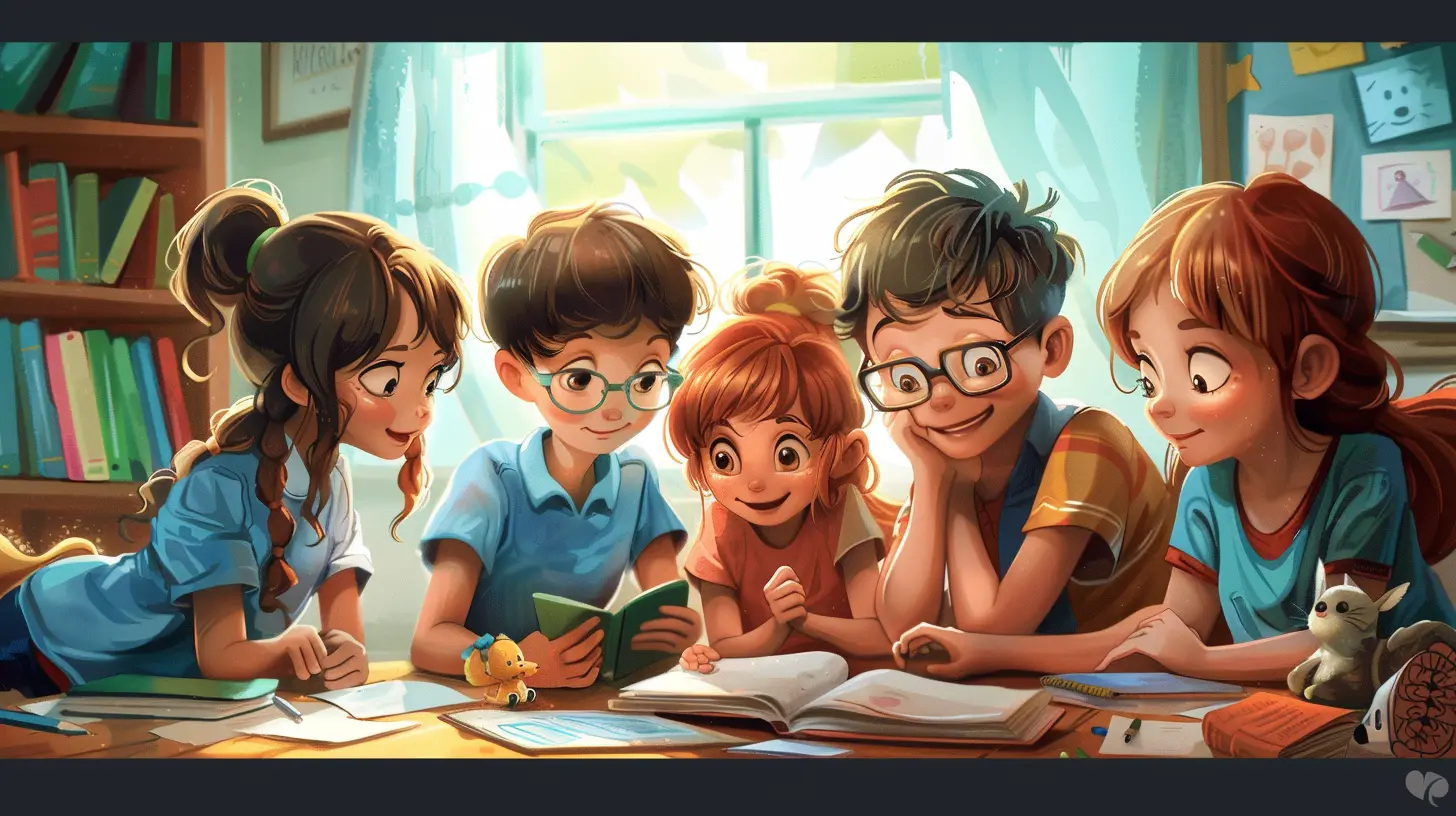
Give Them Choices (Even Small Ones Count)
Kids feel more invested when they have a say. If you’ve ever tried to dress a toddler, you already know how much they value control!So, give your child choices when it comes to learning:
- “Do you want to do your reading now or after lunch?”
- “Which of these projects sounds more fun to you?”
- “Would you rather write a report or make a slideshow?”
It’s not about letting them run the show — it’s about making them co-authors of their own learning journey.
Set Personal Goals Together
Here’s a little truth bomb: grades aren’t always the best motivators.What works better? Personal goals. The kind that feel meaningful and tailored to your child.
Sit down together and set a few short-term and long-term goals. Examples might include:
- “I want to finish a chapter book by myself.”
- “I want to get faster at my multiplication tables.”
- “I want to write a short story.”
The key? Help them track progress, and celebrate small wins along the way. It doesn’t have to be a parade — sometimes a high five and a “You crushed it!” go a long way.
Encourage Problem-Solving vs. Giving Answers
We all want to swoop in and save our kids from frustration. But when we do that too often, we steal their chance to grow.So next time your child hits a roadblock, try this:
- Ask guiding questions instead of giving the answer: “What do you think you could try next?”
- Let them try and fail: It’s part of the process, just like learning to ride a bike.
- Praise their effort, not just their outcome.
Remember, it’s not about doing it for them — it’s about helping them figure out how to do it themselves.
Model a Growth Mindset
If you ever say things like “I’m just not good at math,” your child is probably listening… and absorbing.Instead, model what it looks like to learn through struggle. Say things like:
- “This is tricky, but I’ll figure it out.”
- “I made a mistake — what can I learn from it?”
- “I didn’t know how to do this either when I was your age.”
When kids see that learning is a lifelong, imperfect journey, they’re more willing to take it on with courage.
Make Room for Passion Projects
Here’s a wild idea: what if learning wasn’t confined to textbooks?Passion projects let kids explore what they care about — poetry, skateboarding physics, pet care, video game design… you name it.
Give your child dedicated time each week to work on something that lights them up. You’ll be amazed at how motivated they become, and how many school subjects sneak their way into the project naturally.
(Think about it: a kid designing a skateboard ramp is also doing math, physics, even writing instruction manuals!)
Use Tech as a Tool, Not a Distraction
Yes, screens can be a learning black hole. But they can also be powerful tools — if used with intention.Introduce your child to:
- Educational YouTube channels
- Learning apps (like Khan Academy, Duolingo)
- Coding games
- Audiobooks or podcasts on topics they love
The trick is balance. Use screen time strategically to support their curiosity, not just kill time.
Teach Time Management (Without Nagging)
We all know the last-minute panic before a school project is due. Spoiler alert: kids feel it too — they just have fewer tools to manage it.Help your child break tasks into chunks and create a simple daily routine:
- Homework after a snack break?
- Reading before bed?
- 10-minute timers for focused work?
Make a visual checklist or use a planner so they can see their progress. This builds both confidence and independence.
Pro tip: Ask them to set the schedule, then check in together. It feels more fair and less like you’re barking orders.
Celebrate Progress, Not Just Perfection
Perfection is overrated. Seriously.Instead of focusing only on A+ results, celebrate the journey:
- “You worked so hard on that!”
- “I noticed how you didn’t give up, even when it was tricky.”
- “You’re getting better every time!”
This reinforces the idea that learning is a process. And that effort, grit, and growth deserve just as much recognition as perfect scores.
Stay Involved, But Don’t Hover
Kids who take ownership still need support — they’re not going it alone.Your job? Be there when they need you but give them space to fly solo.
That might look like:
- Asking about what they’re working on without micromanaging
- Offering help when they hit a wall, but waiting to be asked
- Being their cheerleader and accountability partner
Think of yourself as a coach on the sidelines — not the player taking every shot.
Final Thoughts: You're Planting Seeds
Teaching kids to take responsibility for their own learning doesn’t happen overnight. It’s a slow, beautiful, sometimes messy process.But every time you encourage problem-solving, every time you listen to their questions instead of dismissing them, every time you give them a choice — you’re planting seeds.
And those seeds grow into independent thinkers, confident learners, and curious humans who know how to show up for themselves.
Keep watering. Keep cheering. And trust that those roots are growing strong, even when progress feels slow.
You’ve got this — and so do they.
all images in this post were generated using AI tools
Category:
Life Skills For KidsAuthor:

Maya Underwood
Discussion
rate this article
1 comments
Isadora McDaniel
So, you want your kids to take ownership of their learning? Just remember, nothing motivates like the promise of dessert! "Hey, finish your math, and you can earn a slice of cake." Who knew education could be so sweet... literally!
August 8, 2026 at 4:44 AM
Maya Underwood
Great point! A little reward can definitely make learning more enticing. Balancing fun with responsibility is key.