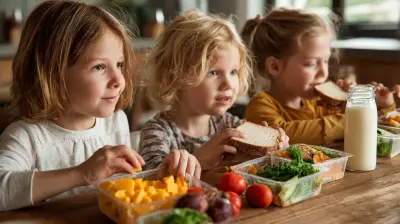
Creating Traditions That Teach Generosity and Giving Back
19 July 2026
Ever noticed how the best memories often come from the traditions we cherish? Whether it's baking cookies on Christmas Eve or Sunday dinners at grandma’s house, traditions have a special way of shaping our lives. But what if our family traditions could also instill important values—like generosity and giving back?
If you’ve ever wondered how to raise compassionate and kind-hearted kids, one of the best ways is by embedding generosity into your family culture. Teaching generosity doesn't have to be a one-time holiday event—it can be a lifelong tradition that your family holds dear.
So, how do you create these meaningful traditions? Keep reading because I’ve got plenty of heartwarming (and practical) ideas to help your family embrace the spirit of giving year-round.

Why Teaching Generosity Matters
Kids naturally have a sense of fairness and kindness, but let's be real—they also have a strong "me first" instinct. And that’s okay! It’s part of growing up. Our job as parents is to gently guide them towards understanding the power of giving.Studies have shown that children who learn generosity early in life grow into happier and more empathetic adults. They build stronger relationships, develop a sense of gratitude, and even experience higher self-esteem. Plus, giving isn’t just about donating money—it’s about time, kindness, and effort.
So, how do we make generosity a family tradition rather than just a seasonal habit? Let’s dive into some practical and heartfelt ways to weave giving into your family’s culture.
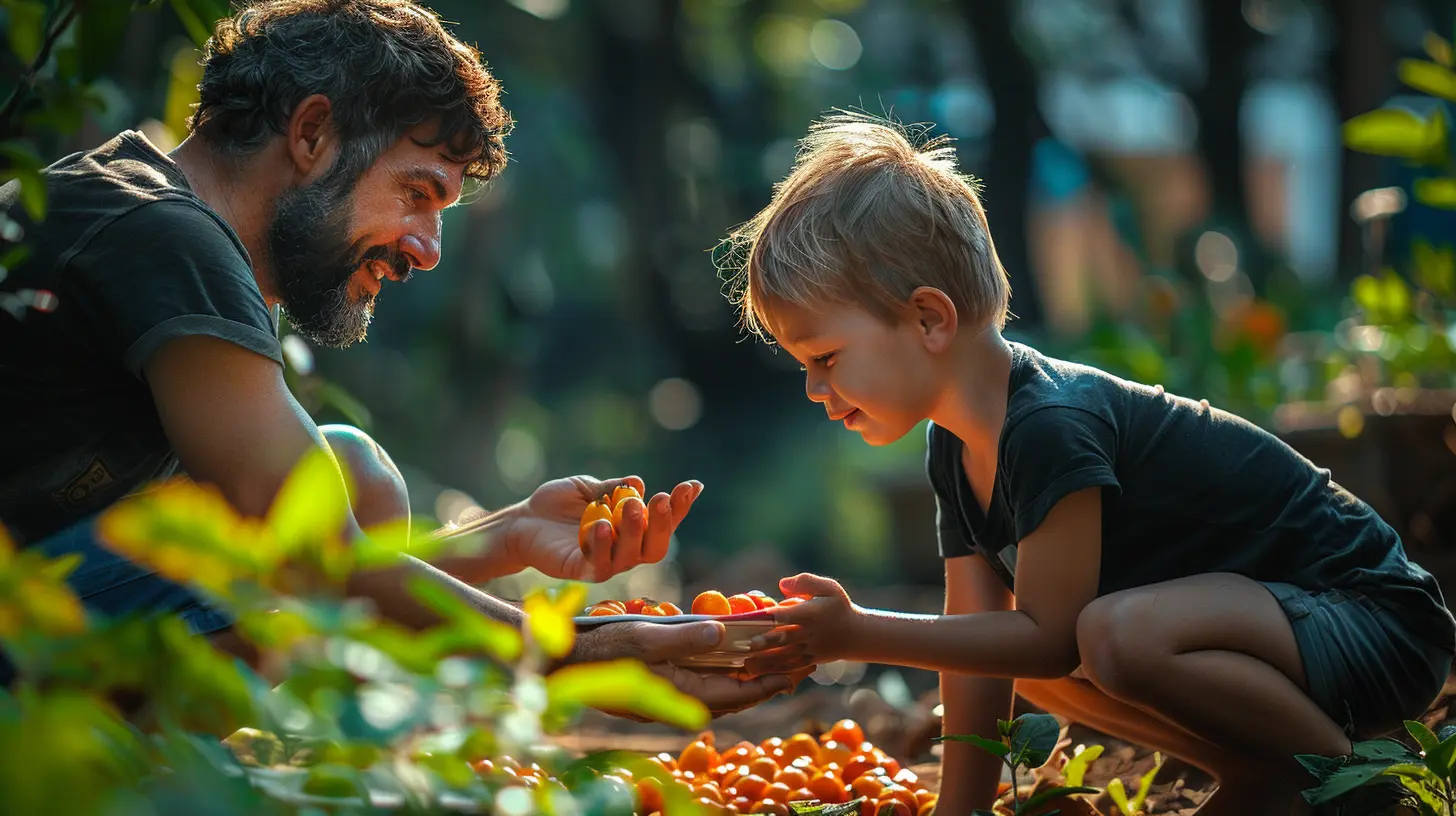
1. Start Small: The Power of Everyday Acts of Kindness
Before jumping into big traditions like volunteering at a shelter, start small. Kids learn best through everyday experiences.Simple Ideas:
- The "Kindness Jar" Tradition – Keep a jar where family members write down acts of kindness they’ve seen or done. Every week, read them aloud during dinner. It’s a beautiful way to celebrate generosity in action.- Thank You Notes Routine – Make it a habit to write thank-you notes not just for gifts, but also for kindnesses shown. Whether it’s thanking a teacher or a neighbor, this small gesture fosters appreciation.
- Weekly “Give Back” Day – Pick one day a week where each family member does an intentional act of kindness—like holding the door for someone, helping a sibling, or sharing a toy.
These small steps create a ripple effect. The more kids see and practice kindness, the more natural it becomes.

2. Make Giving a Family Event
One of the best ways to create a lasting tradition is to make giving a shared family experience. When kids see you giving, they realize it’s something important, not just something they’re being told to do.Ideas to Try:
- “Give Before Getting” Birthday Tradition – Before opening presents, have your child pick one of their gently used toys to donate. This helps them appreciate what they have while also learning to share.- Family Volunteer Day – Choose a cause your family connects with, whether it’s feeding the homeless, cleaning up a park, or visiting a nursing home. Make it an annual or bi-annual tradition.
- Holiday Giving Tree – Instead of just writing wish lists for Santa, encourage kids to make a list of things they’d like to give to others—whether it’s a toy, time, or a kind deed.
By turning generosity into a family affair, kids realize that giving isn’t just a "nice thing to do"—it’s a way of life.
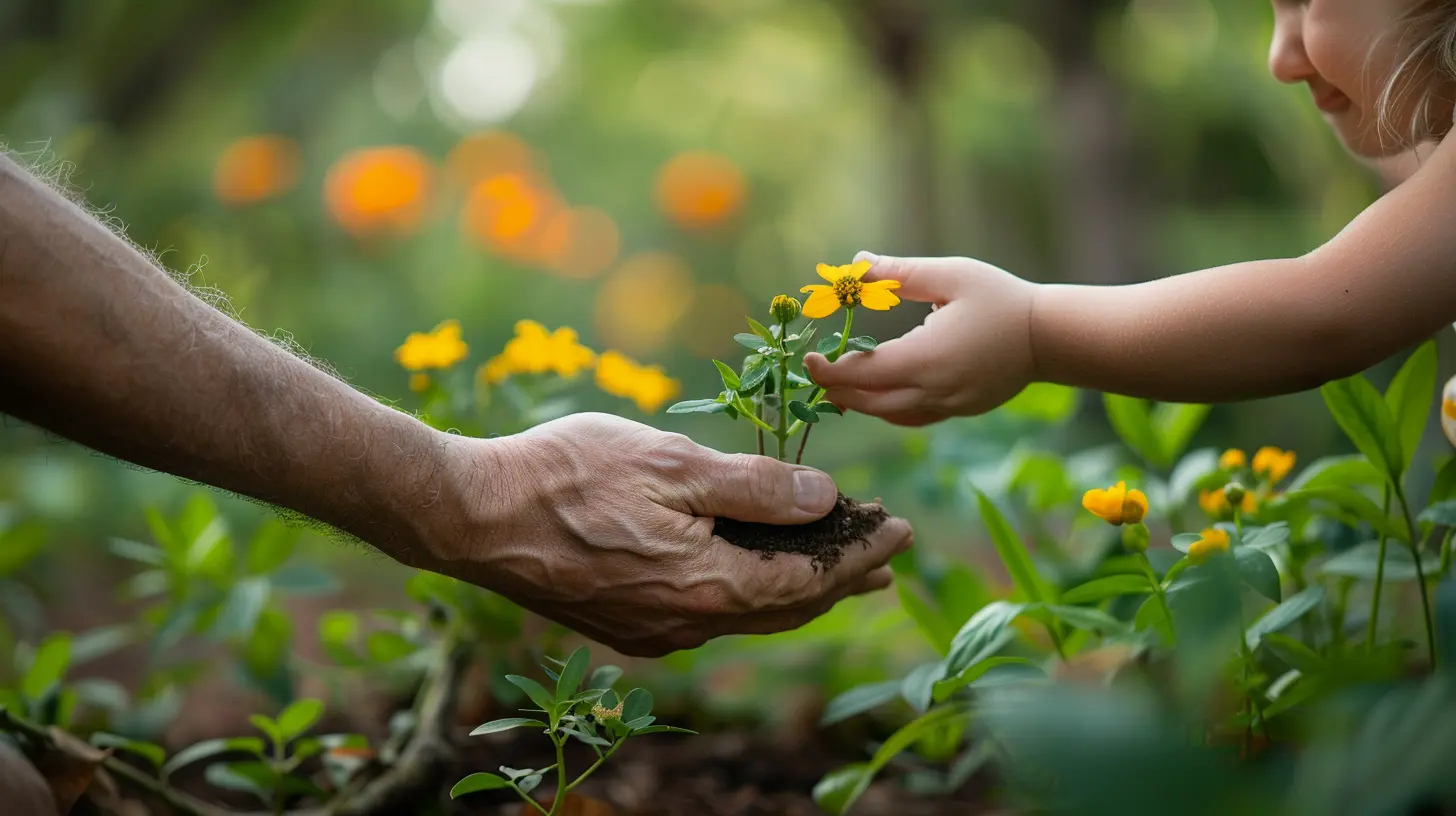
3. Create a Tradition of Gratitude
Generosity and gratitude go hand in hand. When kids appreciate what they have, they’re more willing to share with others. That’s why fostering gratitude as a tradition can naturally encourage giving.Gratitude Traditions to Start:
- Gratitude Dinner Discussion – Every evening, go around the table and have each family member share one thing they’re grateful for.- Thankful Tree – Each fall, have kids write things they’re grateful for on leaves and attach them to a paper tree on the wall.
- Gratitude Journal – Keep a simple notebook where family members jot down moments of gratitude. It’s a great way to reflect on life’s little blessings.
When kids focus on what they have rather than what they lack, generosity becomes a natural response.
4. Lead by Example
Let’s be honest—kids learn best by watching us. If we want them to be generous, we need to model that behavior ourselves.Ways to Show Generosity as Parents:
- Talk about giving – Let your kids hear you discuss why you donate to certain causes or volunteer your time.- Let them see you helping others – Whether it's paying for someone’s coffee, lending a hand to a neighbor, or donating clothes, let your kids witness your acts of kindness.
- Involve them in decision-making – Ask your children which causes or charities they’d like to support. When they have a say, they feel more connected to the giving process.
Kids may not always listen to what we say, but they always watch what we do.
5. Teach the Different Types of Giving
Generosity isn’t just about material things. There are many ways to teach kids about giving that don’t involve money.Different Types of Giving:
- Time – Visiting the elderly, reading to younger kids, helping a friend.- Talent – Using their unique skills, like playing music at a nursing home or drawing cards for hospital patients.
- Kind Words – Encouraging others, writing uplifting notes, or simply offering a smile.
The more kids understand that generosity isn’t about how much money they have, the more they’ll embrace a lifelong habit of giving.
6. Celebrate Giving Like a Holiday
What if generosity was as exciting as Christmas morning? By making giving a celebration, kids associate it with joy rather than duty.Fun Ways to Celebrate Generosity:
- “Kindness Advent Calendar” – Instead of chocolates, create a calendar where each day features a small act of kindness to complete.- Annual “Day of Giving” – Pick a special day each year where the whole family does acts of kindness, donates, or volunteers together.
- Generosity Awards Night – Once a year, hold a fun family awards night, recognizing moments of kindness and generosity throughout the year.
If giving is something to look forward to, kids will embrace it wholeheartedly.
Final Thoughts
Creating traditions that teach generosity and giving back isn’t about grand gestures—it’s about consistency. Small, intentional acts of kindness, repeated over time, shape our children into compassionate and thoughtful individuals.Every seed of generosity you plant in your children today will grow into something beautiful tomorrow. And the best part? These traditions aren’t just lessons for kids—they enrich our lives as parents too.
So why wait? Start a new tradition today and watch kindness become a cherished part of your family’s story.
all images in this post were generated using AI tools
Category:
Family TraditionsAuthor:

Maya Underwood
Discussion
rate this article
1 comments
Katie McGovern
Teaching kids about generosity through traditions fosters empathy and responsibility, enriching their lives profoundly.
July 27, 2026 at 2:49 AM
Maya Underwood
Absolutely. Traditions like these instill values that shape compassionate adults.