Establishing Healthy Boundaries with Preschool Kids
11 May 2026
Parenting a preschooler can feel like wrangling a tiny whirlwind of emotion, energy, and endless curiosity. One minute they’re giving you a hug, the next minute they’re licking the dog or throwing their cereal on the wall. Sound familiar?
At this age, kids are exploring the world—and pushing limits is part of the package. While this might drive you bananas (and honestly, who hasn’t hidden in the bathroom for a breather?), it’s actually a crucial time to establish healthy boundaries.
But here’s the kicker: toddlers and preschoolers don’t come with rulebooks, and setting limits can often feel like walking a tightrope between being “too strict” or “too soft.” So, how do we draw those lines in the sand without turning every day into a power struggle?
Let’s talk about building strong, loving, and respectful boundaries with your little one—boundaries that help them thrive and give you a little more peace of mind (and fewer Cheerios on the ceiling).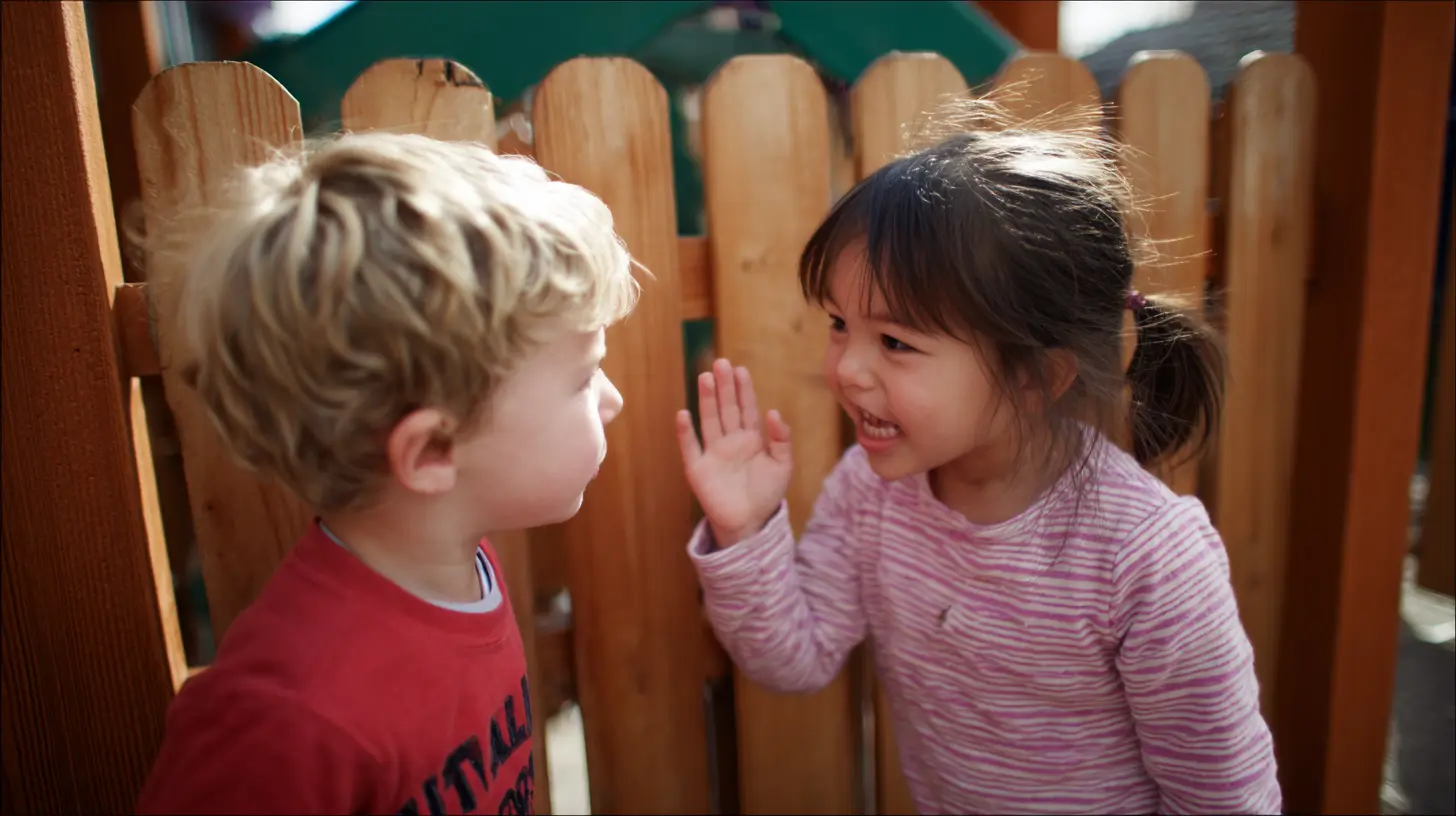
Why Boundaries Matter for Preschool Kids
Let’s face it—kids need structure like plants need sunlight. Without boundaries, things get... messy. Not just physically (although, hello, Play-Doh in the carpet), but emotionally too.Boundaries give preschoolers:
- ? A sense of security and predictability
- ? Emotional safety
- ? Clarity on what’s expected
- ? Guidance on how to navigate social situations
When children know the limits, they feel safer. They’re not constantly wondering, “Can I do this?” or “What happens if I do that?” They start to learn the beautiful life skill of self-regulation—aka, pulling it together when things don’t go their way.
The Difference Between Discipline and Punishment
Before diving into how to set boundaries, let’s clear something up: discipline ≠ punishment.Discipline is about teaching, guiding, and preparing for life.
Punishment, on the other hand, is all about consequences (usually negative ones) after something has happened. Think of it this way: discipline is the GPS that helps your child find their way, while punishment is more like slamming on the brakes after taking a wrong turn.
If we want to raise emotionally intelligent kids who make good choices (even when we’re not looking), we’ve gotta build our parenting style around guidance, not fear.
Signs Your Preschooler Needs Better Boundaries
So how do you know it’s time to reevaluate the rules? Here’s what may show up when boundaries are too loose—or not enforced consistently:- Constant meltdowns over small things
- Mega-attention seeking (even negative attention)
- Disrespecting you or others
- Pushing limits over and over again
- Struggling with sleep routines or transitions
If any of these sound like your daily life, don’t panic. Preschoolers aren’t being “bad” for fun—they’re communicating through their behavior. And often, that behavior is screaming, “I need more structure!”
10 Tips for Establishing Healthy Boundaries with Preschool Kids
Now let’s get into the good stuff. Here are practical, real-world tips that actually work—because we all know toddlers give zero hoots about cookie-cutter advice.1. Keep It Simple and Concrete
Preschoolers don’t do well with vague instructions. Saying "Behave!" doesn’t mean much to them. Instead, try clear, specific directions like:- “Use walking feet inside.”
- “We speak in kind voices.”
- “Toys stay in the playroom.”
They need black-and-white rules because grey areas just confuse them.
2. Get on Their Level
Literally! Kneel down, make eye contact, and talk calmly. It shows respect and helps them focus on what you’re saying. You’re more likely to be heard when you’re not towering over them barking orders like a drill sergeant.3. Be Consistent (Even When You’re Tired)
Kids will test boundaries. That’s normal and part of how they learn. But if you enforce a rule one day and let it slide the next, they’ll get mixed messages—and push even harder.Consistency gives your child a stable framework. Yes, it’s exhausting. Yes, you might feel like a broken record. But stick with it!
4. Validate Their Feelings (But Hold Your Ground)
Let’s say your preschooler is throwing a tantrum because they can’t have ice cream before dinner. You can say, “I know you’re upset. Ice cream is super yummy. But we eat dinner first.”Show empathy. Let them feel heard. But don’t back down. Compassion and firmness can (and should!) live together, side by side.
5. Offer Choices Within Limits
Preschoolers crave independence. One sneaky trick? Offer limited choices that are both acceptable to you:- “Do you want to wear the red shirt or the blue one?”
- “Brush teeth first or put on pajamas first?”
Giving them a sense of control within boundaries can defuse a lot of battles.
6. Set Predictable Routines
Kids love repetition (ever heard the same bedtime story 87 times?). Routines help them know what’s coming next and reduce anxiety.Have a simple, consistent rhythm for bedtime, meals, playtime, and clean-up. You don’t have to be the scheduling police—but a reliable pattern works wonders.
7. Use Natural Consequences
Instead of forcing a punishment, let real-life consequences teach the lesson. For example:- If they throw their toy, it gets put away.
- If they refuse to wear a coat, they feel cold (and learn to pick it next time).
It might sound harsh, but natural consequences are powerful teachers when handled with love.
8. Praise Positive Behavior
Catch them doing the right thing—and make a big deal about it!- “Thanks for using your inside voice!”
- “You were so patient while I was on the phone!”
Positive reinforcement builds confidence and encourages good behavior. Kids want to please you—celebrate their wins, no matter how small.
9. Avoid Empty Threats
“If you don’t stop screaming, we’re never going to the park again!” Mmm... yeah, we’ve all said it. But if you don't follow through, they learn you don't mean what you say.Instead, be calm, realistic, and mean what you say. Calm authority is magnetic—it draws kids in.
10. Model the Behavior You Want to See
This is the big one. If you yell, they’ll yell. If you slam doors, they’ll slam doors. But if you stay calm, respectful, and regulated—even during chaos—they’ll learn to do the same.You are their first and most important teacher. No pressure, right?
What to Do When Boundaries Are Tested
Let’s be honest—your preschooler will test you. Again and again. It’s not personal, it’s developmental. This is literally how their brains are wired right now.So when they forget the rule (or flat-out ignore it)? Take a breath. Stay calm. Reconnect. Then redirect or gently enforce the limit.
Think of yourself as a lighthouse in the storm. You’re steady. You’re strong. You don’t get swept away every time a wave crashes.
When It’s Okay to Be Flexible
Now, let’s be real. Life isn’t always tidy and predictable. Sometimes your kid is sick, or you’re traveling, or you just do not have the energy to argue about putting pants on.That’s okay.
Flexibility doesn’t mean inconsistency. It means understanding the why behind the behavior, adjusting when needed, and always circling back to those core values when the moment passes.
Pick your battles wisely, and let love—and common sense—lead the way.
Setting Boundaries with Love (Not Fear)
Healthy boundaries aren’t about control—they’re about connection.When you set loving boundaries, you’re saying:
“I care enough to teach you what’s right.”
“I want you to feel safe and secure.”
“I’m here to guide you, even when it’s hard.”
Preschoolers aren’t just learning how to behave—they’re learning how relationships work. How love feels. How support shows up.
Setting boundaries, then, becomes one of the most powerful ways to nurture their emotional growth.
Final Thoughts: Boundaries = Big Love
Here’s the secret: boundaries are loving.They’re not about being the “mean mom” or “bossy dad.” They’re about creating a safe, structured space where your child can grow into their best self—confident, capable, and kind.
So even when it’s tough, even when your preschooler tests your patience like it’s their full-time job, remember this: by holding the line, you’re holding space for their growth.
Sure, you might not win every battle. But with consistent, calm, loving boundaries? You’re definitely winning the war on chaos.
You’ve got this.
all images in this post were generated using AI tools
Category:
Parenting PreschoolAuthor:

Maya Underwood
Discussion
rate this article
2 comments
Annabelle Bishop
Great read! Setting healthy boundaries is essential for preschoolers. It fosters respect and understanding while helping kids feel secure and loved.
July 23, 2026 at 4:01 AM
Maya Underwood
Thanks for your insights! I'm glad you found the piece valuable. Healthy boundaries truly make a difference for kids.
Niko Wright
Setting boundaries with preschoolers is crucial, but it's also about understanding their perspective. Consistency is key, yet flexibility can foster trust. Parents should engage in open conversations. Balancing firm limits with empathetic discussions helps children feel secure while learning respect for rules.
May 14, 2026 at 2:24 PM
Maya Underwood
You're absolutely right. Understanding their perspective while being consistent yet flexible is vital. Open conversations really do build that trust, helping kids feel secure in their boundaries.