Building Social Skills in Preschool-Age Kids
6 July 2026
Let’s be real — watching your preschooler try to make friends can feel like watching a butterfly in a windstorm. One second they’re laughing, the next minute they’re in tears because someone took the red crayon. Welcome to the early social years!
Preschool is prime time for kids to begin learning how to connect with others. These tiny humans are just starting to figure out how the world works — socially, emotionally, and everything in between. And guess what? They need a whole lot of support from us to get there.
If you’ve ever asked yourself, “How do I teach my preschooler social skills without losing my mind?”, then you’re in the right place. This guide has got your back (and your kiddo’s too).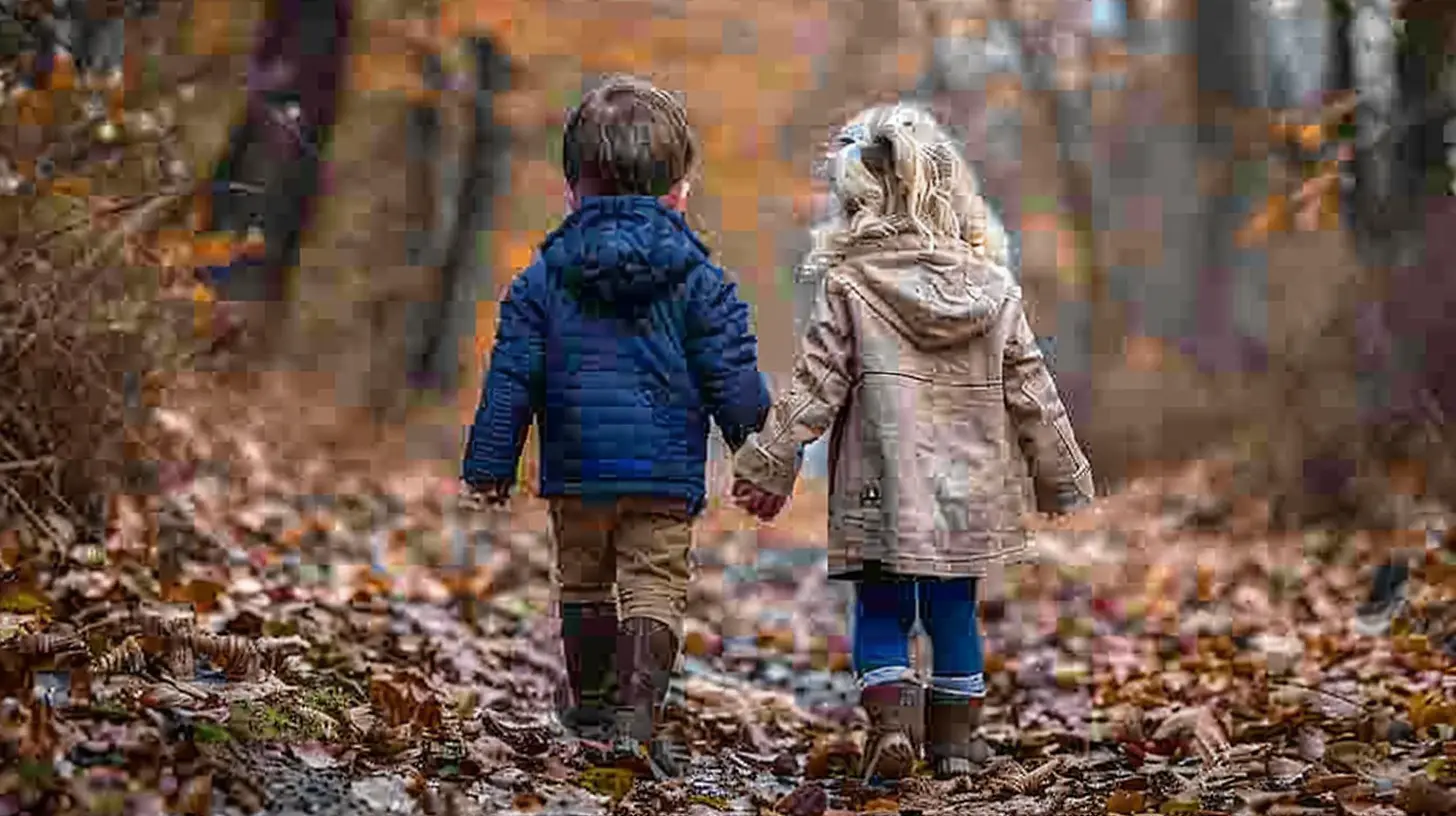
Why Social Skills Matter So Much at This Age
Social skills aren’t just about saying “please” and “thank you” (though those are a good start). They form the foundation for building friendships, resolving conflicts, and developing empathy. These skills help preschoolers:- Communicate their feelings
- Share and take turns
- Cooperate with others
- Handle emotions
- Avoid full-blown tantrums in the middle of the grocery store
Let’s face it — kids with strong social skills tend to adjust better to school, make friends more easily, and feel more confident in group settings. And the best part? These skills are teachable.
What Social Skills Look Like in Preschoolers
Social skills are still super raw at this age. Don’t expect preschoolers to behave like mini adults — they’re not wired that way yet.Here’s what age-appropriate social behavior might look like:
- Initiating play by asking, “Wanna play with me?”
- Saying “I’m mad” instead of biting (progress!)
- Waiting their turn in a game (with some help)
- Asking for help when they're upset
- Listening (at least briefly) to what others say
- Picking up on simple social cues like tone of voice or facial expressions
Even if your child doesn’t nail all of these yet, that’s totally normal. They’re learning. And learning takes time, practice, and a whole lot of repetition.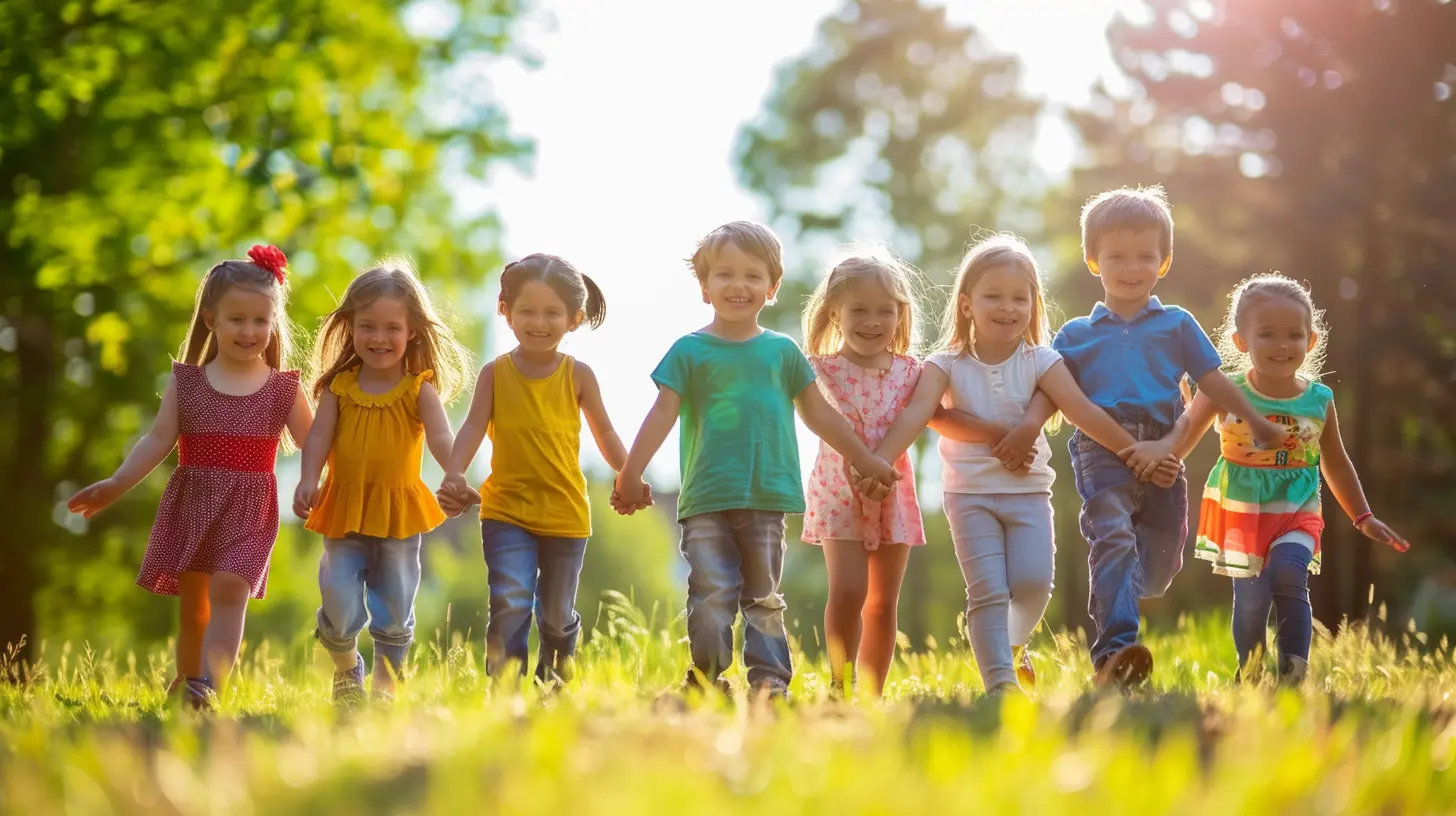
Core Social Skills to Focus On
Let’s break it down. Here are the main social skills to nurture during the preschool years:1. Sharing and Taking Turns
Sounds easy, right? For a preschooler, not so much. Sharing is a huge milestone — it requires empathy, patience, and a whole lot of self-control.How to help:
- Start with toys that can be used together (think blocks or puzzles).
- Practice turn-taking during simple games at home.
- Use timers — set 2-minute turns so they know their time is coming.
2. Expressing Emotions Appropriately
Preschoolers have big feelings in tiny bodies. Teaching them to use words instead of acting out is key.How to help:
- Label feelings: "It seems like you're frustrated. Is that right?"
- Read books about emotions (like The Color Monster).
- Model emotional regulation. Yep, they’re always watching us!
3. Listening and Paying Attention
Listening isn't just about hearing words — it's about understanding and responding. This skill grows slowly and, honestly, takes practice.How to help:
- Get down to their eye level when talking.
- Keep instructions short and sweet.
- Praise them for focused listening: “You listened so well when I asked you to clean up. Thank you!”
4. Conflict Resolution
Conflict is inevitable (especially over who gets the blue truck). What matters is how kids learn to solve it.How to help:
- Guide them through disagreements without jumping in to “fix” it.
- Use open-ended questions: “How do you think we can solve this?”
- Teach simple problem-solving steps: what happened, how you feel, what can we do?
5. Empathy and Understanding Others
Empathy starts with recognizing that others have feelings too — tricky for egocentric preschoolers!How to help:
- Talk about how others might feel: "How do you think Jacob felt when you took his toy?"
- Praise kind behavior: “That was so thoughtful when you gave your sister the last cookie.”
- Role-play different scenarios together.
Everyday Ways to Build Social Skills
Building social skills isn’t a one-time lesson. It’s something that happens over hundreds of little moments. Don’t worry — you don’t need flashcards or a Pinterest board full of “toddler icebreaker games.” Keep it simple. These everyday activities make a big difference:Playdates (AKA Social Skill Boot Camp)
Set up short, low-pressure playdates. Stick with one-on-one at first and keep it brief (30-45 minutes is plenty). Stay nearby to coach through interactions if needed.Pro tip: Debrief after the playdate! Gently talk through what went well and what could be worked on.
Storytime and Role-Playing
Books are magical for teaching social cues. Read stories together and pause to ask:- “Why do you think she was sad?”
- “What should he do now?”
Acting out different scenarios is another fun way to practice empathy, sharing, and turn-taking — without the real stakes.
Praise Specific Behaviors
Generic “Good job!” is nice, but specific praise goes further. Try:- “I saw how you waited so patiently for your turn. That was very respectful.”
- “You used your words to tell him you were upset. That’s awesome communication!”
Model and Narrate Your Own Interactions
This one’s huge. Kids learn by watching you. Be intentional about how you interact with others. Say things like:- “I’m feeling a little frustrated, but I’m taking deep breaths.”
- “Let me listen to what she’s saying first.”
You're like the live-action version of a social skills guidebook to them. Make it count.
Watch for Red Flags (But Don’t Panic)
Every child develops at their own pace. Some are social butterflies right out of the gate. Others take longer to warm up. That’s normal!But here are a few signs worth mentioning to your pediatrician:
- They show no interest in other kids at all
- They regularly lash out physically without improving over time
- They don’t respond to their name or show basic back-and-forth communication
- They don’t make eye contact or show empathy
Again, don’t jump to conclusions — many of these behaviors can fall within typical development. But if you’re unsure, it’s always okay to seek support.
When Professional Help Might Be Needed
If your gut tells you something is off, trust it. Early intervention can make a world of difference.You might consider consulting with:
- A child psychologist
- A speech-language therapist (especially for communication delays)
- An occupational therapist (for sensory or emotional regulation issues)
Remember, support doesn’t mean something’s “wrong” with your child. It just means you're giving them tools to thrive.
Encouragement for Parents (Because You Need It Too)
Let's not sugarcoat it — parenting a preschooler isn’t always sunshine and rainbows. One minute you’re proud of how sweet and friendly they are at the playground, and the next they’re pulling someone’s hair over a toy dinosaur.That’s okay.
Social skills are messy, imperfect, and constantly evolving. Your job isn’t to raise a flawless child — it’s to show up, keep teaching, and love them through the struggles. You’re laying the groundwork for a lifetime of healthy relationships.
And you’re doing better than you think.
Final Thoughts
Social skills aren’t just “nice to haves” — they’re fundamental life tools. And the preschool years are a golden window to start building them.There’s no one-size-fits-all formula, but if you show up with patience, gentle guidance, and a willingness to roll with the chaos, your child will grow into someone who can connect with others in a meaningful way.
So go ahead — schedule that playdate, grab a great book, and get ready for the rollercoaster of preschool social growth. You've got this.
all images in this post were generated using AI tools
Category:
Parenting PreschoolAuthor:

Maya Underwood
Discussion
rate this article
1 comments
Rhea McKee
What activities spark their interactions?
July 19, 2026 at 3:42 AM
Maya Underwood
Activities like group games, storytelling, and role-playing encourage kids to interact and build social skills.