When "I Won't" Is Actually "I Can't": Essential Insights Into PDA, Autism, and Anxiety
August 7, 2026 - 02:44
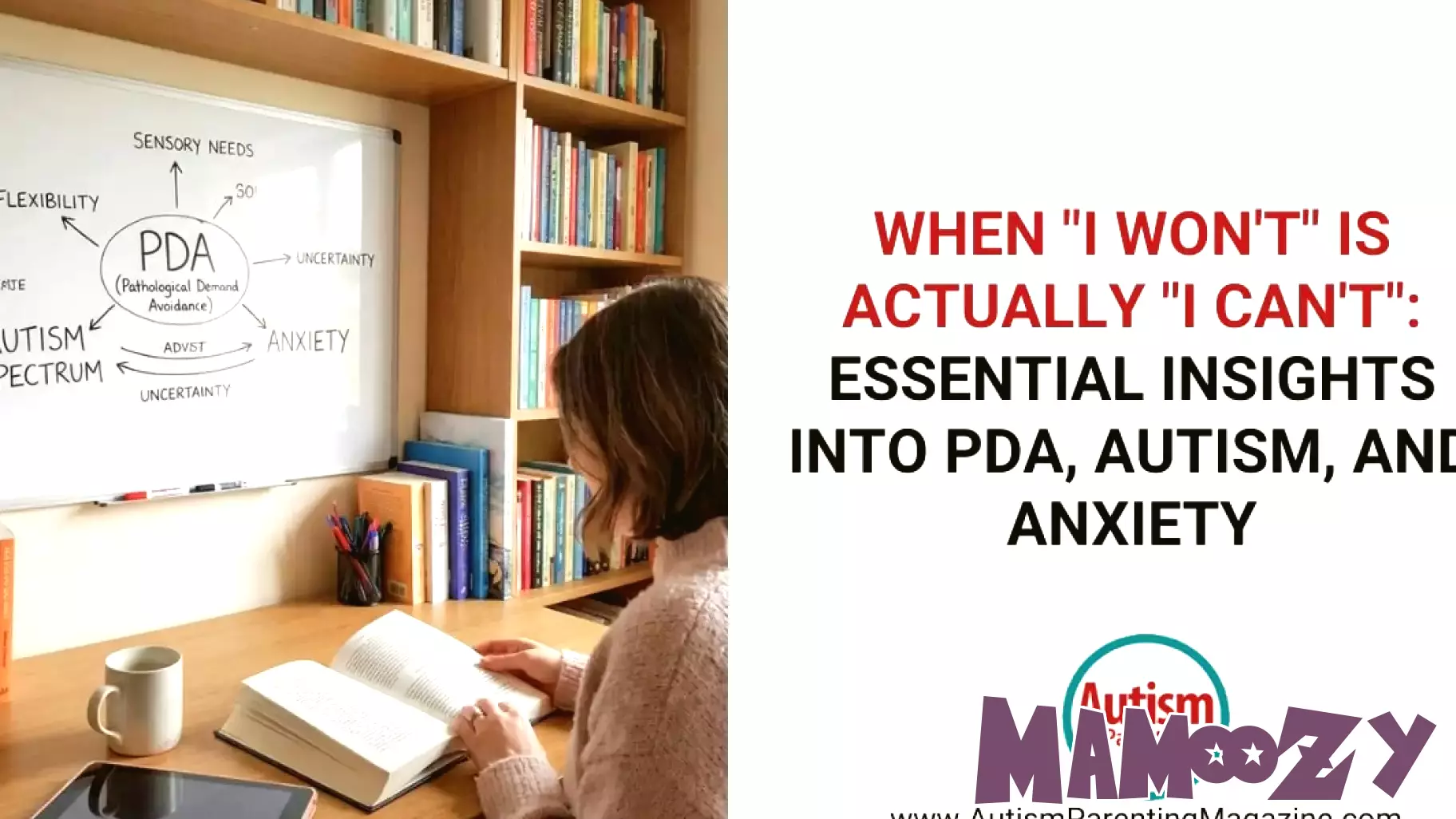
For years, Sarah Thompson watched her bright, creative daughter struggle with the simplest requests. "Put on your shoes," she would say, and the response was a flat, immovable "I won't." It looked like defiance, like stubbornness, or even a behavioral problem. But no amount of rewards, consequences, or gentle encouragement made a difference. The more Sarah pushed, the more her daughter shut down, often ending in a full-blown meltdown that left them both exhausted.
It was only after a long and frustrating diagnostic journey that Sarah, a special needs advocate, stumbled upon a concept that changed everything: Pathological Demand Avoidance, or PDA. It is a profile of autism that is often misunderstood, and it has nothing to do with the more common "fight, flight, or freeze" response. For Sarah's daughter, the real issue was not a refusal to comply, but a profound, panic-level anxiety triggered by the feeling of losing control. The "I won't" was actually a desperate "I can't."
PDA is not about being naughty or manipulative. It is a deeply rooted neurological response where everyday demands, even ones that seem trivial, feel like a threat to a person's autonomy. This includes not just direct instructions, but also the unspoken demands of daily life, like the expectation to eat at a certain time, the pressure of a scheduled activity, or even the implied demand of a question. The anxiety is so intense that the brain goes into survival mode, and the only way to cope is to resist.
Learning this reframed everything for Sarah. She stopped seeing a "difficult child" and started seeing a child in distress. The solution was not more discipline, but a different approach. It involved reducing the pressure, offering choices within a safe framework, and using humor and play to disguise demands. For example, instead of saying "Time for bed," she might say, "I bet I can beat you to the bathroom to brush our teeth." This subtle shift in control made the task feel less like a command and more like a game.
Sarah's story is not just about her family. It is a call to parents, teachers, and clinicians to look beyond the surface of behavior. When a child says "I won't," it is worth asking what they are really trying to communicate. For many with PDA, the answer is a desperate plea for help, a need for safety in a world that feels overwhelming and controlling. Recognizing that difference is the first step toward truly helping them, and it can turn a daily battle into a path of understanding and connection.
MORE NEWS
September 20, 2026 - 17:53
I Let My Son Say No to Tracking and It Changed How I ParentI grew up with a level of freedom that would make most modern parents flinch. I rode my bike across town without a phone, came home when the streetlights flickered on, and never once had a parent...

September 20, 2026 - 00:30
Gwyneth Paltrow Opens Up About Co-Parenting Challenges After Split From Chris MartinGwyneth Paltrow is getting candid about the difficulties she faced while building a new family structure with her ex-husband Chris Martin. The actor and wellness entrepreneur, who shares daughter...

September 19, 2026 - 05:45
Parents May Face Benefit Cuts or Jail Time Over Children's CrimesParents who fail to control their children could lose their benefits or even face prison under proposed changes to Parenting Orders, a government minister has indicated. Jake Richards MP told the...

September 18, 2026 - 22:10
The Unending Role: When Does Parenting Actually Stop?For many people, parenting is a role without a clear finish line. The job does not end when a child turns eighteen, graduates from college, or lands a first job. It continues through marriages,...