The new rules of parenting: 8 trends changing how families are raising children in 2026
May 25, 2026 - 17:29
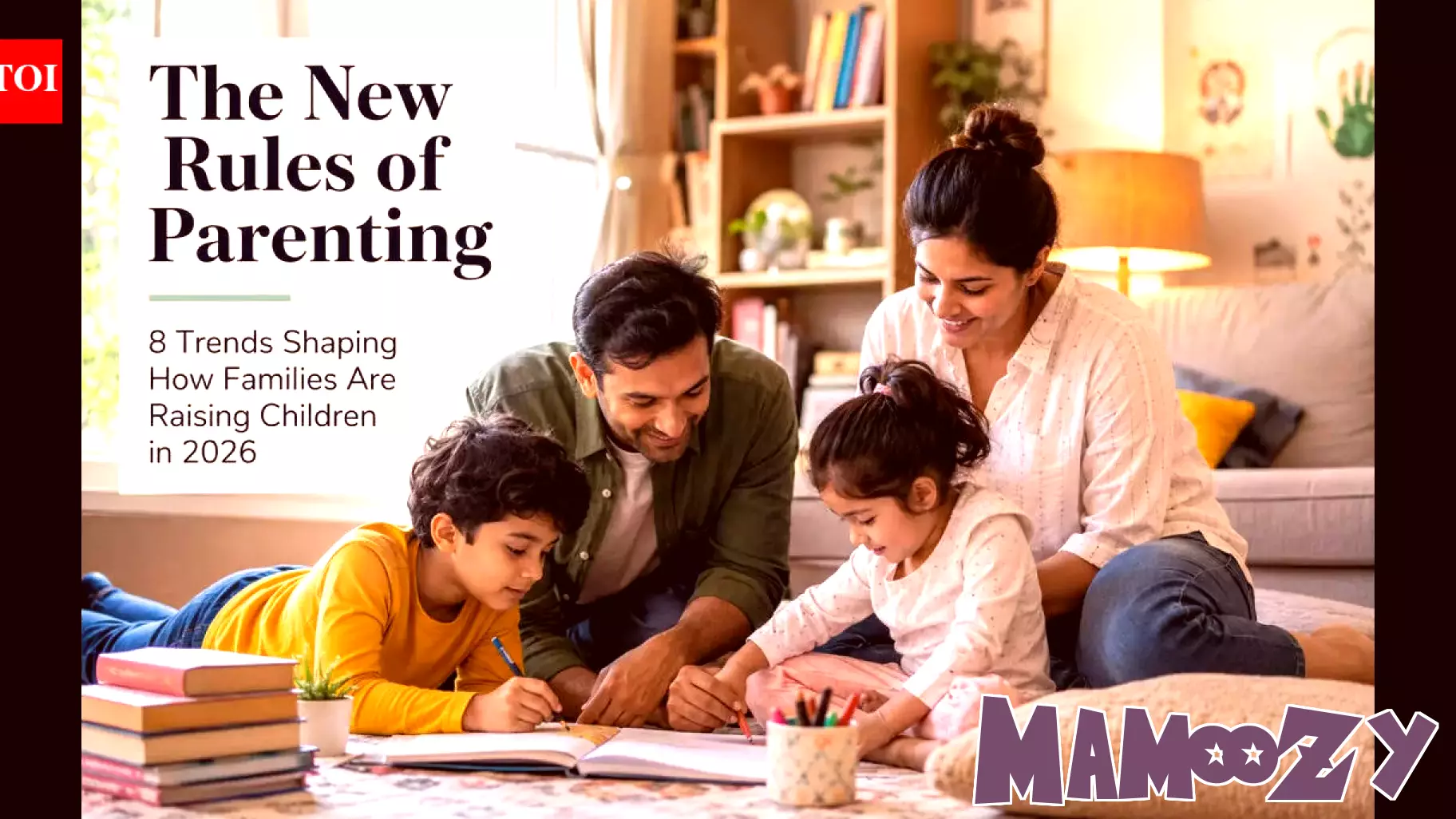
For years, modern parenting felt like a competitive sport. Parents were expected to raise emotionally intelligent children, limit screen time, encourage creativity, provide enrichment activities, monitor mental health, prepare kids for an AI-driven future, and somehow remain calm and fulfilled while doing it all. But the pressure cooker is cooling down. In 2026, families are rewriting the playbook, moving away from perfection and toward practicality.
One major shift is the decline of the "expert" parent. Instead of following a single guru or method, families are mixing and matching advice from pediatricians, educators, and even their own childhood experiences. The goal is no longer a perfectly curated childhood but a resilient one.
Another trend is the redefinition of screen time. Parents are moving past blanket bans. They are focusing on what kids watch and create, not just how long they stare at a screen. Co-viewing is up, where parents watch shows or play games alongside their children to discuss content in real time.
Financial transparency is also becoming common. More parents are talking openly about money with their kids, explaining budgets, needs versus wants, and the value of work. This is a direct response to economic uncertainty and the desire to raise financially literate adults.
The concept of "free play" is making a strong comeback. After years of structured activities, parents are prioritizing unsupervised, unstructured time. This includes letting kids take small risks, like climbing trees or walking to a friend's house alone, to build confidence and problem-solving skills.
Mental health remains a priority, but the approach has changed. Instead of constant check-ins and labeling every mood, families are focusing on normalizing tough emotions. Parents are teaching kids that sadness, frustration, and boredom are part of life, not problems to be solved immediately.
Community parenting is on the rise. Nuclear families are leaning on neighbors, friends, and extended relatives more than ever. Shared childcare, carpooling, and group meals are reducing the isolation that many parents felt in previous years.
Finally, there is a growing acceptance of imperfection. Parents are publicly admitting when they are tired, overwhelmed, or unsure. This vulnerability is creating a culture where kids see their parents as human, not as flawless managers of a busy household. The new rule is simple: do your best, but do not try to do it all.
MORE NEWS

October 8, 2026 - 01:51
Rethinking What Makes a Parenting Style Actually WorkParents today face a flood of advice about how to raise children. Every few years a new method gains popularity, promising better behavior, stronger bonds, or higher achievement. Yet the question...
October 7, 2026 - 12:00
Sports Teach Children Life Skills Beyond Winning TrophiesThe child who walks onto a sports field is rarely the same child who walks off it a few years later. Parents often sign their kids up for soccer, swimming, or basketball with dreams of trophies and...

October 6, 2026 - 19:55
Jim Bakker Passes Away at 86, Plus Reflections on Parenting and 9/11Television evangelist Jim Bakker has died at the age of 86, marking the end of a life that moved through spectacular rise, public scandal, and an unexpected later chapter in ministry. Bakker...

October 6, 2026 - 09:58
“I did it secretly…” Kanika Mann on why middle-class parents hate extracurriculars and getting “too much attention” is seen as a red flagFor some parents, school activities outside academics can feel like a distraction rather than an opportunity. Dance competitions, debates, music, theatre or even standing on a stage may raise...