Why Reading to Your Infant Boosts Cognitive Development
29 April 2026
Parenthood is an incredible journey, right? It’s like stepping into a world of tiny socks, endless cuddles, and the overwhelming desire to give your little one the best start in life. As parents, we often wonder—what are the things we can do today to help shape our baby’s future? Well, here’s a surprising yet simple answer: reading to your infant.
Yes, even before they're babbling or walking, reading to your baby is a game-changer. Grab that board book, snuggle up, and let’s dive into why this seemingly small act can have a profound impact on your child’s cognitive development. 
What Does Cognitive Development Even Mean?
Before we dive deeper, let’s break this down. Cognitive development refers to how a child learns to think, understand, remember, and reason. It’s like building the brain’s toolbox—packed with skills like problem-solving, memory, language, and attention.In simpler terms? It’s the magic behind how your baby grows into a curious toddler, an inquisitive kid, and eventually, a critical-thinking adult. But here’s the kicker: most of this rapid brain development happens before the age of three.
That’s why the early years are so crucial. And reading? It’s like giving your baby’s brain a VIP pass to supercharge their growth. 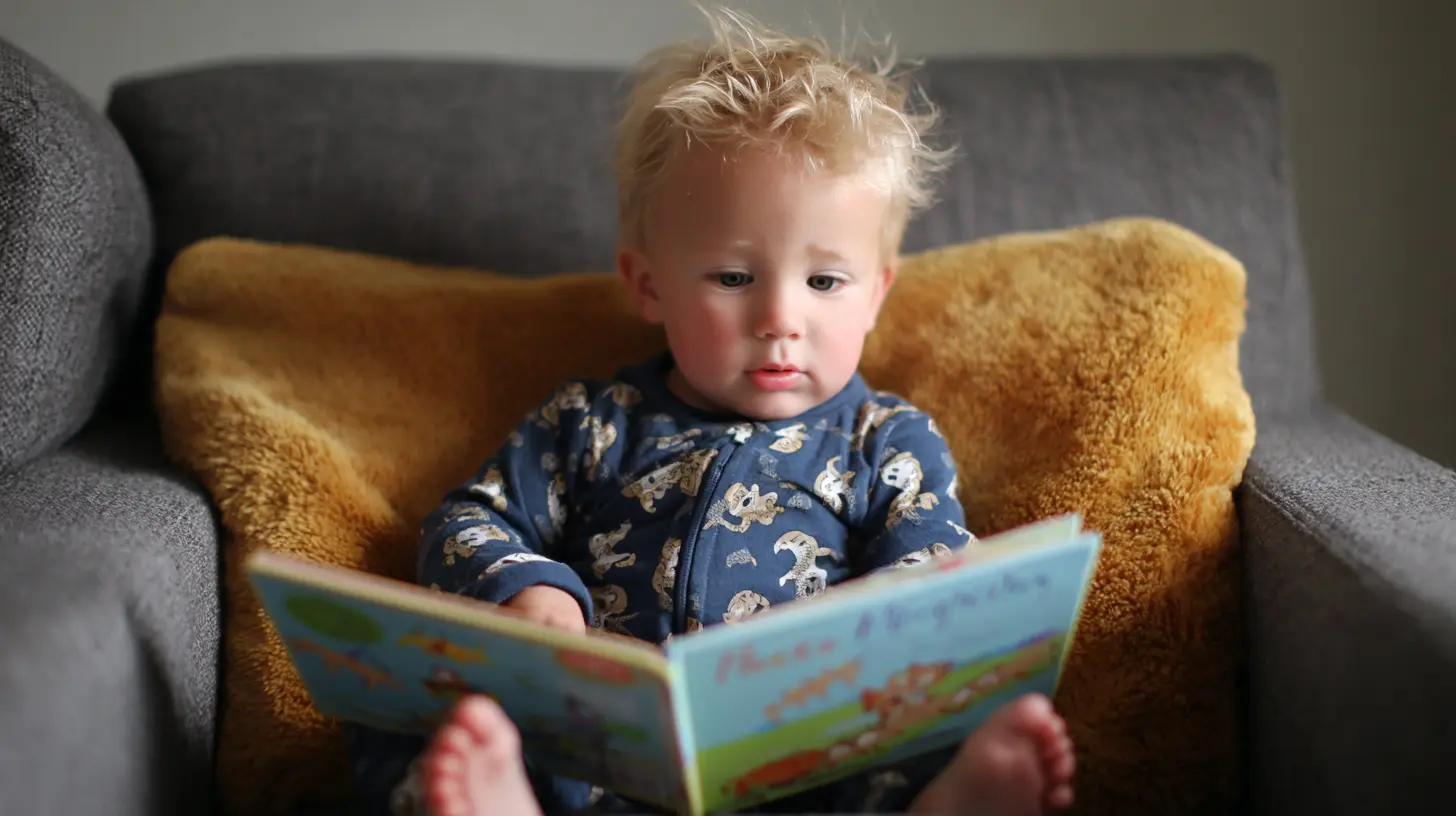
The Science Behind Reading and Brain Power
You might be thinking, "My baby doesn’t even understand words yet—why should I read to them?" Well, let’s put on our science hats for a second. Babies are like little sponges—they absorb everything, including language and sounds, even if they don’t fully understand them yet.Studies show that when you read to your baby, several parts of their brain light up—particularly the areas responsible for language, visual processing, and emotional connection.
Think of it like planting seeds in a garden. Every word, every page, every story is a seed that helps their brain grow new neural connections. And those connections lay the foundation for future skills like reading, speaking, and even critical thinking. 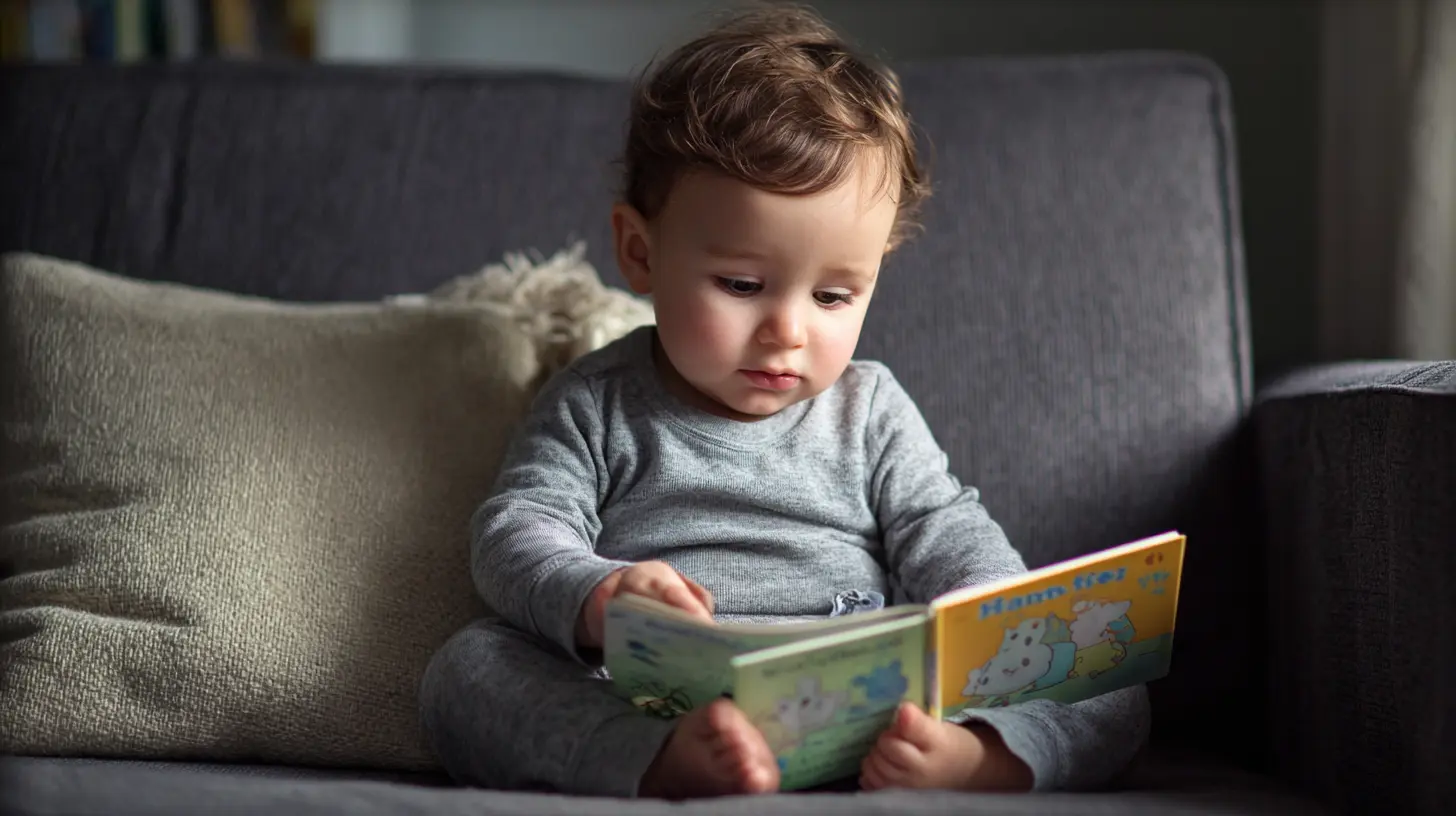
Early Language Exposure: The Secret Sauce to Smarter Babies
Here’s a fun fact: By the time your baby is 1 year old, their brain will have doubled in size. Crazy, right? But here’s what’s even more mind-blowing: the more words they hear during these early months, the stronger their language and communication skills will be.Reading exposes infants to a rich variety of words—and let’s face it, you're probably not using words like “caterpillar” or “enchanted” in everyday conversations. Books can introduce your baby to a world of vocabulary they wouldn’t otherwise hear.
The result? By the time they start talking (cue the adorable baby babble), they already have a head start in language development. Plus, studies have shown that children who are read to from a young age tend to perform better in school later on. 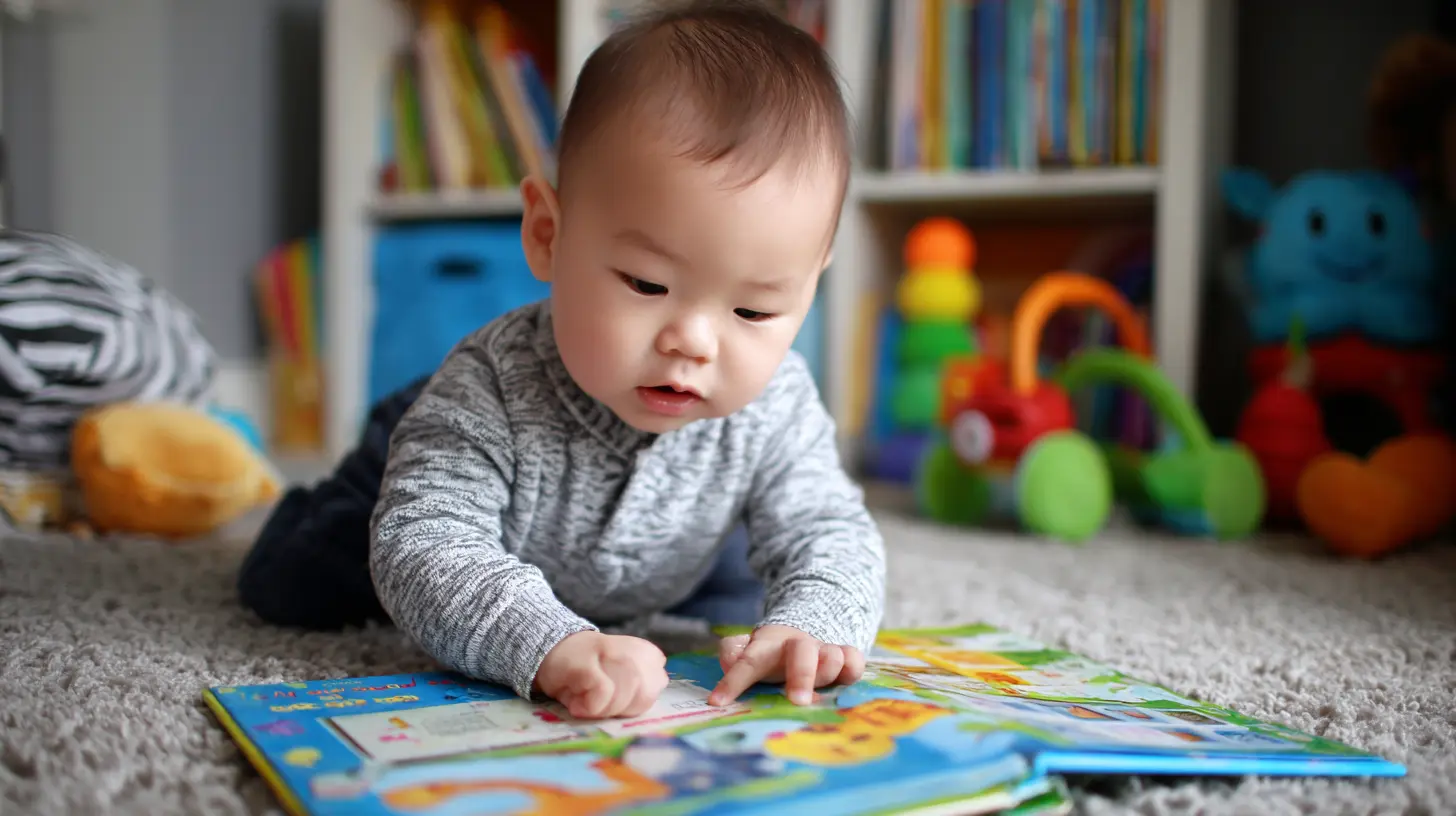
Bonding Through Books: It’s More Than Just Brain Food
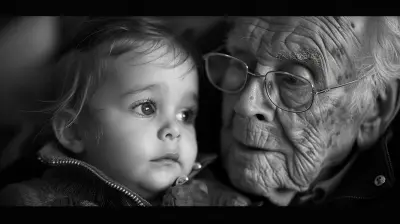
But wait—reading isn’t just about boosting brainpower. It’s also an incredible way to strengthen your bond with your baby.Imagine this: You’re cuddled up on the couch, holding your baby close as you flip through the pages of their favorite book. Your voice becomes a soothing melody, your touch a source of comfort. In those moments, you’re not just reading—you’re connecting.
This physical closeness, combined with the sound of your voice, helps your baby feel safe, loved, and secure. And that emotional connection is just as important for their development as the cognitive stuff.
Think of it as creating a cozy, loving environment where your baby can not only grow but thrive.
Visual and Auditory Stimulation: Training Tiny Minds
Let’s talk about how books aren’t just words on a page—they’re a full sensory experience for babies.When you read a picture book, for instance, your baby is exposed to colorful images, shapes, and patterns. This helps stimulate their visual senses and aids in developing their ability to recognize objects and colors.
Meanwhile, the sound of your voice as you read aloud activates their auditory learning. It’s like giving their brain a mini workout every time you sit down to read together.
Want to make it even better? Use funny voices or sing the words. Trust me, your baby doesn’t care if you sound like a tone-deaf opera singer—they’ll love it anyway!
Reading Builds Attention and Focus
Let’s face it—babies are easily distracted (have you ever tried keeping their attention for more than two seconds?). But here’s the cool thing: reading can actually help improve their attention span.When you sit down with a book, your baby learns to focus on the sounds of your voice and the images on the page. Over time, this leads to better concentration and listening skills—two things that will come in handy when they start school (and, let’s be honest, for life in general).
It’s like teaching your baby the art of paying attention, one story at a time.
Setting the Stage for a Lifelong Love of Learning
Have you ever noticed how kids who grow up with books are often more curious and eager to learn? That’s because reading isn’t just about the what—it’s about the how.When you read to your baby, you’re showing them that books are fun, magical, and full of possibilities. You’re sparking their imagination, fueling their curiosity, and encouraging them to ask questions (even the “why is the sky blue?” kind that you’ll eventually have to Google).
By making reading a regular part of their routine, you’re setting the stage for a lifelong love of learning. And honestly, isn’t that one of the greatest gifts you can give your child?
Tips to Get Started with Reading to Your Infant
Alright, so now that you’re pumped to start reading to your little one, here are a few tips to make it as enjoyable and beneficial as possible:1. Start Early: It’s never too early to start reading. Even newborns can benefit from hearing your voice and seeing the pages.
2. Keep It Simple: Board books with bold pictures and simple text are perfect for tiny hands (and help withstand all the drooling).
3. Make It Routine: Whether it’s bedtime, naptime, or after lunch, find a time that works for you and make it a daily habit.
4. Get Animated: Use silly voices, facial expressions, and gestures to bring the story to life.
5. Follow Their Lead: If your baby loses interest halfway through a book, that’s okay! Let them explore at their own pace.
6. Repeat Favorites: Babies love repetition—it helps them learn. Don’t be afraid to read the same book over and over again (yes, even if it means you have to recite “Goodnight Moon” in your sleep).
Busting the “But My Baby Doesn’t Understand” Myth
Let’s address that tiny doubt creeping into your mind: “But my baby doesn’t even understand the story!”Here’s the thing—it’s not just about the story. It’s about the interaction, the exposure to language, and the mental stimulation. Even if they don’t understand the plot, they’re soaking up every sound, rhythm, and emotion you’re sharing with them.
The Bottom Line
Reading to your infant is more than just a sweet bonding activity (though it’s definitely that too!). It’s a powerful tool that lays the foundation for cognitive development, boosts their language skills, strengthens your bond, and nurtures their love of learning.So, grab a cozy blanket, pick out a book, and start reading. Because in those quiet moments of turning pages and swapping smiles, you’re not just building memories—you’re building a brighter future for your little one.
all images in this post were generated using AI tools
Category:
Infant DevelopmentAuthor:

Maya Underwood
Discussion
rate this article
2 comments
Isabella Wright
Sure, reading to your infant might sound like a no-brainer, but let's be honest-half the time, I'm just using storytime as a way to avoid folding laundry. If it makes my baby smarter while I escape chores, then where's my book?
May 23, 2026 at 3:47 AM
Maya Underwood
Absolutely, every little bit helps. If storytime lets you sneak in some relaxation while benefiting your baby, it's a win all around!
Peter Lynch
In the soft glow of shared stories, little minds awaken. Each word a seed, each page a world-nurtured by love, imagination blooms. As you read, watch them grow, discovering wonders beyond the stars.
May 12, 2026 at 3:42 PM
Maya Underwood
Thank you! Your words beautifully capture the magic of reading. It truly nurtures young minds and sparks their imagination.