Ways to Build a Strong Work Ethic in Your Child
30 January 2026
Raising a kid who works hard, takes responsibility, and doesn’t quit at the first sign of trouble? Yeah, that’s the dream. And guess what? It’s totally possible. But here’s the truth bomb—you don’t raise a hardworking kid by throwing money at them, praising every sneeze, or shielding them from failure. Nope.
Building a strong work ethic in your child isn't about perfection. It's about planting the right seeds early, being consistent, and being unapologetically real. Let's unpack these powerful, practical, real-life ways to raise a kid who knows how to hustle—with heart, grit, and resilience.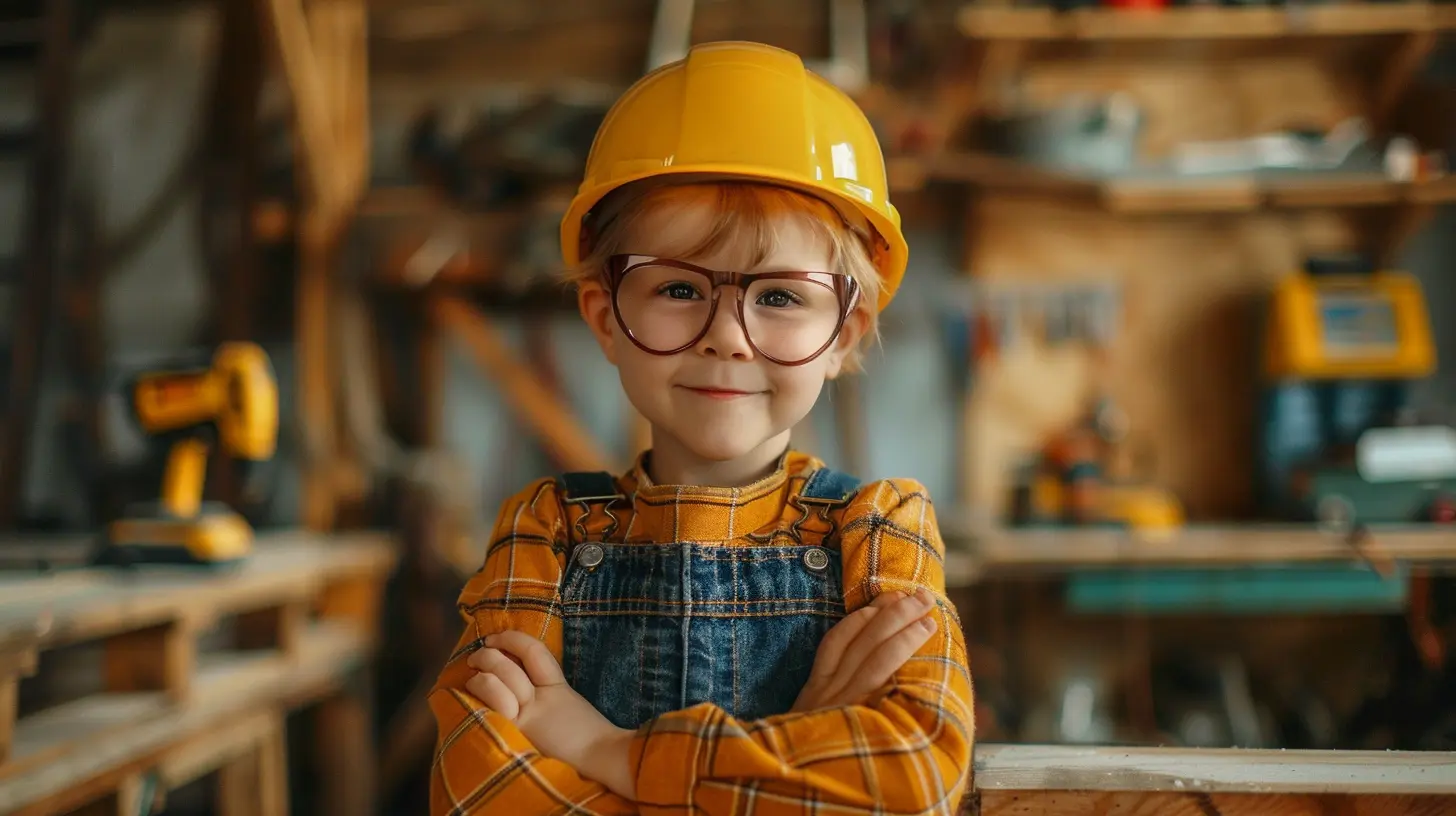
What Is Work Ethic and Why the Heck Should You Care?
Before we go full throttle, let’s clear the air.Work ethic is more than just getting stuff done. It’s an attitude. It’s the silent motor that pushes your kid to:
- Show up even when they don’t feel like it
- Own their mistakes without making excuses
- Finish what they start
- Take pride in doing things well (not just fast)
Sound like a dream scenario? Imagine your teen doing their homework without being told, or your 8-year-old helping clean up without whining. Yeah. It starts here.
1. Be the Role Model They Can’t Ignore
Kids are copycats. You already know this—if you’ve ever heard your toddler drop an f-bomb after you stubbed your toe, you know they’re watching.So, let’s flip that energy.
Let them see you:
- Finish a big project even when you're tired
- Get up early and grind without complaining
- Apologize when you slack off—and then fix it
- Celebrate progress, not perfection
Work ethic is caught more than taught. Make sure you’re modeling the habits you want them to pick up like a sponge.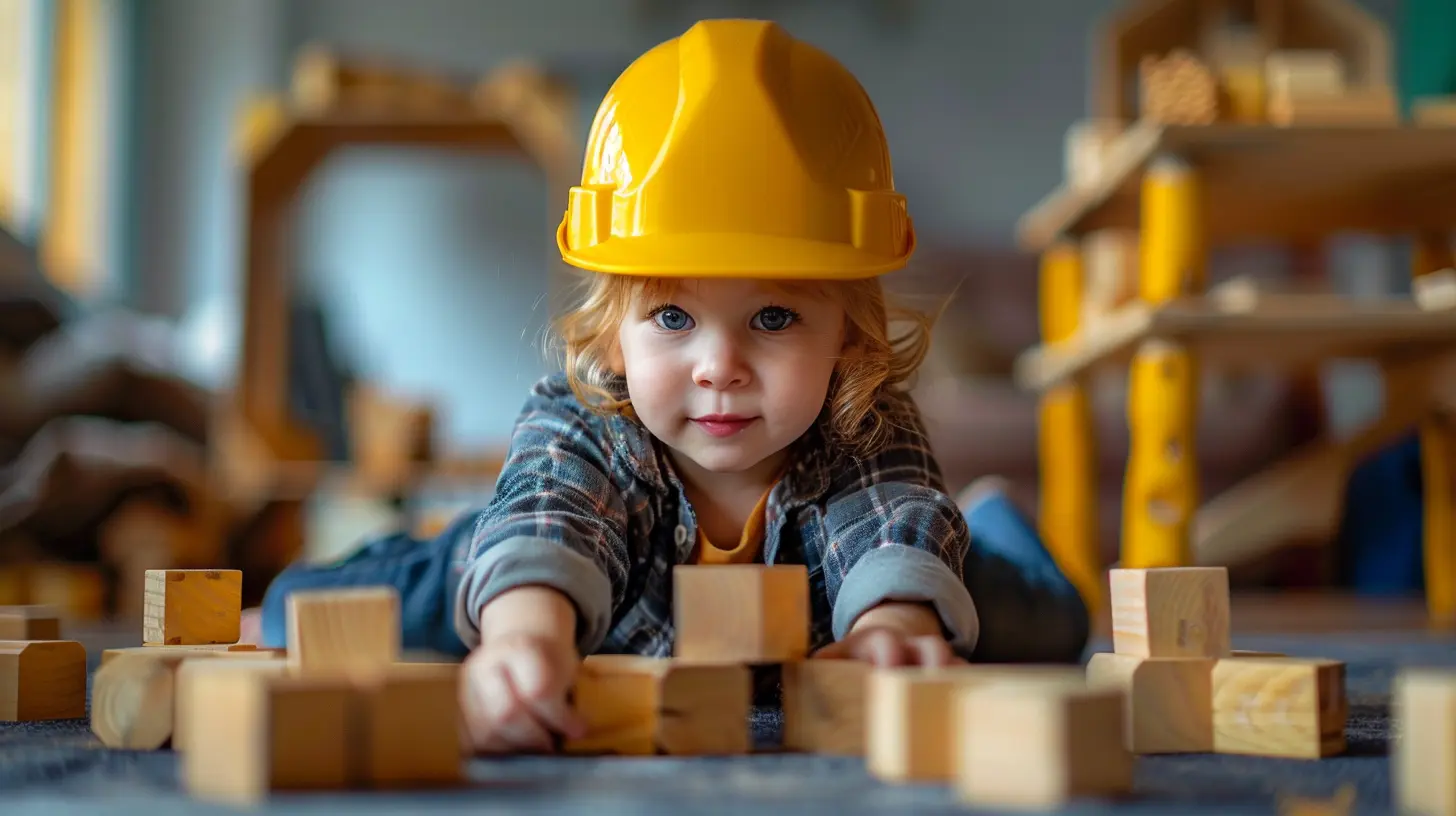
2. Start with Responsibility—Even If It’s Small
Don’t wait for the “right age” to hand over responsibility. Kids as young as 3 can do something meaningful, even if it’s just putting their shoes away.Give them jobs. Real ones.
Not just “play clean up,” either. We’re talking:- Making their bed every morning
- Feeding the dog
- Helping with dinner
- Washing their own plate
When they’re accountable for something—even something simple—they start to understand that what they do matters. That’s the breeding ground for a killer work ethic.
3. Stop Rescuing Them from Consequences
This one’s gonna sting. But it’s crucial.Let your kid fail. Let them feel the burn of forgetting homework, or turning in a late project. Don’t swoop in and save the day every time.
Because every time you rescue them, you rob them of the chance to learn from it.
Pain is a great teacher. It teaches what lectures don’t. And if they don’t face small consequences now, they’ll crumble under big ones later in life.
So next time your child says, “I forgot my gym clothes,” don’t drive across town to bring it. Let them deal. It builds grit—and grit is gold.
4. Make Hard Work a Family Value, Not a Punishment
Too often we treat chores and hard work like punishments. You didn’t clean your room? Fine, now go rake the leaves. That sends the wrong message.Let’s flip the script.
Frame work as something valuable. Something meaningful. You can say things like:
> “Around here, we all pitch in. That’s what makes us a strong family.”
> “We work hard because we take pride in our home.”
Tie it into identity, not punishment.
Working shouldn’t be something they have to do. It should be something they get to do. That tiny shift? It’s massive.
5. Praise Effort, Not Just Outcomes
Yeah, I get it. It feels amazing to clap when your kid gets an A or wins a soccer trophy. Go ahead and celebrate, but don’t make it all about the outcome.Focus on what led up to the win.
- “I saw how hard you studied. That took real focus.”
- “You didn’t give up, even when it got tough. That’s impressive.”
Why? Because life doesn’t always hand out gold stars—and if kids are only motivated by rewards, they’ll quit when things don’t go their way.
We’re not raising trophy-chasers. We’re raising finishers.
6. Let Them Earn Things—Don’t Just Hand It Over
This one’s a hot take, but listen up: kids don’t value what they didn’t work for.Toys, gadgets, allowance—it means nothing if it came easy.
Instead:
- Create a chore chart tied to earning privileges or pocket money.
- Let your teen earn their first phone or game console.
- Have them pitch in for extras like designer shoes or that upgraded backpack.
It teaches them that work = reward. A powerful life lesson.
And when they buy something with their own money? Watch how fast they take care of it.
7. Teach the Power of Showing Up—Even When It’s Boring
Not everything is going to be fireworks and confetti. Sometimes, work is just… meh.And that’s okay.
Teach your child that showing up—even when they don’t feel like it—is where the magic happens.
You can say things like:
- “You don’t have to love every task. You just have to love who you’re becoming.”
- “Discipline means doing it even when the excitement wears off.”
Resilience isn’t built during fun times. It’s built during the boring ones. Help your kid lean into that discomfort instead of running from it.
8. Set Deadlines and Let Them Stick
If your kid says they’ll read 3 books this month, hold them to it.If they promise to finish their science fair project by Friday? No reminders. Let them manage their own time.
Deadlines teach accountability.
Don’t micromanage—just check in. Give them space to succeed (or fail a little). That's how they develop internal motivation.
9. Encourage Reflection After Wins and Losses
After a big success or even a big flop, sit down and talk.Ask:
- “What worked?”
- “What would you do differently next time?”
- “What helped you stay focused?”
Reflection reinforces the process, not just the outcome. It gets your kid thinking critically about their effort.
And when they think critically, they grow.
10. Celebrate Progress, Not Perfection
Last one—but it’s a biggie.Don’t wait until your child becomes the next Elon Musk to say “Well done.”
Notice the small things:
- That 10 extra minutes of studying
- That time they remembered their own backpack
- That moment they didn’t whine about chores
Say it loud: “I see how hard you’re trying. Keep going.”
Because perfection isn’t the goal. Progress is. That’s how work ethic is built—little by little, day by day, with someone cheering them on from the sidelines.
Real Talk: Work Ethic Isn’t Built Overnight
If you’re reading this and thinking, “Wow, I’ve got a lot of work to do,” that’s okay. You're not failing. You're learning.Building a strong work ethic in your child won’t happen in a week. It takes time. Patience. And a little bit of tough love.
But when you commit to these principles and stay consistent? You’ll raise a kid who doesn’t quit, doesn’t complain (well, not too much), and isn’t afraid of hard work.
They won’t just survive the real world—they’ll own it.
And isn’t that what we all want?
Quick Recap: Your Power Moves
Here’s your mini cheat-sheet to raising a kid with an unstoppable work ethic:✅ Model hard work
✅ Assign real responsibilities
✅ Let natural consequences teach
✅ Make work a value, not a punishment
✅ Praise effort, not just results
✅ Let them earn what they want
✅ Celebrate the boring consistency
✅ Set and stick to deadlines
✅ Reflect on wins and losses
✅ Celebrate the baby steps
No fluff. No overpraise. Just real-world parenting that builds lifelong habits.
So, next time your kid drags their feet on a chore or moans about homework, remember—you’re not raising a child for comfort. You’re raising a human ready to thrive in a messy, challenging, beautiful world.
Keep going. You got this.
all images in this post were generated using AI tools
Category:
Life Skills For KidsAuthor:

Maya Underwood
Discussion
rate this article
2 comments
Dolores McCool
Great article! Building a strong work ethic in children is essential for their future success. Loving your insights and practical tips—thank you!
February 18, 2026 at 4:42 AM
Maya Underwood
Thank you for your kind words! I'm glad you found the insights helpful. Cultivating a strong work ethic is so important for our kids' futures!
Barbara McQuade
Instilling resilience and responsibility fosters lifelong work ethic.
January 30, 2026 at 12:30 AM
Maya Underwood
Absolutely! Resilience and responsibility are key traits that help children develop a strong work ethic, preparing them for future challenges.