Turning Parent Guilt into Growth: The Role of Self-Care
1 April 2026
Let’s face it — parenting is one of the most beautiful, messy, heart-expanding journeys out there. But alongside those sweet bedtime snuggles and proud school performances, there’s another not-so-welcomed guest: parent guilt.
Have you ever put your kid in front of a screen just so you could take a 20-minute nap and then spent the rest of the day feeling like the worst parent ever? Yep, you're not alone. That gnawing little voice that whispers, “You should be doing more,” or “You messed up again,” is something nearly every parent hears.
But here’s the thing — parent guilt doesn’t have to be your enemy. What if I told you it could actually help you become a better parent? Yep, guilt can actually pave the road to growth — if you let it.
Let’s talk about how you can flip that guilt on its head and start using it as a powerful tool — and it all begins with self-care.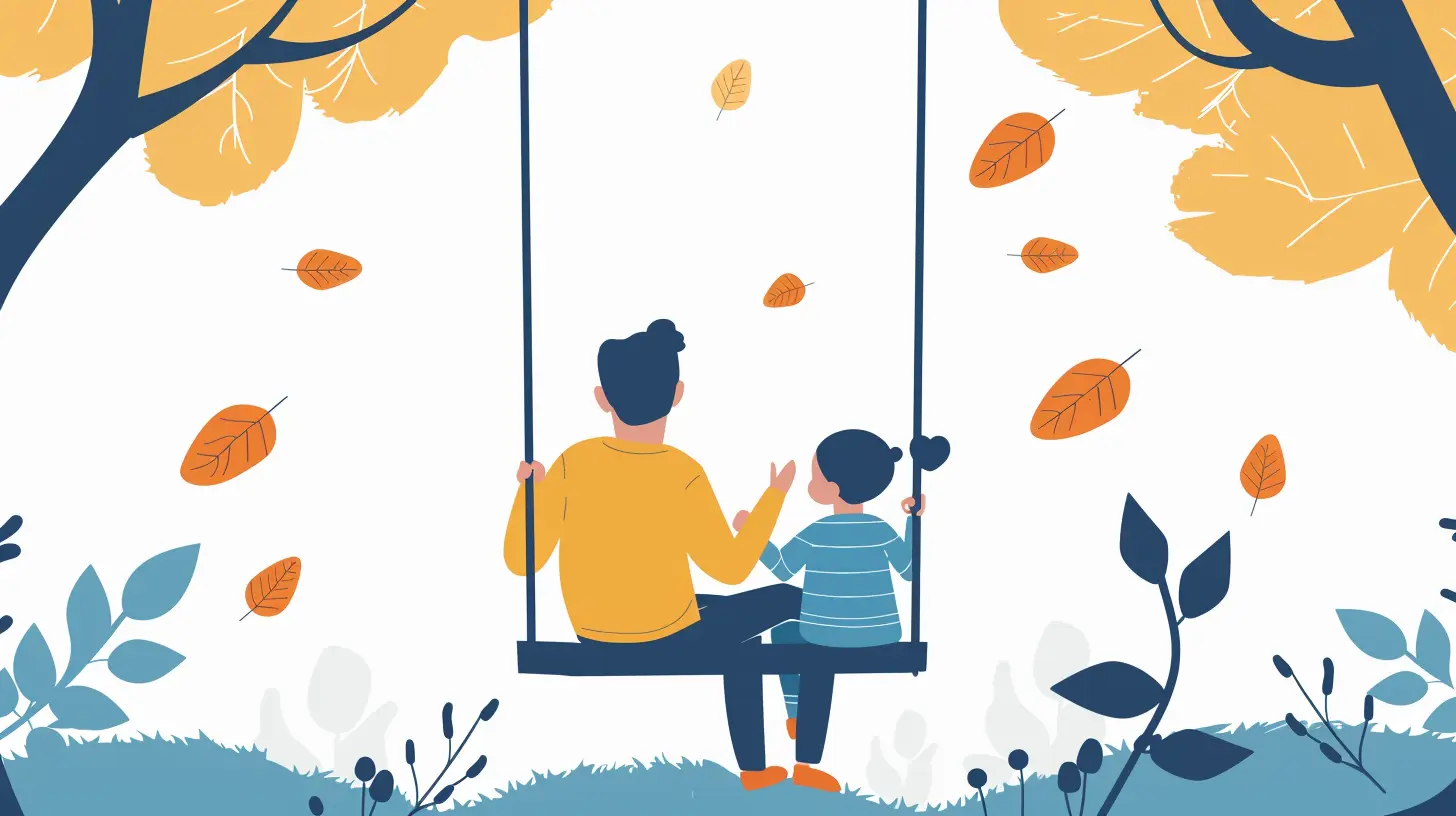
What Is Parent Guilt and Why Does It Hit So Hard?
Parent guilt is that nagging feeling that you’re somehow failing your child — even when you're trying your best. Whether it's from yelling during a stressful moment, missing a school event, or just taking time for yourself, the guilt creeps in.But why is it so common?
Honestly? Because we care. A lot. Parent guilt often stems from love — a deep desire to be the best version of ourselves for our kids. But because we have high expectations (and a mountain of pressure from society, social media, and comparison traps), it’s easy to feel like we’re constantly falling short.
And let’s be real, parenting doesn’t come with a manual. We’re all figuring it out as we go.
The Hidden Cost of Guilt
A little guilt here and there might seem harmless, almost like motivation. But guilt that lingers and festers? It can take a serious toll.Think about it like carrying a backpack full of bricks. Each “I should’ve done better” or “Why did I say that?” adds another heavy stone. Over days, weeks, and months, that bag gets heavier.
Eventually, it affects your self-esteem, your energy, your mental health — and yep, your parenting too.
You can’t pour from an empty cup, right?
Flip the Script: Guilt as a Signal, Not a Sentence
Now for the good news: guilt doesn’t have to be the villain of your parenting story.Instead of seeing guilt as proof that you’re a bad parent, what if you saw it as a signal? A quiet nudge that something needs attention — not judgment.
Kind of like a smoke alarm. When it goes off, you don’t panic and move out of the house, right? You check what’s going on and fix it. That’s what healthy guilt can be — a nudge to reflect, not a sentence of shame.
The Magic of Self-Care (Yes, It's for You Too!)
Here’s where things get real. You might be thinking, “I don’t have time for self-care.” Or maybe, “That sounds selfish when my kids need me.”But here’s the truth you need to tattoo on your mind: self-care is not selfish. It’s survival. It’s the foundation for showing up calm, present, and loving — which, guess what, helps your kids too.
Let’s break it down.
What Self-Care Really Means (Spoiler: Not Just Bubble Baths)
When most people hear “self-care,” they picture spa days, yoga poses, or mugs of herbal tea. And sure, those are great. But self-care is so much bigger than that.It’s anything that helps you recharge your energy and reconnect with yourself. Think of it as fuel for your parenting engine.
- Getting enough sleep (or at least valuing rest)
- Saying no without guilt
- Asking for help when you need it
- Spending time on a hobby you love
- Talking to a friend or therapist
- Taking a few minutes to breathe in silence
These little moments aren’t luxuries. They’re lifelines.
Why Self-Care Shrinks Guilt
When you take care of yourself, something magical happens: guilt starts losing its grip.Why? Because you’re no longer running on empty, snapping at your kids, and then spiraling into shame. You’re more grounded. More patient. More YOU.
It’s like putting on your oxygen mask first. You can’t help anyone if you’re suffocating.
Self-care gives you the clarity to look at guilt and ask, “Is this helpful?” If the answer’s no, you let it go.
And if it is? You take action — from a place of love, not shame.
Self-Compassion: The Secret Sauce for Growth
Here’s where the growth part comes in. When guilt shows up, you have a choice. You can beat yourself up (and feel even worse), or you can get curious.Ask yourself:
- What triggered this guilt?
- Is it based on reality or unrealistic expectations?
- What do I really need right now?
This isn’t about blaming or fixing everything overnight. It’s about treating yourself like you’d treat your child — with empathy, patience, and kindness.
Because here’s a little truth bomb: you're allowed to grow and still be a good parent. You’re a work in progress, just like your kids. And that’s okay.
Real-Life Examples of Turning Guilt into Growth
Need some real-world inspiration? Here are a few examples of how everyday guilt moments can lead to growth through self-care.1. The "I Yelled Again" Guilt
You snap. Yell. Slam a door. Cue the guilt.Instead of sitting in shame, take a breath. Later, reflect: Were you sleep-deprived? Burnt out? Multitasking too much?
Self-care action: Ask for help. Take 15 minutes alone. Apologize, then model emotional regulation for your child.
Growth takeaway: You’re human. But you’re also growing — and that’s what matters.
2. The "I Need Time for Me" Guilt
You dream of a quiet coffee break or a solo walk... but guilt whispers, “You’re ditching your kid.”Flip it.
Self-care action: Take the break. Set boundaries. Fill your cup.
Growth takeaway: You’re modeling healthy boundaries and self-respect. That’s powerful parenting, too.
3. The "Working Parent" Guilt
You miss a school event or work late — again. Ouch.Instead of spiraling, reflect: Are your expectations realistic?
Self-care action: Be present when you are home. Let go of "perfect parent" myths. Prioritize connection over quantity.
Growth takeaway: Your kids need a parent who is fulfilled — not a martyr.
5 Practical Tips to Turn Guilt into Growth Through Self-Care
Need help getting started? Here's your go-to guide to reclaiming your peace and power as a parent:1. Start Small and Simple
You don’t need a weekend retreat. Try five minutes of deep breathing or turning off your phone during dinner.2. Create a Guilt Radar
Whenever guilt appears, pause and check in. Helpful or harmful? Adjust accordingly.3. Set Real Boundaries
Say no more often. Guard your time like your sanity depends on it — because it does.4. Talk About It
Vulnerability is strength. Share your guilt with a friend or partner. You’ll be shocked how many say, “Me too.”5. Make Self-Care a Family Value
Let your kids see you rest, say no, and prioritize yourself. You’re teaching them lifelong emotional skills.Parenting with Grace, Not Perfection
At the end of the day, parenting isn’t about having it all together. It’s about showing up with love, doing your best, and forgiving yourself when you fall short.Guilt may not completely disappear — and that’s okay. But when you meet it with self-care and compassion, something shifts. You stop seeing yourself as “not enough,” and start recognizing yourself as human.
And guess what? Your kids don’t need a perfect parent. They need a present, loving one — who knows how to care for themselves, too.
So next time guilt knocks, don’t slam the door. Invite it in, sit with it for a bit, and ask what it’s trying to teach you. Then, lace up your self-care shoes and keep growing — one imperfect, beautiful step at a time.
all images in this post were generated using AI tools
Category:
Self Care For ParentsAuthor:

Maya Underwood
Discussion
rate this article
2 comments
Solara Luna
This article beautifully highlights how self-care can transform parent guilt into personal growth. Prioritizing our well-being not only enhances our parenting but also sets a positive example for our children. Essential reading for every caregiver!
April 9, 2026 at 3:52 AM
Maya Underwood
Thank you for your thoughtful comment! I'm glad you found the article impactful in highlighting the connection between self-care and personal growth in parenting.
Jace Phillips
Thank you for addressing the important connection between self-care and parenting. It’s refreshing to see strategies that encourage personal well-being alongside nurturing our children.
April 2, 2026 at 4:55 AM
Maya Underwood
Thank you for your kind words! I'm glad you found the connection between self-care and parenting meaningful. Prioritizing our well-being truly benefits both us and our children.