Traditions to Help Kids Feel Secure During Life’s Transitions
30 May 2026
Life is full of transitions—new schools, new homes, family changes, or even something as simple as the shift from summer to a new school year. For kids, these transitions can feel overwhelming, even scary. But here’s the good news: traditions can be a powerful lifeline!
Think of traditions as the comforting rhythm of childhood, the steady beat that brings a sense of security in a world that’s constantly shifting. Whether it’s a bedtime routine, a special family meal, or a simple saying you repeat often, these rituals build emotional anchors that help kids feel safe and stable.
If you’re looking for ways to help your child navigate life’s ups and downs with confidence, let’s dive into some tried-and-true traditions that can create a sense of security during life’s biggest (and smallest) transitions. 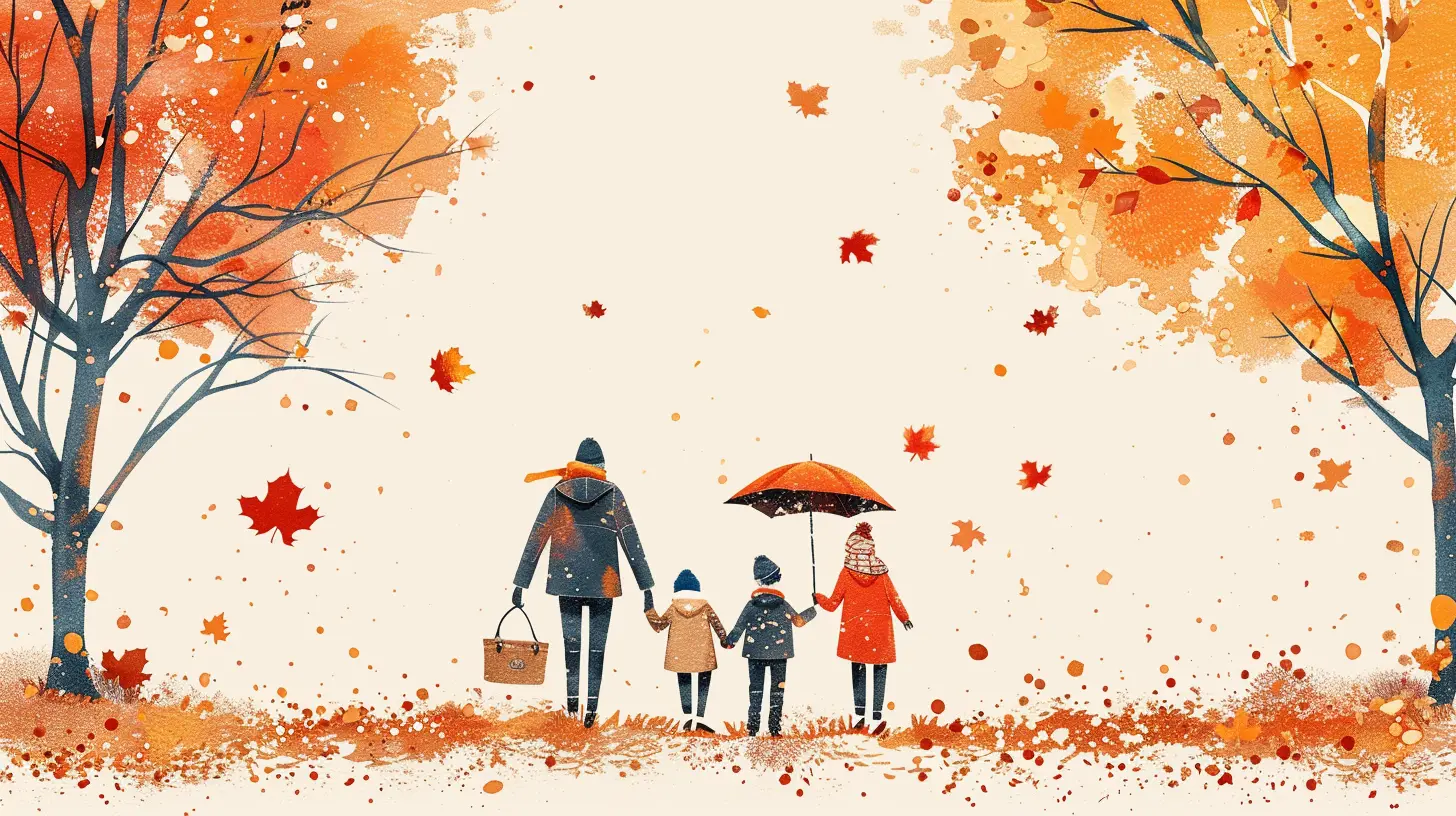
Why Traditions Matter During Transitions
Transitions can be unsettling because they shake up the familiar. And while adults have the advantage of experience, kids don’t always have the same coping mechanisms. That’s where traditions come in handy.Here’s why they work:
- They create consistency – In a world full of change, knowing that some things remain the same can be incredibly comforting.
- They offer emotional security – Traditions provide a sense of belonging and reassure kids that no matter what changes, their family remains a constant.
- They foster connection – Through shared rituals, kids feel more bonded to their family, which in turn makes them feel supported.
So, how can you incorporate traditions that help ease the sting of transitions? Let’s break it down. 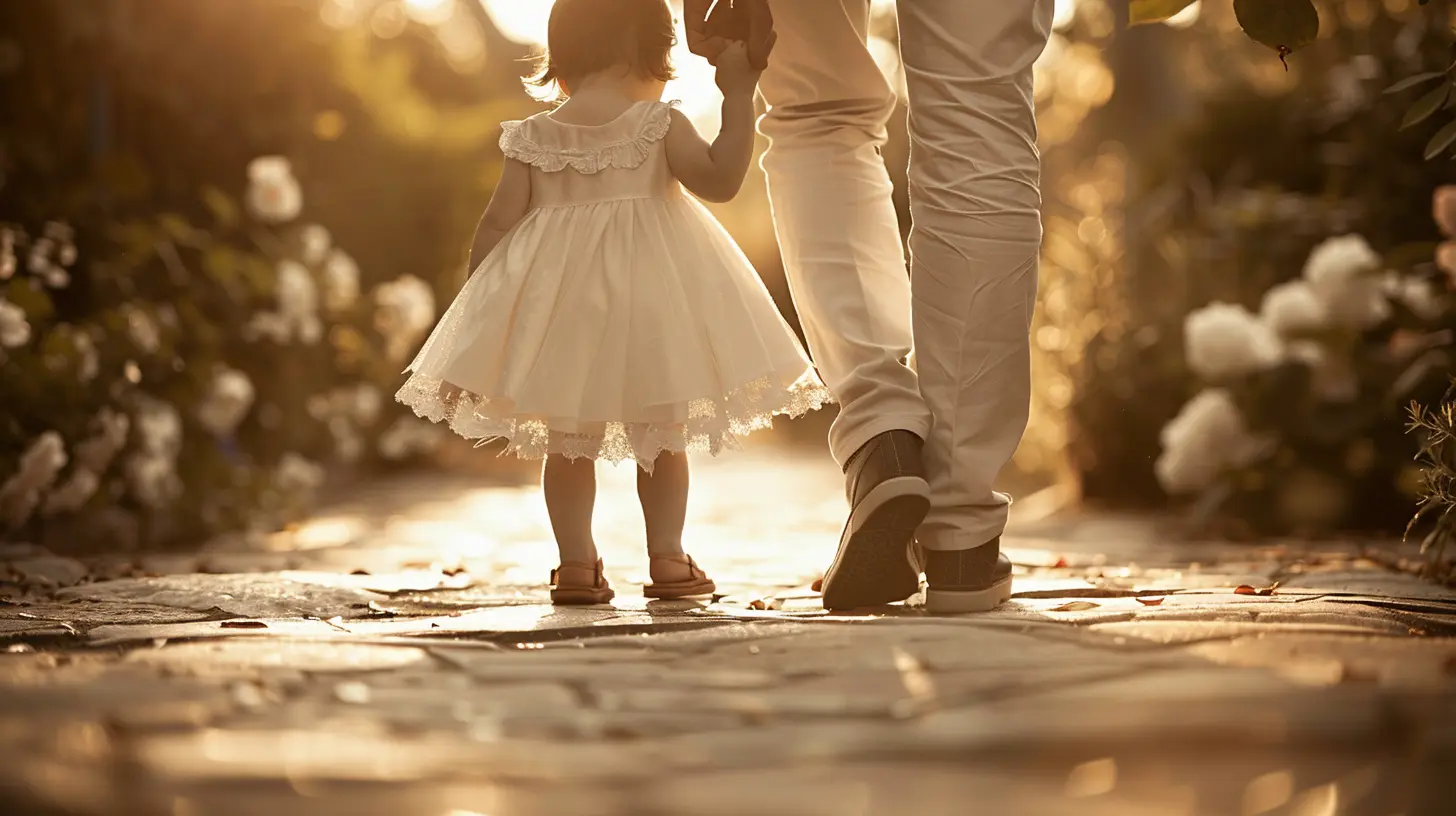
1. Special Morning and Evening Routines
Routines are the backbone of security, especially during life’s chaotic moments. When everything else feels unfamiliar, a reliable start and end to the day can keep anxiety at bay.- Morning Rituals – Whether it’s a silly good morning song, a secret handshake, or a "Three Things I’m Excited About" chat over breakfast, these small habits ground kids before the day begins.
- Evening Rituals – A consistent bedtime routine—reading a book, a warm bath, or even a “one good thing about today” conversation—helps kids wind down and feel safe when the lights go out.
These daily traditions may seem small, but they silently whisper, You’re safe. We got this. 
2. Welcome Changes With “New Chapter” Celebrations
When something big changes—a move, a new school, a new sibling—kids often fear the unknown. Instead of focusing on what’s lost, why not celebrate what’s coming?- Moving to a New Home? Create a “Goodbye, Old House” ritual where your family walks through each room, sharing a favorite memory. Then, when you arrive at the new place, have a “Hello, New Home” pizza night.
- Starting a New School? A “First-Day Fairy” tradition might help. Leave a small surprise (like a note or a treat) in your child’s bag every day for the first week as they adjust.
- Welcoming a New Sibling? Create a sibling “welcome committee” where the older child picks out a small gift for the new baby—and vice versa.
By turning life changes into something to celebrate, you shift the focus from fear to excitement. 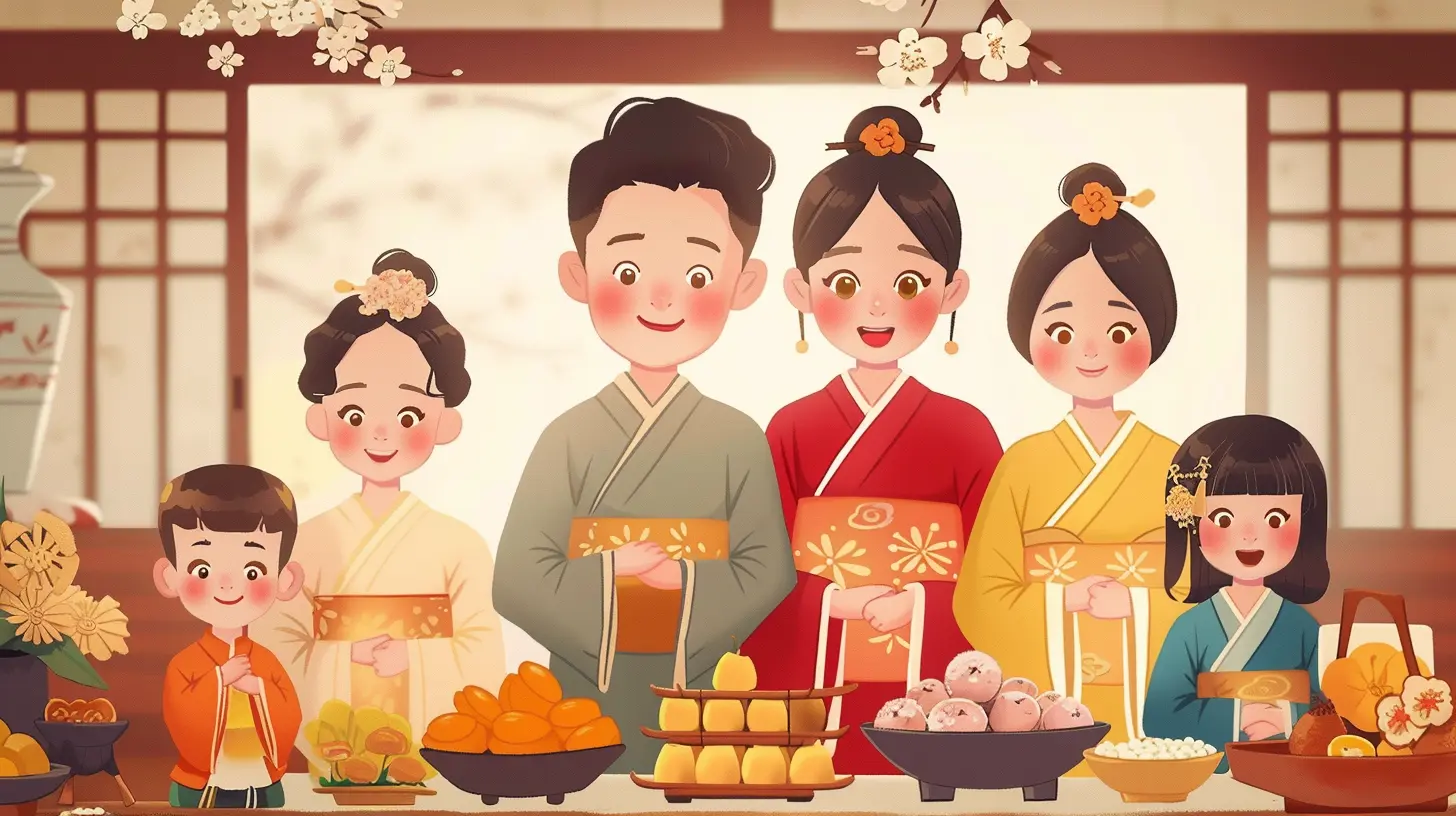
3. The Power of “Family Meetings”
Life can hit with unexpected curveballs—job changes, separations, or sudden losses. When big changes happen, communication is key.A weekly or monthly Family Meeting tradition can be a game-changer. It doesn’t have to be formal—just a time where everyone gathers to share thoughts, ask questions, or voice concerns.
- Set a specific time (Sunday dinner, Friday night hot cocoa, whatever works).
- Give everyone a turn to talk, including younger kids.
- Keep it positive—highlight challenges, but always end with something encouraging.
When kids feel heard and involved, they’re far less likely to feel lost when big shifts happen.
4. Create a “Safe Place” Tradition
Transitions can bring overwhelming emotions, and sometimes kids just need a break. Creating a Safe Place tradition helps them process these feelings without feeling judged.- Designate a cozy corner with blankets, stuffed animals, and a journal for tough days.
- Let your child know it’s okay to retreat there when they need a moment.
- Have a “comfort phrase” ready—something like, "I see you’re feeling big feelings. Take your time. I’m here when you’re ready."
Knowing there’s a safe harbor in the storm of change makes a world of difference.
5. Keep Old Traditions Even When Life Changes
Sometimes, transitions make us forget the things that used to bring comfort. But holding onto familiar traditions—especially during big life shifts—can be incredibly grounding.- Going through a divorce? Keep those Friday night family movie nights or weekend pancake breakfasts alive, even if they look a little different now.
- Moving far from family? Set up a “Sunday Skype” tradition where kids can stay connected to grandparents, cousins, or best friends.
- Starting a new school? Keep the same back-to-school shopping tradition, so it still feels like an event to look forward to.
The point is this: change doesn’t mean everything has to be different. Holding onto the little things reminds kids that not everything in life is uncertain.
6. Holiday and Seasonal Rituals
Holidays and seasonal traditions create mile-markers in a child’s life, offering things to look forward to, no matter what else is going on.- Have a “Back-to-School Feast” where you cook your child’s favorite meal the night before school starts.
- Celebrate the first snowfall with a cup of hot chocolate and a family snowball fight.
- Create birthday traditions, like hiding a small gift under their pillow the night before.
By weaving in these seasonal traditions, you give children something predictable and joyful to anticipate—even in seasons of change.
7. The “Memory-Making” Tradition
One of the best ways to make transitions easier? Focus on creating special moments.- Start a Memory Jar where kids write down fun things that happen throughout the year. Whenever they feel anxious about changes, they can pull out a happy memory.
- Take a “First and Last” Photo—first day of school, last day of summer vacation, first night in a new home. These rituals make transitions feel like milestones instead of losses.
- Make a “Remember When” Story Night where each family member shares a funny or meaningful memory.
Memories are the ultimate comfort food for the heart. Build them often.
Final Thoughts
Life’s transitions don’t have to feel like free falls. With strong traditions in place, kids have something steady to hold onto, no matter how much life changes. Whether it's a bedtime ritual, a seasonal celebration, or a simple habit of talking about feelings together, these small traditions send the message: You’re not alone. We’ve got you.So, if your child is facing a big transition, don’t underestimate the power of a well-placed tradition. Start one today, and watch how it transforms their sense of security.
all images in this post were generated using AI tools
Category:
Family TraditionsAuthor:

Maya Underwood
Discussion
rate this article
1 comments
Scout McWain
I love the idea of using traditions to help kids feel secure during changes. Even simple rituals like a special family dinner or bedtime story can make a big difference. It's amazing how these little moments create a sense of stability and comfort for them.
June 2, 2026 at 2:18 AM
Maya Underwood
I completely agree. Those small rituals can really anchor kids during uncertain times. It's all about creating that sense of belonging and safety.