Time-In vs. Time-Out: Which Approach Is Right for Your Child?
25 December 2025
Raising kids can feel like navigating an emotional roller coaster with no seatbelt. One minute your child is happily building blocks, and the next, they're melting down because you peeled their banana the "wrong" way. Sound familiar? When those challenging moments come—and oh, they do—we’re often left wondering: How do I handle this in a way that's effective and loving?
Two popular discipline strategies that often come up are Time-Outs and Time-Ins. Both aim to help kids manage their emotions and understand consequences, but they do it in quite different ways. So, which one is right for your child—and for you?
Let’s break it down, parent-to-parent.
What Is a Time-Out?
Let’s start with the classic. Time-Outs have been around for decades. Most of us probably experienced them ourselves as kids. The concept is simple: when a child misbehaves, they’re removed from a situation and asked to sit quietly in a designated “time-out” spot—often a corner, bedroom, or chair—for a few minutes.The idea behind Time-Outs is behavioral. It's based on the principle of negative punishment—not harsh punishment, just the removal of attention or privileges to reduce unwanted behavior. Think of it like hitting the pause button so your child can calm down and reflect.
Pros of Time-Outs
- Gives space for emotions to settle: Sometimes, everyone just needs a breather.- Easy to implement: It requires minimal setup and can be done anywhere.
- Establishes clear boundaries: Kids learn that certain actions have consequences.
Cons of Time-Outs
- Can feel isolating: Especially for younger kids, being alone might not help them feel better.- Doesn’t teach emotional regulation: It may stop the behavior, but it might not help kids understand _why_ their behavior was an issue.
- May create power struggles: Kids might resist or escalate if they feel the Time-Out is unfair.
What Is a Time-In?
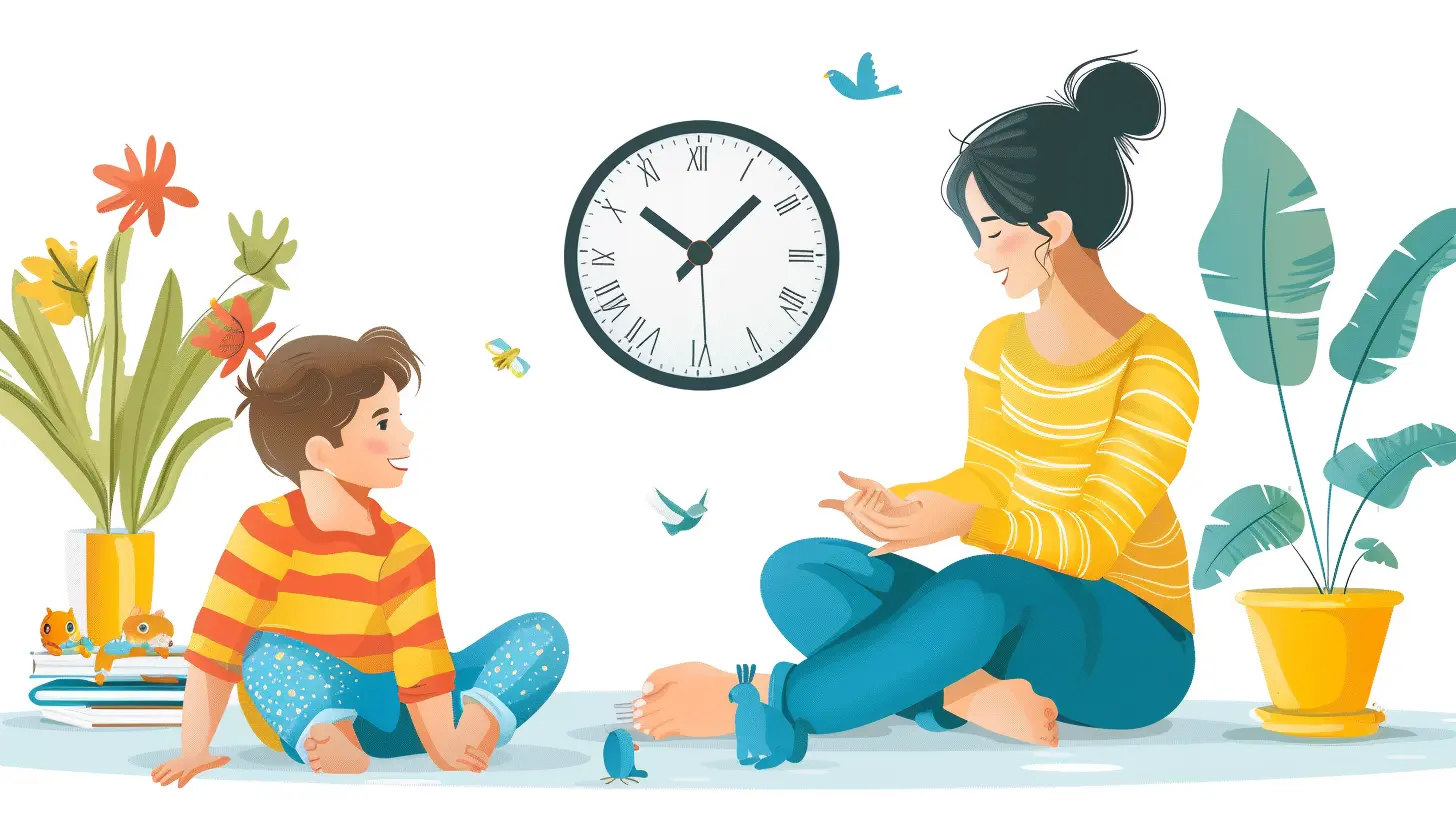
Now, enter the newer kid on the block: Time-Ins. This approach shifts away from punishment and leans into connection. Instead of isolating the child, you stay with them during their emotional storm. You hold space for them—literally and emotionally—and help them process what's going on.Think of a Time-In as emotional coaching. You create a safe spot (some parents call it a “calm corner” or “feelings chair”) where you sit together, talk about feelings, and brainstorm better choices.
Pros of Time-Ins
- Builds emotional intelligence: Kids learn to name and manage their feelings.- Strengthens the parent-child bond: You’re sending the message: “I’m here for you, even when things get tough.”
- Promotes long-term behavior change: Instead of just stopping the behavior, you help your child understand and learn from it.
Cons of Time-Ins
- Takes more time and energy: It’s not a quick fix.- Requires emotional regulation from the parent: You have to be calm enough to co-regulate, and let’s be real—that’s not always easy.
- May not work well in public or chaotic scenarios: If you’ve got three kids in a grocery store, sitting and reflecting may not be possible.

Major Differences at a Glance
| Feature | Time-Out | Time-In ||--------|----------|---------|
| Goal | Stop behavior | Teach emotional regulation |
| Method | Separation | Connection |
| Timing | After bad behavior | During or after emotional outbursts |
| Who’s Involved | Child alone | Parent and child together |
| Emotional Impact | Can feel isolating | Promotes empathy and security |

When Should You Use Time-Outs?
Despite their reputation, Time-Outs aren’t all bad. In fact, they can be very effective when used thoughtfully—not punitively. If your child is overstimulated, physically aggressive, or simply needs space to cool down, a short Time-Out might do the trick.Just make sure you're not using it out of anger. It's easy to shout, "That's it! Go to your room!" when you're pushed past your limit. But if the goal is regulation over retribution, you’re better off framing the Time-Out as a “cool-down corner” rather than a punishment dungeon.
Also, be consistent. If hitting leads to a Time-Out one day but not the next, your child won’t know what to expect—and neither will you.
When Is a Time-In the Better Option?
Time-Ins shine when your child is having a hard time, not giving you a hard time. If your little one is tantruming because they’re overwhelmed, overstimulated, or overtired, a Time-In can help bring them back to center.They’re especially great for teaching emotional vocabulary. You can sit with your child and say things like, "It looks like you're feeling really mad right now. What happened?" This helps them connect emotions to behavior and feel understood rather than shamed.
Time-Ins also work wonders for building trust. You’re showing your child that even when things get messy, you're not going anywhere. And that security? It’s golden.
Mixing and Matching: Can You Do Both?
Here’s where it gets interesting—you don’t have to pick just one forever. Parenting isn’t black and white, and neither are discipline strategies. You can actually use both approaches, depending on the situation.Think of it like a toolkit. Sometimes a wrench (Time-Out) is what you need. Other times, a screwdriver (Time-In) is the better fit. The key is to be intentional. Ask yourself:
- Is my child acting out, or are they emotionally overwhelmed?
- Am I calm enough to help them regulate, or do we both need some space?
- What do I want my child to learn from this moment?
By tailoring your response to the moment, you can meet your child where they are—and teach them to do the same for themselves.
What Age Is Best for Time-Outs and Time-Ins?
Age matters when choosing a discipline method.Toddlers (1–3 years):
- Time-Outs may be confusing. Most toddlers don’t yet have the ability to reflect on their actions.- Time-Ins are usually better. They need co-regulation to feel safe and learn how to handle big feelings.
Preschoolers (3–5 years):
- Time-Outs can be effective if brief and used consistently (1 minute per year of age).- Time-Ins still work well. You can start guiding them in naming emotions like "sad," "angry," or "frustrated."
School-Aged Kids (6–10 years):
- Flexibility is key. These kids can begin to understand and articulate motivations and feelings.- Encourage them to choose: “Would you like to take some space (Time-Out) or sit with me and talk (Time-In)?”
Parenting with Heart, Not Perfection
Look, no parenting method is foolproof or fits every child. Some kids thrive with structure and need that “reset” alone time. Others crave connection and break down further when isolated.What matters most isn’t whether you choose a Time-In or a Time-Out—it’s how you show up as a parent. Are you calm, consistent, and compassionate? Or are you reactive, punitive, and yelling across the room?
We all have moments we’re not proud of. But every moment is also a chance to connect, to model empathy, and to teach resilience. Your child doesn’t need perfection. They just need you—doing your best, learning as you go, and loving through the chaos.
Tips for Making Either Approach Work
No matter which method you lean toward, here are a few golden rules:Stay Calm
Your nervous system sets the tone. If you’re dysregulated, your child will be too. Take a deep breath (or three) before responding.Be Consistent
Kids learn through repetition. If consequences vary wildly, they’ll feel confused and insecure.Don’t Shame
Your goal is to correct the behavior, not shame the child. Talk about what they did, not who they are.Reflect Afterwards
After the moment has passed, circle back. Ask questions like: “What could we do differently next time?” or “How did that make you feel?”Lead with Love
Always end on a note of connection. A hug, a kind word, or a reminder that you love them—no matter what.Final Thoughts: What Works for One Child Might Not Work for Another
Some kids are more sensitive. Some are more strong-willed. Some are little emotional firecrackers. And you know what? That’s okay.You don’t have to get it right every time. You just have to keep showing up. Whether you choose Time-Outs, Time-Ins, or a bit of both, the real magic lies in your relationship with your child. Discipline isn’t about control—it’s about teaching, guiding, and growing together.
So the next time your kid throws a shoe at you or screams because their sandwich is cut the wrong way, take a breath and remember: You’ve got tools, you’ve got love, and you’re doing a great job.
all images in this post were generated using AI tools
Category:
Discipline TechniquesAuthor:

Maya Underwood
Discussion
rate this article
2 comments
Patricia Benton
This article provides a crucial perspective on discipline strategies. It’s important to consider each child’s unique personality and needs when choosing between Time-In and Time-Out. While both methods have their merits, understanding your child's emotional state can lead to more effective parenting and foster a stronger parent-child relationship.
January 23, 2026 at 4:06 PM
Maya Underwood
Thank you for highlighting the importance of tailoring discipline strategies to each child's unique needs. Understanding emotional states is key to effective parenting!
Indigo Gill
Great insights! Understanding both methods helps tailor discipline to each child's needs.
December 25, 2025 at 4:20 AM
Maya Underwood
Thank you! I'm glad you found the insights valuable for tailoring discipline to fit each child's unique needs.