The Science Behind Why Kids Should Do Chores
22 July 2026
Let’s talk chores. Yep—those little to-do list items that every kid seems to avoid like veggies at dinner time. If you’ve ever asked your child to clean their room and been met with moaning or dramatic flopping on the couch, you’re definitely not alone. But here’s the thing: science is actually on your side.
Chores aren’t just about tidying up. They’re about growing up. The science behind why kids should do chores goes deeper than just clean floors and neat toy bins. We’re talking about shaping responsible, capable, and resilient human beings. So, if you’ve been second-guessing enforcing that chore chart, it’s time to rethink it.
Let’s dig into the hows and whys backed by research, psychology, and a bit of common sense.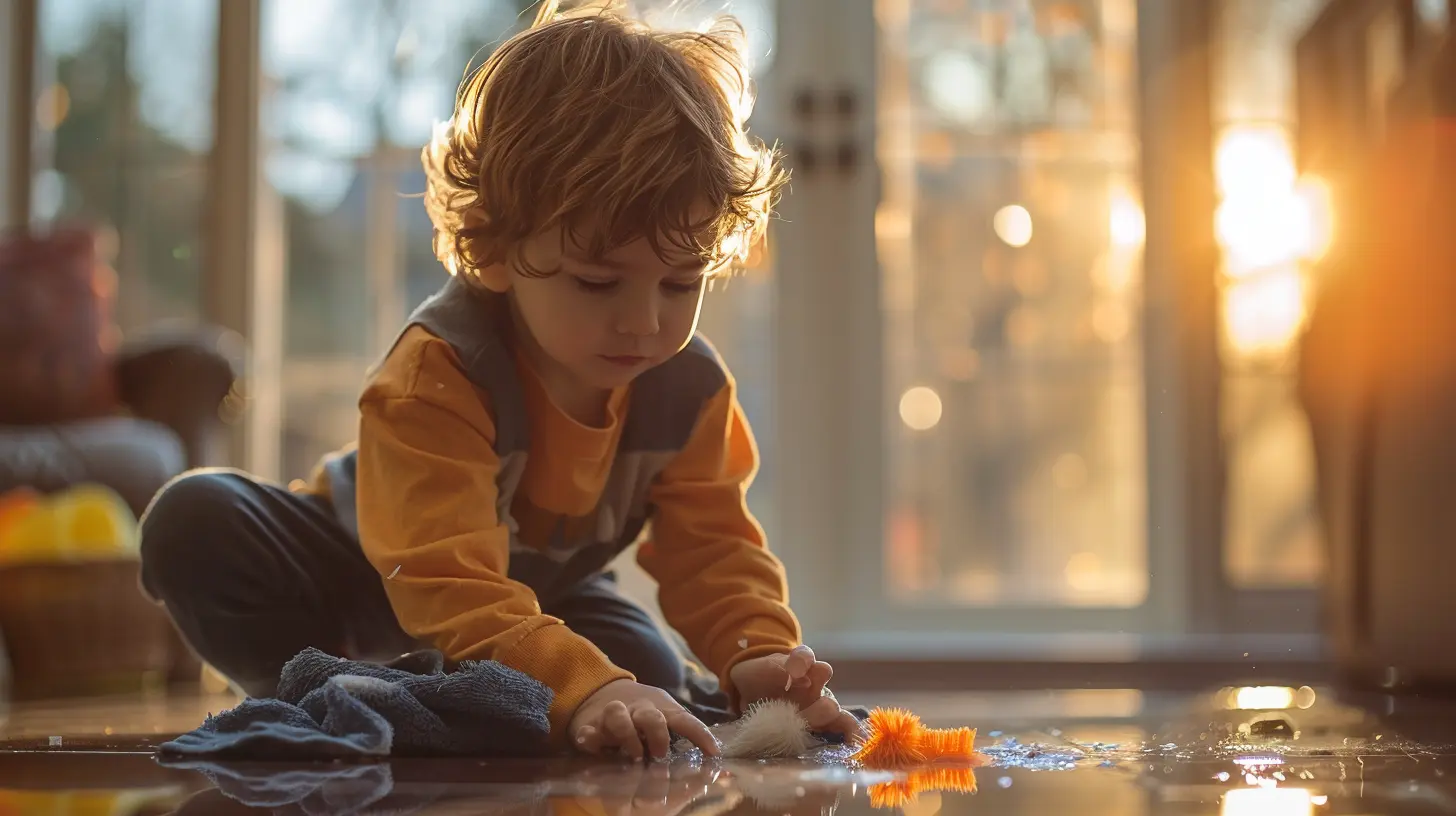
Chores Teach Responsibility (and That’s Gold)
From the moment our kids can walk, they're watching what we do. And guess what? They actually want to help. Toddlers love copying adults—it’s how they learn. The moment you hand your little one a mini-broom, you’re giving them more than a task—you're handing over a life lesson in accountability.When children are responsible for chores, they learn that their actions (or lack of action) have real consequences. Did they forget to feed the dog? Well, now their furry friend’s bowl is empty, and that’s a big deal. These lessons add up over time and help them understand the importance of following through.
It’s not about being perfect—it’s about showing up and taking ownership. And science says that’s a powerful trait to foster early.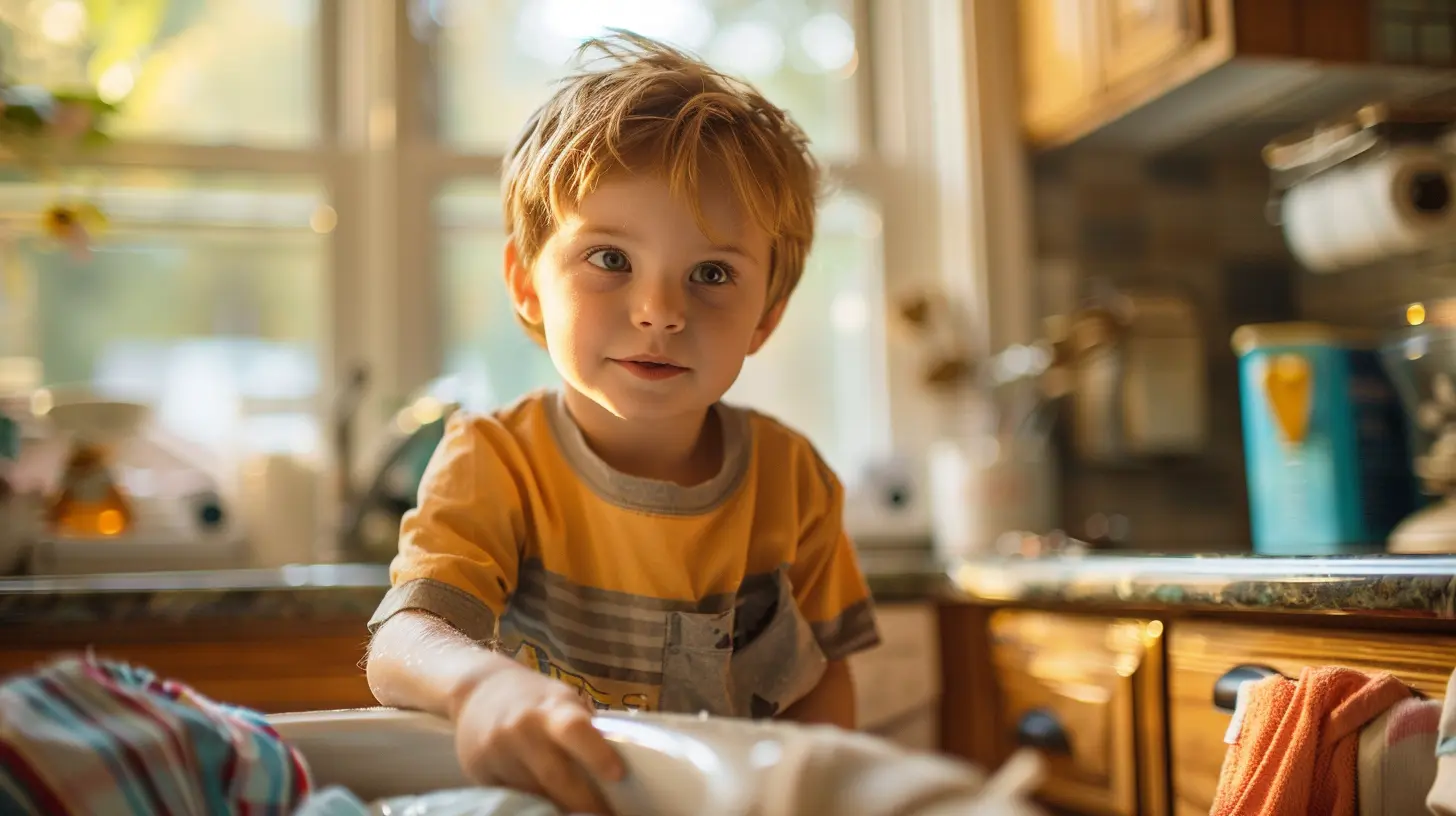
Chores Build Confidence and Self-Esteem
Here’s a wild thought: handing your child a dust rag could actually boost their confidence.According to developmental psychologists, chores help build a child’s inner belief that they are capable and valuable. Think about it. Every time they complete a task, they feel a sense of accomplishment. Even something as small as setting the table can pump up their confidence.
Plus, when parents acknowledge their efforts—even if the forks aren't perfectly aligned—it reinforces a positive self-image. You're not just teaching them how to clean a window; you're showing them that effort matters and that they are an important part of the household team.
And kids who believe in themselves? They’re more likely to take on challenges, try new things, and persist when stuff gets hard.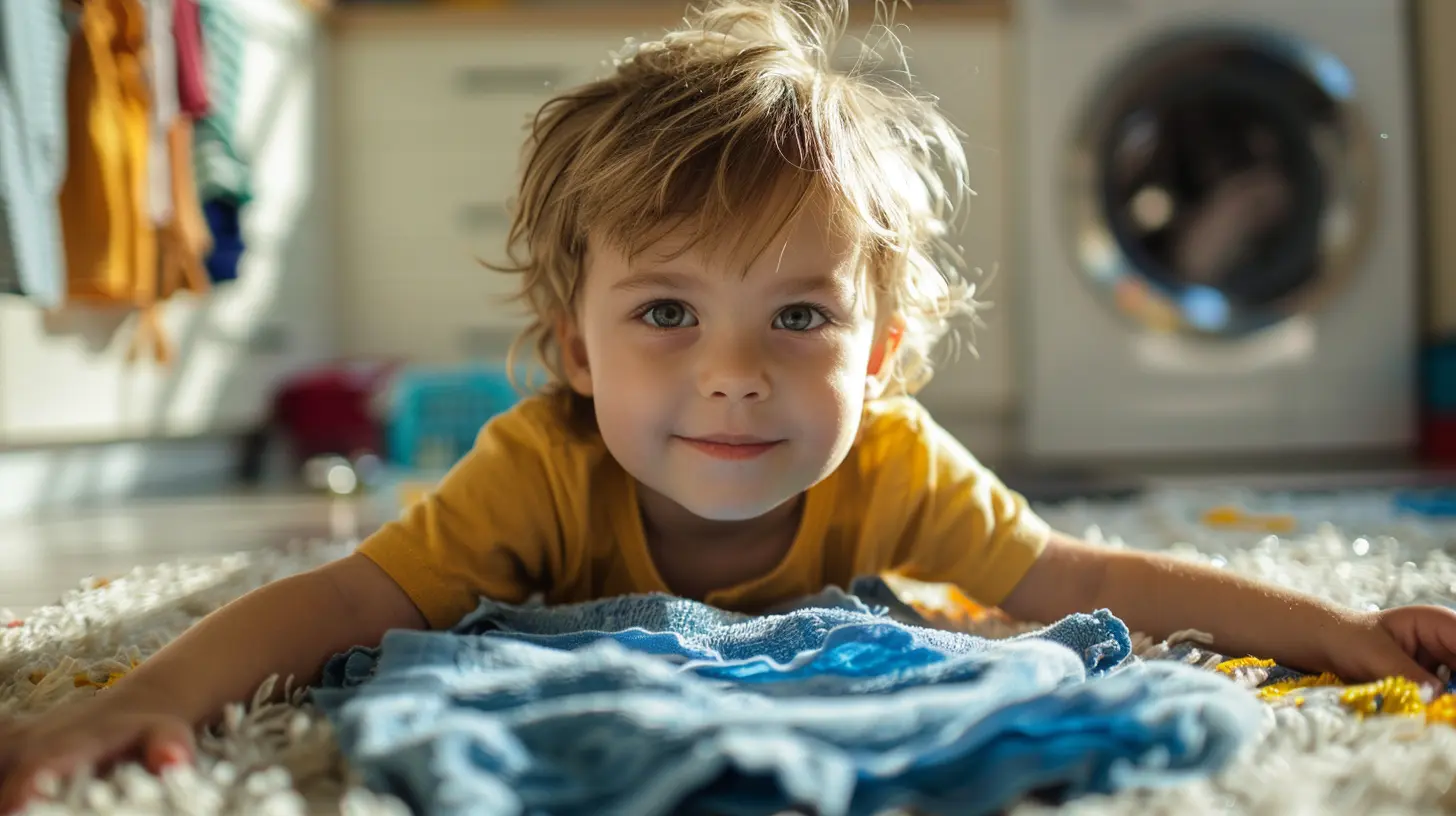
Contribution Fosters a Sense of Belonging
Every family functions like a little community. And in any community, every member has a role.Research in child psychology shows that when children contribute to the household in meaningful ways, they develop a stronger sense of belonging. They feel needed, valued, and included. This emotional connection can have huge ripple effects—building strong, secure relationships and a deeper sense of identity.
So, if your child ever asks, “Why do I have to do this?”—you can honestly say, “Because you’re part of this team. And this team needs you.”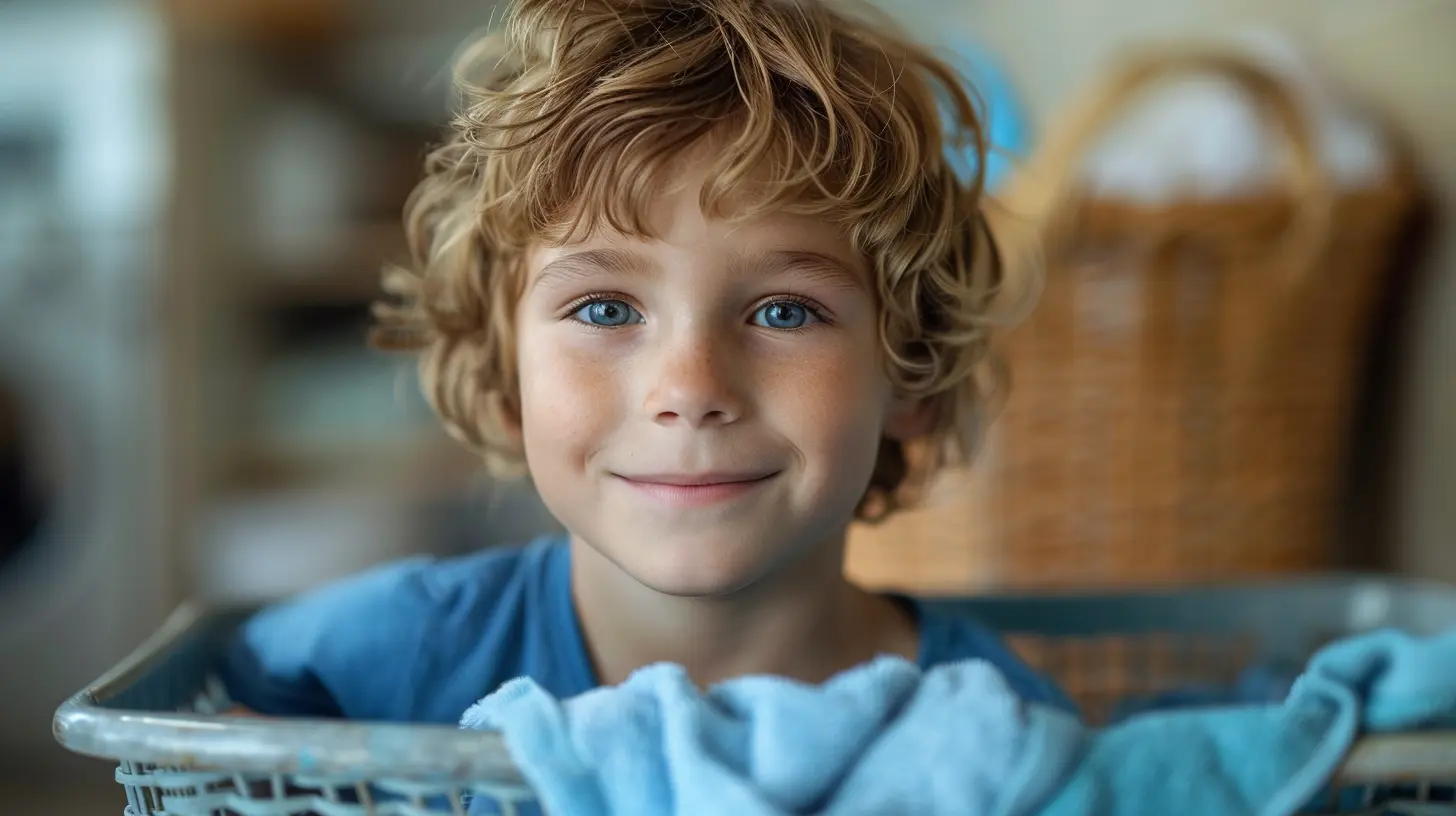
Chores Build Life Skills (The Ones That Matter)
Let’s face it—algebra won’t help your teen figure out how to do laundry at college. But chores? That’s hands-on survival training.Vacuuming, dusting, sorting laundry, meal prep—these aren't chores, they're basic adulting skills. And the earlier your kids start learning them, the more second-nature they become later.
Studies show that children who do chores early tend to be more competent in managing their lives independently as adults. That means fewer frantic phone calls from college, less confusion at their first job, and more confidence stepping into the world.
It’s all connected. Folding socks becomes the foundation for balancing a checkbook. Scrubbing a toilet leads to taking care of an apartment. You get the point.
Chores Teach Time Management and Prioritization
Ever heard the phrase “There’s only so many hours in a day”? Well, that’s the truth—and kids who do chores early start to understand that.When your child learns to juggle homework, soccer practice, and taking out the trash, they’re learning to prioritize and manage time. It’s not always smooth sailing (let’s be real), but the practice is what counts.
Time management doesn’t magically appear at 18. It’s built slowly over childhood, brick by brick, task by task.
Chores are one of the easiest and most natural ways to get those time skills rolling—long before school or sports demand it.
It Encourages Grit and Perseverance
Let’s be honest: chores aren’t exactly glamorous. They’re repetitive. Sometimes boring. And very few kids do them with a smile (well...unless there’s a reward involved).But that’s kind of the point.
Doing something they don’t feel like doing—but doing it anyway—builds grit. That muscle for hard work, persistence, and seeing things through? It’s built by small moments of sticking it out.
Angela Duckworth, a leading researcher on grit, has found that perseverance is a stronger predictor of success than intelligence. And chores? They’re like the gym for a child’s grit-building muscles.
Chores Reduce Entitlement
Nobody wants to raise a kid who thinks the world owes them something. Entitlement can sneak in when kids are handed everything without having to work for it.Chores help balance the scales.
When children earn privileges through effort, they understand the value of work. They also learn empathy by understanding the effort others put into maintaining a home. Suddenly, Mom and Dad aren’t just "being mean"—they’re working hard to keep things running.
This mindset shift reduces entitlement and builds appreciation for what they have.
Chores Strengthen Family Bonds
Believe it or not, chores can bring families closer together. When done together, chores create shared experiences and opportunities for connection.Maybe it’s folding laundry while chatting about the day, or cleaning the kitchen jamming to Taylor Swift. These moments might not seem like much, but they build intimacy and trust.
Everyone pitching in means you’re working together toward a common goal—kind of like passing the baton in a relay race. And that teamwork? It builds stronger family ties.
Age-Appropriate Chores: What Works When
Wondering what type of chores are best for your child’s age? Here’s a quick cheat sheet:Ages 2–3:
- Putting toys in a bin- Helping wipe up spills
- Pushing in chairs
Ages 4–5:
- Making their bed (with help)- Watering plants
- Feeding pets
Ages 6–8:
- Setting and clearing the table- Folding laundry
- Sweeping or vacuuming small areas
Ages 9–12:
- Washing dishes- Taking out the trash
- Preparing simple meals
Teens:
- Mowing the lawn- Deep cleaning bathrooms
- Grocery shopping
Start small, build habits, and increase responsibility as they grow. It’s not about perfection—it’s about progress.
Real-World Studies Back It Up
Don't just take it from tired parents or blog articles—science backs it up with real data.A long-term study from the University of Minnesota found that the best predictor of a child’s success in adulthood wasn’t test scores or IQ. It was whether they did chores at an early age.
Let that sink in.
Children who started chores by age 3–4 were more likely to become independent, collaborative, and successful adults. The takeaway? Chores aren’t just helpful—they’re transformational.
Tips to Make Chores Stick
We’d be lying if we said getting kids to do chores is easy. But here’s how to stack the odds in your favor:- Make it routine: Consistency helps it become a habit.
- Use visuals: Chore charts or stickers keep kids engaged.
- Give choices: Let them pick their task to feel more in control.
- Keep it short: Kids have short attention spans—10 minutes might be plenty.
- Offer praise: Celebrate effort, not perfection.
- Work together: Show them how it's done and do it side-by-side.
Remember, it takes time. But stick with it—and your future self (and your child’s future roommates) will thank you.
Final Thoughts: The Bigger Picture
At the end of the day, chores aren’t about spotless rooms or dust-free shelves. They’re about shaping kids into people who can take care of themselves—and others—inside and outside the home.They teach kids how to cope with life. How to persist. How to give. How to take their place in the world without expecting it to be handed to them. And that right there? That’s parenting gold.
So next time your child groans about taking out the trash, smile a little. You're not just raising a helper. You’re raising a mensch.
all images in this post were generated using AI tools
Category:
Kids And ChoresAuthor:

Maya Underwood
Discussion
rate this article
1 comments
Natasha Sharp
Teaching kids to do chores is more than just keeping a tidy home. It's about building responsibility, teamwork, and life skills. When children contribute, they gain confidence and understand the value of work. Let's empower our kids through meaningful tasks together!
July 28, 2026 at 2:46 PM
Maya Underwood
Absolutely! Chores teach essential life skills and foster a sense of responsibility. It's all about helping kids grow and feel capable in their everyday lives.