The Role of Sleep Environment in Creating a Sleep-Trained Baby
15 December 2025
Ah, sleep. That glorious, elusive treasure parents crave more than coffee and five uninterrupted minutes in the bathroom. If you're a new parent, chances are you've Googled "how to make my baby sleep better" at least a hundred times by now.
Well, friend, you're in luck because today, we're diving into the magical world of sleep environments—the unsung hero of sleep training. If you're tired of rocking your baby at 3 AM like a human metronome, keep reading. It turns out that where your baby sleeps is just as important as their bedtime routine.
Let’s break it all down (without any of the complicated jargon), so you and your little one can finally get some much-needed Zzzs.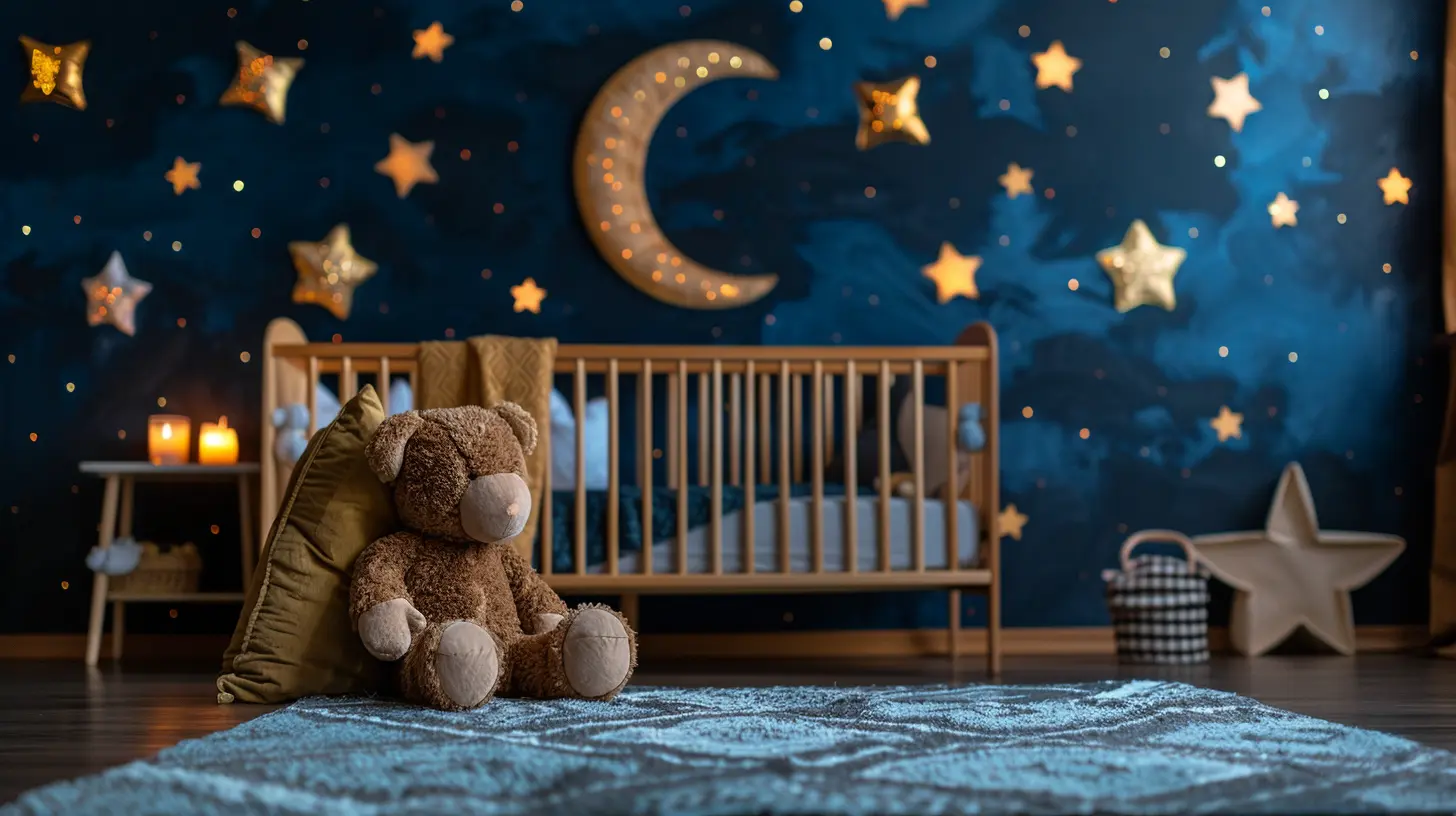
Why Does a Sleep Environment Even Matter?
Imagine trying to fall asleep in a nightclub. Flashing lights, loud noises, random people talking—it's chaos! Now, imagine drifting off in a quiet, cozy room with soft lighting and a comfy blanket. Sounds delightful, right?Babies are just like us—they sleep better in an environment that promotes relaxation. A poorly set-up sleep space can make it harder for your baby to settle down, wake up more often, and, worst of all, make you sleep-deprived and grumpy.
A proper sleep environment helps signal to your baby’s brain that it's time to shut down for the night (or a nap, if you're lucky). So, let's fine-tune their little sleep sanctuary.
The Must-Haves for a Baby-Friendly Sleep Environment
1. A Dark Room: Because Babies Aren’t Afraid of the Dark
For some reason, new parents love nightlights. Maybe it makes us feel better knowing we won’t trip on a rogue toy in the middle of the night. But guess what? Babies don’t have a deep-rooted fear of the dark (yet).Darkness is a sleep trigger because it tells the brain to release melatonin—the magic sleep hormone. Even the tiniest bit of light can throw things off, so blackout curtains are your new best friend. No need to spend a fortune; a cheap blackout curtain or even some aluminum foil over the windows will do the trick. (Yes, it might look like you're hiding from the FBI, but desperate times call for desperate measures.)
2. A White Noise Machine: Drown Out the Symphony of Life
You know what doesn’t care that your baby is finally asleep? The neighbor’s dog, passing sirens, your spouse’s late-night snack cravings—basically, the entire world.White noise can help drown out all those little disturbances and create a womb-like atmosphere, which is basically baby paradise. If you don’t want to invest in a fancy white noise machine, a simple fan or even a white noise app can do the trick.
Just make sure it’s not blaring like a rock concert—think gentle ocean waves, not a freight train.
3. A Comfortable Temperature: Not a Sauna, Not a Freezer
You're probably bundled up tighter than a burrito at night, but your baby? They prefer it on the cooler side. Overheating is a no-go (plus, it increases the risk of SIDS).The ideal room temperature for baby sleep is between 68–72°F (20–22°C). If your nursery feels like the Sahara or an igloo, adjust accordingly. A simple onesie or a sleep sack should do the trick—no need for blankets, which can be a safety hazard.
4. A Safe, Bare Crib: Minimalism for the Win
We know those Pinterest-worthy cribs filled with stuffed animals, fluffy blankets, and decorative pillows look cute. But in reality? They’re a total no-no.Your baby’s crib should be as empty as your fridge the day before grocery shopping. That means:
✅ A firm mattress
✅ A fitted sheet
🚫 No bumpers, pillows, or plush toys
Why? Because safety always comes first. Plus, babies don’t need all the extras—just a cozy, simple setup.
5. Consistent Sleep Cues: Routine is Your Best Friend
Ever noticed how your body automatically winds down when you put on pajamas or dim the lights? That’s because routines work.A bedtime routine signals to your baby that sleepy time is near. It can include:
✔ A warm bath
✔ A gentle massage
✔ A bedtime story or lullaby
✔ Dimming the lights
If you do the same things every night, your baby will eventually recognize the pattern and start getting drowsy before they even hit the crib. (Cue happy dance!)
Common Mistakes Parents Make with the Sleep Environment
Even with the best intentions, parents sometimes unintentionally sabotage their baby's sleep setup. Here are some common mistakes to avoid:❌ Too Much Light at Night
Yes, a dim nightlight is fine if you need to see for diaper changes. But bright lights (including blue light from screens) can mess with melatonin production. Keep it low and warm-toned if necessary.❌ Letting the Room Be Too Quiet
It’s tempting to tiptoe around like a ninja when your baby is asleep, but total silence isn’t great either. A sudden noise in an ultra-silent room can be startling. Gentle white noise helps with this!❌ Inconsistent Sleep Spaces
Babies thrive on consistency. If they nap in the living room, sleep in your bed one night, and a crib the next, they won't know where they’re actually supposed to sleep. Stick to a dedicated sleep space as much as possible.❌ Keeping Baby Too Warm
Sweaty babies are cranky babies. If you're dressing your little one like they’re heading to an arctic expedition, dial it back. A good rule of thumb? One layer more than what you’re wearing is enough.
The Magic of a Good Sleep Environment: A Real Game-Changer
Once you set up the right sleep environment, you'll notice a difference. Your baby will find it easier to self-soothe, sleep longer stretches, and wake up happier. (Which means you wake up happier too.)Does this mean sleep training will instantly become a piece of cake? Not exactly. But think of a solid sleep environment as giving yourself a big head start. If your baby knows what to expect and their surroundings support deep sleep, the process will go a heck of a lot smoother.
At the end of the day, sleep training is about consistency and comfort. Your baby’s sleep space should be like their personal little sleep haven—a place that signals, “Hey, it’s time to rest now.”
And when that happens? Well, you might actually get some sleep too. Imagine that.
Final Thoughts
Creating the perfect sleep environment for your baby doesn’t have to be complicated or expensive. With a dark, quiet, cool, and safe space, you're already halfway to victory.So, embrace those blackout curtains, crank up the white noise, and simplify that crib setup! Your future well-rested self will thank you.
And who knows? Maybe, just maybe, you'll get to enjoy a full night’s sleep sometime in the next decade.
Sweet dreams, fellow exhausted parent. You got this!
all images in this post were generated using AI tools
Category:
Sleep TrainingAuthor:

Maya Underwood
Discussion
rate this article
2 comments
Raina Brooks
Creating a serene sleep environment can transform your baby's sleep journey. Embrace the power of a cozy, calm space—every little change can lead to peaceful nights and happier days. You're doing amazing; keep nurturing those sweet dreams!
January 15, 2026 at 4:49 PM
Maya Underwood
Thank you! A serene sleep environment truly makes a difference in a baby’s sleep journey. Every small adjustment can foster better sleep for both baby and parents.
Peregrine McKee
In the cradle of night, where dreams take flight, A sanctuary blooms, soft whispers ignite. In shadows of comfort, the gentle sway, Craft a haven of peace, where sleep softly lays. Nurture the stillness, let sweet slumber stay.
December 18, 2025 at 5:44 AM
Maya Underwood
Thank you for beautifully capturing the essence of a peaceful sleep environment! Your poetic imagery perfectly highlights the importance of creating a calming space for restful sleep in babies.