The Role of Chores in Creating a Sense of Belonging for Kids
18 May 2026
Let’s face it—chores don’t exactly scream “fun,” right? Most of us associate them with groans, eye-rolls, and the classic “Do I have to?” from our little ones. But what if we told you that chores are more than just a way to keep the house from descending into chaos? Yep, there’s actually something pretty magical about giving kids age-appropriate responsibilities.
Chores aren’t just about scrubbing toilets or folding laundry. They help our kids feel useful, needed, and—here’s the biggie—like they belong. That’s right, chores can be the secret sauce to creating a sense of belonging in your kiddos (and a cleaner house, too—bonus!).
In this article, we’re diving deep into this often overlooked parenting gem and breaking down how a few daily tasks can build confidence, connection, and community right inside your home.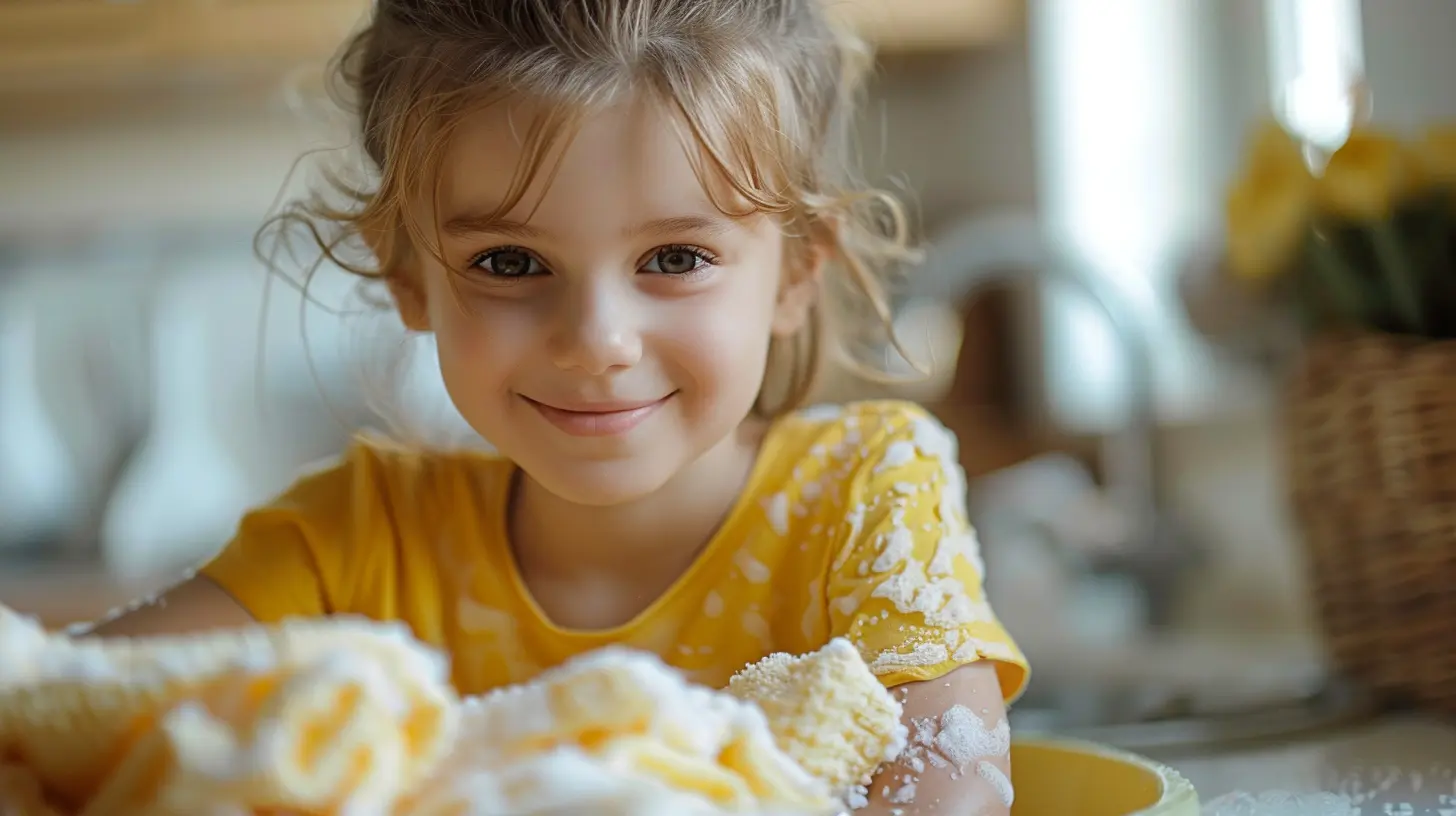
Why Belonging Even Matters
Let’s start with the big picture. Every child craves a sense of belonging. It’s a core human need, just like food and sleep. When kids feel like they belong, they’re more likely to thrive emotionally, socially, and even academically. They behave better, feel safer, and struggle less with anxiety. Pretty powerful, right?Think of your family as a little tribe. Tribes thrive when everyone plays a part. If your kid is just a spectator while you juggle dinner, dishes, and vacuuming like a circus act, it sends a subtle message: “You’re not needed here.”
On the flip side, when they get involved—setting the table, feeding the dog, or putting their laundry away—they get the message loud and clear: “You matter. You’re an important part of this family.”
Chores = Purpose + Participation
Imagine you were stuck in a team project at work (ugh), and no one asked for your input. You’d check out, right? The same thing goes with kids. When we invite them into daily tasks (even the boring ones), we’re saying, “You’re on the team.” And that sense of purpose is gold.Even small chores send a big message. You’re trusted. You’re capable. You belong.
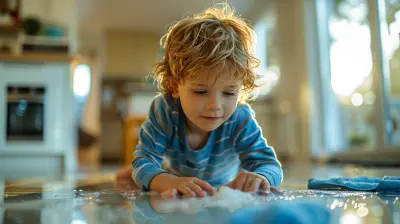
It’s not about perfection, by the way. Your five-year-old’s attempt at wiping the counter might look more like finger painting—but the point isn’t precision. It’s participation.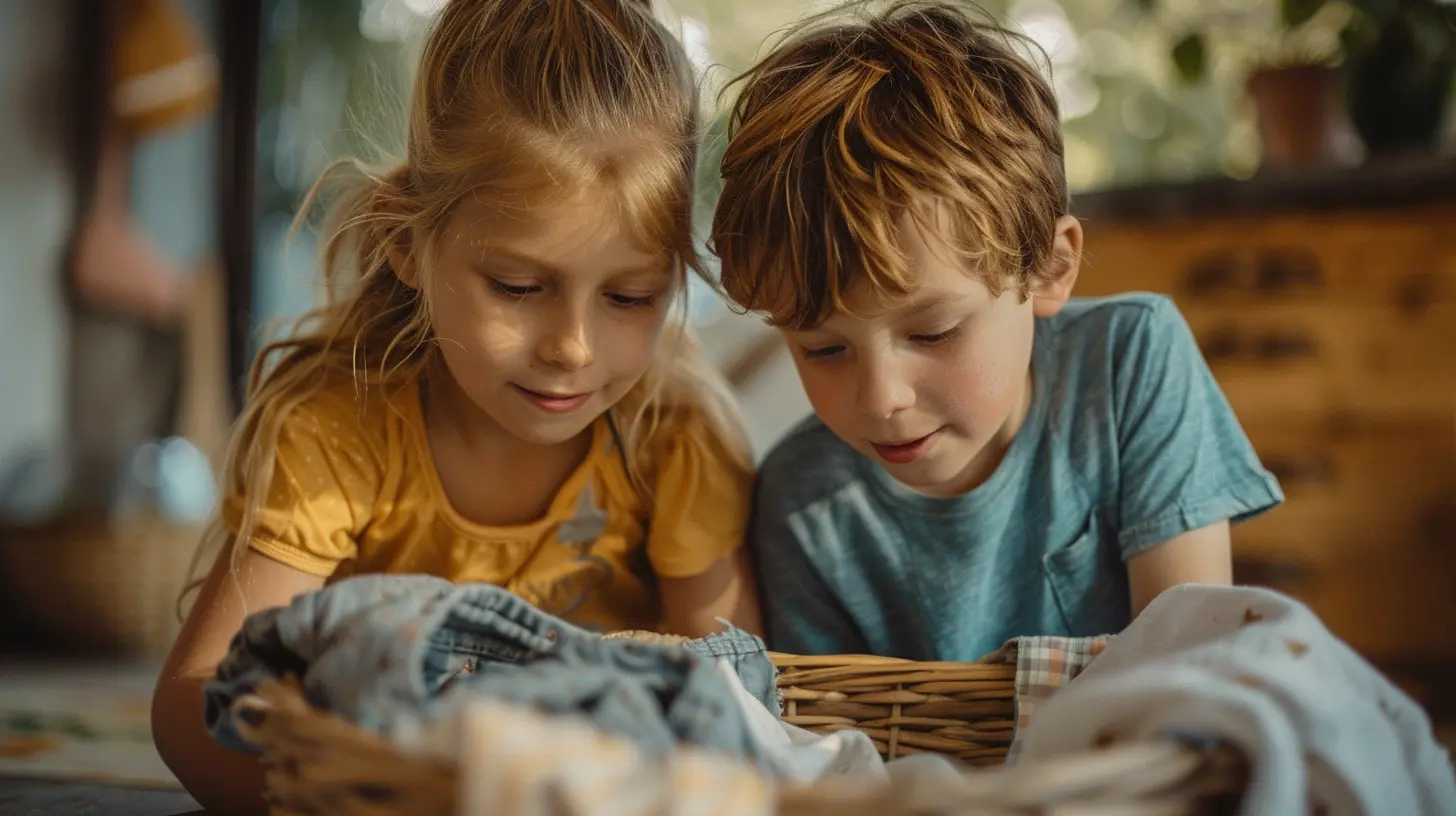
Age-Appropriate Chores: Where to Begin?
Not sure what your mini-human is capable of? Don’t worry; we’ve got you. Here’s a quick cheat sheet, but remember every kid is different, and it’s all about making it fun (or, you know, at least tolerable).Ages 2–4:
- Put toys in a bin- Wipe up spills (hello, toddler tornadoes!)
- Feed pets with supervision
- Help set napkins on the table
Ages 5–7:
- Make their bed (no judgment if it looks more like a storm than a bed)- Fold simple laundry like washcloths or PJs
- Water plants
- Clear their own dish after meals
Ages 8–10:
- Take out the trash- Vacuum small areas
- Pack their own school lunch
- Help cook basic meals (can you say “pasta night”?)
Tweens and Teens:
- Do laundry from start to finish (yes, even the folding)- Mow the lawn
- Babysit younger siblings
- Plan and cook a full meal (they might even impress you!)

Chores Build Confidence (and Character!)
Want to boost your child’s self-esteem without the awkward motivational speeches? Hand them a dish towel.Seriously—chores give kids real-world skills and a chance to succeed in small but meaningful ways. Each time they finish a task and get some well-earned praise (even a simple “Hey, nice job!”), it reinforces the idea that they’re capable.
Sure, it’s tempting to re-do the bed they made or re-stack the dishwasher. But resist the urge! Let them own their work. The confidence they gain is worth way more than perfect pillow placement.
Connection Happens in the Doing
One of the sweetest (and most surprising) gifts of chores? Connection.Folding laundry together, washing dishes side-by-side, or cooking a meal together—these moments invite conversation. They slow us down. And in this busy world, those tiny pockets of togetherness are priceless.
Don’t be shocked if your child randomly opens up about school or friendships while peeling carrots. Tasks can feel less intimidating than eye-to-eye chats. Suddenly, you’re not just getting things done—you’re building trust.
Teamwork Makes the Dream Work
Chores teach kids that life isn’t a one-person show. It’s a group effort.When everyone chips in, your home becomes a team environment. There's less “Why do I have to do everything?!” and more “Let’s tackle this together.” (Okay, maybe that’s the dream scenario—but you get the point!)
This shared workload builds empathy too. Kids start to understand what it takes to keep the wheels turning. They see that mom or dad isn’t just "the snack person" or "the laundry fairy"—you’re a human, too.
The Right Way to Introduce Chores (Without a Meltdown)
We won't sugarcoat it—introducing chores isn’t always smooth sailing. Resistance is normal. But with a little strategy (and maybe a reward chart or two), you’ll have them on board in no time.1. Start Early
Little kids love helping! It might be slower and messier, but if you build the habit young, it becomes a normal part of life.2. Make it Routine
Kids thrive on structure. Tie chores to specific times—like “Before we leave for school, the toys get put away.”3. Offer Choices
No one likes being bossed around. Give options: “Do you want to fold towels or sweep the kitchen?” It gives them a sense of control.4. Celebrate Wins
Cheer them on! A little encouragement goes a long way. And if chore charts and stickers help? Go for it.5. Be Patient
It's not about perfection. It's about progress. Celebrate the effort more than the outcome.Chores and the Bigger Picture: Raising Responsible, Caring Humans
We’re not just raising kids—we’re raising future adults. And we want them to be capable, kind, and responsible, right?Chores may seem small, but they’re laying the groundwork for big life lessons. Responsibility. Work ethic. Respect for shared spaces. Awareness of other people’s needs.
And here’s the real magic: when kids feel like they’re contributing to the family, they grow up knowing they can contribute to the world.
Boom. That’s parenting gold.
Real Talk: Will They Complain? Yep.
Let’s be real—there will be whining. There will be resistance. Some days, it might feel easier to just do it all yourself.But hang in there. You’re not just assigning tasks—you’re building a foundation. One plate dried, one floor swept, one lunch packed at a time.
It’s worth it. Promise.
Little Steps, Big Impact
If the idea of turning your house into a well-oiled chore machine is overwhelming, take a breath. You don’t have to go full “Super Nanny” overnight.Start small. Choose one or two manageable tasks for each kid. Make it a habit. Build from there.
Think of chores as moments, not just markers on a to-do list. Each one is an opportunity to teach, connect, and build a real sense of family unity.
Wrapping It Up: Chores Aren’t Just Chores
They’re belonging in disguise.When you bring your kids into the daily grind of running a home, you’re not burdening them—you’re empowering them. You’re showing them that they matter, that they make a difference, and that they’re truly part of something bigger.
So hand them the broom. Pass them the sponge. Invite them into the hard stuff. Because in doing so, you’re giving them something far more valuable than a clean kitchen—you’re giving them a place to belong.
And that? That’s the kind of mess worth making.
all images in this post were generated using AI tools
Category:
Kids And ChoresAuthor:

Maya Underwood
Discussion
rate this article
2 comments
Candace McKinstry
Chores teach kids responsibility and teamwork, but they also show that every family member contributes. It's about belonging, not just cleaning.
September 12, 2026 at 3:38 PM
Maya Underwood
I completely agree. Chores build a sense of responsibility and help kids see their value in the family. It's a great way to foster connection and make everyone feel included.
Lindsey Peterson
Chores can significantly enhance a child's sense of belonging by fostering responsibility and teamwork. When kids participate in household tasks, they contribute to the family unit, cultivating a shared identity. This involvement not only builds skills but also reinforces their value within the home, promoting connection and emotional security.
May 20, 2026 at 2:41 AM
Maya Underwood
Absolutely. Chores teach kids valuable skills and strengthen their bond with the family, making them feel important and connected.