The Power of Play in Emotional Healing for Kids
19 November 2026
Introduction
Play is often perceived as a mere pastime for children. However, beneath the surface of games, laughter, and creative expression lies a powerful tool for emotional healing. The act of playing can aid children in processing complex feelings, building resilience, and fostering social skills. In this article, we will delve into the various dimensions of play, its therapeutic benefits, and how caregivers can harness its power for emotional healing.
Understanding Play and Its Importance
What is Play?
Play encompasses a range of activities that are enjoyable and voluntary. It can be physical, imaginative, social, or even solitary. The essence of play is that it is intrinsically motivated, allowing children to engage in activities that feel rewarding and fulfilling.The Role of Play in Child Development
Play is crucial for healthy development. It fosters cognitive, physical, social, and emotional growth. Through play, children develop critical thinking skills, creativity, and emotional intelligence. It also serves as a natural outlet for stress and anxiety, providing a safe space to express and explore feelings.
The Therapeutic Benefits of Play
Emotional Expression
Children often lack the vocabulary to articulate their emotions. Play provides a medium for them to express feelings they cannot verbalize. For instance, a child reenacting a hospital scene with toys may be grappling with fears associated with illness or medical visits. This imaginative play allows them to confront and process these fears in a controlled environment.Building Resilience
Play encourages problem-solving and adaptability. When children engage in games, they encounter challenges and learn to cope with setbacks. For example, in a cooperative game, they might face losing a round. This experience teaches them about resilience, teamwork, and the importance of perseverance.Enhancing Social Skills
Through play, children learn to navigate social interactions. They practice sharing, taking turns, and negotiating rules. These skills are crucial for emotional health as they contribute to building friendships and fostering a sense of belonging. A child who plays well with others is more likely to develop strong social bonds, reducing feelings of isolation.Reducing Anxiety and Stress
Play can be a powerful antidote to anxiety. Engaging in playful activities allows children to shift their focus away from stressors. For example, a child who feels overwhelmed by school pressures might find relief through creative play. This escape can lead to improved mood and emotional regulation.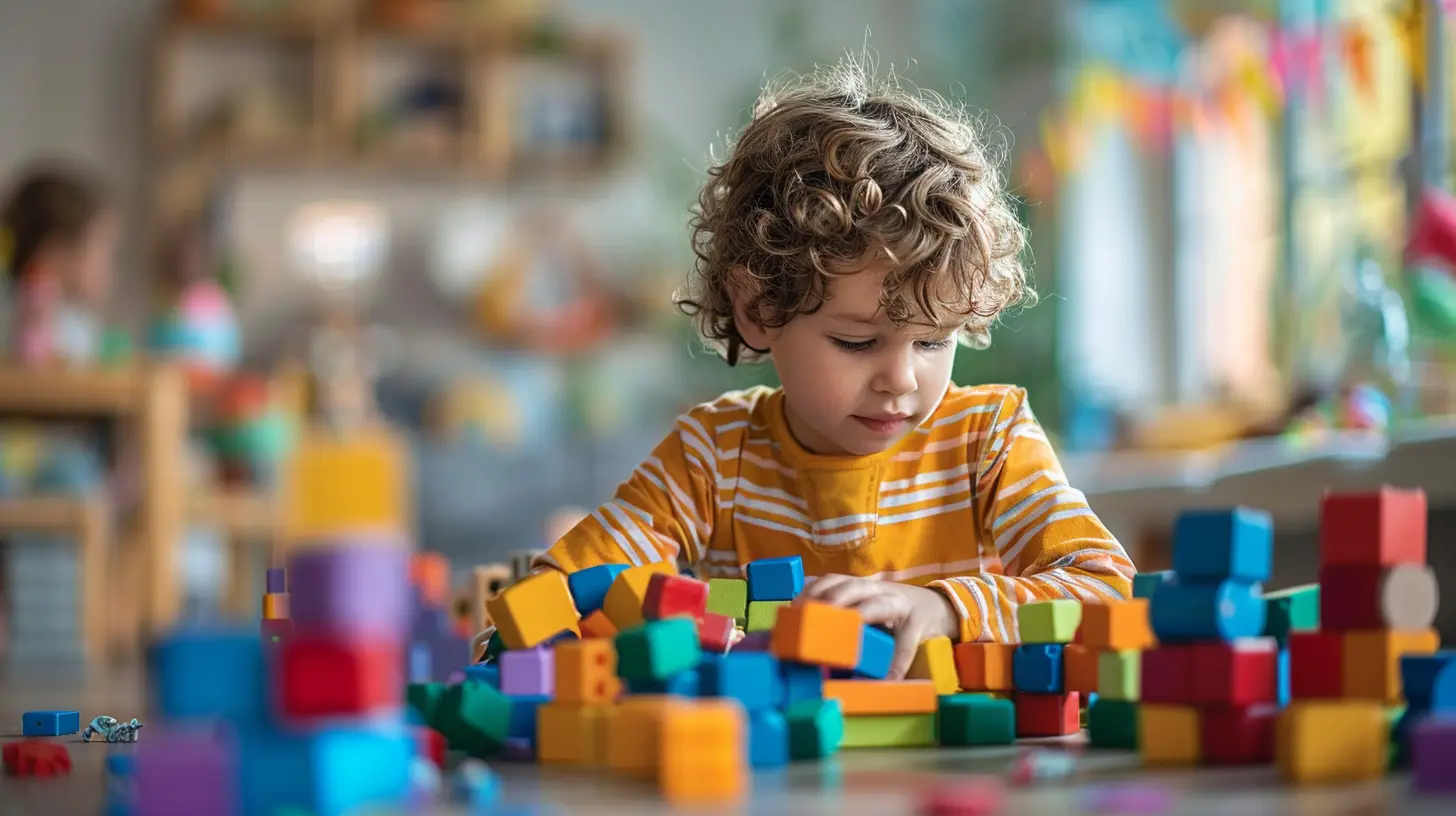
Practical Strategies for Caregivers
Creating a Play-Friendly Environment
To harness the healing power of play, caregivers should create an environment that encourages play. This means providing safe and accessible spaces where children can freely explore and be imaginative. Here are some specific strategies:1. Designate Play Areas: Create spaces in your home or yard where children can play without restrictions. Outdoor areas for physical play and indoor nooks for creative activities can stimulate different types of play.
2. Provide Diverse Play Materials: Stock up on a variety of toys and materials. Art supplies, building blocks, and role-play costumes can cater to different interests and encourage creativity.
3. Limit Screen Time: While technology can offer educational games, it is essential to balance screen time with physical and imaginative play. Encourage outdoor activities and interactive play with peers.
Engaging in Play Together
Caregivers can enhance the healing power of play by actively participating. Joint play experiences strengthen bonds and provide opportunities for deeper emotional connections. Here are some ways to engage:1. Participate in Imaginative Play: Join your child in their imaginative scenarios. This not only validates their feelings but also opens up pathways for communication.
2. Play Cooperative Games: Choose games that require teamwork and collaboration. This teaches children about shared goals and the value of working together.
3. Encourage Expressive Play: Activities like storytelling, puppet shows, or art projects can provide children with outlets for their emotions. Offer guidance but allow them to lead the process.
Recognizing Signs That Play is Needed
Understanding when a child needs more playtime is crucial. Signs that a child may benefit from additional play include:- Increased irritability or mood swings
- Withdrawal from social interactions
- Difficulty concentrating or increased anxiety
- Behavioral changes, such as aggression or regression in skills
When these signs appear, caregivers should prioritize play as a means to reconnect and support emotional well-being.
Addressing Common Misconceptions
Play is Just for Fun
One prevalent misconception is that play serves no purpose beyond entertainment. In reality, play is an essential part of emotional healing. It allows children to process experiences, express emotions, and learn coping skills. Dismissing play as frivolous undermines its value.Only Structured Activities Matter
Many believe that only structured activities, like sports or organized games, contribute to development. However, unstructured play is equally vital. It encourages creativity, spontaneity, and self-directed exploration. Balance between structured and unstructured play leads to the best outcomes.Play is Only for Young Children
Some assume that play is only beneficial for younger children. In truth, play is a lifelong activity that can aid emotional healing at any age. Even adolescents and adults can benefit from playful activities, whether through sports, games, or creative pursuits.
Real-World Examples of Play in Healing
Play Therapy
Play therapy is a structured method that employs play to help children express feelings and resolve issues. In a therapeutic setting, a trained therapist uses toys and games to facilitate communication. This method has proven effective for children dealing with trauma, grief, or behavioral challenges. It illustrates how guided play can lead to significant emotional healing.Case Studies
1. Children Facing Trauma: Consider a child who has experienced a family loss. Through play, they enact scenarios that reflect their feelings. A therapist might provide dolls or action figures to represent family members, allowing the child to express their grief in a tangible way. This can help them process their emotions and understand their experience.2. Building Social Skills: A child struggling with social interaction may participate in group play therapy. By engaging with peers in a structured play setting, they can practice communication skills and learn to navigate social cues, ultimately fostering confidence and reducing anxiety in social situations.
Best Practices for Encouraging Play
Promote Autonomy
Allow children to choose their play activities. This autonomy fosters a sense of control and encourages them to engage more deeply. Providing options and letting them decide can lead to more meaningful play experiences.Set Aside Time for Play
In today's fast-paced world, it can be easy to overlook the importance of playtime. Schedule regular periods dedicated to play, ensuring that children have the opportunity to engage without distractions. This commitment signals to children that play is valued.Be Mindful of Your Own Attitude
Your attitude towards play can influence your child's engagement. If you approach play with enthusiasm, your child is likely to mirror that energy. Demonstrating that play is enjoyable and worthwhile encourages children to embrace it fully.
Conclusion
The power of play in emotional healing for kids cannot be overstated. It serves as a vital tool for expression, resilience, and social skill development. By creating a supportive environment for play, engaging actively with children, and recognizing the signs that play is needed, caregivers can facilitate emotional healing effectively. As we embrace the importance of play, we empower children to navigate their emotional landscapes with confidence and creativity.
all images in this post were generated using AI tools
Category:
Parenting And EmotionsAuthor:

Maya Underwood