The Power of Music and Movement in Preschool Learning
16 July 2026
When we think about preschool learning, our minds often jump to alphabet songs, finger painting, or counting games. But have you ever stopped to think about how much impact music and movement have on young children? Music and movement aren’t just fun and games—they’re essential tools that support a child’s cognitive, social, emotional, and physical development. The results are pretty astonishing (and adorable, too). Let’s dive into why music and movement are more than just entertainment—they’re powerful learning tools.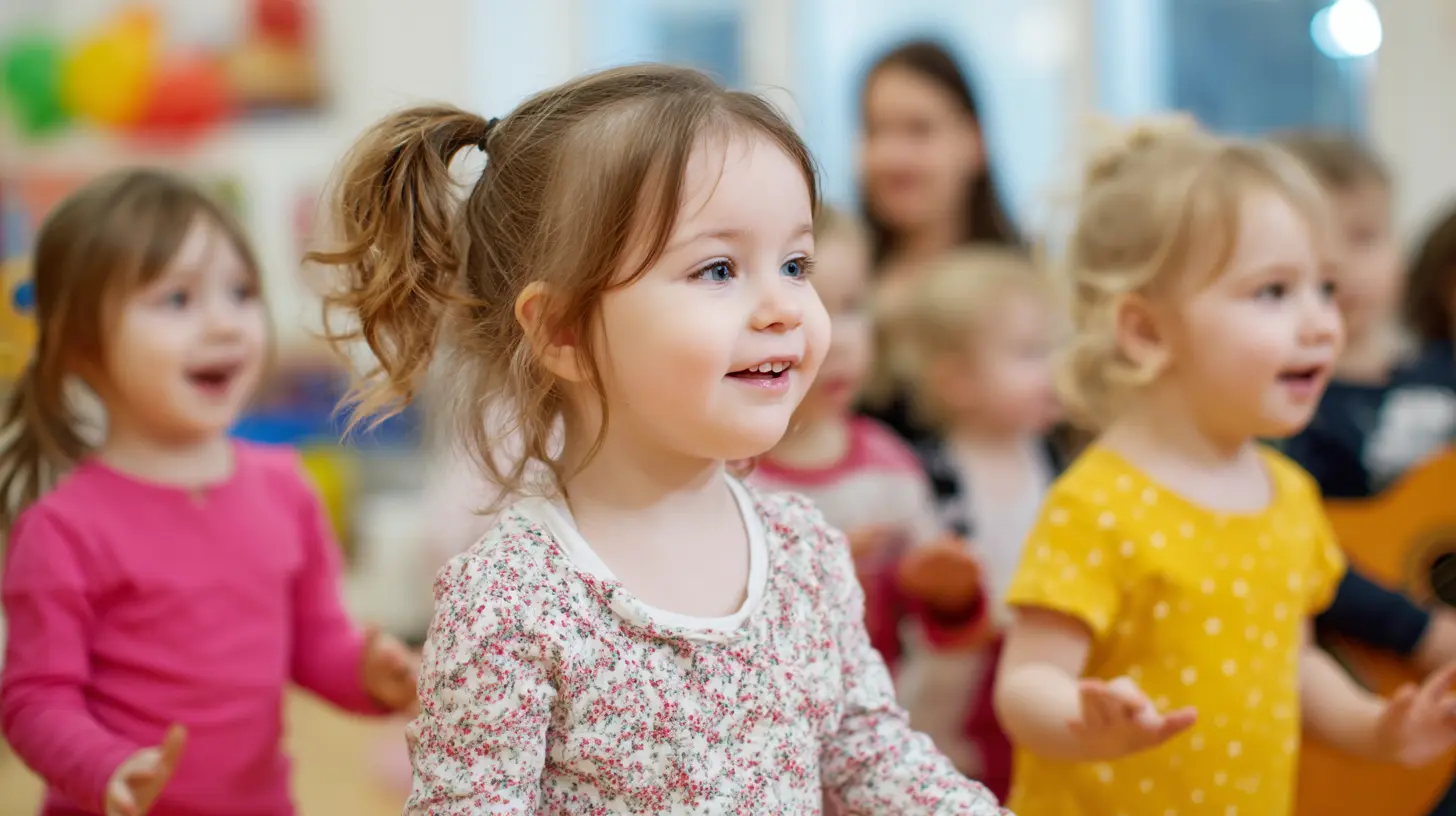
Why Music and Movement Matter in Early Childhood
Music and movement are more than background noise or silly dance moments. They’re vehicles for learning that shape how young kids make sense of the world. Think about it: a child doesn’t need to know the words to enjoy a lullaby or a beat to bounce around to a rhythm. Music connects to something innate, and movement follows naturally. Together, they create a dynamic duo that helps children learn without even realizing it.When kids hear a tune, their brains light up in ways that stimulate language, memory, and even math skills. Meanwhile, movement channels all that built-up energy into something productive while aiding physical development. It’s a win-win!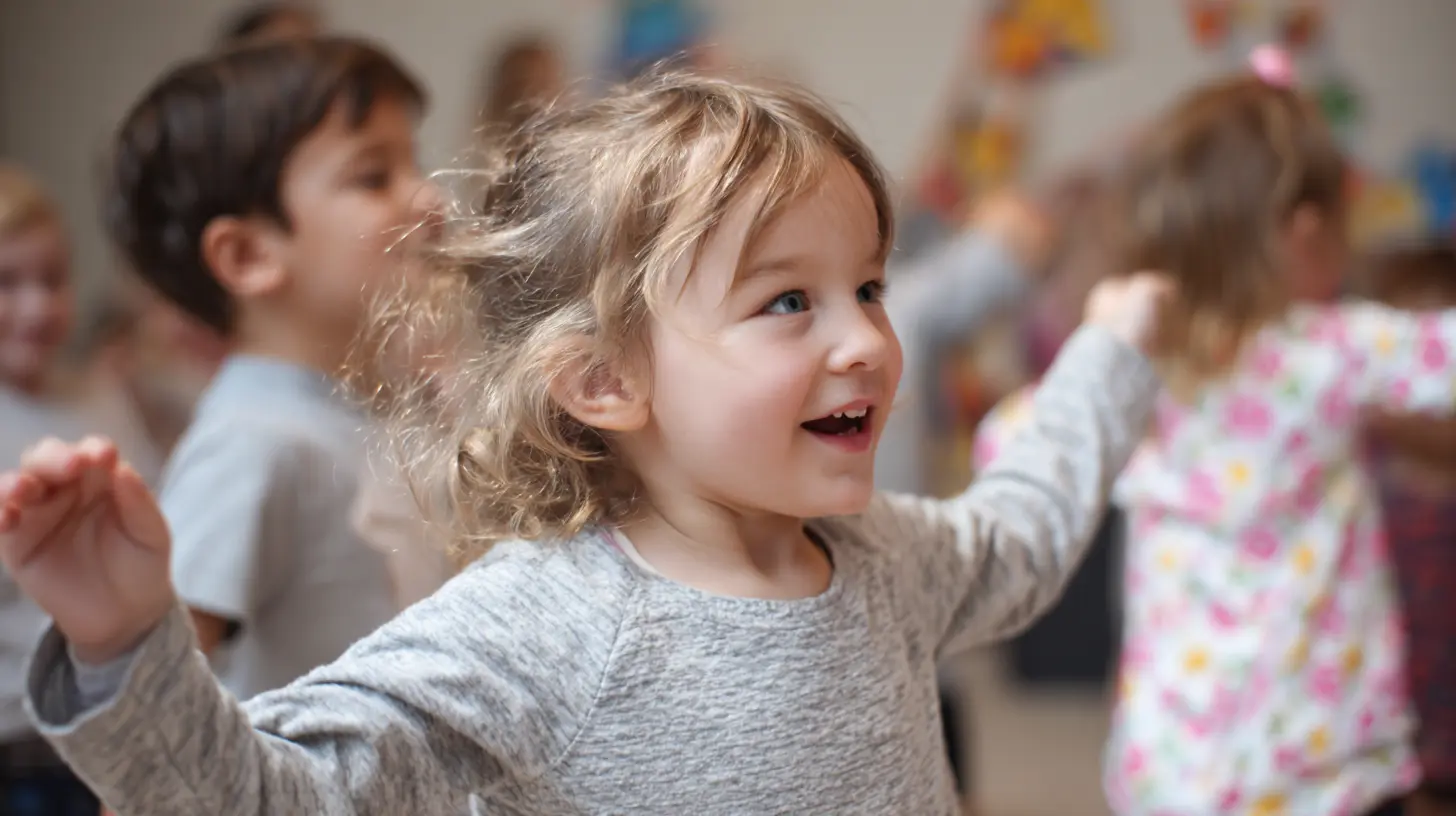
Cognitive Benefits of Music and Movement
Enhances Language Development
Have you noticed how easily kids can remember the lyrics to a song but struggle to recall something you literally just told them? There’s something magical about rhythm and rhyme that sticks. Songs reinforce vocabulary by exposing kids to new words and phrases in a fun, less structured way. Think of nursery rhymes and songs like "The Wheels on the Bus"—they teach repetition, sequencing, and even grammar in a sneaky, playful format.Plus, when kids move along to the music—clapping to the beat or acting out lyrics—it reinforces the meaning of words through action. This multi-sensory approach helps them retain information better.
Supports Early Math Skills
Patterns, rhythm, and timing aren’t just critical in music—they're the foundation of basic math skills. Counting beats, clapping to a rhythm, or learning musical sequences taps into a child’s ability to recognize patterns and numbers. You know those hand-clapping games kids love? Turns out they’re mini math lessons in disguise.Boosts Memory and Focus
Songs and movement activities require children to remember sequences, lyrics, or steps, which gives their memory a workout. Whether it's repeating the chorus of a song or following instructions during a game like Simon Says, kids learn to concentrate and focus on the task at hand.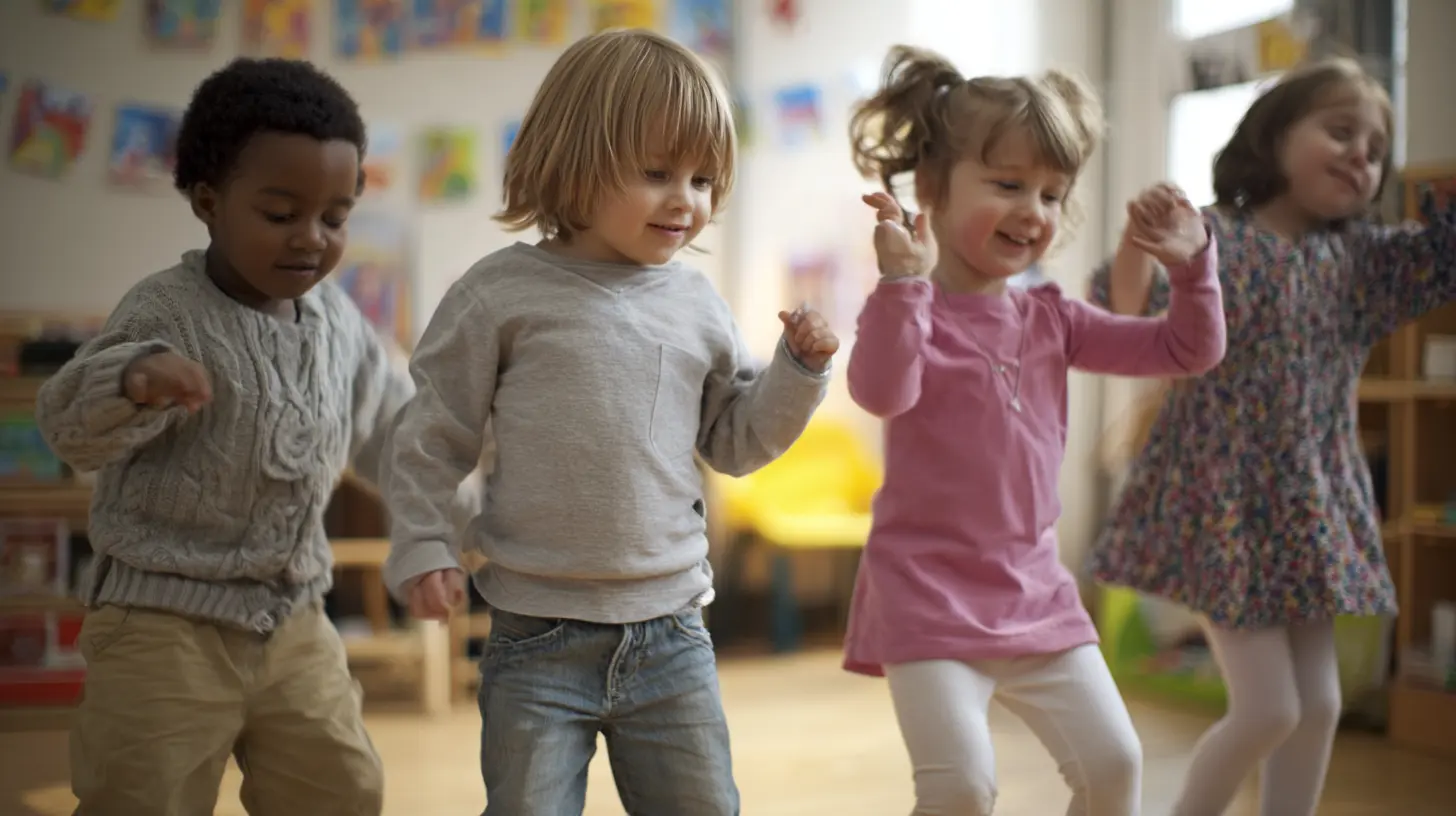
Emotional and Social Development Through Music
Builds Emotional Connection
Music has this unexplainable ability to tap into emotions, doesn’t it? For preschoolers, it’s a way to express how they’re feeling, even before they have the words to explain it. A slow, soothing melody can calm a child who’s upset, while an upbeat song can lift their spirits.Preschool music classes often involve singing together or group dancing, which promotes a sense of belonging. It's not just about learning a song; it's about the connection kids feel when they sing it together.
Encourages Teamwork and Sharing
Have you ever seen a group of kids passing around musical instruments or dancing in a circle? These activities teach cooperation and sharing. They also help kids understand social cues, like waiting their turn in a group song or clapping for someone else during a solo performance.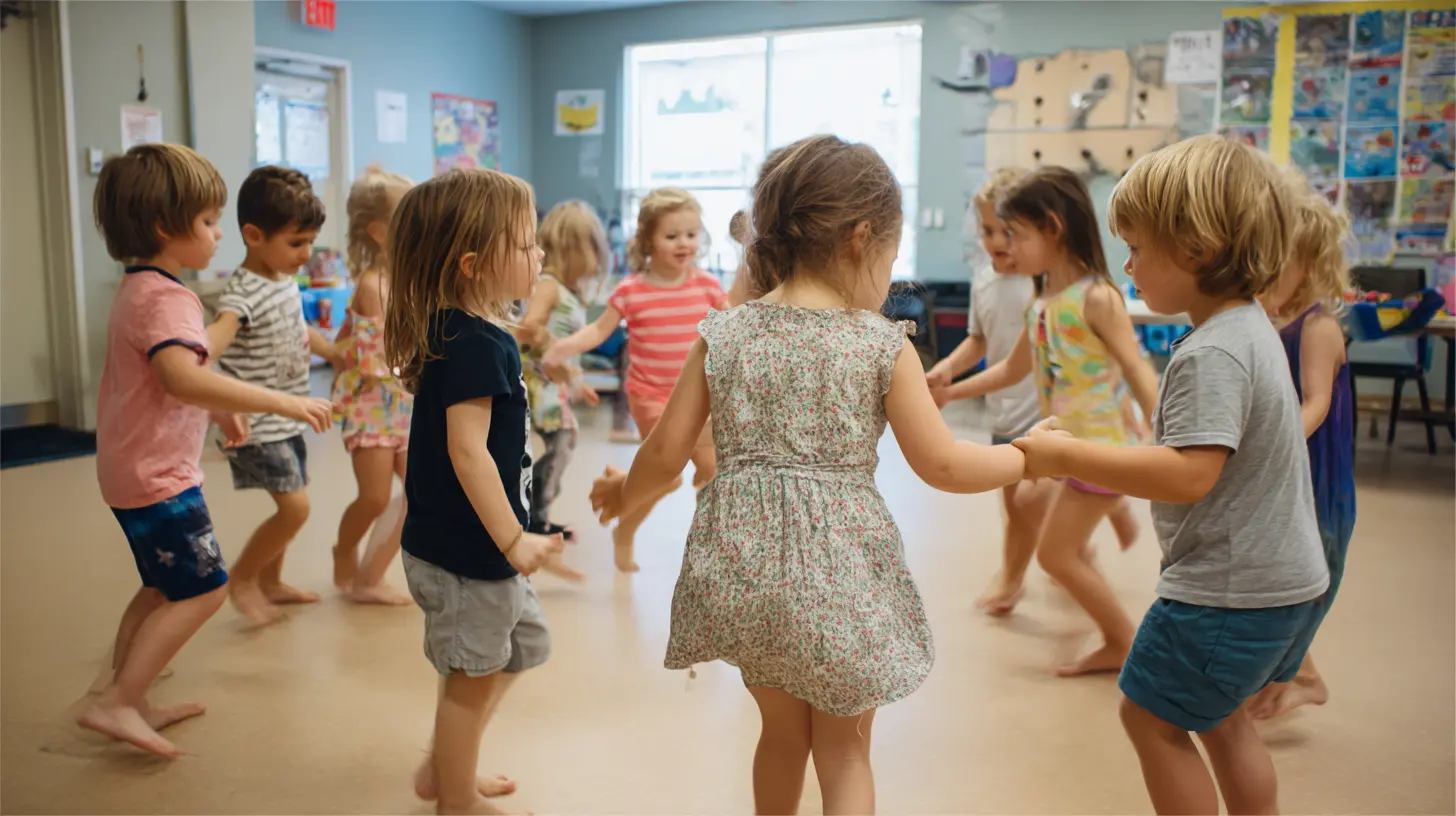
Physical Benefits of Movement in Preschool Learning
Fine and Gross Motor Skills
When kids pick up maracas or tambourines and shake them to the beat, they’re developing fine motor skills. On the other hand, gross motor skills come into play when they’re twirling, hopping, or marching around the classroom. Dance and movement activities encourage physical coordination while also building muscle strength.Supports Health and Fitness
Let’s be honest—preschoolers are little balls of energy. Channeling that energy into movement activities keeps them active and engaged. They don’t think of it as "exercise," but dancing to a song or playing a game like "Freeze Dance" gets their hearts pumping while improving balance and flexibility.How to Incorporate Music and Movement at Home
Parents, the best part is that you don’t need to be a professional musician or dancer to bring the magic of music and movement into your home. You just need enthusiasm and a few ideas!Create a Musical Environment
Start by introducing music into your child’s daily routine. Play songs during breakfast, car rides, or bath time. Don’t just stick to kiddie tunes—classical music, jazz, or even your favorite pop songs can work wonders.Turn Everyday Tasks into Songs
Having trouble getting your child to clean up or put on their shoes? Make a song out of it! Something as simple as "This is the way we pick up toys" (to the tune of "Here We Go Round the Mulberry Bush") can make a mundane task feel like a game.Dance It Out
Dancing is a fantastic way to release pent-up energy and bond with your child. Throw on a song and let them freestyle, or teach them simple moves like twirls or claps.Introduce Instruments
You don’t need anything fancy—pots and wooden spoons can be a drum set! Let your child explore making sounds with household items or invest in simple instruments like a kazoo or mini keyboard.Ideas for Teachers: Music and Movement in the Classroom
Preschool teachers are already pros at sneaking learning into play. Here are a few activity ideas to enhance any curriculum:- Music Storytime: Pair a story with sound effects or ask kids to clap whenever a specific word is mentioned.
- Freeze Dance: Play some music, let kids dance, and have them “freeze” when the music stops.
- Rhythm Games: Use clapping or tapping sticks to teach rhythm patterns.
- Movement Songs: Think "Head, Shoulders, Knees, and Toes" or "If You’re Happy and You Know It." These classics get kids moving while reinforcing body part names and actions.
Overcoming Screen Time with Music and Movement
With so much emphasis on screen-based learning, music and movement offer a much-needed break for kids to engage with the world around them. It’s easy to default to an iPad for entertainment, but a quick dance party or sing-along is not only healthier—it’s way more fun.And don’t underestimate the bonding moments! Sharing a silly dance with your child or clapping along to their favorite tune creates memories that last far longer than any screen time ever could.
The Bottom Line
Music and movement aren’t just fun add-ons to a preschooler’s day—they’re fundamental to their development. From improving cognitive skills like language and math to helping with emotional expression and social interaction, these activities are as valuable as they are enjoyable. Whether you’re a parent or teacher, incorporating music and movement into a child’s daily routine can spark joy and set the stage for lifelong learning.Who knew that a simple song and a wiggly dance could do so much?
all images in this post were generated using AI tools
Category:
Parenting PreschoolAuthor:

Maya Underwood
Discussion
rate this article
1 comments
Elora Becker
Music and movement truly enrich early learning experiences for young children.
July 23, 2026 at 4:01 AM
Maya Underwood
I completely agree! Music and movement are vital for young children's development and make learning fun and engaging.