The Future of School Lunches: What Kids Will Be Eating by 2027
17 April 2026
Remember the classic cafeteria tray? The one with the compartment for the slightly soggy pizza, the bruised apple, and the little carton of milk? Yeah, that image is about to get a serious upgrade. In fact, by 2027, the school lunch line is poised to look less like an assembly line and more like a vibrant, high-tech food hall that just happens to be educational. We’re standing at the brink of a massive shift—a perfect storm of technology, nutrition science, and student voice that’s about to rewrite the rules of what our kids eat at school. So, what’s on the menu for the future? Let’s pull up a chair and dig in.

Beyond the Tater Tot: The Drivers of Change
First, let’s talk about why this change is inevitable. It’s not just about trends; it’s about powerful forces converging.The Health Imperative: We can’t ignore the stats. Childhood nutrition is directly linked to academic performance, behavior, and long-term health outcomes. Schools are finally being seen as frontline defenders in the battle for our kids' well-being. By 2027, the lunchroom will be viewed as an extension of the classroom—a place where healthy habits are literally served up daily.
The Tech Revolution: Imagine a kitchen where AI helps plan menus to reduce waste, or an app that lets a student with allergies pre-order a safe, delicious meal. This isn’t sci-fi; it’s the near future. Technology will personalize, streamline, and educate in ways we’re just beginning to grasp.
The Student as Consumer: Today’s kids are food-savvy. They watch cooking shows, they care about sustainability, and they have opinions (strong ones!). The old model of “take it or leave it” is crumbling. Future success hinges on engagement, choice, and co-creation.
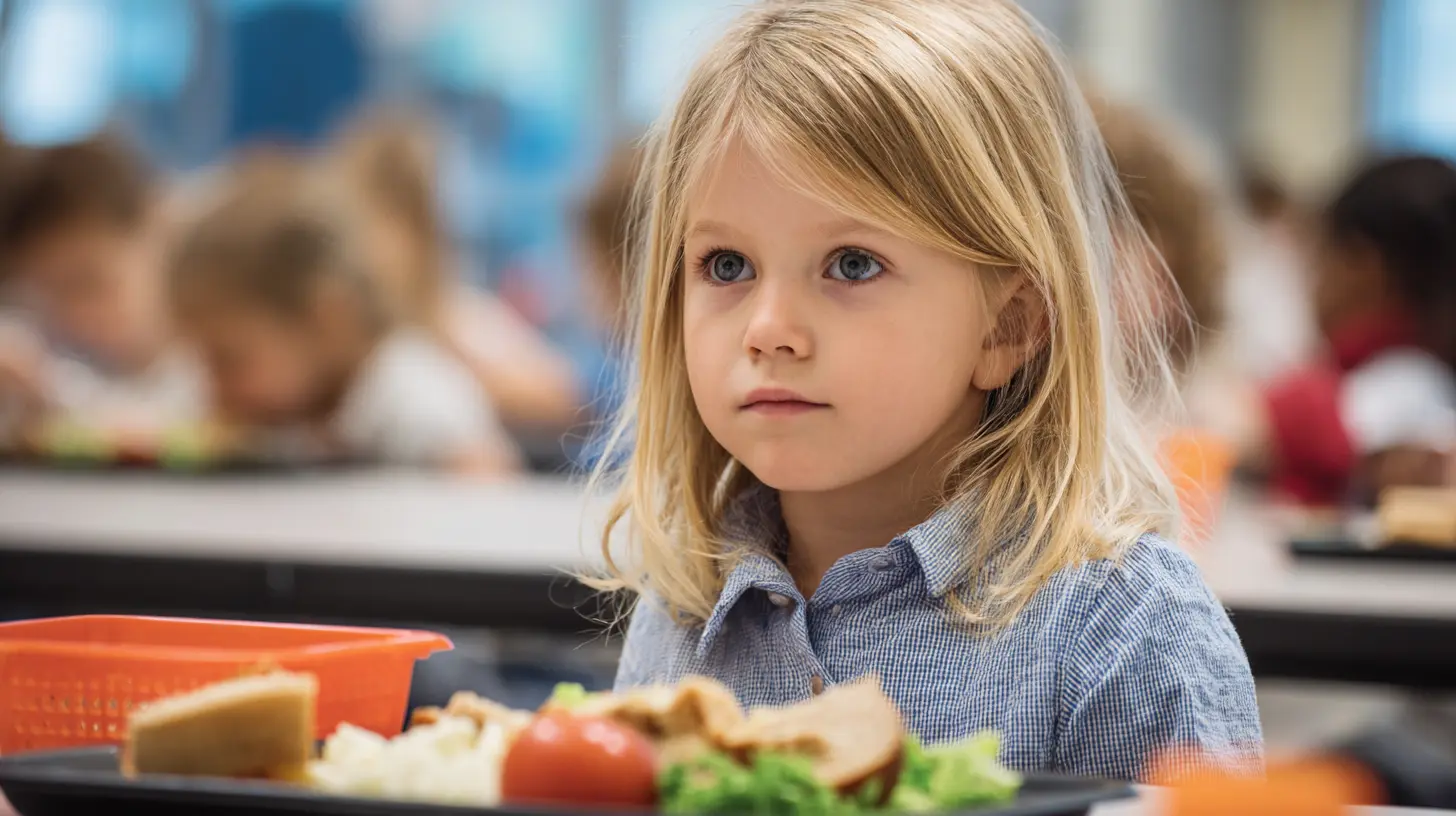
The 2027 Lunch Tray: A Course-by-Course Breakdown
Alright, let’s get to the good stuff. What will your child actually be eating in a few short years?Main Event: Protein with a Purpose
Gone are the days of mystery meat. The center of the plate is getting a conscious makeover.* Plant-Forward, Not Just Plant-Based: Yes, there will be more veggie burgers and lentil loaf. But the bigger trend is “plant-forward” eating—where vegetables, legumes, and whole grains are the stars, with smaller, high-quality portions of animal protein as a complement. Think a savory mushroom and barley bowl with a side of roasted chicken, or a black bean and sweet potato chili topped with a sprinkle of cheese.
* Cultured and Fermented: Get ready for tempeh, seitan, and cultured proteins (grown from cells in a lab) to make cautious but notable appearances. These options offer sustainable protein with a familiar texture, easing the transition for young palates.
* Hyper-Local and Traceable: “This beef is from the Johnson farm, 15 miles away.” Menus will boast local sourcing, not just for freshness, but for storytelling. Kids will know where their food comes from, creating a connection between the land and their lunch.
The Side Show: Vegetables That Steal the Spotlight
The sad, steamed broccoli floret is retiring. In its place?* Global Flavor Profiles: Why just serve corn when you can offer elote (Mexican street corn)? Roasted cauliflower will be tossed with turmeric and cumin; green beans will get a sesame-ginger glaze. Schools will use world flavors to make vegetables exciting and culturally inclusive.
* Rainbow Everything: Nutritionists have long preached “eat the rainbow,” and cafeterias will finally listen. Vibrant purple sweet potatoes, orange cauliflower, and rainbow chard will make trays visually appealing—because we eat with our eyes first.
* Fermented Fun: Kimchi, sauerkraut, and probiotic-rich pickles will appear as tangy, gut-healthy condiment options. It’s all part of educating kids about microbiome health from a young age.
The Carb Corner: Smart, Sustaining Energy
Carbohydrates aren’t the enemy; refined, nutrient-empty ones are. The future is all about smart, complex carbs.* Ancient Grains as Standard Fare: Quinoa, farro, freekeh, and sorghum will be as common as white rice. They pack more protein, fiber, and minerals, providing longer-lasting energy for that afternoon math class.
* Root Vegetable “Noodles”: Spiralized zucchini (zoodles) might be old news. Watch for lunch lines featuring baked sweet potato “toasts” or turnip and parsnip mash as hearty, vitamin-packed bases.
The Sip Station: Hydration Reimagined
The milk carton will have some new neighbors.* Infused and Enhanced Waters: Cucumber-mint, strawberry-basil, unsweetened citrus—flavored waters will make hydration appealing without added sugar.
* Kefir and Probiotic Smoothies: These will be offered as a digestively friendly alternative to sugary yogurt drinks, often made with surplus fruit from the kitchen to cut waste.
* Milk Alternatives On Tap: Oat, pea, and almond milk will be standard options, not special requests, catering to dietary needs and preferences seamlessly.

The Invisible Ingredients: Technology & Experience
The food itself is only half the story. The how is just as transformative.Personalized Nutrition Portals: Picture this: your child logs into a secure school portal. Based on their age, activity level, and any dietary restrictions (input by you and the school nurse), the system suggests the optimal lunch combo for that day. It’s like a nutritionist in the cloud, guiding choices.
The “Smart” Cafeteria: Sensors on the serving line will track what’s being taken and what’s being wasted in real-time. This data will help kitchens adjust recipes, portion sizes, and purchasing on the fly. Less waste means more budget for higher-quality ingredients.
Vertical Gardens and Edible Classrooms: By 2027, many schools will have their own hydroponic or aeroponic towers right in the cafeteria. Lettuce for today’s salad was harvested this morning, in the building. This isn’t just about food; it’s a living science lesson in biology, sustainability, and patience.
The Checkout Revolution: Biometric scans (like a thumbprint) or ID cards will allow for cashless, frictionless payment. This speeds up lines, reduces stigma for kids on free/reduced lunch programs, and gives administrators precise data on participation.

The Challenges on the Plate: It’s Not All Smooth Sailing
This future isn’t automatic. We’ll have to navigate some real hurdles.Cost and Equity: High-tech kitchens and premium ingredients cost money. The biggest challenge will be ensuring these advancements don’t create a two-tier system where wealthy districts have gourmet labs and underfunded schools are left behind. Federal funding and creative public-private partnerships will be crucial.
Training the Lunchtime Workforce: Cafeteria staff will need to evolve from reheators to culinary technicians and nutrition ambassadors. Ongoing training and fair wages will be key to making this vision stick.
Balancing Choice with Guidance: How do you give kids freedom without letting them just eat french fries? The answer lies in “choice architecture”—designing the line so the healthiest options are the easiest and most appealing picks, while still allowing for autonomy.
A Parent’s Plate: How You Can Help Shape the Future
Feeling inspired? You shouldn’t just be a passive observer. You can be a catalyst.1. Taste the Future: Attend your school’s next tasting event or menu planning meeting. Your presence shows you care.
2. Advocate for Investment: Go to school board meetings and ask about the five-year plan for food service. Frame it as an academic and health priority, not just a logistical one.
3. Embrace the Conversation at Home: Talk about these coming changes with your kids. Get them excited about new flavors. The more adventurous they are at home, the more they’ll embrace innovation at school.
The Last Bite
By 2027, school lunch will shed its old reputation for being bland and boring. It will be a dynamic, interactive part of the school day that nourishes minds just as much as bodies. It will be personalized, sustainable, and—dare we say—delicious. The journey from the tater tot to the tempeh bowl is about more than food; it’s about preparing our children for a healthier, more conscious future, one lunch tray at a time. The bell is about to ring. Are we ready to answer it?
all images in this post were generated using AI tools
Category:
Nutrition For KidsAuthor:

Maya Underwood
Discussion
rate this article
2 comments
Delia Horne
Loved this insightful article! It’s exciting to think about how school lunches will evolve. Here’s to healthier, tastier options for our kids in the coming years! 🍏🥗
April 23, 2026 at 3:44 AM
Maya Underwood
Thanks for your kind words! I'm excited about the changes ahead too. Here's to brighter and healthier lunches for our kids!
Velvet Pacheco
Great insights! It’s essential to involve kids in the lunch-making process to encourage healthy choices. Let’s also advocate for balanced options that cater to various dietary needs and preferences!
April 21, 2026 at 4:47 PM
Maya Underwood
Thanks for the feedback! Involving kids is key to fostering healthy habits and ensuring meals meet diverse needs. Let's keep pushing for positive changes in school lunches.