The Emotional Impact of Passing Down Family Keepsakes
19 June 2026
Let’s talk about something that tugs at the heartstrings a bit—family keepsakes. You know, those old photo albums, grandma’s pearl necklace, your dad’s vintage watch, or even that hand-sewn baby blanket that’s been around longer than you have. These aren’t just “things.” They’re memory-packed time capsules that carry legacy, love, and often, a few tears.
But here’s the real question—why do these keepsakes hit us so hard emotionally? Why does holding something from a loved one, even if it’s just a letter or an apron, mean so much? In this article, we’re diving deep into the emotional impact of passing down family keepsakes, how it shapes identity, strengthens family bonds, and even helps with healing. And yes, we’ll chat about the complicated feelings too. Because when it comes to memories... it’s never black and white.
What Are Family Keepsakes, Really?
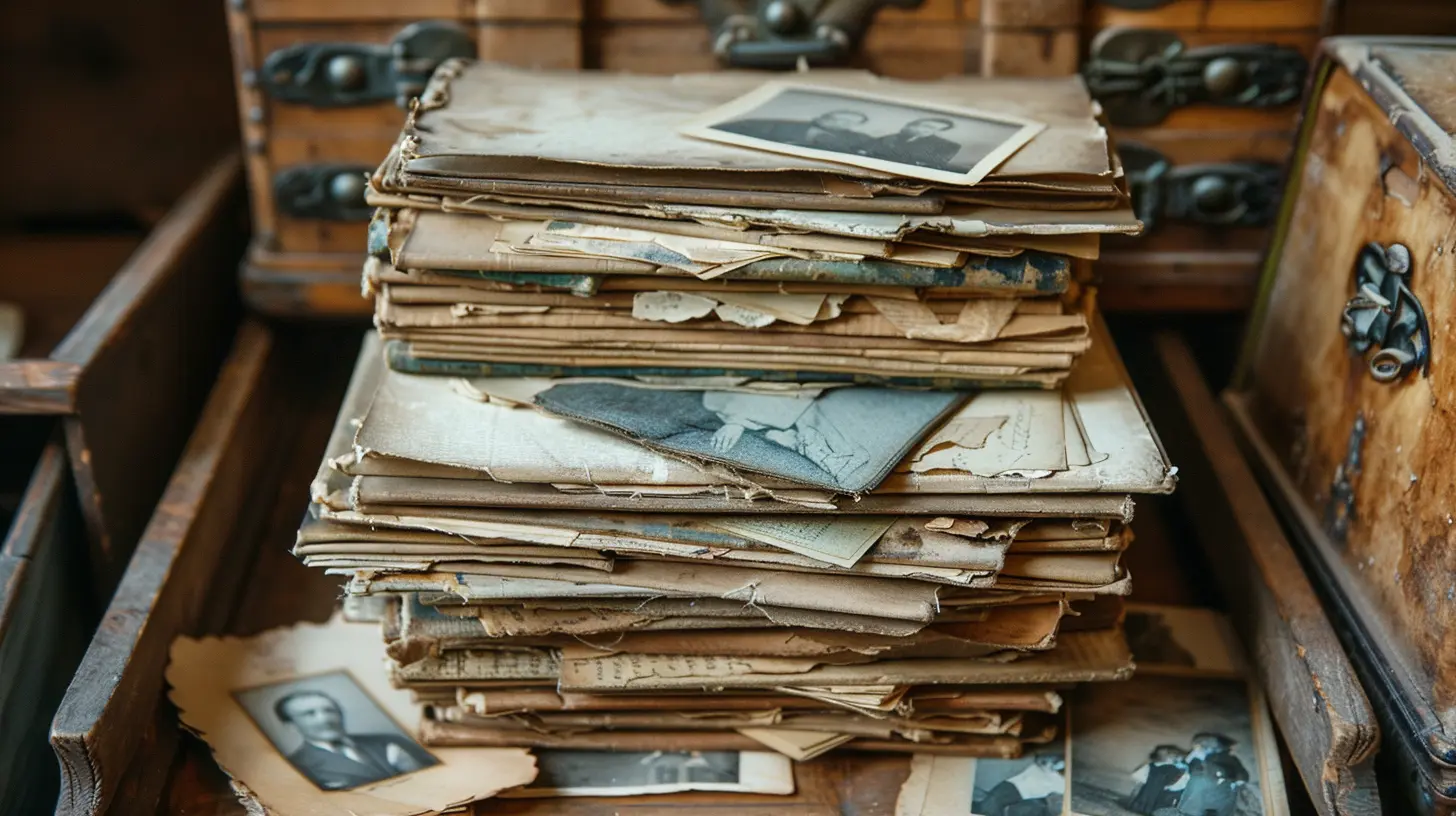
Let’s get the obvious out of the way. Family keepsakes are more than just old items gathering dust in a drawer. They're personal treasures passed from one generation to the next, often tied to significant life events like weddings, births, graduations, and even death.Some examples?
- Grandpa’s war medals
- A faded recipe card in your mom’s handwriting
- Handmade quilts
- Letters from long ago
- Jewelry that’s worn for “something old” at weddings
- Childhood toys with battle scars
These objects carry stories—and emotions. They remind us who we are and where we come from.
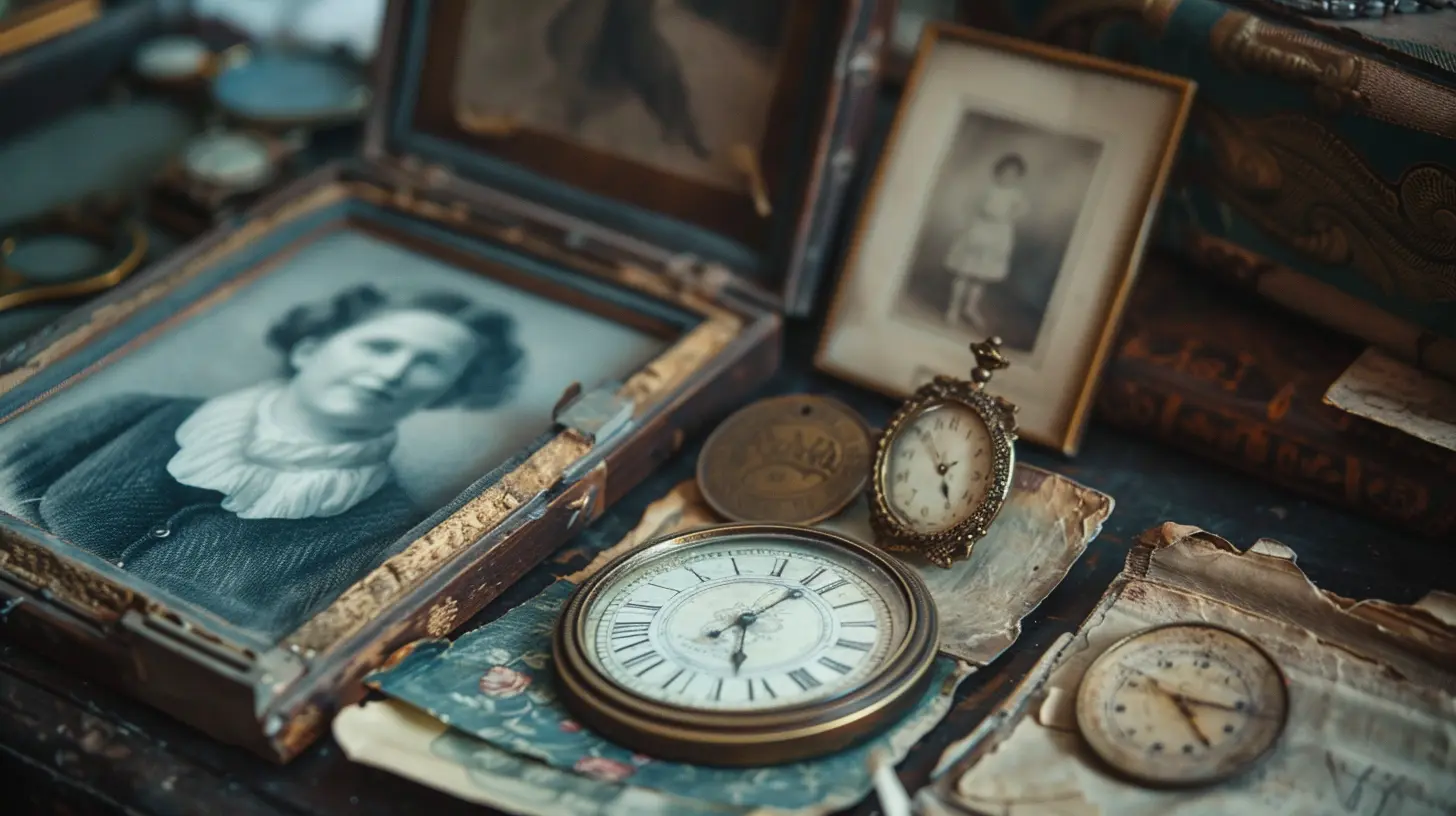
The Hidden Power in Small Objects
Psychologists will tell you—there’s real emotional weight behind tangible memories. You can’t hug a memory, but you can hug that old teddy bear Nana gave you. And somehow, in that squeeze, it feels like she’s still around.Family keepsakes act like emotional bookmarks in the story of your life. They take you back. A whiff of an old perfume clinging to a scarf can flood your brain with memories faster than a photo.
It’s not about the monetary value. It's about the emotional currency.
Why Passing Them Down Matters So Much
Passing down a keepsake is a deeply human thing. It’s like saying, “Here. This is part of me. Now it’s part of you.”1. Marking Milestones and Transitions
We often pass things down during important transitions—marriages, births, retirements, graduations. These moments naturally make us reflect on the past and the future. A keepsake becomes both a parting gift and a welcome token.It’s almost like handing someone a baton in a relay race—with all your memories attached to it. “Keep running,” it says, “but don’t forget where you started.”
2. Keeping Family History Alive
Let’s be real—most of us aren’t going to write out detailed family trees or bind family history books. But passing along keepsakes? That’s storytelling made tangible.Grandpa’s letter from the war becomes more than just paper; it becomes a living history lesson. Your kid tries on your prom dress for kicks, and suddenly you're knee-deep in nostalgia, sharing stories you'd forgotten until that very moment.
Without keepsakes, history fades. With them, it lives on.
3. Building Emotional Resilience
Here’s something powerful: keepsakes can help us cope with grief and loss. When someone we love passes away, their possessions often become comfort items. We hang on to their sweater, their mug, their watch… because it helps us feel close.This emotional anchor can ease the storm of loss. It doesn’t fix the pain—but it softens the edges.
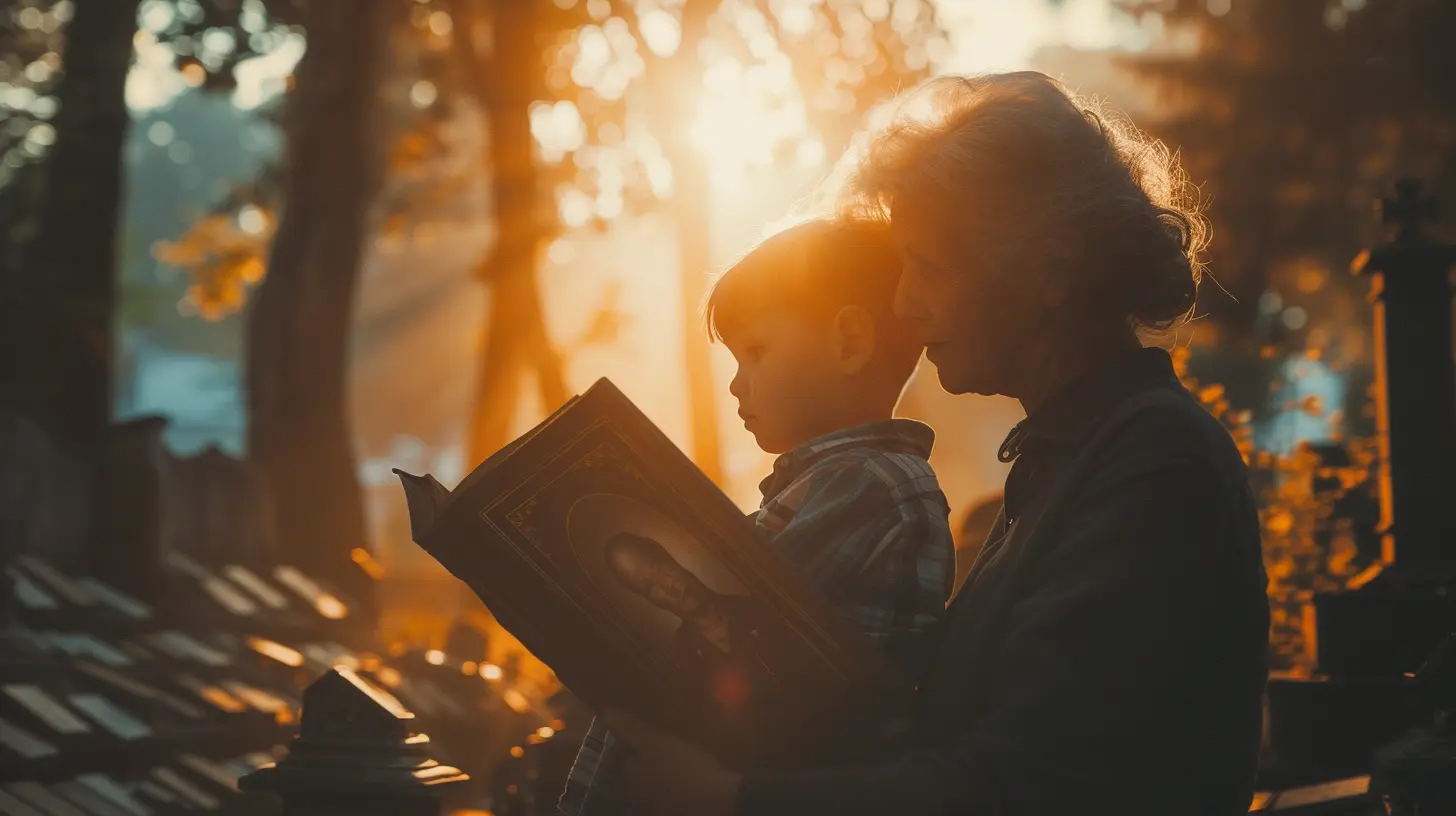
The Flip Side: Emotional Baggage
Okay, let’s not sugarcoat it. Sometimes, keepsakes come with emotional baggage—literally and figuratively.Maybe it's an heirloom from a relative you had a complicated relationship with.
Maybe it's a piece that reminds you of a painful chapter (like your mom’s wedding dress from a marriage that eventually ended).
Or maybe you inherit something and instantly feel overwhelmed. “Am I even worthy of this? What if I ruin it? What if I lose it?”
These are valid feelings. Don’t ignore them.
Let’s Talk Guilt and Obligation
Have you ever been gifted something and thought, “What am I supposed to do with this?” It’s a tough spot—especially when the giver is no longer around to ask.You don’t want to donate or discard it, but it doesn’t quite fit into your life either.
Here’s a thought: Keepsakes should be about connection, not burden. If something continually causes stress or guilt, it’s okay to reevaluate how you keep it—or whether you keep it at all.
Helping Kids Understand Keepsakes
Our little ones might not understand the true value of Granny’s old locket just yet, but that doesn’t mean we can’t start teaching them.Make It a Story Time
Instead of just handing your child an heirloom, tell them the story. Where did it come from? Who used it? What does it mean to you?Kids love stories. Frame the object as a character in your family saga.
Encourage Their Own Mini Keepsakes
Let your child pick a favorite toy, drawing, or even a rock they found on a special trip. These may become their keepsakes one day. It teaches emotional value early on, not just ownership.
Practical Tips for Passing Down Keepsakes
Alright, so you’ve got a collection of meaningful mementos. What now? Here are some tried-and-true tips to make sure they’re passed down properly.1. Label Everything
It might seem silly now, but in 20 years, no one’s going to remember who “the weird silver spoon” belonged to. Tag items with names, dates, and stories.Sticky notes, small tags, or even a binder where everything is listed can be a lifesaver.
2. Create a Storybook or Journal
Want to take it up a notch? Create a keepsake journal where you log each family heirloom and its history. Bonus points for attaching photos. It turns a box of stuff into a treasure chest.3. Involve the Whole Family
Don’t hoard all the goodies unless… you want to start a sibling war. Host a keepsake-sharing afternoon. Pass things around. Share stories. Laugh. Cry. Let people place dibs—but keep it lighthearted.4. Digitize What You Can
Some items can’t be passed down due to wear and tear. Take photos. Scan letters. Record audio clips of you telling the story. Keep the essence alive, even if the object fades.Keepsakes as Emotional Glue
When life gets tough, families can feel disjointed. Moves, divorces, deaths, even just growing up—these things scatter us. Family keepsakes? They’re like emotional superglue.They remind us of our shared roots. Of the people who came before us. Of values we hold dear—like love, grit, humor, and endurance.
You may be surprised how one little item can reignite bonds that time had loosened.
Building Your Own Legacy
Here’s a curveball—you don’t have to wait for someone to hand you a family heirloom. Start your own tradition right now.Write letters to your child on their birthday each year and save them in a keepsake box. Keep that mug they painted in kindergarten. Save handwritten notes or quirky inside jokes.
One day, these small tokens might mean the world to someone.
Final Thoughts
Passing down family keepsakes is far more than a ritual—it’s an emotional bridge between generations. It brings the past into the present and gently nudges it into the future. It brings people together, even when they’re no longer here.Yes, it’s sentimental.
Yes, it can be complicated.
But let’s face it—it’s one of the most human things we do.
So next time you stumble across that dusty box in the attic, don’t just walk past it. Open it. There's magic (and maybe a few surprises) waiting for you.
all images in this post were generated using AI tools
Category:
Family TraditionsAuthor:

Maya Underwood
Discussion
rate this article
1 comments
Sawyer Coffey
Keepsakes truly connect generations and evoke memories.
June 19, 2026 at 3:29 PM
Maya Underwood
Absolutely. Keepsakes hold stories that bridge the past and present, making memories tangible for future generations.