The Connection Between Chores and Accountability
23 May 2026
Parenting isn’t for the faint of heart—every day is a juggling act of managing responsibilities, encouraging good behavior, and raising children to become decent, responsible adults. One of the biggest lessons we can teach our kids is accountability, and guess what? It doesn’t come from grand speeches or expensive parenting books. Often, it starts with something simple yet powerful: chores.
Wait, chores? Yep, the same mundane tasks we parents grumble about! Turns out they’re a secret weapon for instilling accountability in our kids. But how exactly do chores and accountability go hand in hand? Let’s dive into this often-overlooked connection and how it shapes our children’s growth into responsible, capable adults. 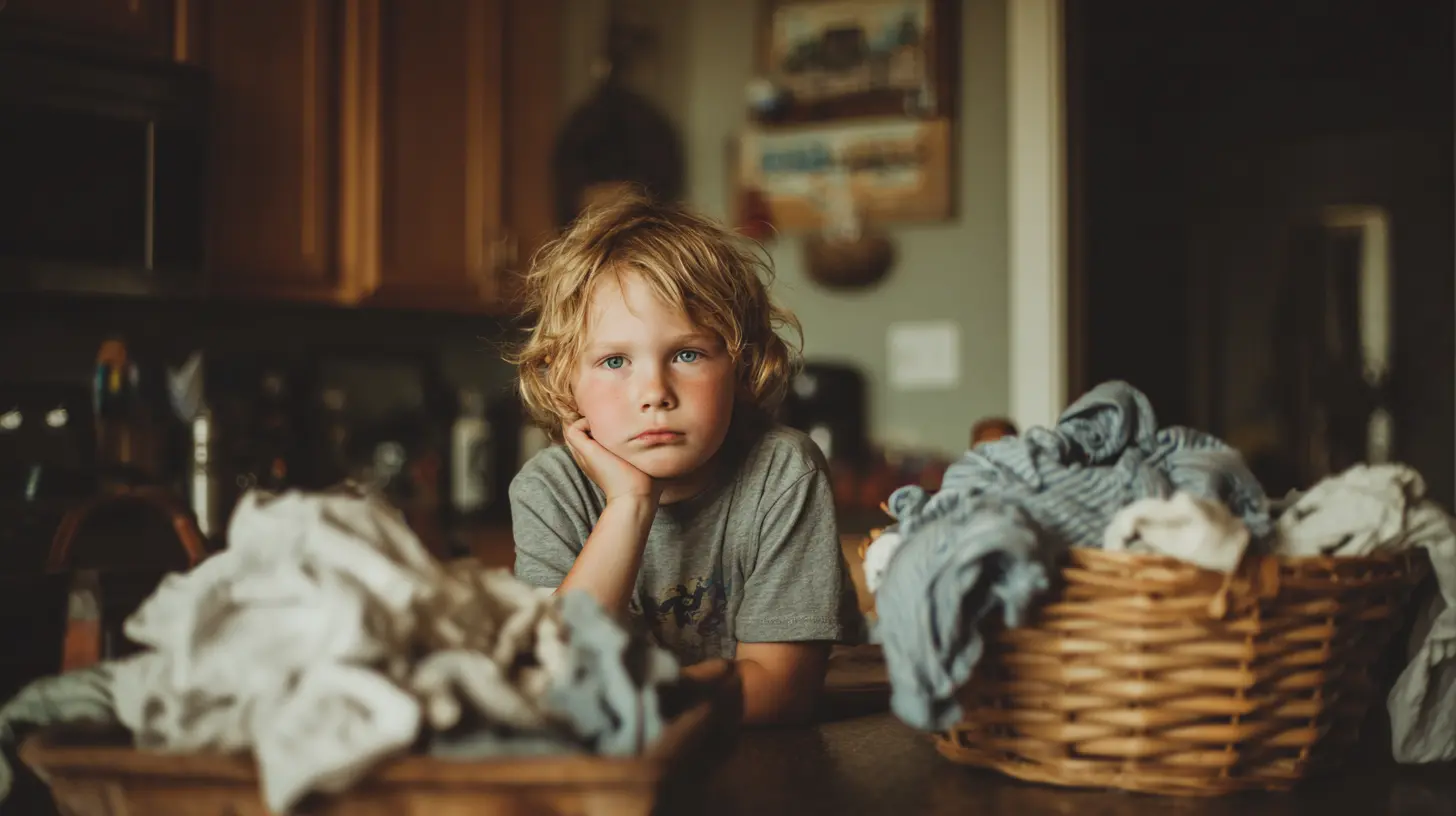
Why Accountability Matters in Parenting
Before we dig into chores, let’s talk accountability. What is it, really? Well, accountability is all about owning your actions, following through on commitments, and understanding the impact of your choices.It’s a skill that benefits kids long after they’ve outgrown their childhood bedrooms. Whether it’s finishing homework on time, meeting deadlines at work, or being there for a friend in need, accountability forms the backbone of trust and reliability.
And here’s the kicker: accountability doesn’t magically appear when our kids turn 18. It’s cultivated over time, starting from the small things they do at home. That’s where chores come into play. 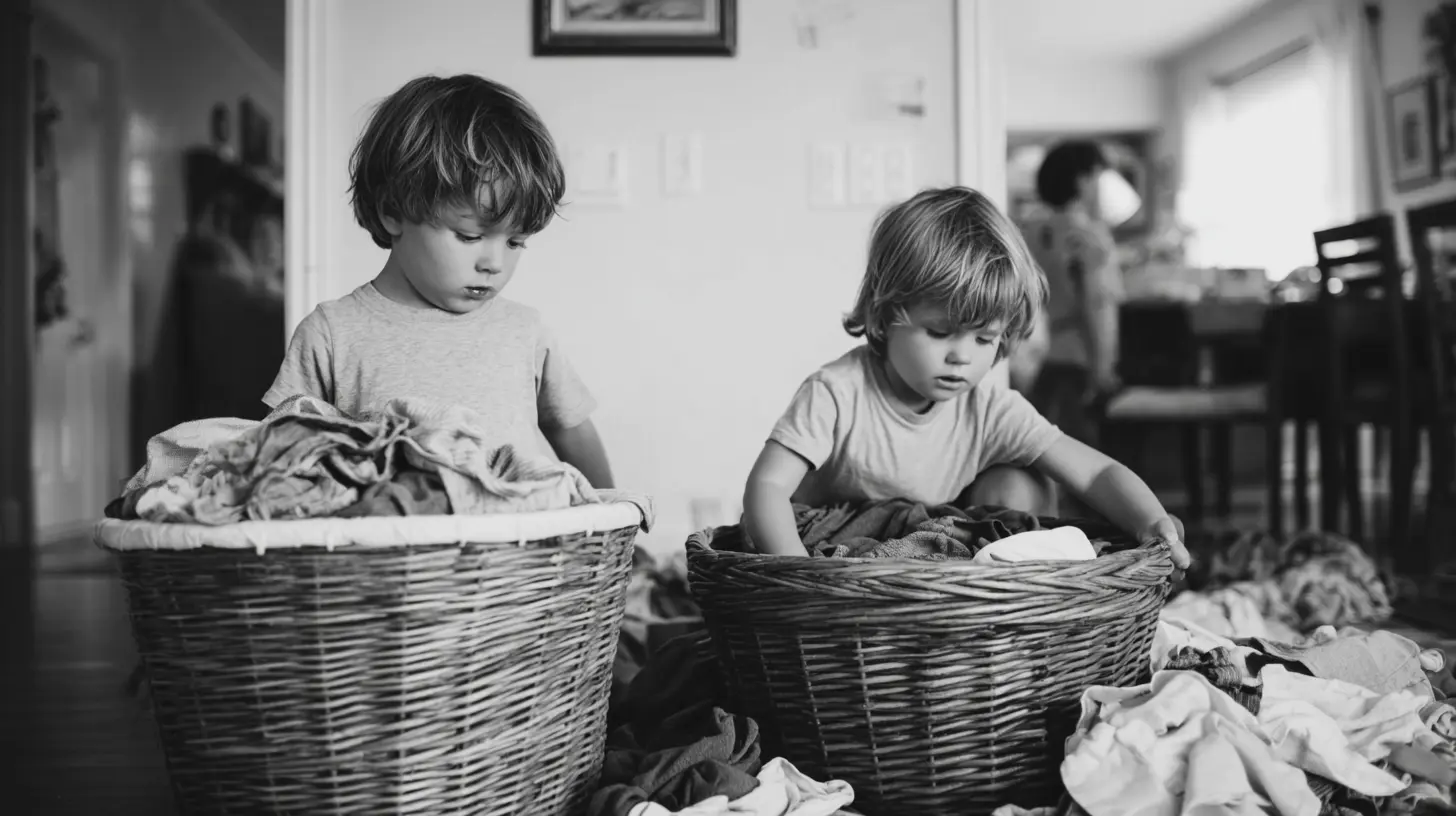
Chores: A Gateway to Real-Life Skills
At first glance, chores may seem like busywork—a list of tasks to keep kids out of your hair. But in reality, they’re a giant life lesson in disguise.Think about it. When you assign your child a chore, you’re not just asking them to pick up toys or load the dishwasher. You’re giving them an opportunity to:
- Learn responsibility. They have to take ownership of that task, knowing it’s their job to get it done.
- Understand teamwork. Chores teach kids that everyone in the family plays a role in keeping the household running.
- Practice time management. They have to figure out how to fit their chores into their day (hello, life skills!).
In short, chores are mini training sessions for real-life challenges. You’re giving your kids a soft introduction to the idea that life comes with responsibilities, and their actions—or inactions—have consequences. 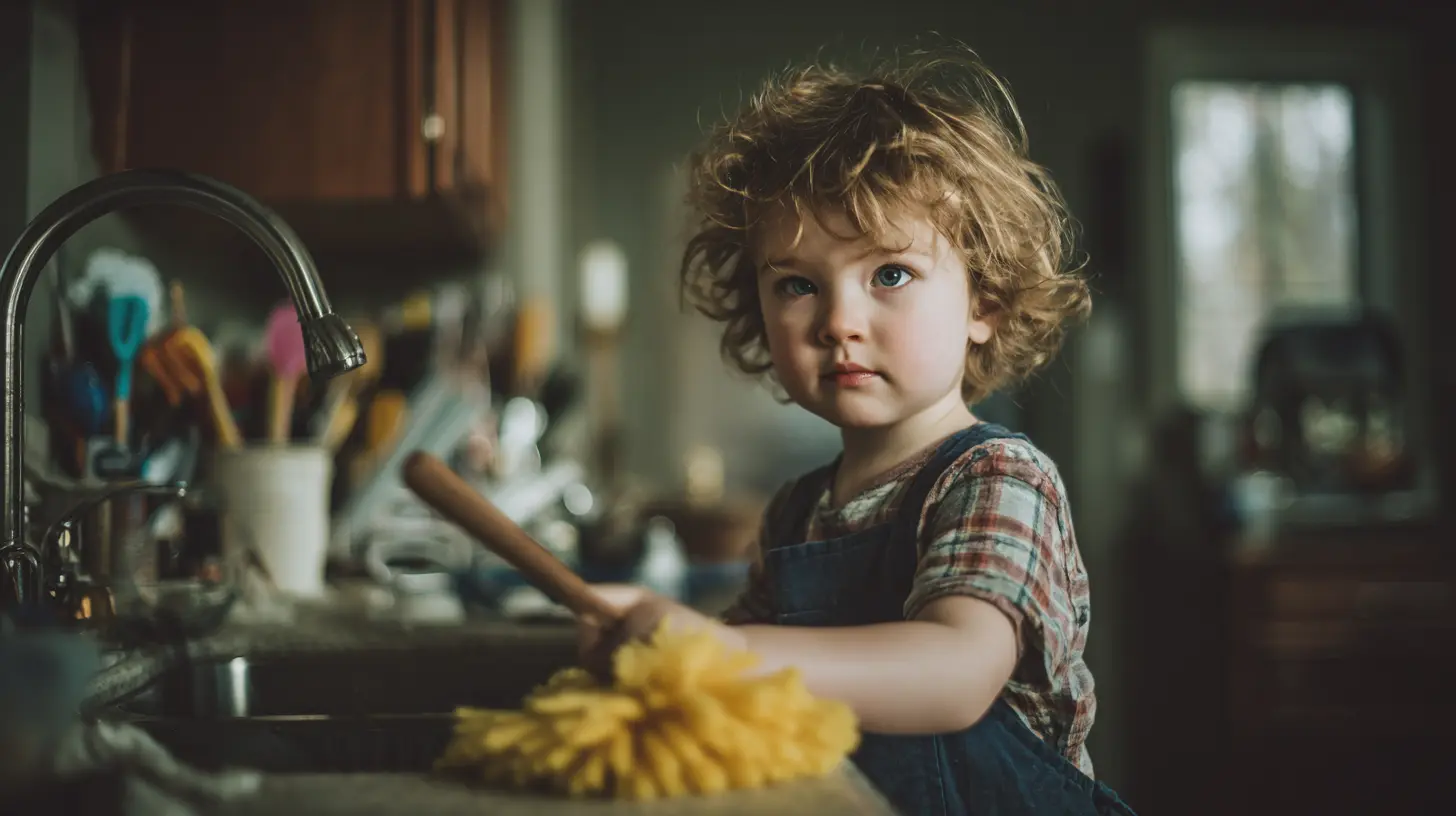
The Link Between Chores and Accountability
So, how do chores directly teach accountability? It’s all about the cause-and-effect relationship. When kids have chores, they quickly learn that:1. Their Actions Matter
If they don’t take out the trash, the kitchen will stink. If they forget to feed the dog, Fido goes hungry. These real-life consequences help kids understand that their actions (or lack of actions) have a ripple effect on the world around them.
2. Commitment Isn’t Optional
Once they’re assigned a chore, it’s their responsibility to see it through. Skipping it or doing a half-hearted job isn’t just letting you down—it’s letting themselves down.
3. Accountability = Trust
When kids consistently complete their chores, they start earning your trust. And being trusted feels pretty great, doesn’t it? On the flip side, when they don’t follow through, they experience the natural consequences, which reinforces the importance of accountability. 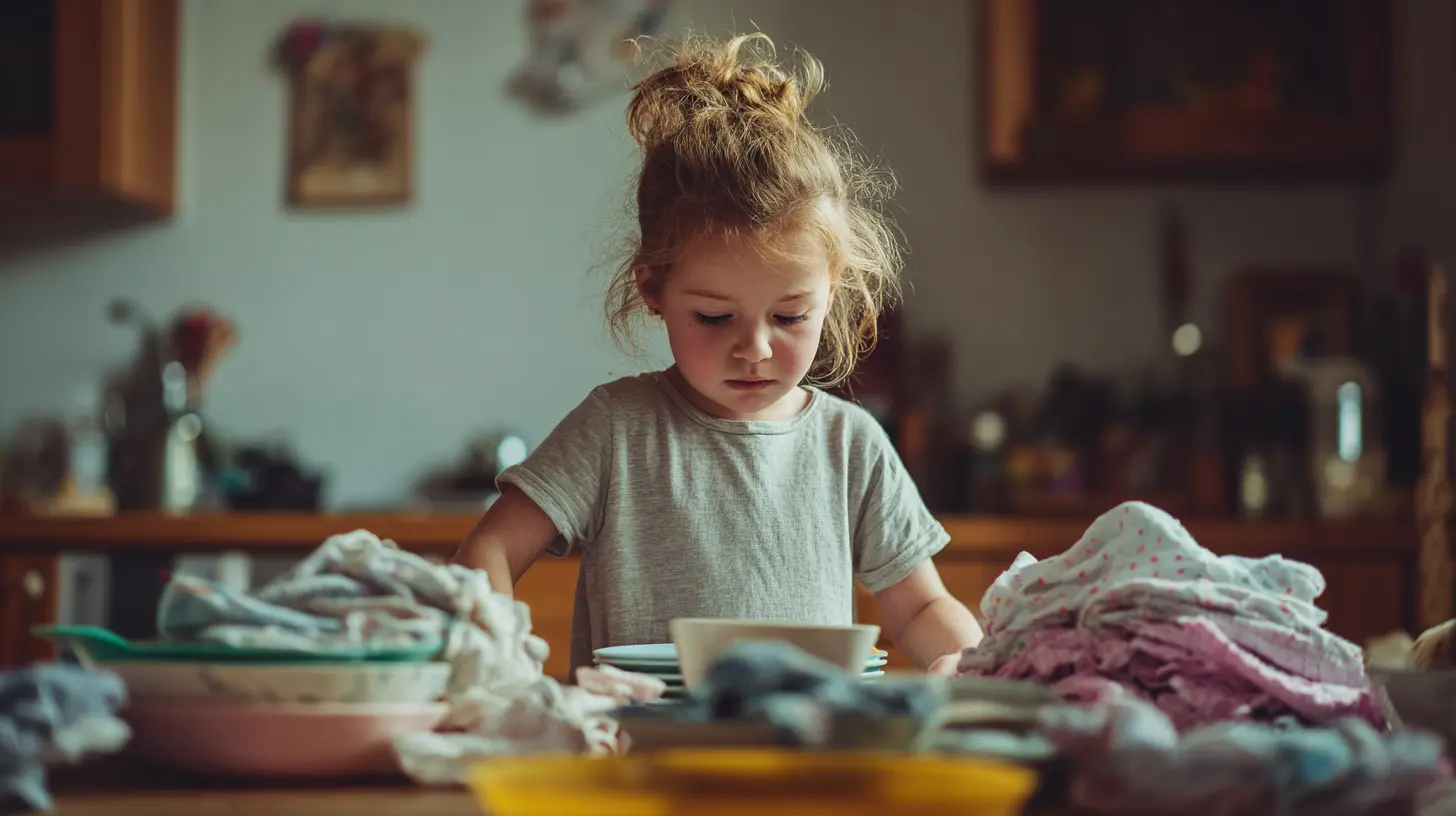
How to Introduce Chores in a Meaningful Way
Now, let’s be real: most kids don’t exactly jump for joy when you ask them to clean their room or sweep the floor. So, how can you make chores less of a battle and more of a teaching opportunity?1. Start Small
You wouldn’t expect a toddler to deep clean the kitchen, right? Start with age-appropriate tasks. For young kids, this might mean putting toys back in the bin. For older kids, it could be unloading the dishwasher or folding laundry.2. Be Clear and Consistent
If you want chores to teach accountability, they have to be treated seriously. Create a chore chart or set a regular schedule. This consistency shows kids that responsibilities aren’t a one-time thing—they’re an ongoing commitment.3. Let Them Own It
Here’s a pro tip: resist the urge to micromanage. If your 7-year-old makes the bed a little lopsided, that’s okay! The goal is progress, not perfection. Letting them take ownership of their chores (without swooping in to “fix” everything) reinforces accountability.4. Tie Chores to Privileges
No, I’m not saying you should bribe your kids. But linking chores to privileges—like screen time or weekend outings—helps them understand that effort leads to rewards.5. Model Accountability Yourself
Let’s face it—kids learn more from what we do than what we say. If they see you holding yourself accountable (apologizing when you’re wrong, following through on promises, etc.), they’re more likely to mimic that behavior.The Emotional Benefits of Chores
Believe it or not, chores don’t just teach practical skills—they also nurture emotional growth.1. Builds Confidence
There’s something empowering about knowing you’ve contributed to your family. When kids complete their chores, they feel a sense of accomplishment that boosts their self-esteem.2. Creates a Sense of Belonging
Having responsibilities within the household gives kids a sense of purpose. They realize they’re not just houseguests—they’re valued members of the family team.3. Teaches Empathy
When kids have chores, they begin to appreciate the work others do. They understand that clean dishes don’t magically appear in the cabinet and that taking care of a home takes effort. This empathy goes a long way in building strong, respectful relationships.The Long-Term Payoff
Here’s the thing: the benefits of teaching accountability through chores don’t end when your kids leave the nest.As they grow, the lessons they’ve learned will translate into other areas of life. They’ll hold themselves accountable in school, at work, and in their relationships. They’ll know how to manage their time, juggle responsibilities, and handle the curveballs life inevitably throws at them.
And as parents, isn’t that what we ultimately want? To raise kids who can stand on their own two feet, take responsibility for their actions, and contribute meaningfully to the world?
A Quick Note About Patience
Let’s be honest: teaching accountability through chores isn’t always a smooth process. There will be eye-rolls, grumbles, and maybe even a few (okay, a lot of) reminders along the way.But stick with it. Remember, parenting isn’t about instant gratification—it’s about planting seeds and watching them grow over time.
So, when your child finally remembers to put their dirty socks in the laundry without being asked, celebrate that small victory! It’s proof that they’re learning and that your efforts are paying off.
Wrapping It Up
The connection between chores and accountability is a game-changer in parenting. Chores might seem like simple, everyday tasks, but they’re actually powerful tools for teaching responsibility, teamwork, and follow-through.By introducing meaningful responsibilities early on and staying consistent, you’re not just raising kids who know how to make their beds. You’re raising adults who know how to take accountability for their actions—at home, in their careers, and in their communities.
So, the next time you’re assigning chores, remember: you’re not just teaching your kids how to clean up after themselves. You’re equipping them with life skills that will serve them for years to come. And honestly, isn’t that worth the occasional eye-roll?
all images in this post were generated using AI tools
Category:
Kids And ChoresAuthor:

Maya Underwood
Discussion
rate this article
2 comments
Lyla McGarvey
Great article! Teaching kids to do chores builds responsibility and connection. It's a valuable life lesson that fosters independence and teamwork.
September 16, 2026 at 4:27 PM
Harmony McKale
Chores teach kids responsibility, but let's be real-most of us still avoid folding laundry like it's a math exam. If we're lucky, our kids will grow up thinking that cleaning means throwing everything into a closet. Cheers to that level of accountability!
May 25, 2026 at 4:27 AM
Maya Underwood
You make a great point. It's true that while chores can teach responsibility, many of us have our own shortcuts. Hopefully, our kids find a balance between learning and living. Cheers!