Teamwork at Home: Dividing Chores Fairly Among Siblings
22 March 2026
Let’s be honest—parenting is no walk in the park. Between school drop-offs, packing lunches, and trying to sneak in "me-time" during nap breaks, the house can quickly turn into a mini tornado zone. And while it might feel easier to just tackle the chores yourself (because let’s face it, nobody folds laundry quite like you), teaching kids how to pitch in, especially together, is a powerful life skill.
But hold up. Before we hand each child a mop and shout "Teamwork makes the dream work!", let's talk strategy.
Dividing chores fairly among siblings isn’t just about keeping your living room from looking like a scene out of a toy store explosion. It’s about building teamwork, teaching responsibility, and creating a more peaceful household—yes, even if you have a tween and a toddler under one roof.
In this article, we’re diving deep into how to make chore-sharing among siblings not only fair but actually fun (well, kind of).
Why Sibling Teamwork Around the House Matters
Imagine your home as a mini ecosystem. Just like bees in a hive or ants in a colony, everyone has a role. When kids contribute to household chores, they don’t just lighten your load—they develop critical social skills, problem-solving abilities, and a sense of responsibility.And when they work together? That's where the magic happens.
Sibling teamwork at home mimics real-world collaboration. It teaches kids how to negotiate, compromise, and hold each other accountable. It lays the foundation for healthy relationships not just with each other—but with future roommates, friends, and even co-workers.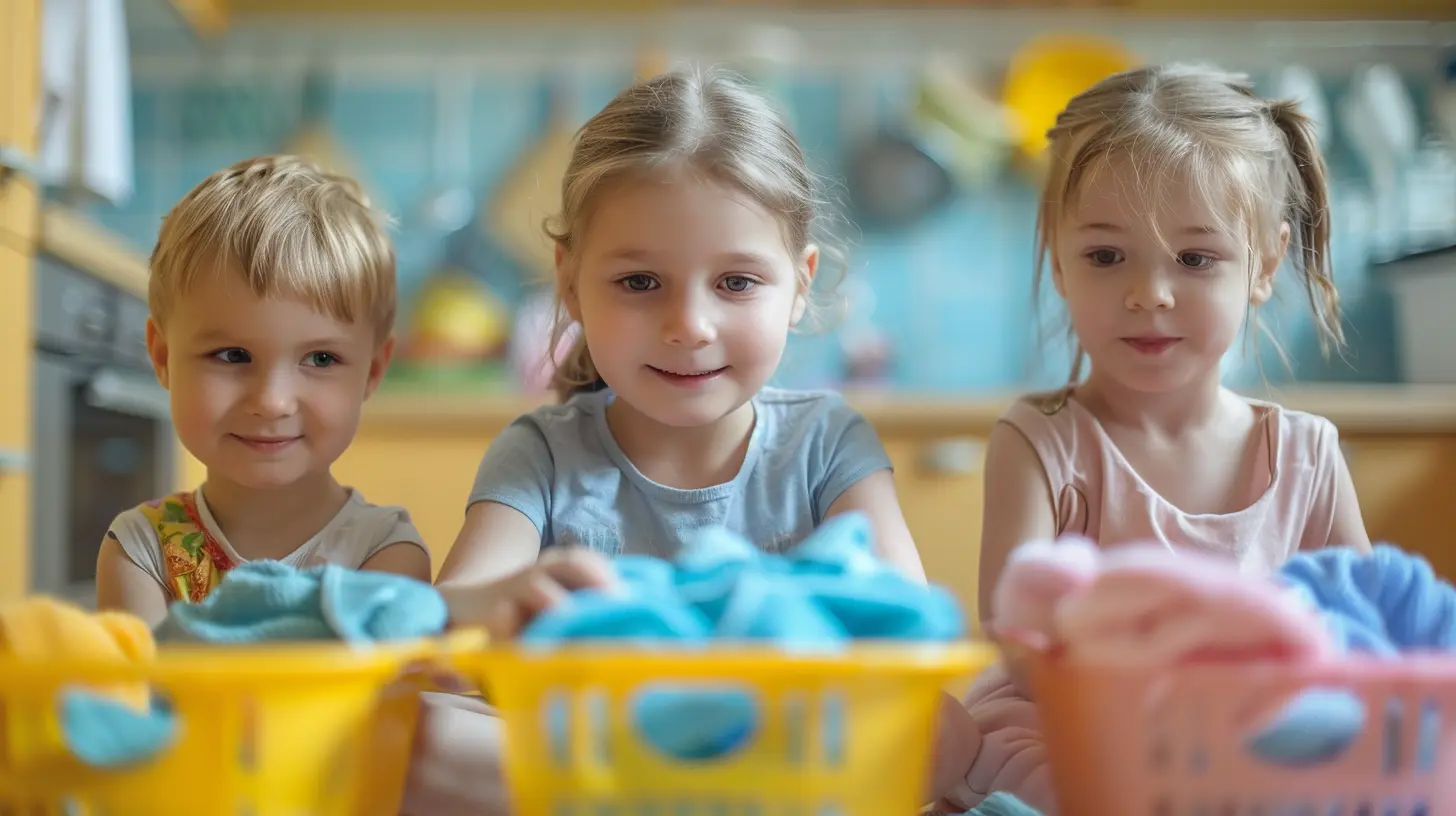
The Problem With “Equal” vs “Fair” in Chores
One of the top mistakes parents make is trying to divide chores “equally.” On paper, it looks great—Johnny sweeps, Sarah does the dishes, and everyone sings kumbaya. But real life? Not that simple.Kids are at different developmental stages. A 5-year-old can’t (and shouldn't) do what a 12-year-old can. What feels "equal" might not seem fair to them.
So instead of pushing for an equal split, aim for a fair one. Fair doesn’t mean the same. It means appropriate, reasonable, and respectful of each child’s age, ability, and schedule.
Think of it like a relay race. Everyone runs a part, but each leg is suited to their strengths.
Step-by-Step Guide: How to Divide Chores Fairly
Let’s break it down. Here's a no-fluff blueprint to get everyone on board without starting World War Sibling.1. Start With a Family Meeting
Grab some snacks, round up the troops, and have a casual sit-down. The goal? To explain the WHY behind chores.Instead of barking orders like a drill sergeant, try this:
> “Hey guys, the house runs smoother when we all pitch in. It's not about punishment—it's about being a team.”
Let them chime in. Ask what chores they don’t mind doing. You might be surprised—some kids love vacuuming or organizing stuff. Others? Not so much.
When kids feel heard, they're much more likely to cooperate.
2. Make a Chore Chart (That Doesn’t Suck)
Yep. The classic chore chart. But we're not talking about those rigid checklists with glitter stars that lose their charm after 3 days.Make it visual, colorful, and flexible. Involve your kids in creating it. Assign age-appropriate chores and rotate them weekly so no one feels stuck with the “gross” job forever.
Here’s a rough idea by age:
- Ages 4–6: Putting away toys, feeding pets, making their bed
- Ages 7–9: Setting the table, folding laundry, dusting
- Ages 10–12: Vacuuming, washing dishes, helping cook
- Teenagers: Mowing the lawn, grocery shopping, managing younger siblings’ tasks
The chart should reflect each child’s ability and availability.
3. Use a Points or Reward System (Optional but Fun)
Okay, not every family digs rewards, but hear me out. A point system can motivate kids, especially younger ones.Assign point values to chores (more challenging ones earn more). At the end of the week, points can be exchanged for privileges—extra screen time, picking the Friday movie, choosing what’s for dinner, etc.
This adds a game-like twist to chores. And let’s be real, who doesn’t like turning a boring task into a challenge?
4. Rotate the “Not-So-Fun” Jobs
Some chores are just universally awful (hello, cleaning up after the dog). Instead of assigning tough chores permanently to just one child, rotate them. Everyone takes turns in the trenches.This teaches empathy (because they remember how much that chore sucked) and keeps resentment at bay.
Pro tip: Write the “yuck” jobs on popsicle sticks and let kids draw from a jar each week. It adds a sprinkle of randomness and fairness.
5. Encourage Team Projects
Sometimes it’s better when kids work together on a big chore rather than splitting it up. Like cleaning the entire living room or organizing the garage.Assign a shared task and let them figure out how to split it. This promotes collaboration, negotiation, and leadership. One might tackle toys while the other handles vacuuming. Magic happens when siblings start coordinating without being told.
Sure, it may start with bickering. But trust me, it gets better over time.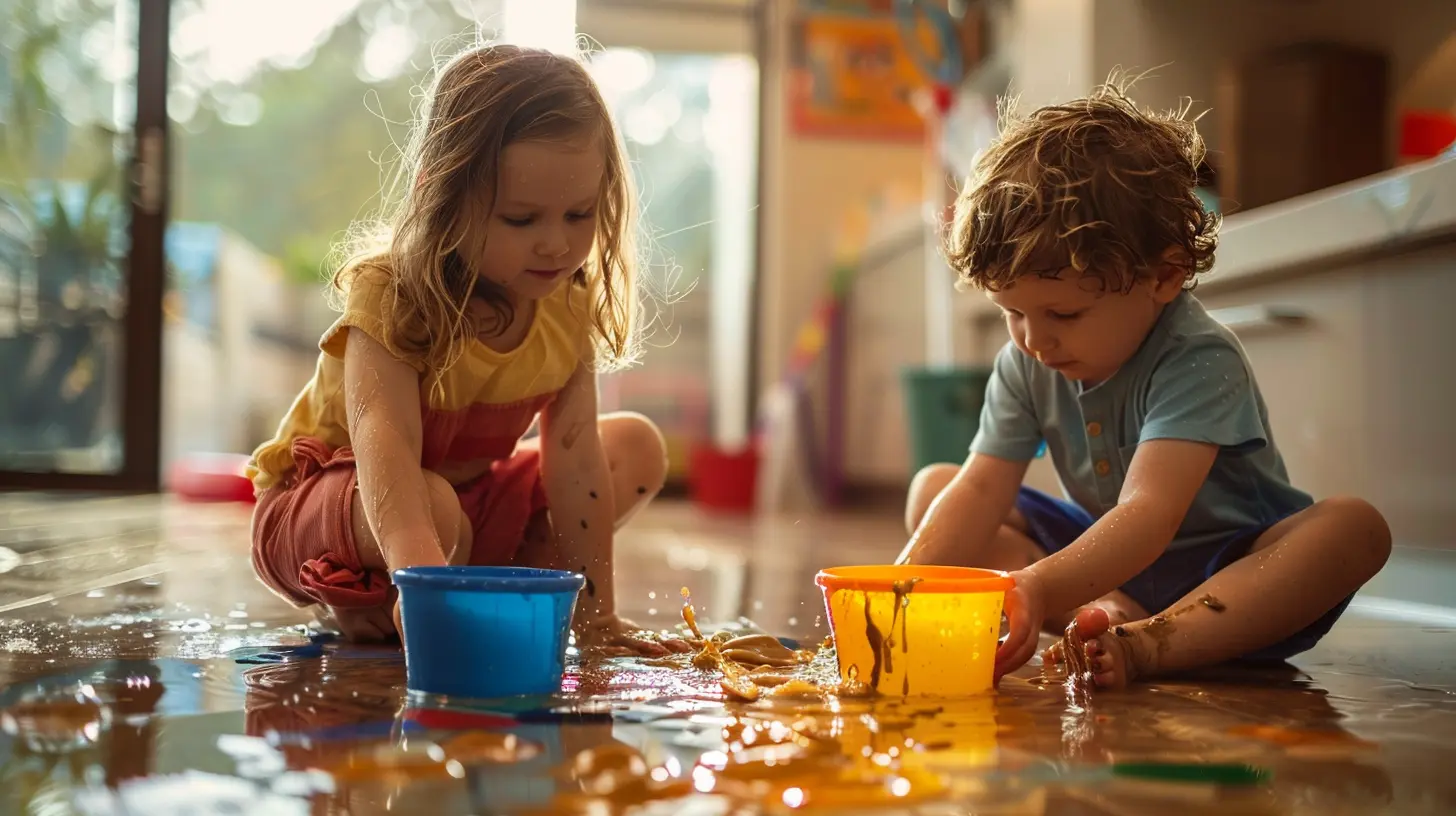
Navigating Common Hurdles
Even with the best system in place, bumps will happen. Here's how to steer through the storm.“That’s Not Fair!”
The ultimate sibling protest. The secret? Acknowledge the feeling, then explain the logic.> “I get it. It seems like your chore is harder. But your brother is younger and not ready to do that yet. How about we rotate next week?”
Validation + compromise = peace talks successful.
Forgetfulness or Half-Done Jobs
It’s tempting to nag, but instead, set clear expectations.Use “when-then” statements:
> “When your chores are finished, then you can play Roblox.”
You’re not punishing—you’re empowering them to prioritize.
One Kid Dominates, Another Slacks
This is where teamwork lessons come in. Encourage them to hold each other accountable. Maybe even assign a weekly “chore captain” who helps oversee the chart.Don’t jump in every time a squabble starts. Let them problem-solve. That builds leadership and communication.
Teaching Life Skills Through Chores
Chores aren’t just tasks—they’re tiny, valuable life lessons wrapped in everyday responsibility.When kids learn to do laundry, they develop independence.
When they mop the floor or clean the bathroom, they build attention to detail.
When they collaborate with their sibling to clean the backyard? They practice teamwork, time management, and task delegation.
And the best part? They carry these skills into adulthood.
No parent wants to send their 18-year-old off to college not knowing how to boil pasta or clean a toilet.
Starting early—and doing it together—makes all the difference.
Celebrate the Wins (Even the Small Ones)
Did your kids complete all their chores without fighting this week?Cue the happy dance.
Make time to celebrate. A family movie night, their favorite dessert, or just a genuine compliment can go a long way.
Positive reinforcement fuels motivation. It tells them, “Hey, I noticed your effort and it matters.”
Final Thoughts: Make It a Team Sport
Teamwork at home isn’t about perfection. It’s about progress.And yes, it takes effort, consistency, and a bit of trial and error. But when siblings learn to divide chores fairly, they learn something even greater—how to respect each other’s differences, work through challenges, and show up as part of a team.
So the next time the dishes are overflowing and the laundry looks like a mountain, don’t shoulder it alone. Rally your squad, assign those tasks, and turn your home into a training ground for life.
It won’t be perfect, but together?
You’ve got this.
all images in this post were generated using AI tools
Category:
Kids And ChoresAuthor:

Maya Underwood
Discussion
rate this article
2 comments
Candice McGovern
Great tips! Teaching teamwork through chores not only lightens the load but strengthens sibling bonds.
April 4, 2026 at 4:25 AM
Maya Underwood
Thank you! I’m glad you found the tips helpful. Teamwork through chores truly does foster both responsibility and sibling connections!
Zeno McMurtry
Great tips! Fostering teamwork makes chores a valuable bonding experience for siblings.
March 22, 2026 at 5:14 PM
Maya Underwood
Thank you! I'm glad you found the tips helpful. Teamwork truly strengthens sibling bonds while making chores more enjoyable.