Teaching Your Child to Express Themselves Safely
20 August 2026
Every parent has watched their child struggle to put feelings into words. A slammed door, a silent tear, or a sudden outburst of anger often speaks louder than anything the child can say. The ability to express oneself is not something children are born with. It is a skill that develops over time, shaped by example, practice, and the safety they feel in their environment. Teaching your child to express themselves safely is not about controlling what they say. It is about giving them the tools to share what they feel without hurting themselves or others.
This is a delicate balance. Push too hard, and a child may shut down or learn to perform emotions for approval. Offer too little guidance, and they may fall into patterns of aggression, withdrawal, or passive acceptance of mistreatment. The goal is not to raise a child who always speaks their mind regardless of consequences. The goal is to raise a child who knows when to speak, how to speak, and when silence is the wiser choice.
Why Safety Matters as Much as Expression
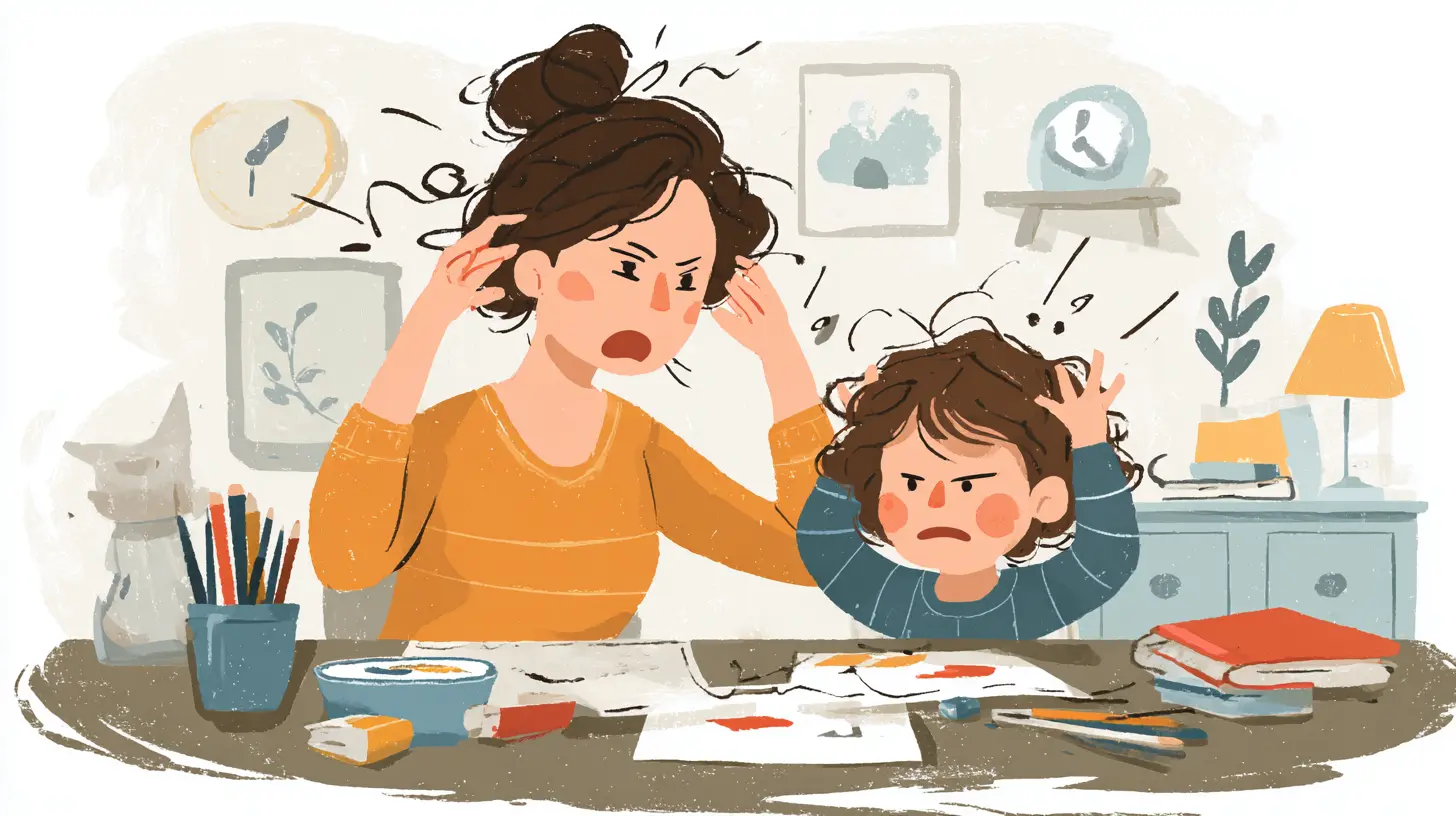
Children are often told to use their words. But words can be weapons. A child who learns to express anger through insults or threats may feel a temporary release, but the damage to relationships can be lasting. On the other hand, a child who learns to suppress everything may become anxious, resentful, or disconnected from their own needs. Safety in expression means the child can be honest without fear of punishment, while also understanding that their words carry weight.The concept of psychological safety is central here. A child needs to know that their home is a place where their feelings are welcome, even when those feelings are messy or difficult. If a child says "I hate you" in a moment of frustration, the parent's response matters more than the words themselves. A calm response like "You are really angry right now, and that is okay. We can talk about what happened" teaches the child that strong emotions do not destroy relationships. A harsh response like "Do not ever say that to me" teaches the child that certain feelings are unacceptable, which leads to hiding them.
Safety also means physical and emotional boundaries. A child must learn that it is never acceptable to hit, push, or scream to make a point. But they also need to learn that it is acceptable to say "No" to a hug, to ask for space, or to tell a trusted adult when someone makes them uncomfortable. These two lessons work together. The child who knows their own boundaries is better equipped to respect the boundaries of others.
The Role of Emotional Vocabulary
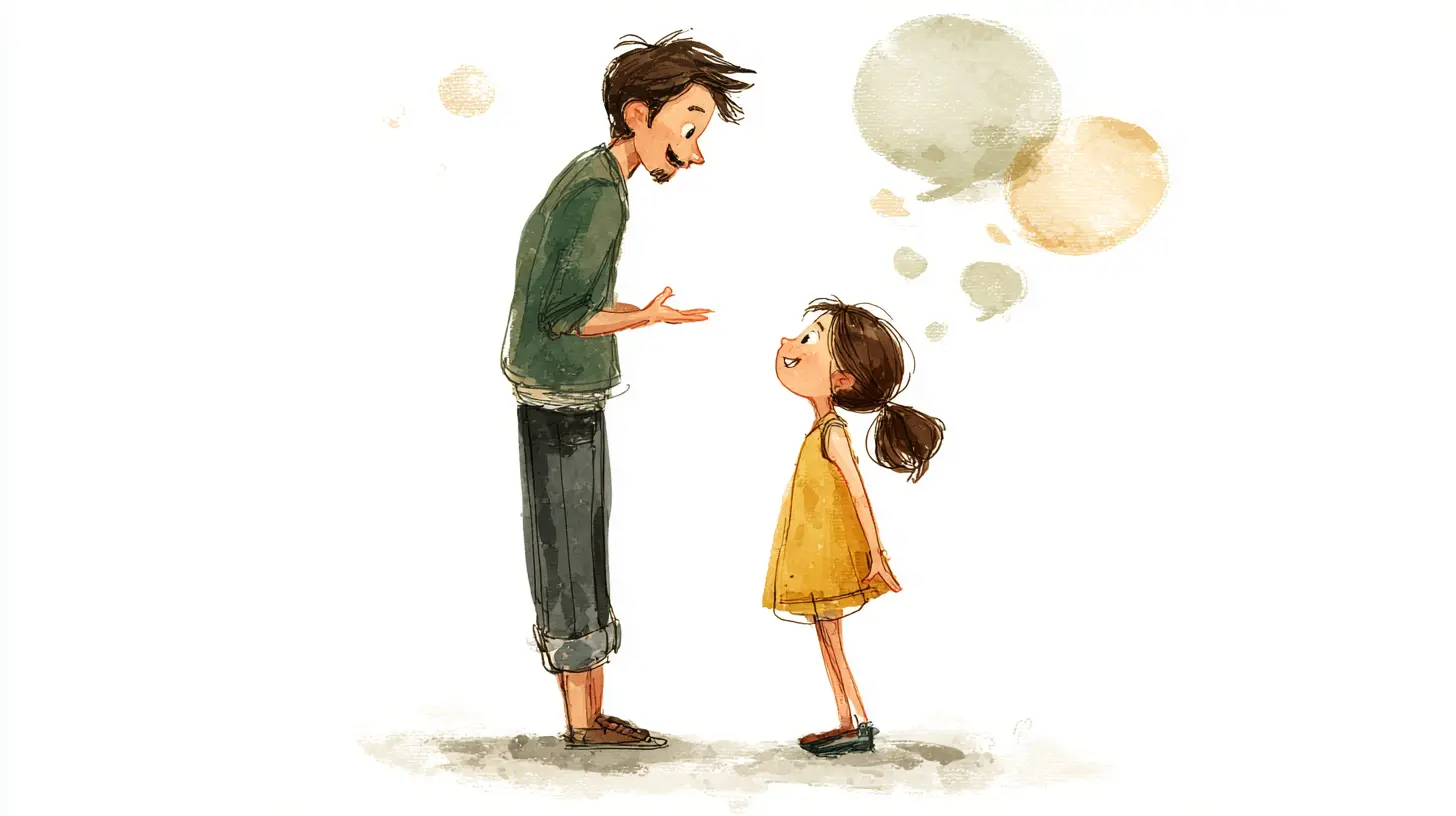
You cannot express what you cannot name. A child who only knows the words "happy," "sad," and "mad" will struggle to communicate the difference between disappointment, jealousy, frustration, and grief. Building an emotional vocabulary is the foundation of safe self-expression.Start early and keep it natural. When reading a book together, you might say "That character looks worried. Have you ever felt worried like that?" When your child is upset, you can help them label the feeling: "It seems like you are feeling left out because your sister got the last cookie." This is not about telling them what they feel. It is about offering possibilities and letting them correct you.
As children grow, introduce more nuanced words. "Frustrated" is different from "angry." "Embarrassed" is different from "ashamed." "Nervous" is different from "scared." Each new word gives the child a sharper tool for describing their inner world. A teenager who can say "I feel invalidated when you interrupt me" is far more likely to resolve conflict peacefully than one who simply says "You never listen."
One effective practice is creating a feelings chart for younger children, with faces and words for different emotions. For older children, you can keep a family journal where everyone writes or draws how their day felt. The key is consistency. Emotional vocabulary only becomes useful when it is used regularly, not just during crises.

Modeling Healthy Expression
Children learn more from what you do than from what you say. If you shout when you are angry, they will shout. If you say "I am so stressed right now, I need a few minutes to calm down" and then take that time, they will see that self-regulation is possible. If you apologize when you make a mistake, they will learn that saying sorry is a sign of strength, not weakness.This is harder than it sounds. Many parents grew up in homes where emotions were either explosive or ignored. You may not have a model for calm, honest expression. That is okay. You can build one now. The first step is to be honest with your child about your own struggles. Saying "I am learning to manage my temper better, and sometimes I slip up" is not a sign of failure. It is a lesson in growth.
Try to avoid using your child as a confidant. It is one thing to say "I had a hard day at work and I feel tired." It is another to unload adult problems about finances, marriage, or family drama onto a child. The first teaches empathy and normalizes having feelings. The second burdens the child with concerns they cannot process or solve.
When you make a mistake in how you express yourself, repair the rupture. If you yelled, go back to your child and say "I am sorry I yelled. I was frustrated, but yelling was not the right way to handle it. Let us try again." This models accountability and shows that relationships can survive conflict.
Teaching the Pause
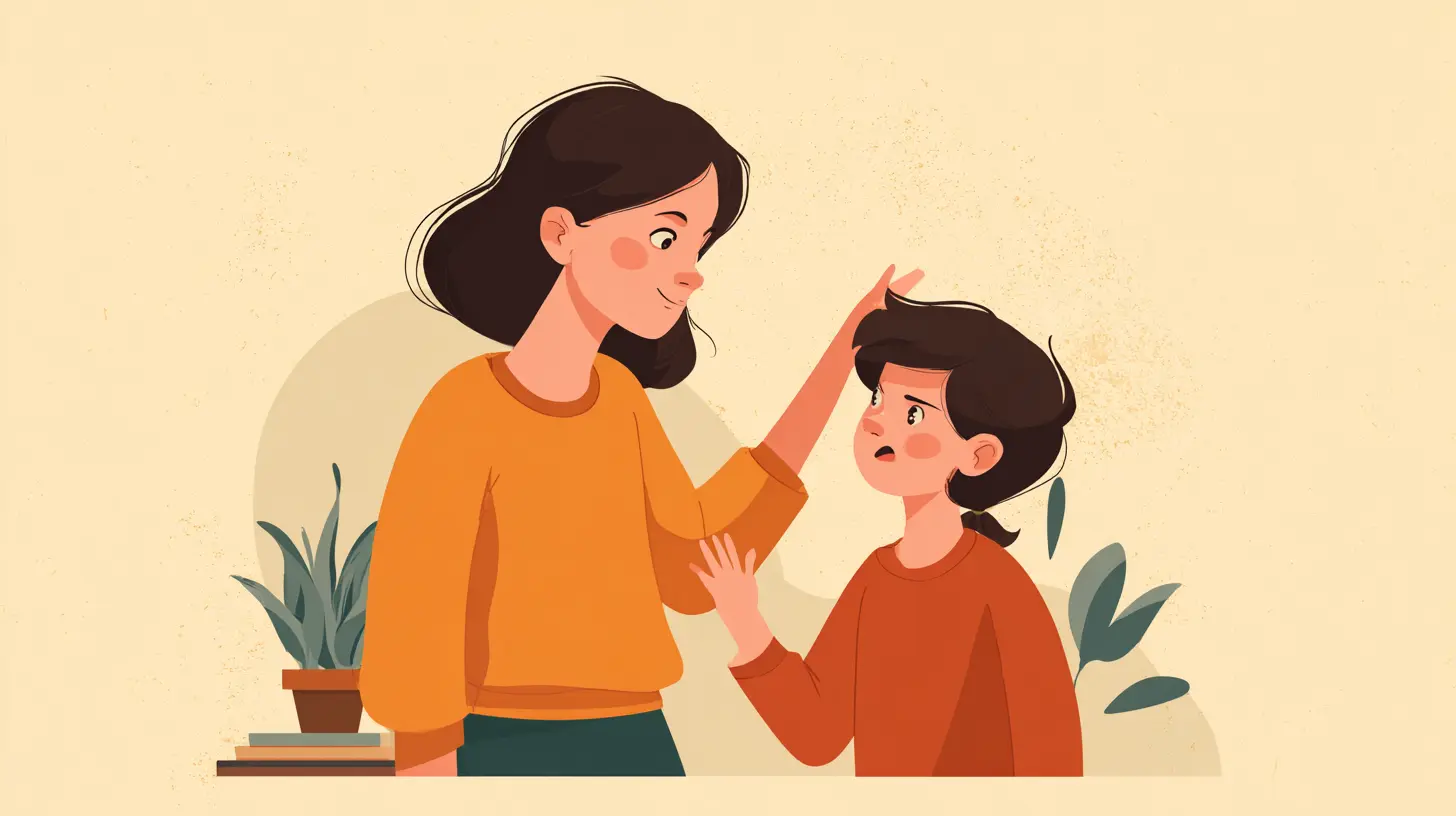
Impulse control is a major part of safe expression. A child who reacts instantly to every emotion will often say things they regret. The pause is a simple technique: when you feel a strong emotion, take a breath before speaking. This gives the brain time to move from the reactive amygdala to the thinking prefrontal cortex.For young children, you can practice this with a game. Ask them to freeze like a statue when you say "Freeze," then take a deep breath, then continue. Make it fun and silly. For older children, teach them the "count to ten" method, but also give them a physical cue. Pressing their thumb and forefinger together, taking a sip of water, or stepping into another room can all serve as anchors for the pause.
The pause is not about suppressing emotion. It is about choosing how to respond. You can explain it to your child like this: "You can feel angry. That is okay. But you can decide what you do with that anger. Taking a breath gives you a moment to choose something that will not make things worse."
This skill takes years to develop. Expect setbacks. A child who pauses and then still says something hurtful is not failing. They are practicing. The parent's job is to point out the effort, not just the outcome. Say "I noticed you took a breath before you spoke. That was good. Let us think about what you said next."
The Problem with "Good" and "Bad" Feelings
Many parents unintentionally teach their children that some emotions are unacceptable. Anger is bad. Jealousy is bad. Sadness is bad. This creates a child who feels ashamed of their own experiences. They may learn to hide their feelings, which is not the same as managing them. Hidden feelings do not disappear. They often come out sideways, as physical complaints, passive aggression, or sudden outbursts that seem to come from nowhere.A better approach is to separate the feeling from the behavior. Anger is a valid feeling. Hitting is not a valid behavior. Jealousy is a valid feeling. Spreading rumors about the person you envy is not. When you validate the feeling, the child feels understood. When you set limits on the behavior, the child learns responsibility. Both steps are necessary.
You can say "I see that you are furious with your brother. It is okay to be furious. It is not okay to break his toy. Let us find another way to show how angry you are." This does not reward the anger. It acknowledges it while redirecting the action.
Some parents worry that validating negative feelings encourages them. The opposite is true. Children who feel heard are less likely to escalate because they do not have to fight to be understood. The feeling loses its power when it is named and accepted.
Boundaries and Consent in Expression
Safe expression is not just about what your child says. It is also about who they say it to and when. Children need to understand that they have a right to privacy in their feelings. They do not have to share everything with everyone. A child who is forced to hug relatives they do not like learns that their body and feelings are not their own. A child who is allowed to say "I do not want a hug right now" learns that their boundaries matter.This lesson extends to digital life. As children get older, they will express themselves online. This is a whole new arena for safety. Teach them that anything they post can be seen by anyone, including future employers, college admissions officers, and people who wish them harm. The pause becomes even more important online, where the impulse to send an angry message can have permanent consequences.
Talk about the difference between a private conversation and a public post. A text to a close friend is different from a comment on a public forum. A child who learns this distinction early is less likely to overshare or to be hurt by oversharing.
Also teach them about consent in conversation. Just as they have the right to decline a hug, they have the right to decline to discuss their feelings. Forcing a child to "talk about it" when they are not ready can be counterproductive. Sometimes the best you can do is say "I am here when you are ready to talk. In the meantime, it is okay to just sit with me." This shows respect for their process.
The Art of Listening
Expression is only half of communication. The other half is listening. A child who learns to listen well will express themselves better because they will understand the context and the other person's perspective. Teaching listening starts with you. When your child speaks, put down your phone, make eye contact, and give them your full attention. This is the most powerful lesson you can offer.Active listening involves reflecting back what you heard. Say "It sounds like you felt humiliated when your friend laughed at your presentation." This does not mean you agree with their interpretation. It means you understand how they experienced the event. This validation often opens the door to deeper conversation.
Teach your child to ask clarifying questions instead of assuming. "What did you mean when you said that?" is a far more useful question than "Why did you say that?" The first invites explanation. The second puts the other person on the defensive.
Listening also means noticing nonverbal cues. Your child may say "I am fine" while slumping their shoulders and avoiding eye contact. You can gently point this out: "You say you are fine, but you look tired. Is there something else going on?" This teaches the child that their body communicates too, and that honesty includes aligning words with body language.
When to Step In and When to Let It Go
Parents often wonder how much intervention is appropriate. If your child is struggling to express themselves, should you coach them in the moment or wait until later? The answer depends on the situation.In the heat of a conflict, coaching can feel like interference. If your child is in a tense negotiation with a friend, jumping in with "Remember to use your words" may embarrass them. It is often better to let them try and fail, then debrief afterward. Ask questions like "How do you think that conversation went?" and "What might you do differently next time?"
However, if your child is being bullied, physically aggressive, or in danger, you must intervene immediately. The safety of all children involved is the priority. Once everyone is calm, you can process what happened and discuss alternative approaches.
There is also a difference between expression and dumping. A child who constantly complains, whines, or vents without seeking solutions is not expressing themselves safely. They are using others as emotional trash cans. This is a hard lesson, but an important one. You can say "I hear that you are frustrated. I am happy to listen, but I also want to help you find a way to solve this. Let us think about options together."
Digital Expression and Social Media
The online world changes the rules of expression. A child can say something in a moment of anger and have it screenshotted, shared, and used against them for years. The anonymity of the internet also encourages cruelty that would never happen face to face.Teach your child the "permanence test" before posting anything. Ask them: "If this message was printed on a billboard with your name on it, would you still be proud of it?" If the answer is no, they should not post it. This is a simple heuristic that works for all ages.
Also teach them about the difference between public and private communication. A message sent to a group chat is not private. It can be forwarded. A comment on a friend's post is visible to the friend's entire network. Children often forget this because the screen feels intimate.
Encourage your child to take a breath before responding to anything that triggers strong emotions online. The pause is even more important in digital communication because there is no tone, no body language, and no chance to take it back. A text that says "I am so angry right now" can be interpreted in many ways. A phone call or face-to-face conversation is often better for emotionally charged topics.
Common Mistakes Parents Make
One common mistake is dismissing feelings with phrases like "You are overreacting" or "It is not a big deal." To the child, it is a big deal. Dismissal teaches them that their perceptions are wrong, which leads to self-doubt and suppressed emotion. A better response is "I can see this is really important to you. Tell me more about it."Another mistake is over-validating to the point of indulgence. If every feeling is met with complete agreement, the child never learns to examine their own reactions. Validation is not agreement. You can say "I understand why you are upset" without saying "You are right to be upset." The child needs both empathy and reality testing.
A third mistake is using expression as a punishment. Forcing a child to apologize when they do not mean it teaches them to lie. Forcing a child to "talk about their feelings" as a consequence for bad behavior turns emotional openness into something to be avoided. Expression should be a gift, not a requirement.
Finally, do not compare your child to other children. "Your sister is so good at talking about her feelings" is a sure way to make a child feel inadequate. Every child develops at their own pace. Some are naturally talkative; others express themselves through art, music, or physical activity. All of these are valid forms of expression.
Alternative Forms of Expression
Not every child is verbal. Some children find it easier to draw, write in a journal, play music, or use physical movement to process emotions. These are not lesser forms of expression. They are simply different channels. Encourage your child to find the channel that works for them.For example, a child who struggles to say "I am scared" may be able to draw a picture of a dark room with a small figure in the corner. This opens a conversation: "I see you drew someone who looks alone. Is that how you feel sometimes?" The art becomes a bridge.
Journaling is another powerful tool. A child can write freely without fear of judgment. This is especially useful for older children and teens who may not want to share everything with their parents. The act of writing itself can be therapeutic, helping them clarify what they feel before they speak.
Physical expression is also important. A child who is angry may need to run, jump, or hit a pillow. This releases the energy of the emotion without harming anyone. The key is to distinguish between releasing emotion and acting out. Hitting a pillow is a controlled choice. Hitting a sibling is not.
Practical Exercises for Different Ages
For toddlers and preschoolers, use play to teach expression. Puppets, dolls, and stuffed animals can act out scenarios. Ask "How does the bear feel when the rabbit takes his toy?" Let the child guide the story. This builds empathy and emotional language without pressure.For elementary school children, use the "Feelings Thermometer" exercise. Draw a vertical line from 0 to 10. Ask the child to rate how intense their emotion is. Then ask "What helps you move from a 7 to a 4?" The child might say "Taking a walk" or "Talking to you." This gives them a sense of agency over their emotional state.
For preteens and teens, use the "I feel... when... because..." formula. This is a structured way to express needs without blame. For example, "I feel frustrated when you interrupt me because it makes me think you are not listening." This moves the conversation from accusation to explanation. It works because it focuses on the speaker's experience rather than the other person's actions.
You can also practice role-playing difficult conversations. If your teen is nervous about asking a teacher for help, act out the conversation together. This reduces anxiety and builds confidence. The same technique works for resolving conflicts with friends or asking for a raise at a first job.
When to Seek Professional Help
There are times when a child's difficulty with expression signals a deeper issue. If your child is consistently withdrawn, refuses to speak at all, has frequent explosive outbursts that last longer than 20 minutes, or expresses hopelessness or self-harm, it is time to seek help. This is not a parenting failure. It is a sign that the child needs additional support.Therapists who specialize in children and adolescents can offer tools that parents cannot. Play therapy, art therapy, and cognitive behavioral therapy are all effective for different needs. A professional can also help the parent understand their own patterns that may be contributing to the dynamic.
Do not wait for a crisis. If you have been concerned for months, make the call. Early intervention is almost always easier and more effective than waiting until the problem becomes severe.
The Long-Term View
Teaching your child to express themselves safely is not a course with a passing grade. It is a lifelong practice. Your child will stumble. They will say things they regret. They will go through phases where they shut down or lash out. This is normal development, not a verdict on your parenting.What matters is the foundation you build. A child who knows that their feelings are valid, that they have the right to set boundaries, and that they can pause before speaking is a child who will grow into an adult capable of honest, respectful relationships. They will be able to advocate for themselves at work, in love, and in friendship. They will know how to say no without guilt and yes without fear.
You are not trying to raise a perfect communicator. You are trying to raise a person who understands that expression is a tool, not a weapon. That tool will serve them for the rest of their lives. And the way you teach it, through patience, modeling, and genuine listening, will be the lesson they remember longest.
all images in this post were generated using AI tools
Category:
Parenting And EmotionsAuthor:

Maya Underwood
Discussion
rate this article
1 comments
Drift Harris
This article offers valuable insights on helping children communicate their feelings. Encouraging open discussions at home can build their confidence. Consider role-playing different scenarios to give them practice, and always remind them that their feelings are valid. Great tips for fostering emotional expression!
August 20, 2026 at 5:02 AM
Maya Underwood
Thank you for your thoughtful comment! I'm glad you found the tips useful. Role-playing can really make a difference in helping kids express their feelings. Appreciate your input!