Teaching Your Child Healthy Ways to Express Emotions
16 May 2026
Emotions. They're messy, powerful, and show up whether we like it or not. As adults, we know how complicated feelings can be—so imagine what it’s like for kids who can’t quite put words to what they’re feeling yet. Teaching your child healthy ways to express emotions is one of the most valuable life lessons you can offer. Think of it like giving them a roadmap to navigate the rollercoaster of life.
In this guide, we’ll look at how to help your child recognize their feelings, express them appropriately, and build strong emotional intelligence that will benefit them well into adulthood. It won't happen overnight, but with patience, consistency, and a whole lot of love, you can raise emotionally healthy kids, one feeling at a time.
Why Emotional Expression Matters
Before we jump into the how, let’s talk about the why. Why is it so important to teach kids how to express their emotions?Well, when children learn to express their feelings in healthy ways, they develop:
- Better communication skills
- Stronger relationships
- Improved problem-solving abilities
- Higher self-esteem
- Reduced behavioral issues
A child who doesn’t feel safe or equipped to share their emotions may bottle them up—or let them explode in less-than-ideal ways (think tantrums, aggression, or withdrawal). Emotional intelligence is as essential as reading and math. Yep, it’s that serious.
Start with Emotional Awareness
You can’t express what you don’t recognize. The first step is to help your child become aware of their emotions. Think of feelings like colors—if they only know red, green, and blue, they’ll miss out on the full rainbow.Name the Emotion
Use everyday moments to help your child label what they’re feeling. If your little one is having a meltdown over a broken toy, you might say:> "It looks like you're feeling really frustrated because your toy isn’t working."
Over time, they’ll start using these words themselves. Frustrated, disappointed, surprised, nervous—these are all part of their emotional vocabulary.
Use Books and Stories
Kids relate to stories, and books are a fantastic tool for building emotional awareness. Choose age-appropriate stories where characters face emotional challenges. Pause as you read to ask:> "How do you think she feels right now?"
It's a simple way to connect feelings to real-life scenarios.
Model Healthy Emotional Expression
Little eyes are always watching. If you slam the door when you’re mad or bottle up your sadness, your child learns to do the same. But if you handle tough emotions calmly and talk things out, they’ll pick that up too.Practice What You Preach
Let your child see you naming and managing your own emotions:> "I’m feeling a bit overwhelmed, so I’m going to take a few deep breaths."
This doesn’t mean being perfect—it means being real. Show them that emotions are normal, manageable, and nothing to be ashamed of.
Talk About Your Feelings
Don’t shy away from sharing how you feel in appropriate ways:> "I felt really proud of you today when you helped your little brother."
This helps your child understand the full spectrum of emotions and how they function in relationships.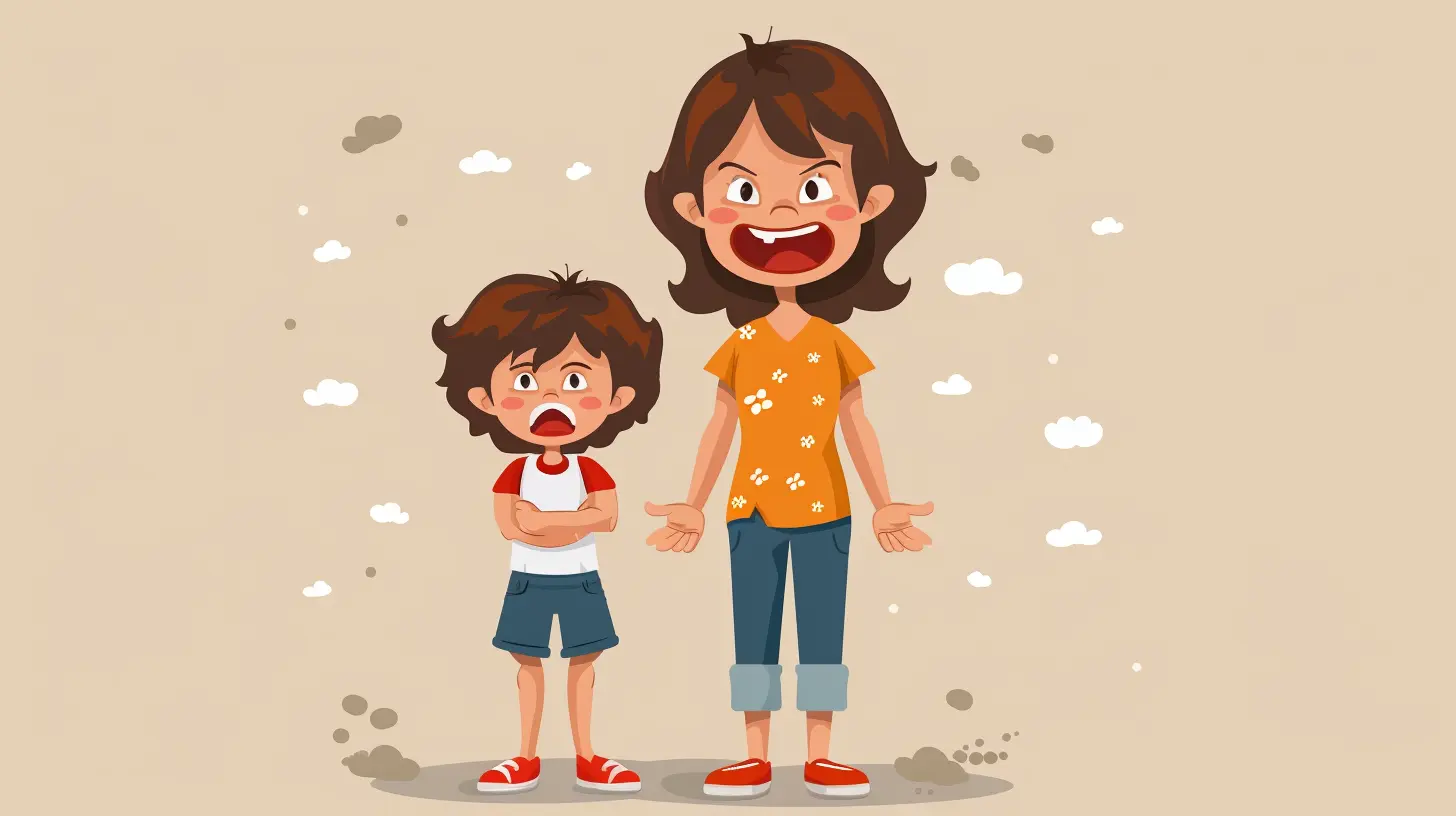
Encourage Open Communication
You want your child to come to you with their feelings—not bury them or act them out. Creating a safe space is key.Be a Safe Harbor
When your child shares a feeling, don’t shut it down. Even if it feels minor or silly to you, it’s very real to them.> ❌ "You’re fine, stop crying."
>
> ✅ "I see that you're really upset. Want to talk about it or just want a hug right now?"
Resist the urge to fix it right away. Sometimes they just need you to listen.
Carve Out Connection Time
Make time in your day to connect emotionally—whether it’s during dinner, bedtime, or even a ride to school. Ask simple but open-ended questions like:- “What was the best part of your day?”
- “Anything make you feel sad or upset today?”
Over time, this becomes routine, and they’ll be more likely to open up.
Teach Coping Strategies
Once kids know what they’re feeling, they need tools to deal with those emotions.Calm-Down Tools
Help your child create their own “calm-down toolbox.” You can fill it with:- Stress balls
- Coloring pages
- Fidget toys
- Soft blankets
- A calm-down jar (filled with glitter and water)
Then teach them to use it when things feel out of control.
Breathing Exercises
Breathing is seriously underrated. Deep breaths calm the nervous system and help reset emotions. Make it fun:- Bubble breathing (pretend to blow bubbles)
- Belly breaths (place a stuffed animal on their belly and make it rise and fall)
- Snake breathing (long, hissing exhale like a snake)
Movement and Music
Sad? Dance it out. Angry? Punch a pillow. Anxious? Go for a walk. Movement is a natural outlet for emotions, especially for energetic kids. Music can also help—let your child build a “feelings playlist” with songs that match or shift their moods.Role-Play Real-Life Situations
Ever notice how kids love pretending? Use that to your advantage. Role-playing helps them practice emotional expression in a low-pressure way.Create mini scenes like:
- A friend not sharing
- Losing a favorite toy
- Feeling nervous before a test
Then act it out and talk about different ways to express those feelings. What could they say? How will they handle it next time?
This practice boosts confidence and prepares them for real-life moments.
Validate and Normalize Their Feelings
Every feeling is valid. Whether it’s big, small, or totally unexpected.Ditch the "Good vs. Bad" Labels
Instead of calling feelings good or bad, teach your child that all emotions are part of the human experience. It's okay to feel angry, sad, jealous, or scared. What matters is how we choose to act on those feelings.Use phrases like:
- "It’s okay to feel that way."
- "That sounds really hard."
- "I’m here for you."
Validation helps kids feel seen and heard, which makes it more likely they’ll express emotions in positive ways.
Set and Respect Boundaries
Feelings are natural, but not all behaviors are okay. Teach your child that it's fine to feel angry—but hitting isn’t.Set clear rules about how emotions can be expressed:
> "You can be mad, but you can’t hurt others. Let’s find another way to let that feeling out."
Offer alternatives and always follow through with consequences calmly and consistently. Boundaries give kids a sense of safety and structure, which ironically makes it easier for them to regulate themselves.
Praise Healthy Emotional Expression
Catch them being emotionally brave. When your child shares their feelings, calms down on their own, or uses their words instead of shouting—celebrate it!> "I’m really proud of how you told me you were sad instead of getting angry."
Positive reinforcement builds confidence and encourages them to keep practicing those skills.
Be Patient—It's a Process
Teaching emotional expression isn’t a one-time talk. It’s an ongoing conversation that evolves as your child grows. Some days will go smoothly, and others will feel like a total emotional circus. That’s parenting.Keep showing up, listening, guiding, and loving them through it. Remember you're not just raising a child—you’re raising a future adult who knows how to handle their feelings with empathy and grace.
Final Thoughts
Helping your child develop healthy emotional habits is one of the most powerful gifts you can give. It takes time, effort, and a whole lot of patience, but it’s worth every second. Emotions aren’t the enemy; ignoring them is.So talk about feelings. Model them. Share them. Celebrate them. Your child doesn’t need to be perfect—they just need to know it’s okay to feel and that they have safe, healthy ways to express it.
And remember, you’re not just teaching them for today. You’re equipping them for a lifetime.
all images in this post were generated using AI tools
Category:
Tantrum TipsAuthor:

Maya Underwood
Discussion
rate this article
2 comments
Sloane McEvoy
In gentle moments, let them feel, Emotions bloom like flowers real. Guide them softly, hand in hand, To voice their hearts, to understand. Love's the key, that's where we stand.
August 23, 2026 at 4:24 AM
Maya Underwood
What a beautiful expression of nurturing emotional growth! Teaching children to communicate their feelings is truly essential. Thank you for sharing your thoughts.
Clover McKinney
Teaching kids to express their feelings is like giving them a toolbox. Just imagine a tiny carpenter crafting emotions with crayons, giggles, and maybe a few dramatic sighs. Embrace the messiness of their emotional masterpieces... it's pure art!
May 17, 2026 at 4:50 AM
Maya Underwood
I love that analogy! Teaching kids to express their feelings truly equips them to navigate their emotions creatively and healthily. Embracing the messiness can lead to beautiful growth.